Dennis C. Ghiglia – författare
Visar alla böcker från författaren Dennis C. Ghiglia. Handla med fri frakt och snabb leverans.
3 produkter
3 produkter
Inbunden, Engelska, 1998
2 365 kr
Skickas inom 5-8 vardagar
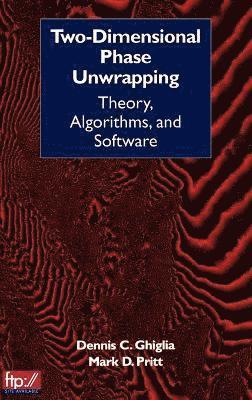
A resource like no other-the first comprehensive guide to phase unwrappingPhase unwrapping is a mathematical problem-solving technique increasingly used in synthetic aperture radar (SAR) interferometry, optical interferometry, adaptive optics, and medical imaging. In Two-Dimensional Phase Unwrapping, two internationally recognized experts sort through the multitude of ideas and algorithms cluttering current research, explain clearly how to solve phase unwrapping problems, and provide practicable algorithms that can be applied to problems encountered in diverse disciplines. Complete with case studies and examples as well as hundreds of images and figures illustrating the concepts, this book features: A thorough introduction to the theory of phase unwrappingEight algorithms that constitute the state of the art in phase unwrappingDetailed description and analysis of each algorithm and its performance in a number of phase unwrapping problemsC language software that provides a complete implementation of each algorithmComparative analysis of the algorithms and techniques for evaluating resultsA discussion of future trends in phase unwrapping researchForeword by former NASA scientist Dr. John C. CurlanderTwo-Dimensional Phase Unwrapping skillfully integrates concepts, algorithms, software, and examples into a powerful benchmark against which new ideas and algorithms for phase unwrapping can be tested. This unique introduction to a dynamic, rapidly evolving field is essential for professionals and graduate students in SAR interferometry, optical interferometry, adaptive optics, and magnetic resonance imaging (MRI).
Inbunden, Engelska, 1996
3 019 kr
Skickas inom 10-15 vardagar
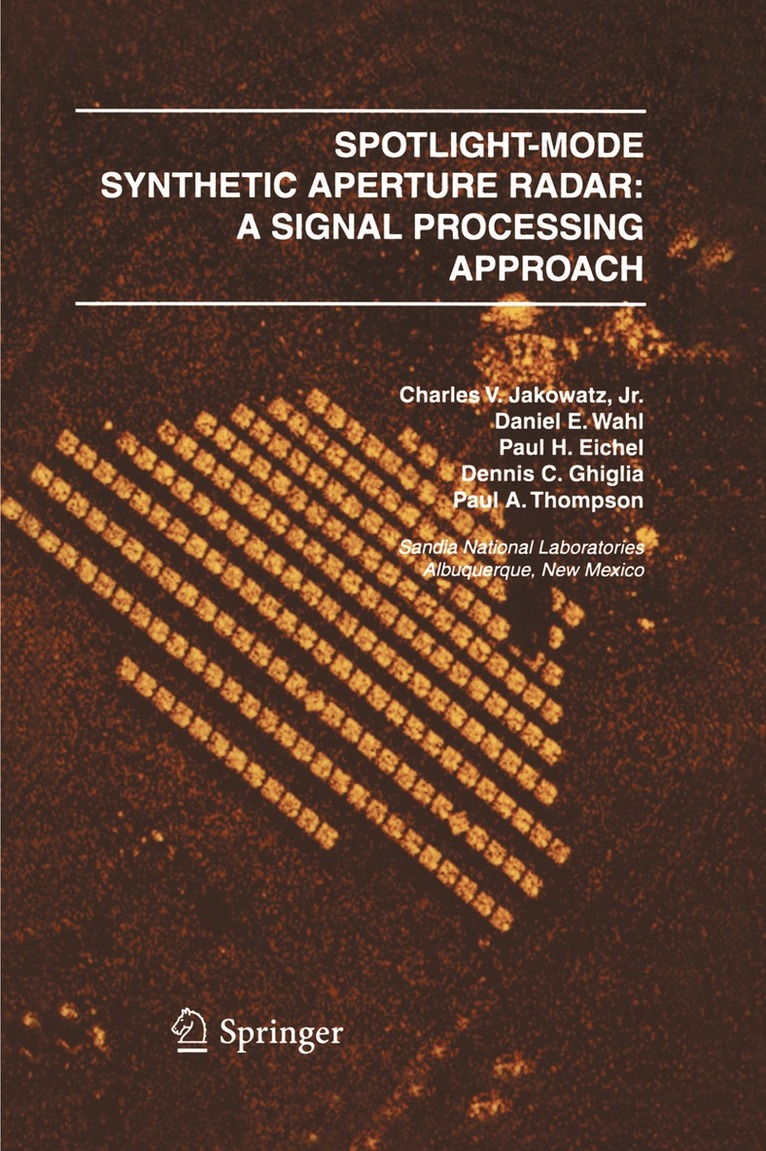
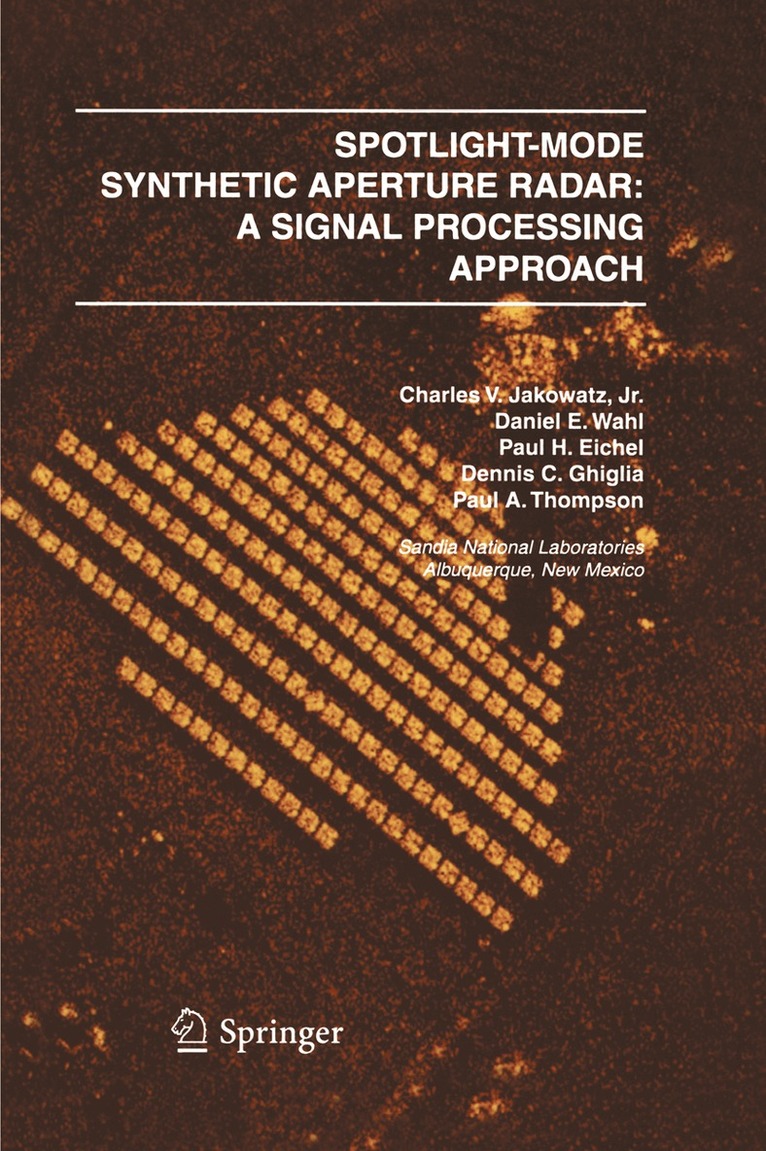
Modern airborne and spaceborne imaging radars, known as synthetic aperture radars (SARs), are capable of producing high-quality pictures of the earth's surface while avoiding some of the shortcomings of certain other forms of remote imaging systems. Primarily, radar overcomes the night-time limitations of optical cameras, and the cloud-cover limitations of both optical and infrared imagers. In addition, because imaging radars use a form of coherent illumination, they can be used in certain special modes such as interferometry, to produce some unique derivative image products that incoherent systems cannot. One such product is a highly accurate digital terrain elevation map (DTEM). The most recent (1980) version of imaging radar, known as spotlight-mode SAR, can produce imagery with spatial resolution that begins to approach that of remote optical imagers. For all of these reasons, synthetic aperture radar imaging is rapidly becoming a key technology in the world of modern remote sensing. Much of the basic "workings" of synthetic aperture radars is rooted in the concepts of signal processing.Starting with that premise, this work explores the fundamental principles upon which the spotlight mode of SAR imaging is constructed, using almost exclusively the language, concepts, and major building blocks of signal processing. The book is intended for a variety of audiences. Engineers and scientists working in the field of remote sensing but who do not have experience with SAR imaging should find an easy entrance into what can seem at times a very complicated subject. Experienced radar engineers should find that the book describes several modern areas of SAR processing that they might not have explored previously, e.g. interferometric SAR for change detection and terrain elevation mapping, or modern non-parametric approaches to SAR autofocus. Senior undergraduates (primarily in electrical engineering) who have had courses in digital signal and image processing, but who have had no exposure to SAR, could find the book useful in a one-semester course as a reference.
Häftad, Engelska, 2011
3 019 kr
Skickas inom 10-15 vardagar
Modern airborne and spaceborne imaging radars, known as synthetic aperture radars (SARs), are capable of producing high-quality pictures of the earth's surface while avoiding some of the shortcomings of certain other forms of remote imaging systems.