Inbunden, Engelska, 2019
2 270 kr
Skickas inom 10-15 vardagar
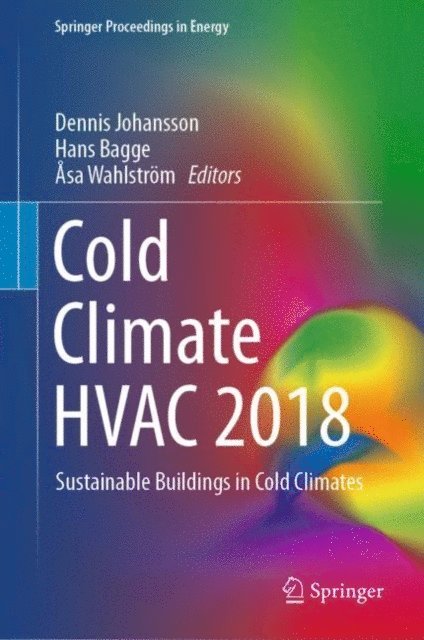
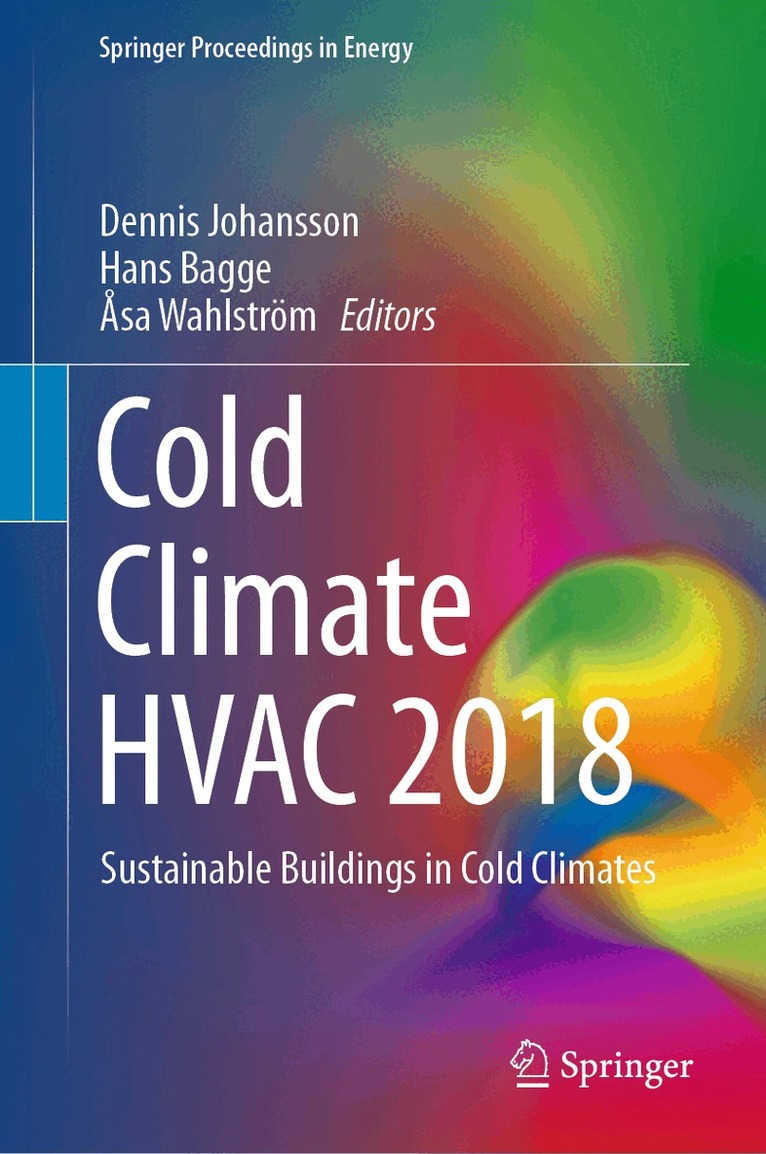
This volume presents the proceedings of the 9th Cold Climate HVAC conference, which was held in Kiruna, Sweden in 2018. The conference highlighted key technologies and processes that allow scientists, designers, engineers, manufacturers and other decision makers in cold climate regions to achieve good indoor environmental quality (IEQ) with a minimum use of energy and other resources. The conference addressed various technical, economic and social aspects of buildings and HVAC systems in new and renovated buildings. This proceedings volume gathers peer-reviewed papers by a diverse and international range of authors and showcases perspectives and practices in cold climate building design from around the globe. The following major aspects, which include both fundamental and theoretical research as well as applications and case studies, are covered: (1) Energy and power efficiency and low-energy buildings; (2) Renovatingbuildings; (3) Efficient HVAC components; (4) Heat pumps and geothermal systems; (5) Municipal and city energy systems; (6) Construction management; (7) Buildings in operation; (8) Building simulation; (9) Reference data; (10) Transdisciplinary connections and social aspects; (11) Indoor environments and health; (12) Moisture safety and water damage; (13) Codes, regulations, standards and policies; and (14) Other aspects of buildings in cold climates.