Derek A. Rayner - Böcker
Visar alla böcker från författaren Derek A. Rayner. Handla med fri frakt och snabb leverans.
3 produkter
3 produkter
83 kr
Skickas inom 10-15 vardagar
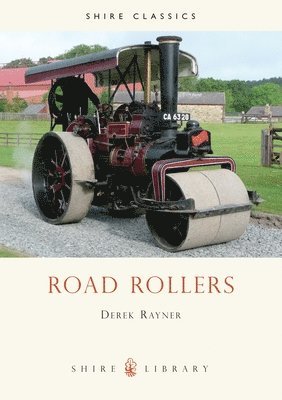
Well-surfaced roads are essential to a growing industrial nation and, as roadmaking in Britain improved from the late eighteenth century, heavy rollers hauled by men or horses were used to compact the surface. Steam power was first used to propel road rollers in the 1860s and thereafter there was rapid development, in parallel with that of the traction engine. This book outlines the development of steam rollers, with some technical details, and illustrates the different types.
88 kr
Skickas inom 10-15 vardagar
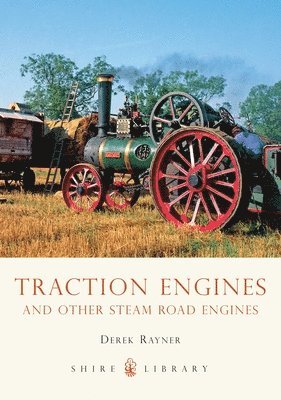
Traction engines steam engines to haul loads on the roads developed in the mid 1860s and were usually dirty, noisy and somewhat crude to handle. This book brings together much information about these engines, from the earliest to the latest, about how they worked and what they did. Attention is also given to the various derivatives of the traction engine the humble portable, the well-known steam roller, the steam tractor, majestic road locomotive, ploughing engine and, last but not least, the King of the Road, the glorious and glittering showman's engine. The informative text is accompanied by illustrations that show something of the age in which traction engines worked and of the age when they became treasured historic relics. Engines appear at rallies and other events all over Great Britain and in many other countries. On these occasions they are visited and admired by thousands of people and are now part of our engineering heritage.
88 kr
Skickas inom 10-15 vardagar
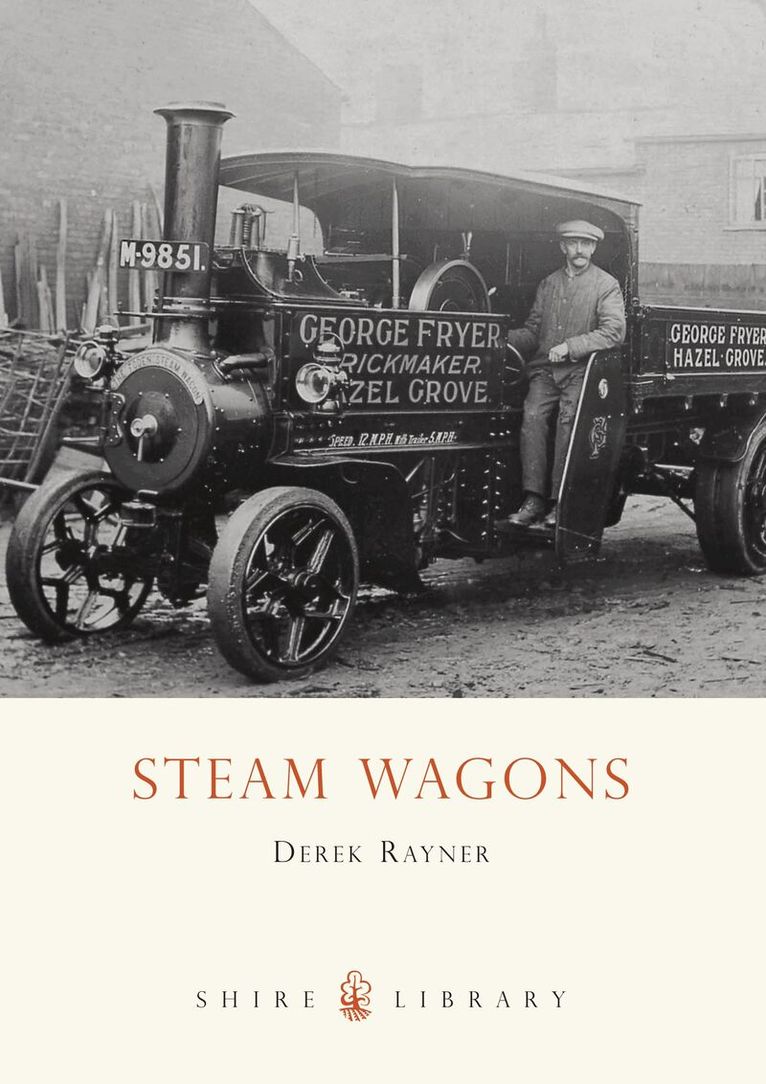
Steam wagons steam engines that carry goods on the roads developed considerably later than traction engines and steam rollers, which had started to appear in the mid 1860s. This book tells the story of steam wagons from the earliest designs through to the last models. It explains how they worked and what they did. An informative text is combined with a selection of photographs to illustrate steam wagons both at work in their heyday in the early twentieth century and in action more recently in the period in which they have become valued historical artefacts.