Diana Eades – författare
Visar alla böcker från författaren Diana Eades. Handla med fri frakt och snabb leverans.
11 produkter
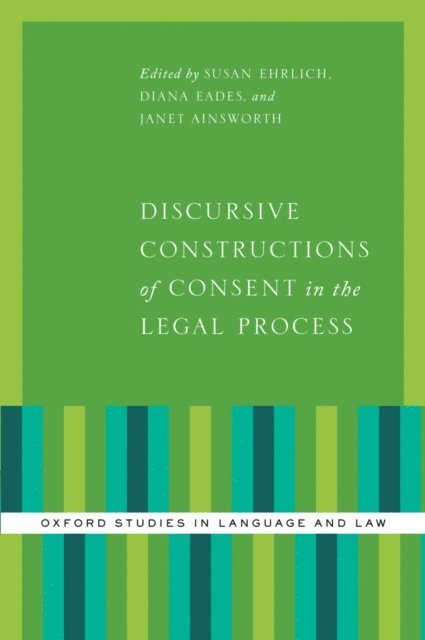
Discursive Constructions of Consent in the Legal Process
Av Janet Ainsworth, Diana Eades m. fl.
E-bok, 2016
1113 kr
Lägg i varukorg
As a linguistically-grounded, critical examination of consent, this volume views consent not as an individual mental state or act but as a process that is interactionally-and discursively-situated. It highlights the ways in which legal consent is often fictional (at best) due to the impoverished …
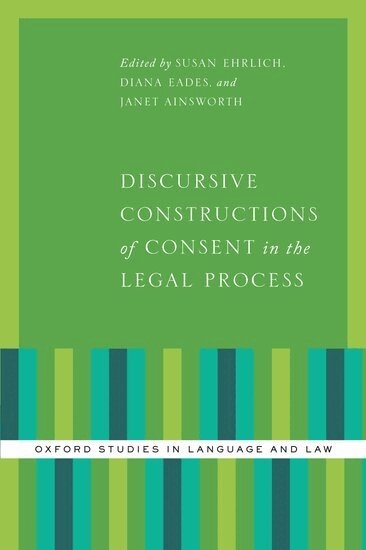
Discursive Constructions of Consent in the Legal Process
Av Ehrlich, Susan Ehrlich m. fl.
Inbunden, 2016
1742 kr
Lägg i varukorg
As a linguistically-grounded, critical examination of consent, this volume views consent not as an individual mental state or act but as a process that is interactionally-and discursively-situated. It highlights the ways in which legal consent is often fictional (at best) due to the impoverished …
Discursive Constructions of Consent in the Legal Process
Av Janet Ainsworth, Diana Eades m. fl.
E-bok, 2016
1113 kr
Lägg i varukorg
As a linguistically-grounded, critical examination of consent, this volume views consent not as an individual mental state or act but as a process that is interactionally-and discursively-situated. It highlights the ways in which legal consent is often fictional (at best) due to the impoverished …
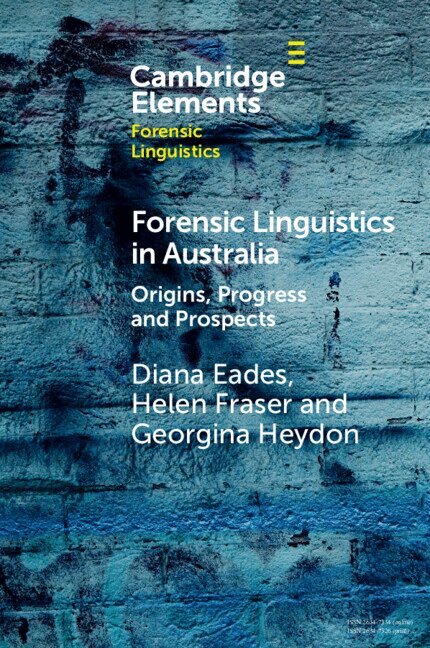
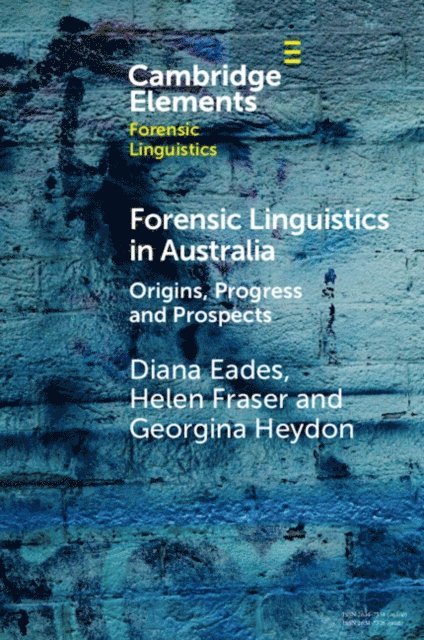
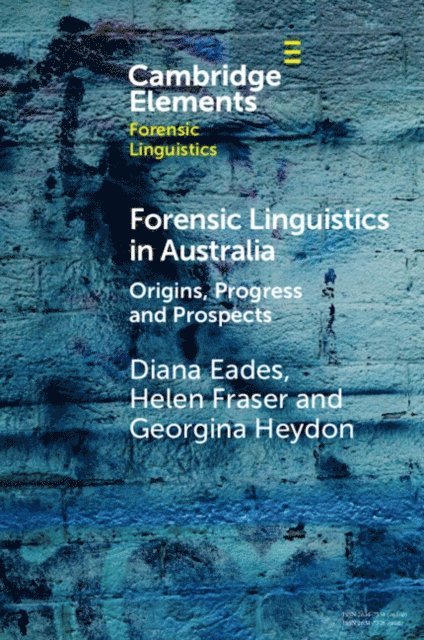
Forensic Linguistics in Australia
Origins, Progress and Prospects
Av Diana Eades, Helen Fraser m. fl.
Häftad, 2023
268 kr
Lägg i varukorg
This Element presents an account of forensic linguistics in Australia since the first expert linguistic evidence in 1959, through early work in the 1970s-1980s, the defining of the discipline in the 1990s, and into the current era. It starts with a consideration of some widespread misconceptions …
Forensic Linguistics in Australia
Origins, Progress and Prospects
Av Georgina Heydon, Helen Fraser m. fl.
E-bok, 2023
286 kr
Lägg i varukorg
Forensic Linguistics in Australia
Origins, Progress and Prospects
Av Georgina Heydon, Helen Fraser m. fl.
E-bok, 2023
276 kr
Lägg i varukorg
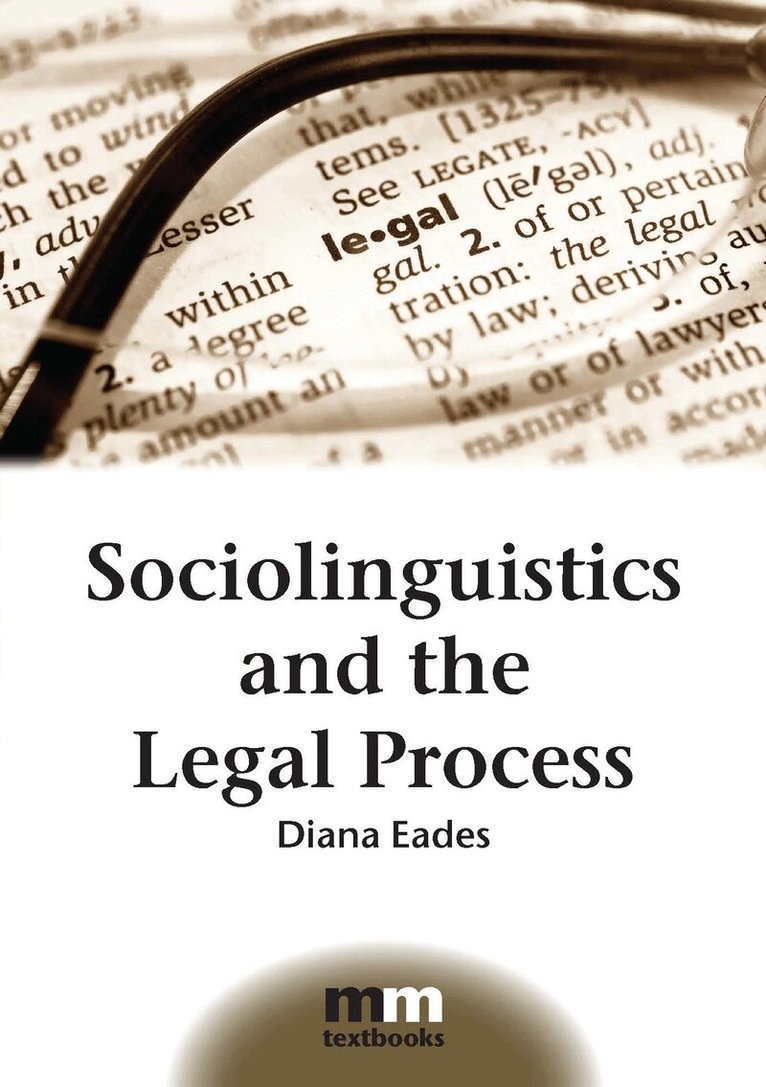
Sociolinguistics and the Legal Process
Av Diana Eades
Häftad, 2010
385 kr
Lägg i varukorg
Sociolinguistics and the Legal Process is an introduction to language, law and society for advanced undergraduate and postgraduate students. Its central focus is the exploration of what sociolinguistic research can tell us about how language works and doesn’t work in the legal process. Written for …
Sociolinguistics and the Legal Process
Av Diana Eades
Inbunden, 2010
1171 kr
Lägg i varukorg
Sociolinguistics and the Legal Process is an introduction to language, law and society for advanced undergraduate and postgraduate students. Its central focus is the exploration of what sociolinguistic research can tell us about how language works and doesn’t work in the legal process. Written for …
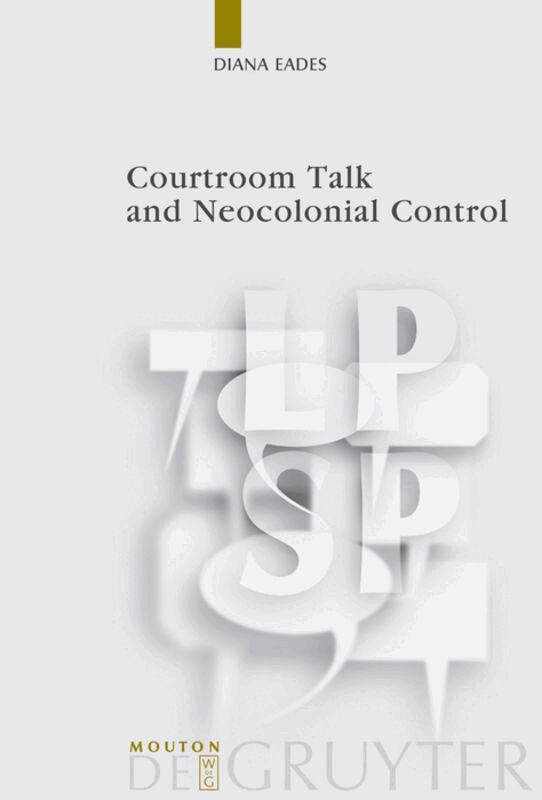
Courtroom Talk and Neocolonial Control
Av Diana Eades
Inbunden, 2008
2842 kr
Lägg i varukorg
The book uses critical sociolinguistic analysis to examine the social consequences of courtroom talk. The focus of the study is the cross-examination of three Australian Aboriginal boys who were prosecution witnesses in the case of six police officers charged with their abduction. The analysis …
Courtroom Talk and Neocolonial Control
Av Diana Eades
E-bok, 2008
2881 kr
Lägg i varukorg
The book uses critical sociolinguistic analysis to examine the social consequences of courtroom talk. The focus of the study is the cross-examination of three Australian Aboriginal boys who were prosecution witnesses in the case of six police officers charged with their abduction. The analysis …