Diana Preston – författare
Visar alla böcker från författaren Diana Preston. Handla med fri frakt och snabb leverans.
22 produkter
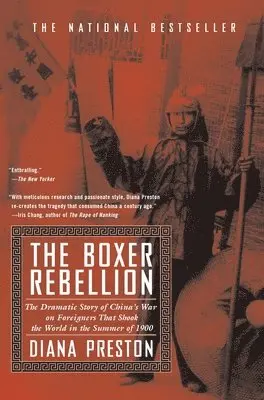
Boxer Rebellion: The Dramatic Story of China's War on Foreigners that Shook the World in the Summer of 1900
Häftad, 2001
356 kr
Lägg i varukorg
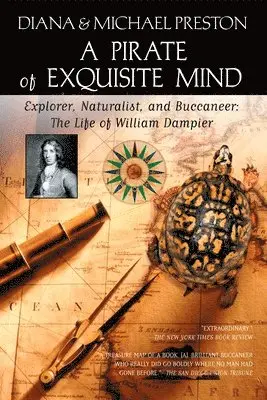
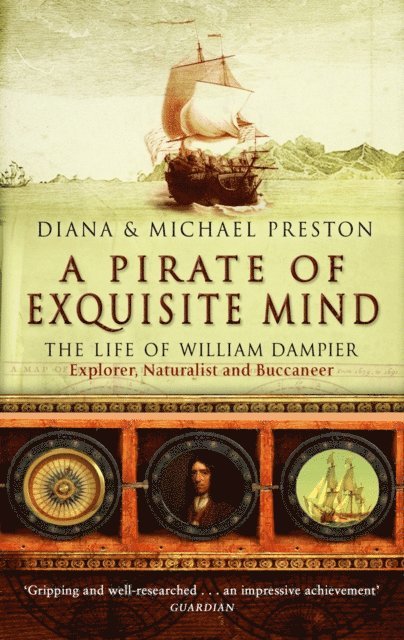
A Pirate of Exquisite Mind: The Life of William Dampier: Explorer, Naturalist, and Buccaneer
Av Diana Preston, Michael Preston
Häftad, 2005
356 kr
Lägg i varukorg
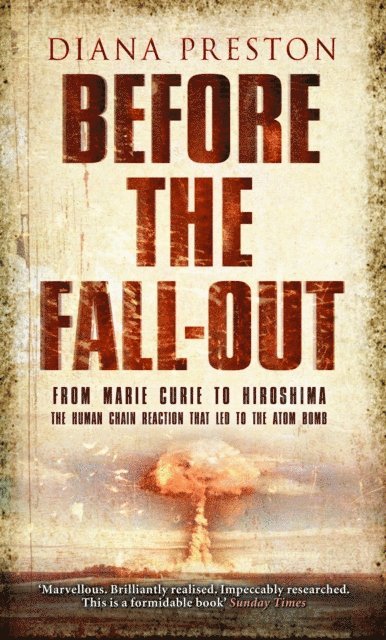
Before the Fall-Out
From Marie Curie To Hiroshima
Häftad, 2006
203 kr
Lägg i varukorg
Spanning fifty years, Before the Fall-Out tells the full story of how an exhilarating quest to unravel the secrets of the material world produced the knowledge of how to destroy it.And of how a scientific adventure shared openly between nuclear physicists from many different nations transmuted into …
Pirate Of Exquisite Mind
The Life Of William Dampier
Av Diana Preston, Michael Preston
Häftad, 2005
141 kr
Lägg i varukorg
William Dampier, (1651-1715), was an English adventurer and pirate who preyed on ships on the Spanish Main. Poor and ill-educated and determined to make his fortune, he nonetheless had a passion for exploration and scientific research. Dampier was the first to map the winds and currents of the …
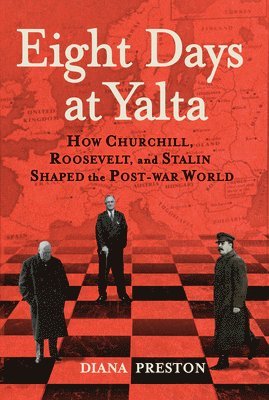
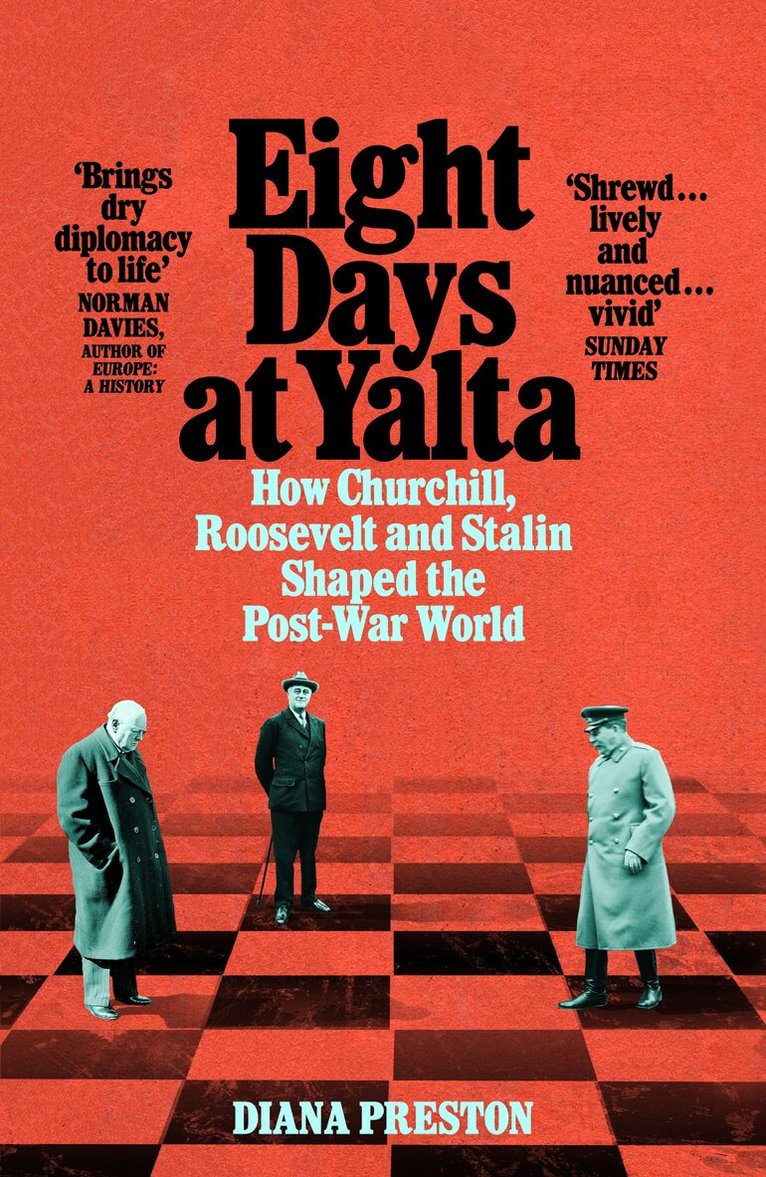
Eight Days at Yalta
How Churchill, Roosevelt, and Stalin Shaped the Post-War World
Inbunden, 2020
339 kr
Lägg i varukorg
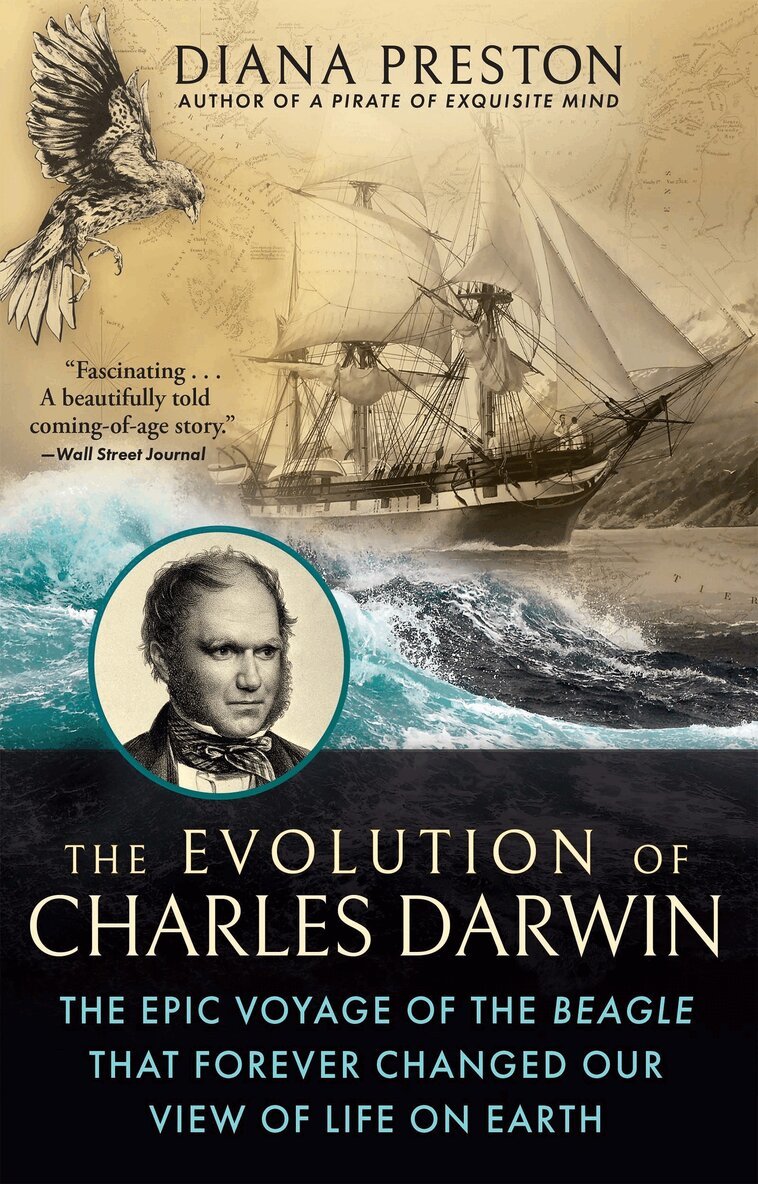
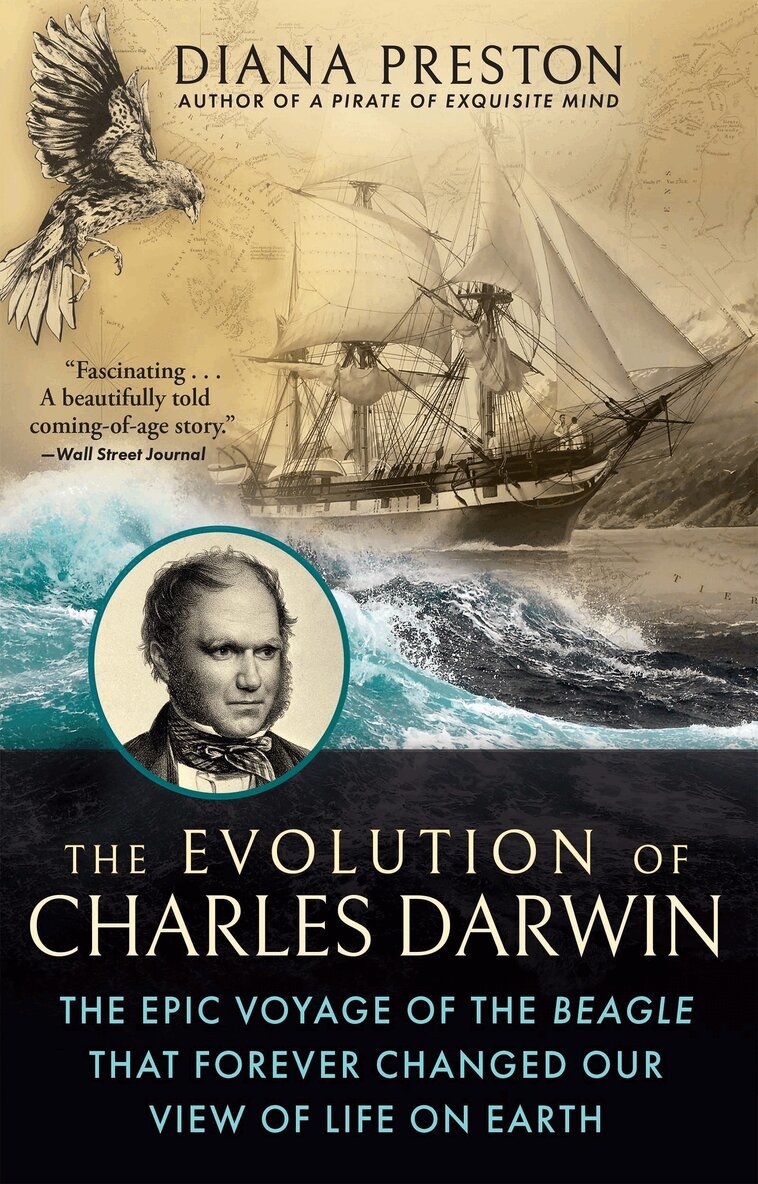
Evolution of Charles Darwin
The Epic Voyage of the Beagle That Forever Changed Our View of Life on Earth
Inbunden, 2022
261 kr
Lägg i varukorg
From the Los Angeles Times Book Prize–winning historian, the colorful, dramatic story of Charles Darwin’s journey on HMS Beagle that inspired the evolutionary theories in his path-breaking books On the Origin of Species and The Descent of ManWhen twenty-two-year-old aspiring geologist Charles …
Evolution of Charles Darwin
The Epic Voyage of the Beagle That Forever Changed Our View of Life on Earth
Häftad, 2023
179 kr
Lägg i varukorg
From the Los Angeles Times Book Prize–winning historian, the colorful, dramatic story of Charles Darwin’s journey on HMS Beagle that inspired the evolutionary theories in his path-breaking books On the Origin of Species and The Descent of ManWhen twenty-two-year-old aspiring geologist Charles …
Cleopatra and Antony
E-bok, 2008
170 kr
Lägg i varukorg
In 44 bc, Julius Caesar was murdered on the Ides of March. His mistress, Cleopatra of Egypt, fled back to Alexandria with their little son. Mark Antony, Caesar's friend and henchman, who, according to some accounts, was already besotted by the beautiful Cleopatra, took up her son's case before the …
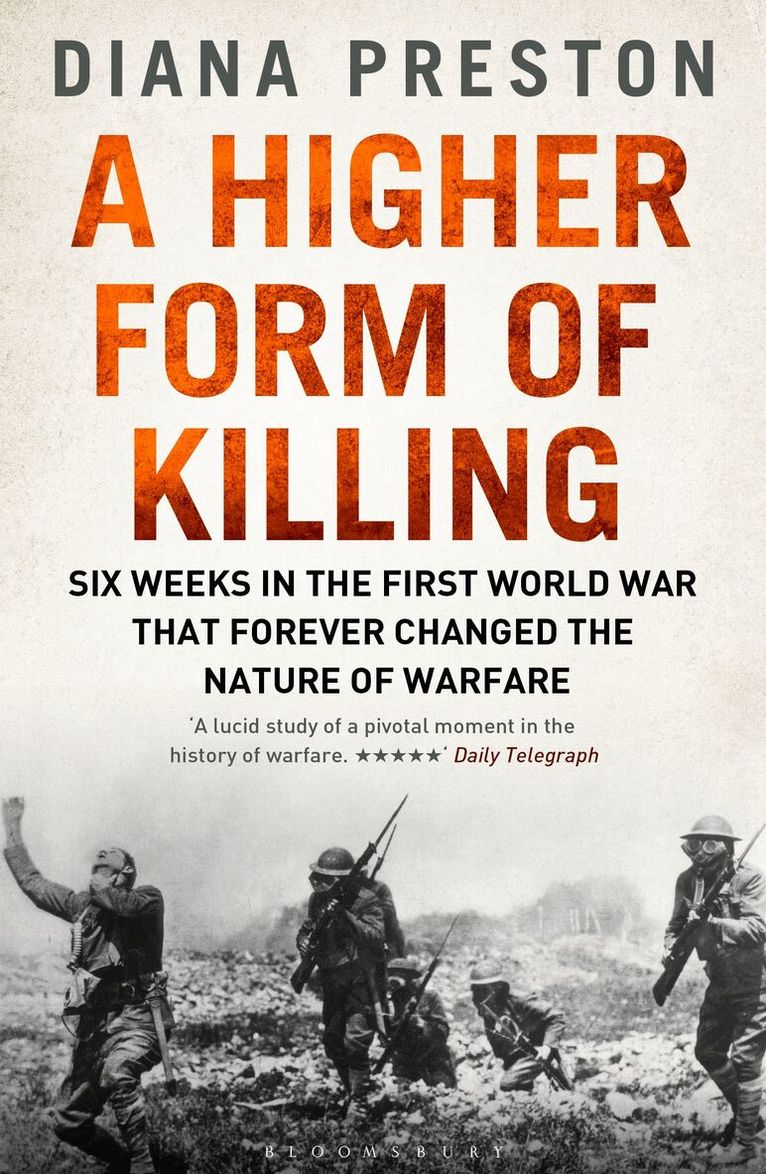
Higher Form of Killing
Six Weeks in the First World War That Forever Changed the Nature of Warfare
Häftad, 2016
209 kr
Lägg i varukorg
_________________'A harrowing - and, in this era of drones, absolutely pertinent - look at the rapacious reaches of man's murderous imagination.' - starred review, Kirkus'A fascinating and chilling chronicle of weapons of mass destruction . . . Preston's eloquent and objective history of war is …
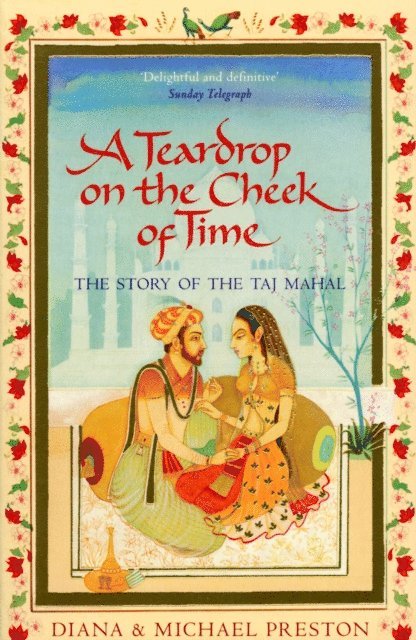
Teardrop on the Cheek of Time
The Story of the Taj Mahal
Av Diana Preston, Michael Preston
E-bok, 2010
147 kr
Lägg i varukorg
In 1631, the heartbroken Moghul Emperor, Shah Jahan, ordered the construction of a monument of unsurpassed splendour and majesty in memory of his beloved wife. Theirs was an extraordinary story of passionate love: although almost constantly pregnant - she bore him fourteen children - Mumtaz Mahal …
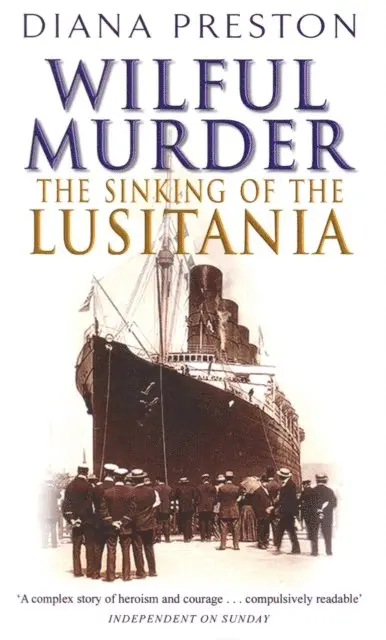
Wilful Murder: The Sinking Of The Lusitania
E-bok, 2011
147 kr
Lägg i varukorg
On May 7th, 1915 a passenger ship crossing the Atlantic sank with the loss of 1200 lives. On board were some world-famous figures, including multimillionaire Alfred Vanderbilt. But this wasn't the Titanic and there was no iceberg. The liner was the Lusitania and it was torpedoed by a German …
Before the Fall-Out
From Marie Curie To Hiroshima
E-bok, 2011
147 kr
Lägg i varukorg
Spanning fifty years, Before the Fall-Out tells the full story of how an exhilarating quest to unravel the secrets of the material world produced the knowledge of how to destroy it.And of how a scientific adventure shared openly between nuclear physicists from many different nations transmuted into …
Pirate Of Exquisite Mind
The Life Of William Dampier
Av Diana Preston, Michael Preston
E-bok, 2010
108 kr
Lägg i varukorg
William Dampier, (1651-1715), was an English adventurer and pirate who preyed on ships on the Spanish Main. Poor and ill-educated and determined to make his fortune, he nonetheless had a passion for exploration and scientific research. Dampier was the first to map the winds and currents of the …
Taj Mahal
Passion and Genius at the Heart of the Moghul Empire
Av Michael Preston, Diana Preston
Ljudbok, 2006
287 kr
Lägg i varukorg
While Galileo was suffering under house arrest at the hands of Pope Urban VIII, the Thirty Years War was ruining Europe, and the Pilgrims were struggling to survive in the New World, work began on what would become one of the Seven Wonders of the World: the Taj Mahal. Built by the Moghul emperor …
Eight Days at Yalta
How Churchill, Roosevelt and Stalin Shaped the Post-War World
E-bok, 2019
236 kr
Lägg i varukorg
Meticulously researched and vividly written, Eight Days at Yalta is a remarkable work of intense historical drama.In the last winter of the Second World War, Winston Churchill, Franklin D. Roosevelt and Joseph Stalin arrived in the Crimean resort of Yalta. Over eight days of bargaining, bombast and …
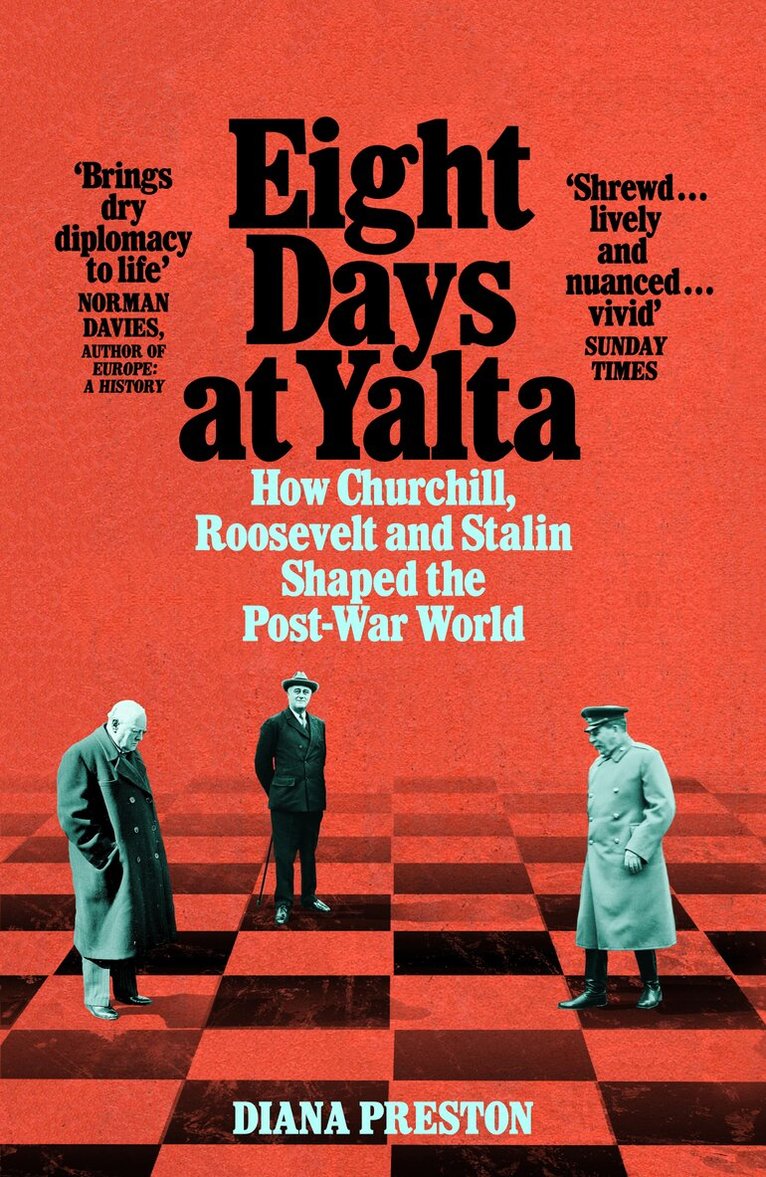
Eight Days at Yalta
How Churchill, Roosevelt and Stalin Shaped the Post-War World
Häftad, 2020
165 kr
Lägg i varukorg
Meticulously researched and vividly written, Eight Days at Yalta is a remarkable work of intense historical drama.In the last winter of the Second World War, Winston Churchill, Franklin D. Roosevelt and Joseph Stalin arrived in the Crimean resort of Yalta. Over eight days of bargaining, bombast and …
Higher Form of Killing
Six Weeks in World War I That Forever Changed the Nature of Warfare
E-bok, 2015
214 kr
Lägg i varukorg
In six weeks during April and May 1915, as World War I escalated, Germany forever altered the way war would be fought. On April 22, at Ypres, German canisters spewed poison gas at French and Canadian soldiers in their trenches; on May 7, the German submarine U-20, without warning, torpedoed the …
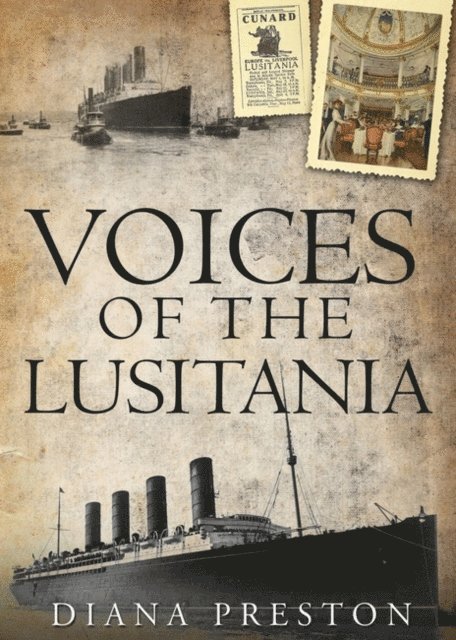
Voices of the Lusitania
E-bok, 2015
169 kr
Lägg i varukorg
Diana Preston curates a spectacular and harrowing collection of voices from the Lusitania tragedy. Eyewitness accounts capture the ship''s sinking in real-life detail as more than half the ship''s crew and passengers were drowned when a German U-boat torpedoed the ship on its 101st crossing of the …
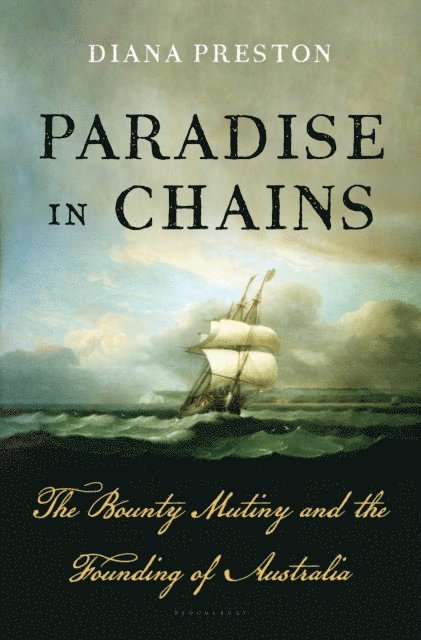
Paradise in Chains
The Bounty Mutiny and the Founding of Australia
E-bok, 2017
276 kr
Lägg i varukorg
Celebrated historian Diana Preston presents betrayals, escapes, and survival at sea in her account of the mutiny of the Bounty and the flight of convicts from the Australian penal colony. The story of the mutiny of the Bounty and William Bligh and his men''s survival on the open ocean for 48 days …
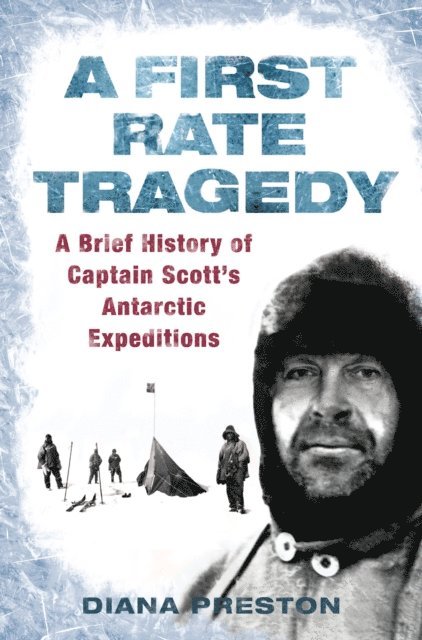
First Rate Tragedy
A Brief History of Captain Scott''s Antarctic Expeditions
E-bok, 2012
45 kr
Lägg i varukorg
On November 12, 1912, a rescue team trekking across Antarctica''s Great Ice Barrier finally found what they sought - the snow-covered tent of the British explorer Robert Falcon Scott. Inside, they made a grim discovery: Scott''s frozen body lay between the bodies of two fellow explorers. They had …
Brief History of the Boxer Rebellion
China's War on Foreigners, 1900
Häftad, 2002
283 kr
Lägg i varukorg
Fuelled by hatred of foreigners and all they stood for, the ferocious uprising of Chinese peasants and ensuing siege of Peking in the summer of 1900 sent shockwaves around the world. Diana Preston brings thundering to life this 55-day conflict between the 'Boxers', so-called for their martial-arts …