Didier Caluwaerts - Böcker
Visar alla böcker från författaren Didier Caluwaerts. Handla med fri frakt och snabb leverans.
6 produkter
6 produkter
617 kr
Skickas inom 10-15 vardagar
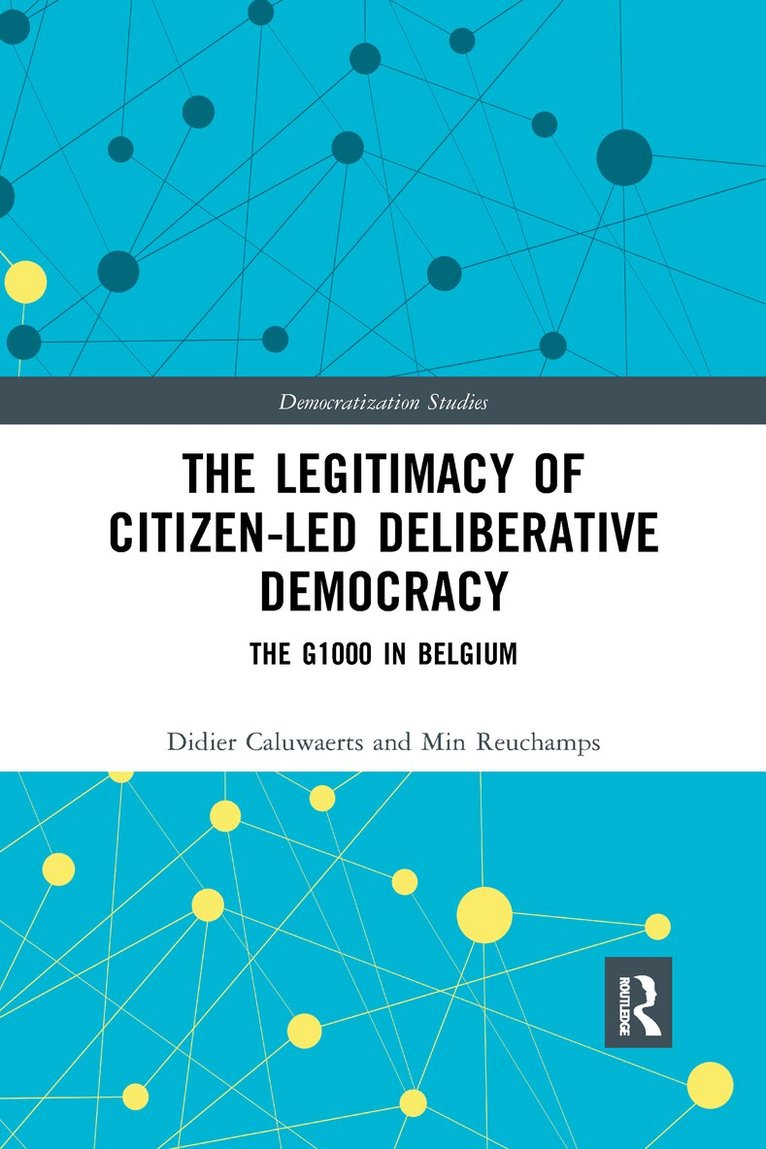
For deliberative democrats, the strength of any democracy is public deliberation, the frequent and reasoned discussion between citizens on political issues. Despite all the theoretical claims made about deliberative systems, the question remains how to empirically assess both the legitimacy and function of deliberative systems in the real world and how individual sites of deliberation interact within the larger political system. In other words, what is the legitimacy of each individual component and under which conditions can these components improve the legitimacy of the wider system? These are the central research questions for this book looking particularly through the prism of the citizen-led mini-public G1000 in Belgium, which grew out of a feeling of deep democratic crisis. Offering empirically measurable translations of philosophical concepts, the book enhances our understanding of how political systems function, and of the viability of a deliberative democracy at a larger scale. Finally, it provokes fundamental normative questions on how we want to shape our society, especially divided ones.This text will be of key interest to scholars, students and practitioners of deliberative democracy, and to those interested in democratic theory and more broadly political science, communication, sociology, and philosophy.
563 kr
Skickas inom 10-15 vardagar
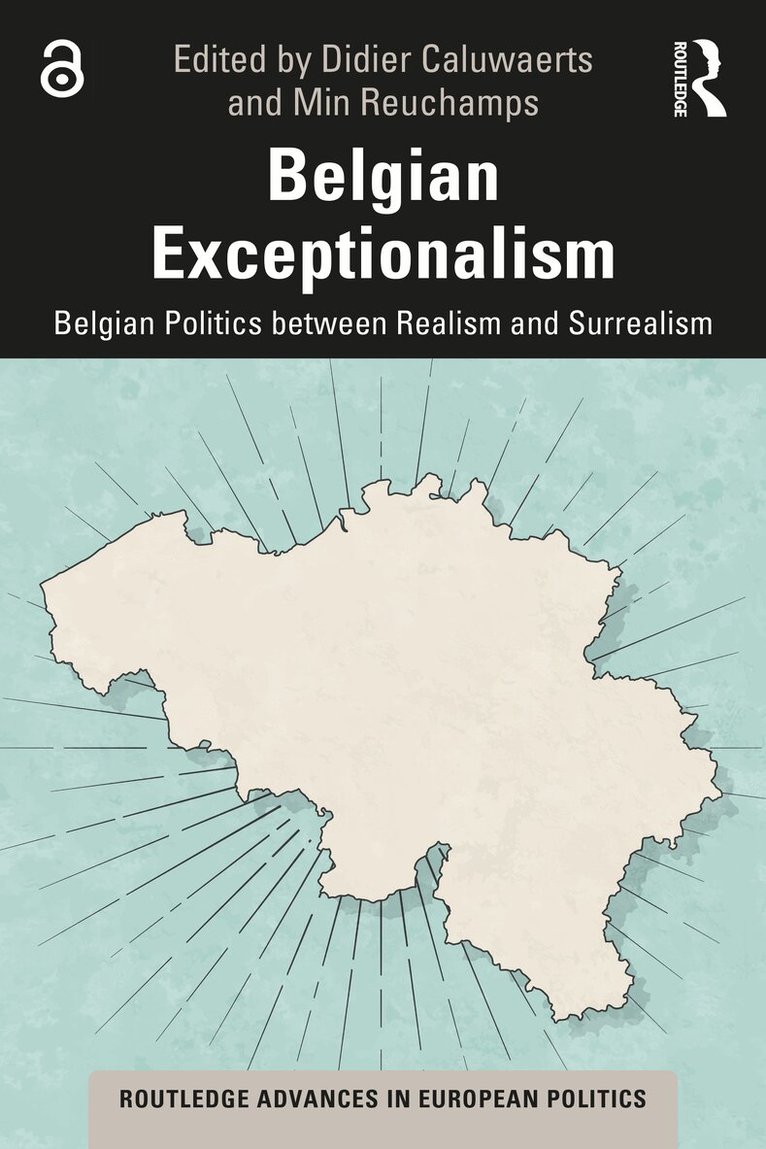
This book takes stock of Belgium’s exceptional and – for some foreign observers –schizophrenic position in the political world and explains its idiosyncrasy to a non-Belgian audience. Offering a broad and comprehensive analysis of Belgian politics, the guiding questions throughout each of the chapters of this book are: Is Belgium a political enigma, and why? Along which axes is Belgium "exceptional" compared to other countries? And what insights does a comparative study of Belgian politics have to offer? The book therefore provides a critical assessment of how Belgian politics "stands out" internationally, both in good and bad ways – including consociationalism, federalism, democratic innovations, Euroscepticism, government formation, gender equality, among others – and which factors can explain Belgium’s exceptional position. Based on cutting-edge research findings, the book will be of wide interest to scholars and students of Belgian politics, European Politics and Comparative politics.The Open Access version of this book, available at www.taylorfrancis.com, has been made available under a Creative Commons Attribution-Non Commercial-No Derivatives 4.0 license.
2 088 kr
Skickas inom 10-15 vardagar
This book takes stock of Belgium’s exceptional and – for some foreign observers –schizophrenic position in the political world and explains its idiosyncrasy to a non-Belgian audience. Offering a broad and comprehensive analysis of Belgian politics, the guiding questions throughout each of the chapters of this book are: Is Belgium a political enigma, and why? Along which axes is Belgium "exceptional" compared to other countries? And what insights does a comparative study of Belgian politics have to offer? The book therefore provides a critical assessment of how Belgian politics "stands out" internationally, both in good and bad ways – including consociationalism, federalism, democratic innovations, Euroscepticism, government formation, gender equality, among others – and which factors can explain Belgium’s exceptional position. Based on cutting-edge research findings, the book will be of wide interest to scholars and students of Belgian politics, European Politics and Comparative politics.The Open Access version of this book, available at www.taylorfrancis.com, has been made available under a Creative Commons Attribution-Non Commercial-No Derivatives 4.0 license.
588 kr
Kommande
The third edition of this highly respected text covers the numerous political developments that have taken place in Belgium since 2012.This book covers topics such as the implementation of the sixth state reform, the rebranding of political parties with new party leaders, several elections at all levels of government (from local to European) leading to new governing coalitions, democratic innovations in several parliaments and, of course, the impact of the COVID-19 crisis and the challenges of climate changes on all political and social institutions.Key features:Gives an even-handed and analytically sophisticated account of contemporary Belgium politics.Explains the background to the territorial divide between a Dutch-speaking north and a French-speaking south that has shaped the political system and led to polarized communities and the need for institutional responses to internal conflict.Provides a thorough example of a consociational democracy, and shows how this form of democratic government, along with Belgium’s particular federal system has provided a basis – most of the time – to govern a deeply divided country.Provides a comprehensive picture of Belgian politics which helps answer the question of whether Belgium – and indeed other divided societies – can be governed in a legitimate democratic manner.This text is essential reading to students and scholars of Belgian politics and society, democracy and democratic innovations, political systems, and more broadly to European and comparative politics.
2 113 kr
Kommande
The third edition of this highly respected text covers the numerous political developments that have taken place in Belgium since 2012.This book covers topics such as the implementation of the sixth state reform, the rebranding of political parties with new party leaders, several elections at all levels of government (from local to European) leading to new governing coalitions, democratic innovations in several parliaments and, of course, the impact of the COVID-19 crisis and the challenges of climate changes on all political and social institutions.Key features:Gives an even-handed and analytically sophisticated account of contemporary Belgium politics.Explains the background to the territorial divide between a Dutch-speaking north and a French-speaking south that has shaped the political system and led to polarized communities and the need for institutional responses to internal conflict.Provides a thorough example of a consociational democracy, and shows how this form of democratic government, along with Belgium’s particular federal system has provided a basis – most of the time – to govern a deeply divided country.Provides a comprehensive picture of Belgian politics which helps answer the question of whether Belgium – and indeed other divided societies – can be governed in a legitimate democratic manner.This text is essential reading to students and scholars of Belgian politics and society, democracy and democratic innovations, political systems, and more broadly to European and comparative politics.
2 088 kr
Skickas inom 10-15 vardagar
For deliberative democrats, the strength of any democracy is public deliberation, the frequent and reasoned discussion between citizens on political issues. Despite all the theoretical claims made about deliberative systems, the question remains how to empirically assess both the legitimacy and function of deliberative systems in the real world and how individual sites of deliberation interact within the larger political system. In other words, what is the legitimacy of each individual component and under which conditions can these components improve the legitimacy of the wider system? These are the central research questions for this book looking particularly through the prism of the citizen-led mini-public G1000 in Belgium, which grew out of a feeling of deep democratic crisis. Offering empirically measurable translations of philosophical concepts, the book enhances our understanding of how political systems function, and of the viability of a deliberative democracy at a larger scale. Finally, it provokes fundamental normative questions on how we want to shape our society, especially divided ones.This text will be of key interest to scholars, students and practitioners of deliberative democracy, and to those interested in democratic theory and more broadly political science, communication, sociology, and philosophy.