
Dieter W.G. Reimer – författare
Visar alla böcker från författaren . Handla med fri frakt och snabb leverans.
2 produkter
2 produkter
2 015 kr
Skickas
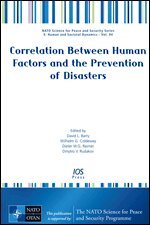
The nuclear disaster at the Chernobyl power plant, devastating floods, landslides, droughts, the erosion of tailings dams and desertification are just some of the natural and manmade disasters which have afflicted the Ukraine and neighboring countries in recent years. It is therefore entirely appropriate that the NATO Advanced Research Workshop (ARW), Correlation between Human Factors and the Prevention of Catastrophes, was held in Dnipropetrovsk, Ukraine in September 2011. This book presents the proceedings of the ARW, which analyzed accumulated European theoretical knowledge and practical experience in the field of disaster prevention, addressing a wide range of correlations between human factors and the prevention of catastrophes. Subjects covered include land-use planning and management procedures; risk assessment in emergency situations; control of polluted water; socio economic impacts from desertification; health impacts arising from nuclear facilities, flooding and tailings dam accidents; risk management systems and measures; and the protection of water resources. The presentations reflected the extensive experience of workshop participants and will be of great interest, especially to countries that are developing their legal frameworks in civil emergency planning, most particularly those who are aligning to EU directives and other international standards.
2 015 kr
Skickas
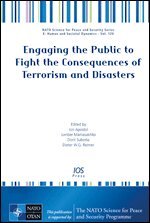
Governments must work tirelessly to update their preparedness for dealing with natural and man-made disasters, as well as taking account of the increasingly present threat of terrorism. Efficient international cooperation is key to achieving safety and internationalizing security policy.This book presents the proceedings of the NATO Advanced Research Workshop (ARW) Engaging the Public to Fight the Consequences of Terrorism and Disasters, held in Tbilisi, Georgia, in June 2014. The purpose of the workshop was to analyze accumulated European theoretical knowledge and practical experience in the field of disaster prevention and the involvement of the public in preventing and fighting the consequences of terrorism, as well as natural and man-made disasters. There was a particular focus on the perspective of the region, especially with a view to meeting European Union standards and setting uniform and independent standards for hazard and risk assessment methods. The protection of economically critical infrastructure, such as dams, pipelines and transport and storage facilities, was addressed as were the issues of managing water and non-renewable resources, the disposal of dangerous chemicals and radioactive waste, and defensible methods of transport for fuel supplies and key personnel.Contributions reflected the extensive experience of the participating NATO and partner countries, including Armenia, Austria, Bulgaria, Georgia, Germany, Italy, Moldova, the Netherlands, Romania, Turkey and Ukraine as well as international organizations such as UNECE and NATO.