Dineo Skosana – författare
Visar alla böcker från författaren Dineo Skosana. Handla med fri frakt och snabb leverans.
11 produkter
11 produkter
Häftad, Engelska, 2021
345 kr
Skickas inom 5-8 vardagar
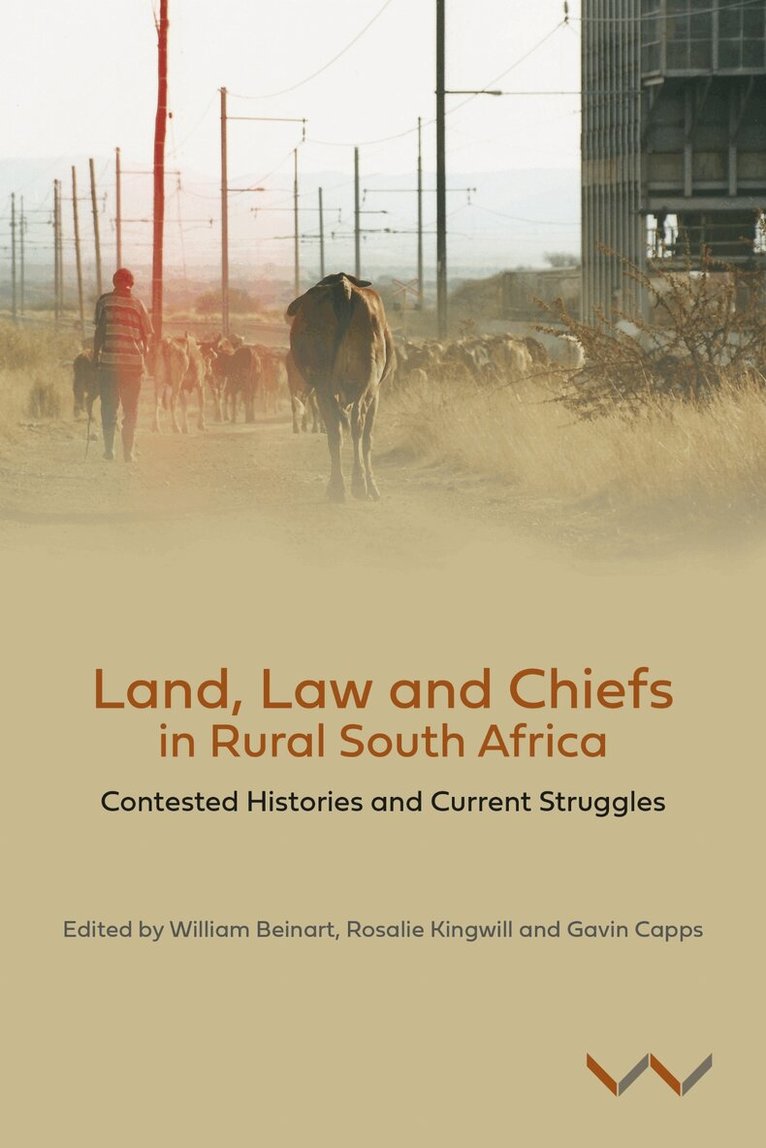
This edited collection illustrates contestations over land and political authority in South Africa's rural areas, focusing on threats to popular rights and how they are being supported.Who controls the land and minerals in the former Bantustans of South Africa - chiefs, the state or landholders? Disputes are taking place around the ownership of resources, decisions about their exploitation and who should benefit. With respect to all of these issues, the courts have become increasingly important.The contributors to Land, Law and Chiefs in Rural South Africa capture some of these intense contestations over land, law and political authority, focussing on threats to the rights of ordinary people. History and customary law feature strongly in most disputes and succession to chieftaincy is also frequently disputed. Judges have to make decisions in a context where rival claimants to property or office assert their own versions of history and custom. The South African constitution recognizes customary law and the courts are attempting to incorporate and develop this branch of jurisprudence as 'living customary law'. Lawyers, community leaders and academics are called on to assist in researching cases around restitution, land rights and customary law. The chapters in this collection discuss legal cases and policy directions that have evolved since 1994. Some chapters analyze the increasing power of chiefs in the South African rural areas, while others suggest that the courts are giving support to popular rights over land and supporting local democratic processes. Contributors record significant pushback from groups that reject traditional authority. These political tensions are a central theme of the collection and thus serve as vital case studies in furthering our understanding of rights and restitution in South Africa.
E-bok
PDF, Engelska, 2021355 kr
Läs direkt efter köp
Who controls the land and minerals in the former Bantustans of South Africa - chiefs, the state or landholders? Disputes are taking place around the ownership of resources, decisions about their exploitation and who should benefit. With respect to all of these issues, the courts have become increasingly important. The contributors to Land, Law and Chiefs in Rural South Africa capture some of these intense contestations over land, law and political authority, focussing on threats to the rights of ordinary people. History and customary law feature strongly in most disputes and succession to chieftaincy is also frequently disputed. Judges have to make decisions in a context where rival claimants to property or office assert their own versions of history and custom. The South African constitution recognises customary law and the courts are attempting to incorporate and develop this branch of jurisprudence as ‘living customary law’. Lawyers, community leaders and academics are called on to assist in researching cases around restitution, land rights and customary law. The chapters in this collection discuss legal cases and policy directions that have evolved since 1994. Some chapters analyse the increasing power of chiefs in the South African rural areas, while others suggest that the courts are giving support to popular rights over land and supporting local democratic processes. Contributors record significant pushback from groups that reject traditional authority. These political tensions are a central theme of the collection and thus serve as vital case studies in furthering our understanding of rights and restitution in South Africa.
E-bok
Engelska, 2021355 kr
Läs direkt efter köp
Who controls the land and minerals in the former Bantustans of South Africa - chiefs, the state or landholders? Disputes are taking place around the ownership of resources, decisions about their exploitation and who should benefit. With respect to all of these issues, the courts have become increasingly important. The contributors to Land, Law and Chiefs in Rural South Africa capture some of these intense contestations over land, law and political authority, focussing on threats to the rights of ordinary people. History and customary law feature strongly in most disputes and succession to chieftaincy is also frequently disputed. Judges have to make decisions in a context where rival claimants to property or office assert their own versions of history and custom. The South African constitution recognises customary law and the courts are attempting to incorporate and develop this branch of jurisprudence as ‘living customary law’. Lawyers, community leaders and academics are called on to assist in researching cases around restitution, land rights and customary law. The chapters in this collection discuss legal cases and policy directions that have evolved since 1994. Some chapters analyse the increasing power of chiefs in the South African rural areas, while others suggest that the courts are giving support to popular rights over land and supporting local democratic processes. Contributors record significant pushback from groups that reject traditional authority. These political tensions are a central theme of the collection and thus serve as vital case studies in furthering our understanding of rights and restitution in South Africa.
Häftad, Engelska, 2023
330 kr
Skickas inom 5-8 vardagar
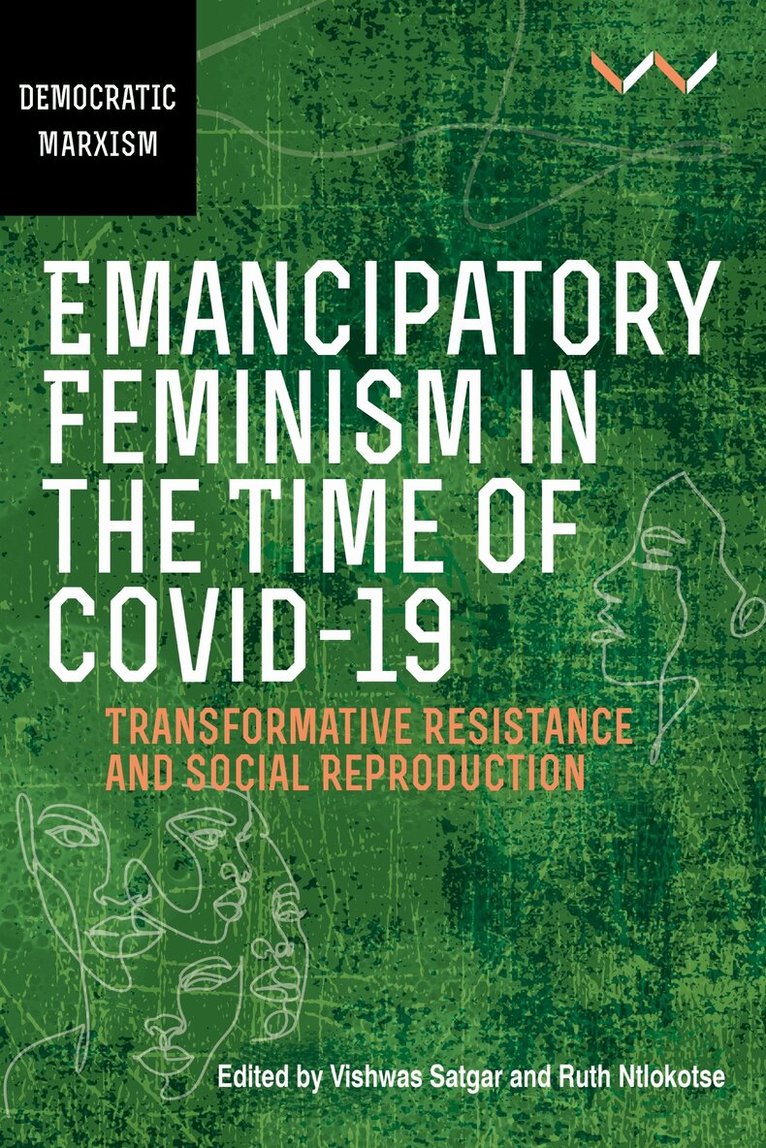
This edited volume provides an eco-socialist feminist analysis of the current social reproduction debate in South Africa, outlining existing and African alternatives to mainstream liberal feminism.
Inbunden, Engelska, 2023
1 385 kr
Skickas inom 3-6 vardagar
This edited volume provides an eco-socialist feminist analysis of the current social reproduction debate in South Africa, outlining existing and African alternatives to mainstream liberal feminism.
E-bok
PDF, Engelska, 2023386 kr
Läs direkt efter köp
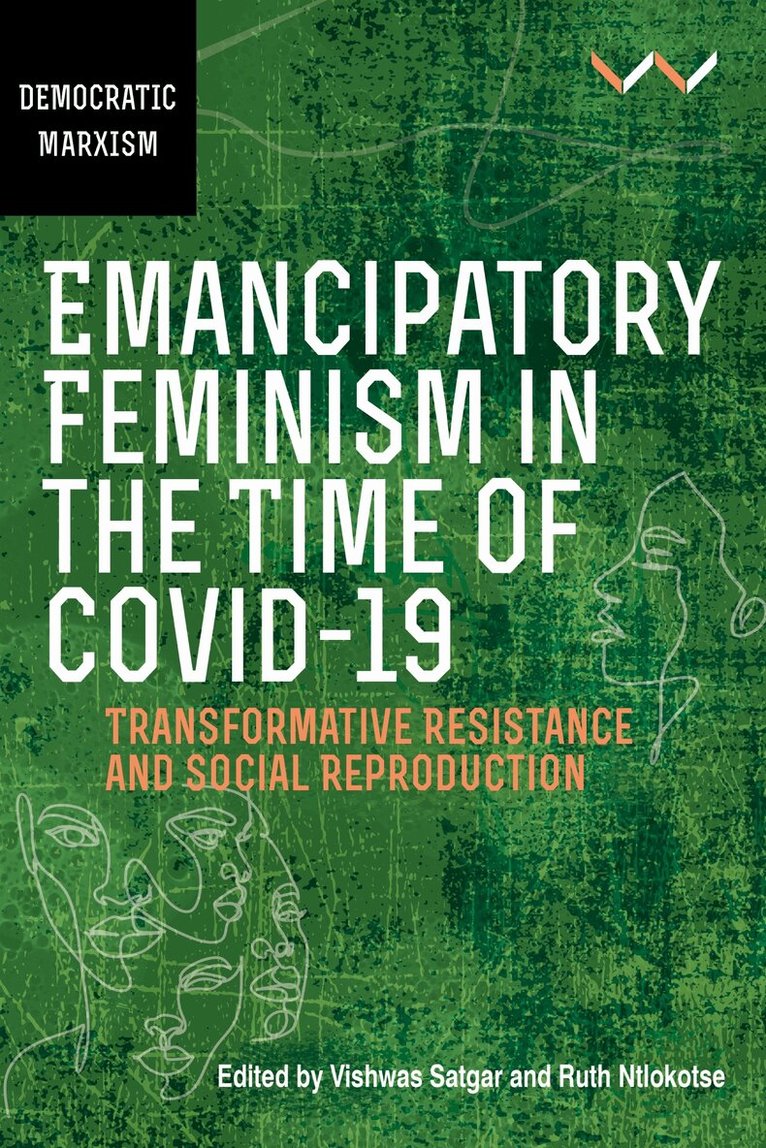
The Covid-19 pandemic threw into stark relief the multi-dimensional threats created by neoliberal capitalism. Government measures to alleviate the crisis were largely inadequate, leaving women – in particular working-class women – to carry the increased burden of care work while at the same time placing themselves in direct risk as frontline workers. Emancipatory Feminism in the Time of Covid-19, the seventh volume in the Democratic Marxism series, explores how many subaltern women – working class, peasant and indigenous – responded to challenges of increased labour precarity and additional care-work. The book critiques neoliberal feminism, which has overshadowed the experiences of feminist grassroots resistance. Instead, the academics and activists in this volume call to action a new wave feminism that is responsive to socio-ecological and economic exploitation, and the oppression of both women and the environment within the patriarchal capitalist system. Offering a diverse range of approaches to this topic, contributions range from women leading the defence of Rojava – the Kurdish region of Syria, anti-capitalist ecology and building food secure pathways in communities across Africa, championing climate justice in mining-affected communities and transforming gender divisions in mining labour practices in South Africa, to contesting macro-economic policies affecting the working conditions of nurses. These practices demonstrate a feminist understanding of the current systemic crises of capitalism and patriarchal oppression. What is offered here is a focus on subaltern women’s grassroots resistance that advances and enables solidarity-based political projects, deepens democracy, and builds capacities and alliances to advance new feminist alternatives.
E-bok
Engelska, 2023386 kr
Läs direkt efter köp
The Covid-19 pandemic threw into stark relief the multi-dimensional threats created by neoliberal capitalism. Government measures to alleviate the crisis were largely inadequate, leaving women – in particular working-class women – to carry the increased burden of care work while at the same time placing themselves in direct risk as frontline workers. Emancipatory Feminism in the Time of Covid-19, the seventh volume in the Democratic Marxism series, explores how many subaltern women – working class, peasant and indigenous – responded to challenges of increased labour precarity and additional care-work. The book critiques neoliberal feminism, which has overshadowed the experiences of feminist grassroots resistance. Instead, the academics and activists in this volume call to action a new wave feminism that is responsive to socio-ecological and economic exploitation, and the oppression of both women and the environment within the patriarchal capitalist system. Offering a diverse range of approaches to this topic, contributions range from women leading the defence of Rojava – the Kurdish region of Syria, anti-capitalist ecology and building food secure pathways in communities across Africa, championing climate justice in mining-affected communities and transforming gender divisions in mining labour practices in South Africa, to contesting macro-economic policies affecting the working conditions of nurses. These practices demonstrate a feminist understanding of the current systemic crises of capitalism and patriarchal oppression. What is offered here is a focus on subaltern women’s grassroots resistance that advances and enables solidarity-based political projects, deepens democracy, and builds capacities and alliances to advance new feminist alternatives.
Häftad, Engelska, 2025
212 kr
Skickas
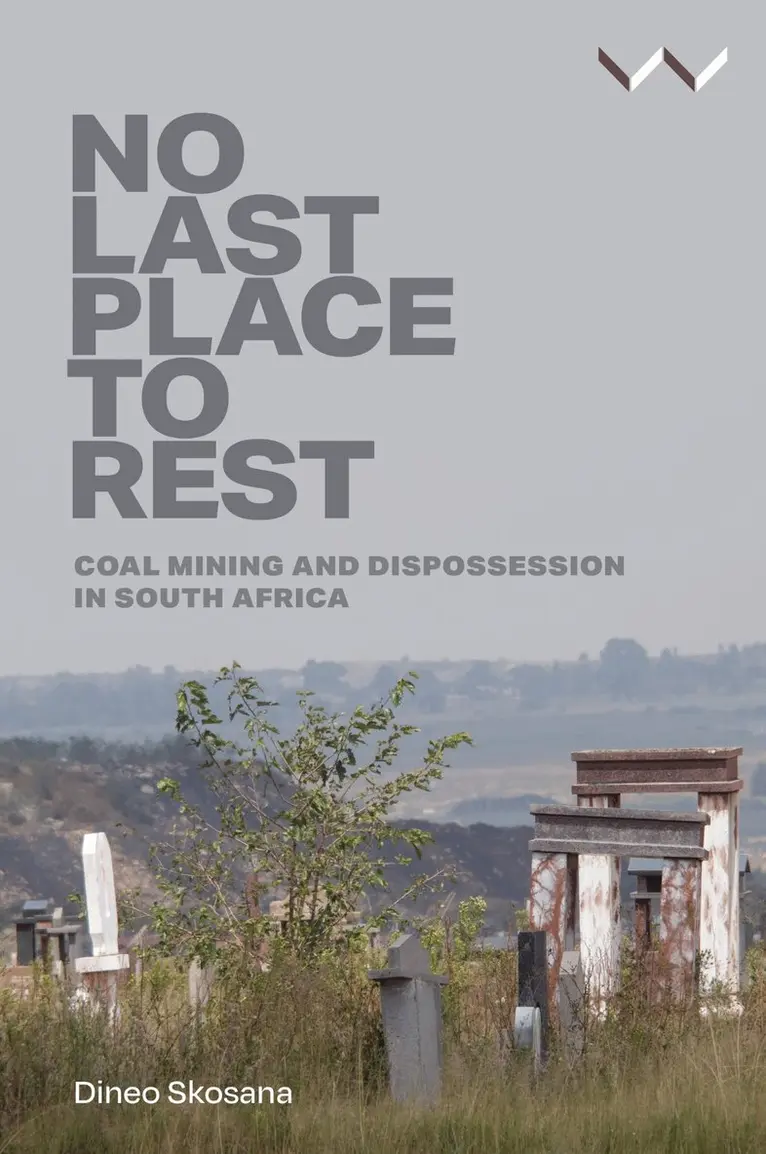
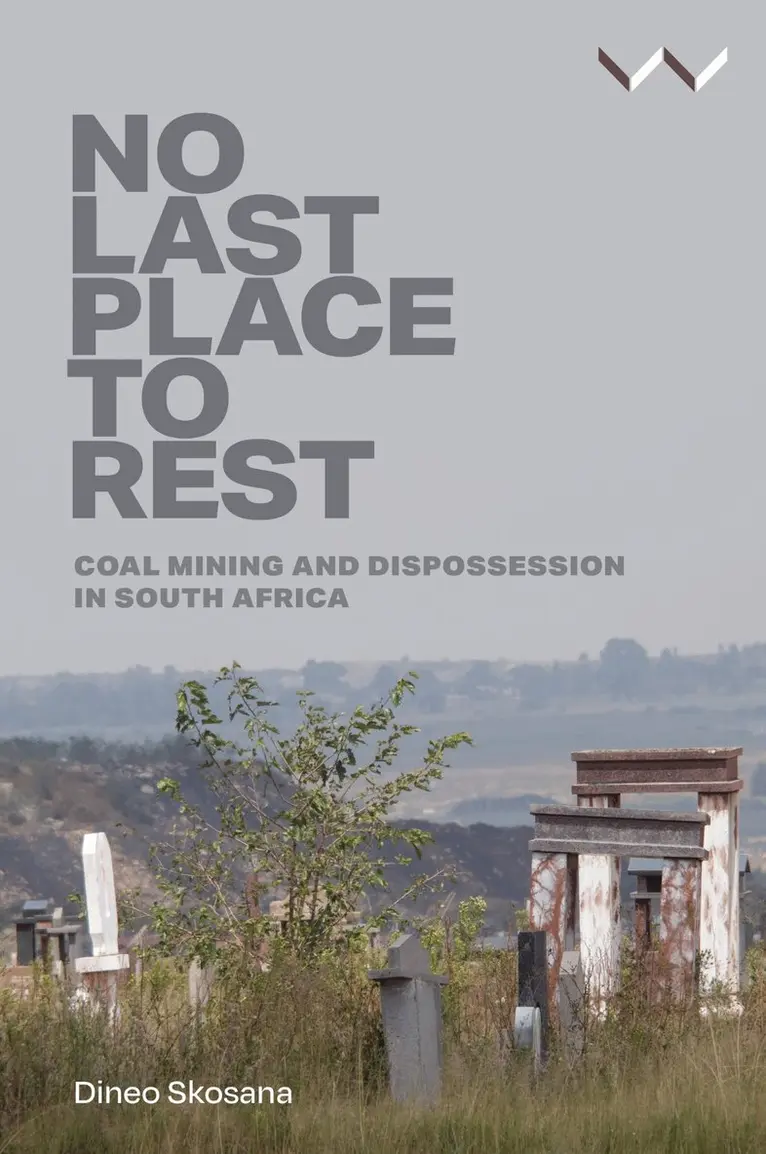
This book examines the impact of coal mining on the lives of former-labour tenant and rural communities in post-apartheid South Africa.No Last Place to Rest: Coal Mining and Dispossession in South Africa is an exploration of the ongoing struggles faced by families in the Mpumalanga and KwaZulu-Natal provinces of South Africa whose lives have been upended by the relentless expansion of coal mining operations. These regions, burdened with the task of fulfilling the nation's energy needs and boosting the country's economy, witness daily the harsh realities of dispossession that extend far beyond the mere loss of property.Dineo Skosana presents a compelling argument that dispossession remains a present-day reality and crisis, contradicting the notion that it is merely a relic of the past in the post-apartheid landscape. It challenges the narrow perspective that equates land loss in material and economic terms only. Skosana considers the impact of grave relocations—a common occurrence in these mining-dominated locales— and the profound spiritual anguish and dehumanisation communities endure as their lands are excavated. In African societies, connections to the land extend beyond the material; land has a sacred and ancestral value. Grave relocations disrupt this connection families have with their ancestors. In dispossessing not only the living but also the dead from their lands, the author argues that the act wounds the collective soul of a people, eroding their cultural heritage, and collective identity and belonging.This book offers a rich ethnographic account of the experiences, struggles and resistance of the affected communities as well as a critical analysis of the legal and policy frameworks that enable their exploitation. In relation to the 'land question' in South Africa, No Last Place to Rest presents deep insights for communities, activists and government sectors acting in support of social justice and redress.
Inbunden, Engelska, 2025
1 221 kr
Skickas inom 5-8 vardagar
This book examines the impact of coal mining on the lives of former-labour tenant and rural communities in post-apartheid South Africa.No Last Place to Rest: Coal Mining and Dispossession in South Africa is an exploration of the ongoing struggles faced by families in the Mpumalanga and KwaZulu-Natal provinces of South Africa whose lives have been upended by the relentless expansion of coal mining operations. These regions, burdened with the task of fulfilling the nation's energy needs and boosting the country's economy, witness daily the harsh realities of dispossession that extend far beyond the mere loss of property.Dineo Skosana presents a compelling argument that dispossession remains a present-day reality and crisis, contradicting the notion that it is merely a relic of the past in the post-apartheid landscape. It challenges the narrow perspective that equates land loss in material and economic terms only. Skosana considers the impact of grave relocations—a common occurrence in these mining-dominated locales— and the profound spiritual anguish and dehumanisation communities endure as their lands are excavated. In African societies, connections to the land extend beyond the material; land has a sacred and ancestral value. Grave relocations disrupt this connection families have with their ancestors. In dispossessing not only the living but also the dead from their lands, the author argues that the act wounds the collective soul of a people, eroding their cultural heritage, and collective identity and belonging.This book offers a rich ethnographic account of the experiences, struggles and resistance of the affected communities as well as a critical analysis of the legal and policy frameworks that enable their exploitation. In relation to the 'land question' in South Africa, No Last Place to Rest presents deep insights for communities, activists and government sectors acting in support of social justice and redress.
E-bok
PDF, Engelska, 2025245 kr
Läs direkt efter köp
No Last Place to Rest: Coal Mining and Dispossession in South Africa is an exploration of the ongoing struggles faced by families whose lives have been upended by the relentless expansion of coal mining operations in the Mpumalanga and KwaZulu-Natal provinces. These regions, burdened with the task of fulfilling the nation''s energy needs and boosting the country’s economy, witness daily the harsh realities of land dispossession that extend far beyond the mere loss of property. Dineo Skosana presents a compelling argument that dispossession remains a present-day reality and crisis, contradicting the notion that it is merely a relic of the past in the post-apartheid landscape. She challenges the narrow perspective that measures land loss in material and economic terms only. By considering the impact of grave relocations—a common occurrence in these mining-dominated locales — she demonstrates the profound spiritual anguish and dehumanisation communities endure as their lands are excavated and families lose their sacred connections with their ancestors. Skosana argues that the act of dispossession of both the living and the dead from their land wounds the collective soul of a people, eroding their cultural heritage, collective identity and sense of belonging. This book offers a rich ethnographic account of the experiences, struggles and resistance of the affected communities as well as a critical analysis of the legal and policy frameworks that enable their exploitation. In relation to the ‘land question’ in South Africa, No Last Place to Rest presents deep insights for communities, activists and government sectors acting in support of social justice and redress.
E-bok
Engelska, 2025384 kr
Läs direkt efter köp
No Last Place to Rest: Coal Mining and Dispossession in South Africa is an exploration of the ongoing struggles faced by families whose lives have been upended by the relentless expansion of coal mining operations in the Mpumalanga and KwaZulu-Natal provinces. These regions, burdened with the task of fulfilling the nation''s energy needs and boosting the country’s economy, witness daily the harsh realities of land dispossession that extend far beyond the mere loss of property. Dineo Skosana presents a compelling argument that dispossession remains a present-day reality and crisis, contradicting the notion that it is merely a relic of the past in the post-apartheid landscape. She challenges the narrow perspective that measures land loss in material and economic terms only. By considering the impact of grave relocations—a common occurrence in these mining-dominated locales — she demonstrates the profound spiritual anguish and dehumanisation communities endure as their lands are excavated and families lose their sacred connections with their ancestors. Skosana argues that the act of dispossession of both the living and the dead from their land wounds the collective soul of a people, eroding their cultural heritage, collective identity and sense of belonging. This book offers a rich ethnographic account of the experiences, struggles and resistance of the affected communities as well as a critical analysis of the legal and policy frameworks that enable their exploitation. In relation to the ‘land question’ in South Africa, No Last Place to Rest presents deep insights for communities, activists and government sectors acting in support of social justice and redress.