Don Feasey – författare
Visar alla böcker från författaren Don Feasey. Handla med fri frakt och snabb leverans.
5 produkter
5 produkter
E-bok
Engelska, 2017647 kr
Läs direkt efter köp
In this frank and compelling account of psychotherapy today, Feasey focuses on some of the central concepts of psychoanalytic psychotherapy, examining them with a critical and appraising eye. The book is based on 25 years of experience as a therapist and is illustrated throughout with engaging vignettes which bring a sense of drama and reality to a life in therapy.
E-bok
Engelska, 2017670 kr
Läs direkt efter köp
In this frank and compelling account of psychotherapy today, Feasey focuses on some of the central concepts of psychoanalytic psychotherapy, examining them with a critical and appraising eye. The book is based on 25 years of experience as a therapist and is illustrated throughout with engaging vignettes which bring a sense of drama and reality to a life in therapy.
Häftad, Engelska, 2005
603 kr
Skickas inom 10-15 vardagar
In this frank and compelling account of psychotherapy today, Feasey focuses on some of the central concepts of psychoanalytic psychotherapy, examining them with a critical and appraising eye. The book is based on 25 years of experience as a therapist and is illustrated throughout with engaging vignettes which bring a sense of drama and reality to a life in therapy.
Häftad, Engelska, 2000
720 kr
Skickas inom 11-20 vardagar
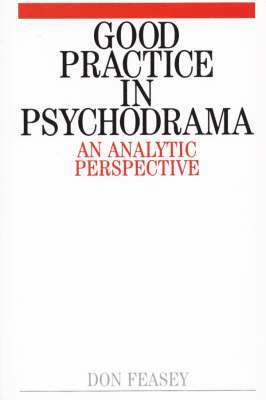
This book provides a basic introduction to therapists in practice who wish to enter the world of psychotherapeutic psychodrama. It will be useful to trainees and experienced psychodramatists alike in opening up for critical examination some of the key issues in the theory and practice of this exciting therapy.Don Feasy promotes the idea of psychodrama as an effective, safe and productive therapy which can be used to the advantage of clients both in the public and private sectors of mental health. It is unique as a publication in drawing upon some of the key insights of psychoanalysis and, without being partisan, offers this understanding to the practice of psychodrama in a therapeutic setting. Some of its propositions are challenging and new to the practice of psychodrama but its suggestions are based on years of tried and tested clinical experiemce by the author. The author writes from a background of theatre experience as an actor and director, a trainer of teachers and community workers and over twenty years? experience as a psychotherapist , dramatherapist and psychodramatist. He trained in Psychodrama with the International Foundation for Human Relations in Miami in its European based training programme. He was for some years a trainer with the British Psychodrama Association.
Häftad, Engelska, 2002
823 kr
Skickas inom 5-8 vardagar
This book places the practice of supervision firmly within the culture of psychotherapy and counselling. It suggests and demonstrates, through discussion and vignettes, the essential relational requirement of good practice in supervision. It is a practical book for working supervisors, supervisees, trainees in counselling and psychotherapy and, most importantly, for trainers devising training courses for supervisors. Supervision in therapy and counselling is taken into a broad perspective of psychological, ethical and social concerns and the author, Don Feasey, draws upon twenty years of experience as a psychotherapist, in private and public practice, to illustrate his themes. Supervision is seen and described not only as a way of learning, a way of working with a therapist or counsellor to promote the wellbeing of a client, but as a deeply held creative psychotherapeutic relationship, of mutual benefit, between supervisor and supervisee alike. The book has a wide spectrum, examining the origins and social context of supervision; it discusses the place of supervision in training, the use of psychotherapy and counselling supervision in private practice and within NHS settings, it reviews the debate about the nature of supervision as a therapeutic relationship and gives strongly felt attention to issues of ethics. It pays attention to individual and group supervision. The term therapist is used in this book to indicate a broad view of counselling and psychotherapy and its practitioners; creative therapists get special mention. It also sets out to draw together therapists and counsellors, inviting them to share similar concerns in examining the nature of supervision and its place in their professional lives. Finally Don Feasey sets out his own vision of the nature of supervision and defends its place in the therapeutic milieu, arguing that its presentation, primarily, as an educational activity should be treated with reservation. He believes that due consideration must be given to the origins of supervision in the practice of psychoanalytic psychotherapy. He advocates the 'Relational Approach' upon which he has based his own work as a supervisor for the past twenty years. The book contains number of valuable short personal accounts of supervision by experienced therapists and counsellors . These may be found at the end of the book in the chapter called Reflections.