
Dona J. Stewart – författare
2 202 kr
Skickas inom 3-6 vardagar
870 kr
Skickas inom 10-15 vardagar
1 043 kr
Läs direkt efter köp
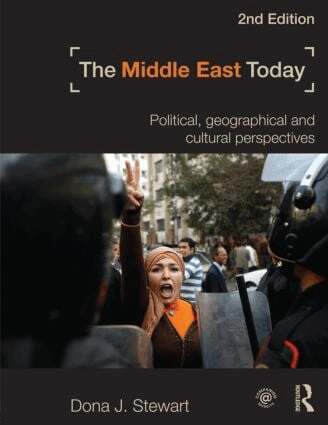
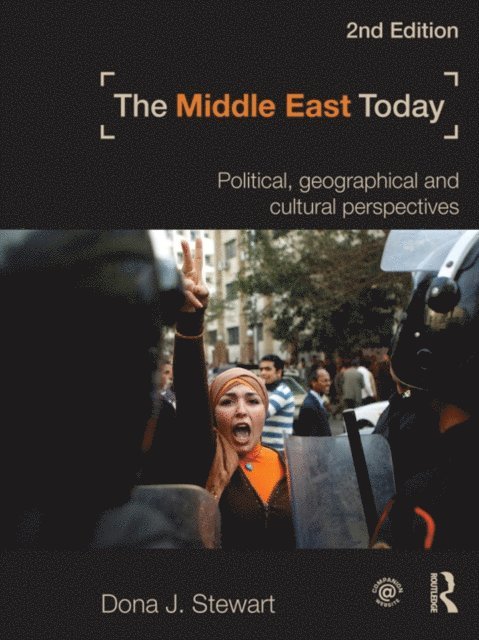
The new edition of The Middle East Today provides an accessible and comprehensive introductory textbook for undergraduate students of Middle East Studies, Middle East politics and geography. This updated and revised edition features a host of pedagogical features to assist students with their learning, including; detailed maps and images, case studies on key issues, boxed sections and suggestions for further reading.
The book highlights the current issues facing the Middle East, linking them to the rich political, geographical and cultural history of the region. The author examines the crises and conflicts, both current and potential, likely to dominate the region in coming years.
The second edition has been fully updated and revised to include discussion of such recent events as:
the effects of the Arab Spring
Turkey’s growing influence in the region
the dramatic increase in Iran’s nuclear capabilities
Usama bin Laden’s death and declining support for violent extremist movements in the Middle East.
Further supplemented by a companion website containing sample chapters, a selection of maps formatted for use in presentations, and annotated links to online resources and websites, The Middle East Today is an essential resource for all students of Middle East Studies, Middle East politics and geography.
1 043 kr
Läs direkt efter köp
The new edition of The Middle East Today provides an accessible and comprehensive introductory textbook for undergraduate students of Middle East Studies, Middle East politics and geography. This updated and revised edition features a host of pedagogical features to assist students with their learning, including; detailed maps and images, case studies on key issues, boxed sections and suggestions for further reading.
The book highlights the current issues facing the Middle East, linking them to the rich political, geographical and cultural history of the region. The author examines the crises and conflicts, both current and potential, likely to dominate the region in coming years.
The second edition has been fully updated and revised to include discussion of such recent events as:
the effects of the Arab Spring
Turkey’s growing influence in the region
the dramatic increase in Iran’s nuclear capabilities
Usama bin Laden’s death and declining support for violent extremist movements in the Middle East.
Further supplemented by a companion website containing sample chapters, a selection of maps formatted for use in presentations, and annotated links to online resources and websites, The Middle East Today is an essential resource for all students of Middle East Studies, Middle East politics and geography.
1 962 kr
Skickas inom 10-15 vardagar
468 kr
Skickas inom 10-15 vardagar
177 kr
Tillfälligt slut