Donald E. Collins – författare
Visar alla böcker från författaren Donald E. Collins. Handla med fri frakt och snabb leverans.
4 produkter
4 produkter
E-bok
PDF, Engelska, 19851 135 kr
Läs direkt efter köp
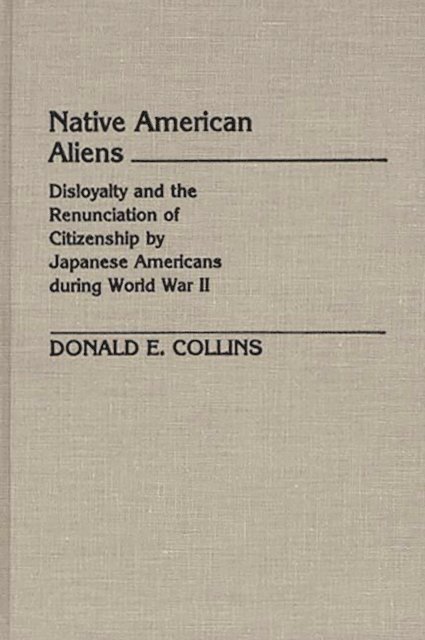
“Collins addresses a subject that has been the object of much research and controversy in the past decade: the internment of tens of thousands of Japanese-Americans during WW II. More specifically, he focuses on the mass renunciation of citizenship by these persons of Japanese ancestry. The author contends that the renunciations were based on misinformation rather than on disloyalty... The book is well written, presenting some new data rather than merely relying on existing documents. The bibiliography is comprehensive for those who may have an interest in the general subject of the treatment of Japanese-Americans during the war. Readers in the fields of American and ethnic history, diplomacy, and Asian studies will find this book of use. College, university, and public library collections.”–Choice
Inbunden, Engelska, 1985
1 082 kr
Skickas inom 10-15 vardagar
Häftad, Engelska, 1998
466 kr
Skickas inom 5-8 vardagar
Inbunden, Engelska, 2005
262 kr
Tillfälligt slut
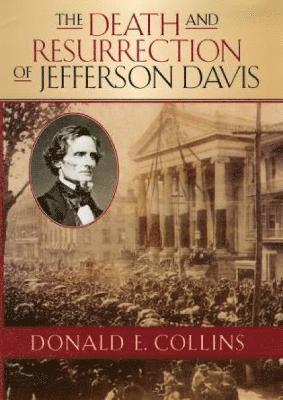
At the end of the Civil War, Jefferson Davis's life and reputation sunk to a seemingly-unredeemable low. The shackles and chains of Fort Monroe, where he awaited trial for treason, were a far cry from the successful political career and national recognition he enjoyed before the war. However, in the last years of his life and the first three years after his death, Davis's public image was resurrected to a stage of near adulation and his fellow southerners recognized him as one of the most important men of the south.In this long-awaited work, Donald E. Collins explores the rise in Davis's status and the changing image of the Civil War in the North and South following the conflict. Highlighting this conversion is the three-year competition between southern cities for the honor of becoming Davis' final resting place—culminating in a thousand-mile procession from his temporary vault in New Orleans to a second state funeral in Richmond. By recounting the public mourning and political maneuvering that accompanied Jefferson Davis's two funerals and final monument, Collins adds an essential piece to the legacy of Davis and the Civil War.