Donald J. Savoie – författare
361 kr
Läs direkt efter köp
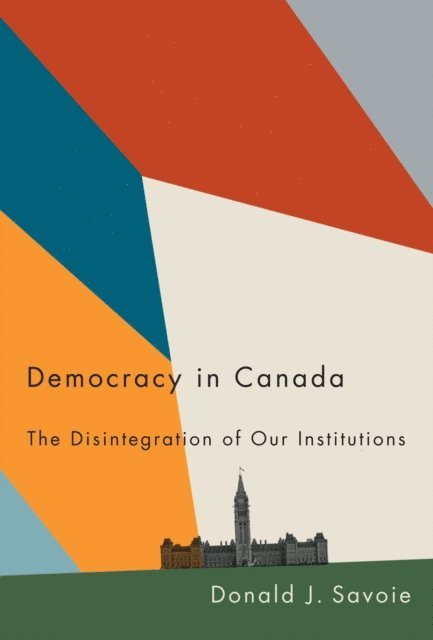
Canada''s representative democracy is confronting important challenges. At the top of the list is the growing inability of the national government to perform its most important roles: namely mapping out collective actions that resonate in all regions as well as enforcing these measures. Others include Parliament''s failure to carry out important responsibilities, an activist judiciary, incessant calls for greater transparency, the media''s rapidly changing role, and a federal government bureaucracy that has lost both its way and its standing.Arguing that Canadians must reconsider the origins of their country in order to understand why change is difficult and why they continue to embrace regional identities, Democracy in Canada explains how Canada''s national institutions were shaped by British historical experiences, and why there was little effort to bring Canadian realities into the mix. As a result, the scope and size of government and Canadian federalism have taken on new forms largely outside the Constitution. Parliament and now even Cabinet have been pushed aside so that policy makers can design and manage the modern state. This also accounts for the average citizen''s belief that national institutions cater to economic elites, to these institutions'' own members, and to interest groups at citizens'' own expense.A masterwork analysis, Democracy in Canada investigates the forces shaping the workings of Canadian federalism and the country''s national political and bureaucratic institutions.
364 kr
Läs direkt efter köp
Canada''s representative democracy is confronting important challenges. At the top of the list is the growing inability of the national government to perform its most important roles: namely mapping out collective actions that resonate in all regions as well as enforcing these measures. Others include Parliament''s failure to carry out important responsibilities, an activist judiciary, incessant calls for greater transparency, the media''s rapidly changing role, and a federal government bureaucracy that has lost both its way and its standing.Arguing that Canadians must reconsider the origins of their country in order to understand why change is difficult and why they continue to embrace regional identities, Democracy in Canada explains how Canada''s national institutions were shaped by British historical experiences, and why there was little effort to bring Canadian realities into the mix. As a result, the scope and size of government and Canadian federalism have taken on new forms largely outside the Constitution. Parliament and now even Cabinet have been pushed aside so that policy makers can design and manage the modern state. This also accounts for the average citizen''s belief that national institutions cater to economic elites, to these institutions'' own members, and to interest groups at citizens'' own expense.A masterwork analysis, Democracy in Canada investigates the forces shaping the workings of Canadian federalism and the country''s national political and bureaucratic institutions.
374 kr
Läs direkt efter köp
374 kr
Läs direkt efter köp
365 kr
Skickas
423 kr
Skickas inom 5-8 vardagar
348 kr
Läs direkt efter köp
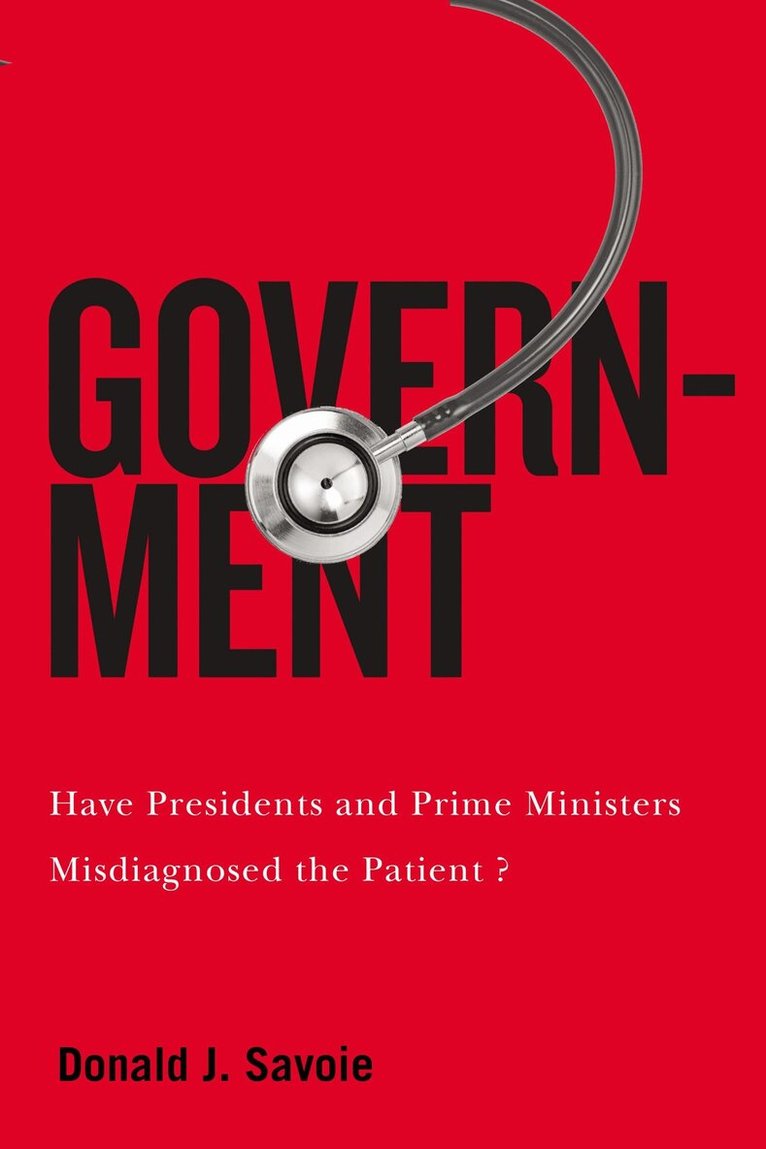
Citizens have lost trust in their institutions of public governance. In trying to fix the problem, presidents and prime ministers have misdiagnosed the patient, failing to recognize that government bureaucracies are inseparable from political institutions. As a result, career officials have become adroit at managing the blame game but much less so at embracing change.Donald Savoie looks to the United States, Great Britain, France, and Canada to assess two of the most important challenges confronting governments throughout the Western world: the concentration of political power and the changing role of government bureaucracy. The four countries have distinct institutions shaped by distinct histories, but what they have in common is a professional non-partisan civil service. When presidents and prime ministers decide to expand their personal authority, national institutions must adjust while bureaucracies grow to fill the gap, paradoxically further constricting government efficacy. The side effects are universal – political power is increasingly centralized; Parliament, Congress, and the National Assembly have been weakened; Cabinet has lost standing; political parties have been debased; and civil services have been knocked off their moorings.Reduced responsibility and increased transparency make civil servants slow to take risks and politicians quick to point fingers. Government astutely diagnoses the problem of declining trust in government: presidents and prime ministers have failed to see that efficacy in government is tied to well-performing institutions.
348 kr
Läs direkt efter köp
Citizens have lost trust in their institutions of public governance. In trying to fix the problem, presidents and prime ministers have misdiagnosed the patient, failing to recognize that government bureaucracies are inseparable from political institutions. As a result, career officials have become adroit at managing the blame game but much less so at embracing change.Donald Savoie looks to the United States, Great Britain, France, and Canada to assess two of the most important challenges confronting governments throughout the Western world: the concentration of political power and the changing role of government bureaucracy. The four countries have distinct institutions shaped by distinct histories, but what they have in common is a professional non-partisan civil service. When presidents and prime ministers decide to expand their personal authority, national institutions must adjust while bureaucracies grow to fill the gap, paradoxically further constricting government efficacy. The side effects are universal – political power is increasingly centralized; Parliament, Congress, and the National Assembly have been weakened; Cabinet has lost standing; political parties have been debased; and civil services have been knocked off their moorings.Reduced responsibility and increased transparency make civil servants slow to take risks and politicians quick to point fingers. Government astutely diagnoses the problem of declining trust in government: presidents and prime ministers have failed to see that efficacy in government is tied to well-performing institutions.
423 kr
Skickas inom 5-8 vardagar
423 kr
Skickas inom 5-8 vardagar
428 kr
Läs direkt efter köp
Canada’s political structure runs contrary to North America’s economic geography and the north-south economic pull. Canada imported political and administrative institutions designed for a unitary state, and its political leaders have struggled to make them work since the country was founded. Because of this, many Canadians, their communities, and their regions view themselves as victims, to a greater degree than groups in other Western democracies do. Our federal government has shown a greater willingness to apologize for historical wrongs than other Western countries. Canada also outperforms other nations in helping victims make the transition to full participants in the country’s political and economic life. Donald Savoie maintains that Canada continues to thrive despite the many shortcomings in its national political institutions and the tendency of Canadians to see themselves as victims, and that our history and these shortcomings have taught us the art of compromise. Canada’s constitution and its political institutions amplify rather than attenuate victimization; however, they have also enabled Canadians to manage the issue better than other countries. Canadians also recognize that the alternative to Canada is worse, and this more than anything else continues to strengthen national unity. Drawing on his extensive experience in academe and as an advisor to governments, Savoie provides new insights into how Canada works for Canadians.
428 kr
Läs direkt efter köp
Canada’s political structure runs contrary to North America’s economic geography and the north-south economic pull. Canada imported political and administrative institutions designed for a unitary state, and its political leaders have struggled to make them work since the country was founded. Because of this, many Canadians, their communities, and their regions view themselves as victims, to a greater degree than groups in other Western democracies do. Our federal government has shown a greater willingness to apologize for historical wrongs than other Western countries. Canada also outperforms other nations in helping victims make the transition to full participants in the country’s political and economic life. Donald Savoie maintains that Canada continues to thrive despite the many shortcomings in its national political institutions and the tendency of Canadians to see themselves as victims, and that our history and these shortcomings have taught us the art of compromise. Canada’s constitution and its political institutions amplify rather than attenuate victimization; however, they have also enabled Canadians to manage the issue better than other countries. Canadians also recognize that the alternative to Canada is worse, and this more than anything else continues to strengthen national unity. Drawing on his extensive experience in academe and as an advisor to governments, Savoie provides new insights into how Canada works for Canadians.
428 kr
Läs direkt efter köp
La structure politique du Canada va à l’encontre de la géographie économique de l’Amérique du Nord et de l’attraction économique entre le nord et le sud. Le Canada a importé des institutions politico-administratives conçues pour un État unitaire et, depuis la fondation du pays, ses leaders politiques se sont démenés pour qu’elles fonctionnent. Pour cette raison, plusieurs Canadien.ne.s, leurs communautés et leurs régions se perçoivent comme des victimes, et ce, à un degré plus élevé que chez d’autres groupes dans des démocraties occidentales.
Notre gouvernement fédéral a démontré un plus grand empressement à s’excuser pour des injustices que les autres pays occidentaux. Le Canada est également plus performant que d’autres nations dans l’aide qu’il apporte aux victimes pour qu’elles fassent la transition les menant à participer pleinement à la vie politique et économique du pays. Donald Savoie soutient que le Canada continue à prospérer malgré les nombreux défauts de ses institutions politiques nationales et le penchant qu’ont les Canadien.ne.s à se voir comme des victimes, et que notre histoire et ces défauts nous ont appris l’art du compromis. La constitution du Canada et ses institutions politiques amplifient plus qu’elles n’atténuent la victimisation ; cependant, elles ont également permis aux Canadien.ne.s de mieux gérer cet enjeu que dans d’autres pays. Les Canadien.ne.s reconnaissent aussi que l’alternative au Canada est pire, et cela, plus que tout autre chose, continue à renforcer l’unité nationale.
Puisant dans sa longue expérience dans le monde universitaire et en tant que conseiller auprès des gouvernements, Savoie propose de nouvelles manières de voir comment le Canada travaille pour sa population.
432 kr
Läs direkt efter köp
La structure politique du Canada va à l’encontre de la géographie économique de l’Amérique du Nord et de l’attraction économique entre le nord et le sud. Le Canada a importé des institutions politico-administratives conçues pour un État unitaire et, depuis la fondation du pays, ses leaders politiques se sont démenés pour qu’elles fonctionnent. Pour cette raison, plusieurs Canadien.ne.s, leurs communautés et leurs régions se perçoivent comme des victimes, et ce, à un degré plus élevé que chez d’autres groupes dans des démocraties occidentales.
Notre gouvernement fédéral a démontré un plus grand empressement à s’excuser pour des injustices que les autres pays occidentaux. Le Canada est également plus performant que d’autres nations dans l’aide qu’il apporte aux victimes pour qu’elles fassent la transition les menant à participer pleinement à la vie politique et économique du pays. Donald Savoie soutient que le Canada continue à prospérer malgré les nombreux défauts de ses institutions politiques nationales et le penchant qu’ont les Canadien.ne.s à se voir comme des victimes, et que notre histoire et ces défauts nous ont appris l’art du compromis. La constitution du Canada et ses institutions politiques amplifient plus qu’elles n’atténuent la victimisation ; cependant, elles ont également permis aux Canadien.ne.s de mieux gérer cet enjeu que dans d’autres pays. Les Canadien.ne.s reconnaissent aussi que l’alternative au Canada est pire, et cela, plus que tout autre chose, continue à renforcer l’unité nationale.
Puisant dans sa longue expérience dans le monde universitaire et en tant que conseiller auprès des gouvernements, Savoie propose de nouvelles manières de voir comment le Canada travaille pour sa population.
423 kr
Skickas inom 5-8 vardagar
455 kr
Läs direkt efter köp
The federal public service plays a vital role in Canada’s development by helping to shape public policies and deliver programs and services to Canadians. Speaking Truth to Canadians about Their Public Service provides a comprehensive review of the challenges confronting the public service, how the relationship between politicians and career officials has evolved in recent years, and what motivates public servants.
Donald Savoie calls on Canadians and their politicians to consider what they want from their federal public service. Answering this question requires a fresh look at the government’s traditional accountability requirements, how policies are shaped, and how government programs and services are delivered. It also requires a review of ambitious modernization and reform measures launched over the past forty years to make the public service more accommodating to political direction and to improve program delivery. Dividing federal public servants into two groups – poets (those who write policy) and plumbers (those who deliver programs and services) – the book establishes who has the upper hand. This division sheds new light on the theories that seek to explain the attitudes and behaviours of career government officials.
Amid increasingly strong signs that the public service is in need of a reset, Speaking Truth to Canadians about Their Public Service concludes with practical recommendations to assist Canadians and their politicians in defining what they want their public service to be.
459 kr
Läs direkt efter köp
The federal public service plays a vital role in Canada’s development by helping to shape public policies and deliver programs and services to Canadians. Speaking Truth to Canadians about Their Public Service provides a comprehensive review of the challenges confronting the public service, how the relationship between politicians and career officials has evolved in recent years, and what motivates public servants.
Donald Savoie calls on Canadians and their politicians to consider what they want from their federal public service. Answering this question requires a fresh look at the government’s traditional accountability requirements, how policies are shaped, and how government programs and services are delivered. It also requires a review of ambitious modernization and reform measures launched over the past forty years to make the public service more accommodating to political direction and to improve program delivery. Dividing federal public servants into two groups – poets (those who write policy) and plumbers (those who deliver programs and services) – the book establishes who has the upper hand. This division sheds new light on the theories that seek to explain the attitudes and behaviours of career government officials.
Amid increasingly strong signs that the public service is in need of a reset, Speaking Truth to Canadians about Their Public Service concludes with practical recommendations to assist Canadians and their politicians in defining what they want their public service to be.
397 kr
Läs direkt efter köp
397 kr
Läs direkt efter köp
397 kr
Läs direkt efter köp
2 202 kr
Skickas inom 10-15 vardagar
975 kr
Läs direkt efter köp
1 005 kr
Läs direkt efter köp
975 kr
Läs direkt efter köp
975 kr
Läs direkt efter köp
975 kr
Läs direkt efter köp
326 kr
Läs direkt efter köp
326 kr
Läs direkt efter köp
308 kr
Läs direkt efter köp
308 kr
Läs direkt efter köp