Donald MacIntosh – författare
Visar alla böcker från författaren Donald MacIntosh. Handla med fri frakt och snabb leverans.
8 produkter
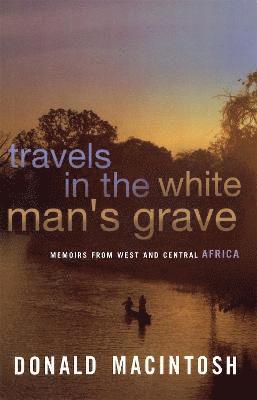
Travels In The White Man's Grave
Häftad, 2001
261 kr
Lägg i varukorg
At the beginning of the 1950s, the interior of West and Central Africa was still known to most of the outside world as the 'White Man's Grave' and consisted of vast expanses of mysterious and threatening primeval forest. When Donald MacIntosh, 23-year-old Gaelic-speaking Scottish forester, was …
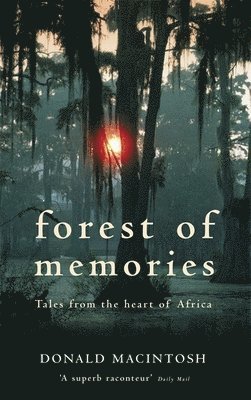
Forest Of Memories
Tales from the Heart of Africa
Häftad, 2008
266 kr
Lägg i varukorg
As a child, Donald MacIntosh's heroine was Mary Kingsley, a nineteenth century traveller who successfully took on the forbidding forests and swamps of West Africa. It was an adventure he was to follow for much of his adult life, spending thirty years as a forester in the so-called 'white man's …
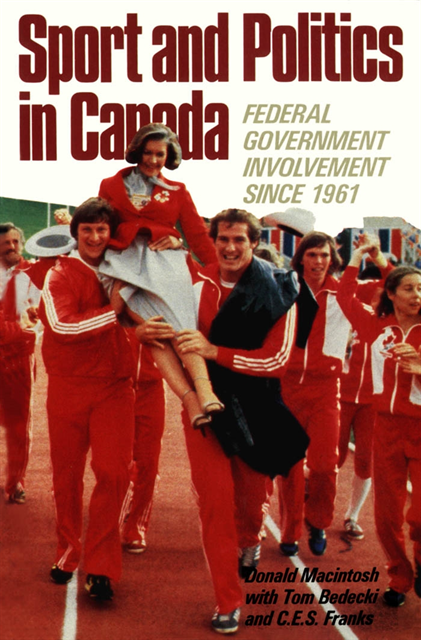
Sport and Politics in Canada
E-bok, 1987
1041 kr
Lägg i varukorg
Active Canadian government in sport is recent. Even after the passage of the Fitness and Amateur Sport Act in 1961, government activity was limited to small grants to national sport governing bodies and cost-sharing agreements with the provinces aimed at increasing participation in sport. By the …
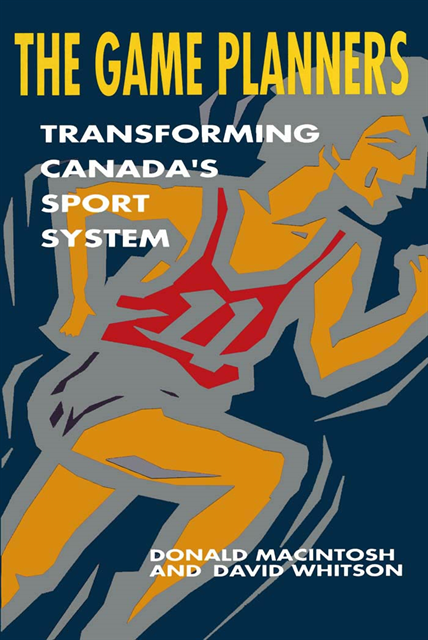
Game Planners
Transforming Canada''s Sport System
Av David Whitson, Donald Macintosh
E-bok, 1990
1008 kr
Lägg i varukorg
The Game Planners studies the policy-making process in six Canadian national sports organizations, each of which deals with a different high-profile Olympic event. The authors argue that the creation of a "high-performance" sport system in Canada is due to pressure from three areas: the Canadian …
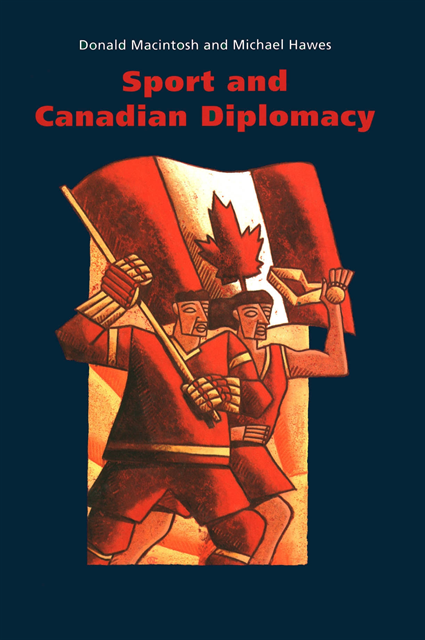
Sport and Canadian Diplomacy
Av Michael Hawes, Donald Macintosh
E-bok, 1994
1041 kr
Lägg i varukorg
The authors examine the key events of the Department''s involvement: Prime Minister Trudeau''s quarrel with the International Olympic Committee (IOC) over the conditions under which Taiwan could compete in the 1976 Montreal Olympics; the Canadian government''s successful efforts to avoid a boycott …
Sport and Politics in Canada
Federal Government Involvement Since 1961
Häftad, 1988
412 kr
Tillfälligt slut
Active Canadian government in sport is recent. Even after the passage of the Fitness and Amateur Sport Act in 1961, government activity was limited to small grants to national sport governing bodies and cost-sharing agreements with the provinces aimed at increasing participation in sport. By the …
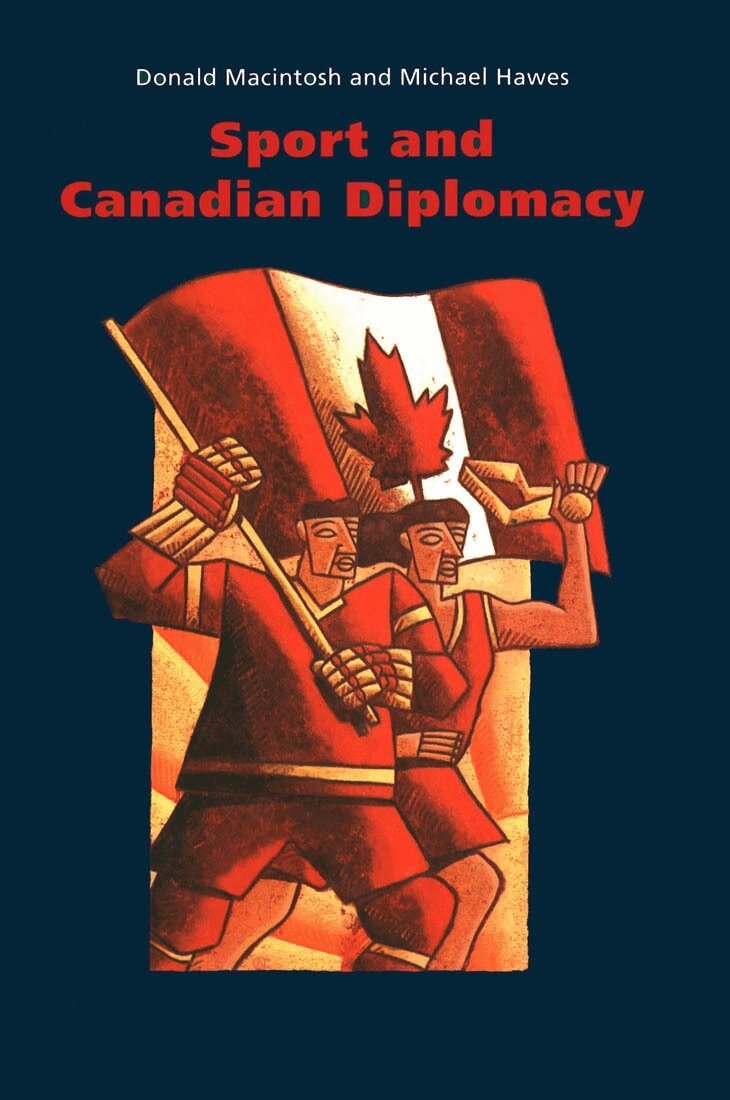
Sport and Canadian Diplomacy
Av Donald Macintosh, Michael Hawes
Inbunden, 1994
1402 kr
Tillfälligt slut
The authors examine the key events of the Department's involvement: Prime Minister Trudeau's quarrel with the International Olympic Committee (IOC) over the conditions under which Taiwan could compete in the 1976 Montreal Olympics; the Canadian government's successful efforts to avoid a boycott of …
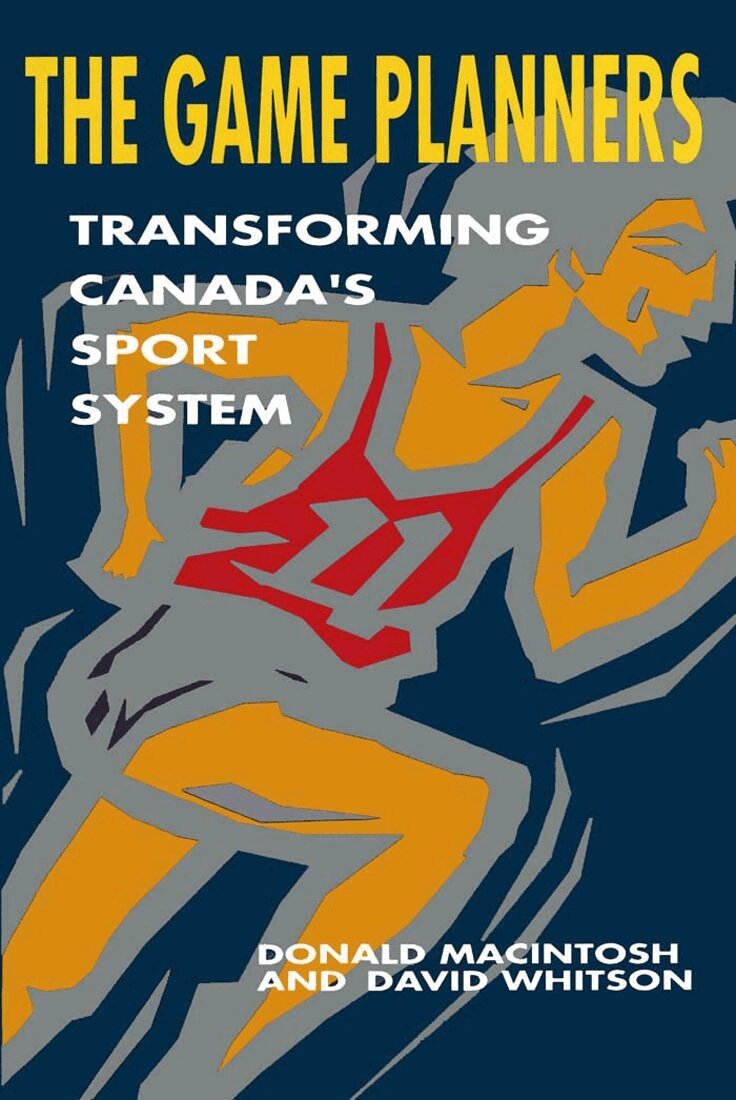
Game Planners
Transforming Canada's Sport System
Av Donald Macintosh, David Whitson
Häftad, 1994
453 kr
Tillfälligt slut
The Game Planners studies the policy-making process in six Canadian national sports organizations, each of which deals with a different high-profile Olympic event. The authors argue that the creation of a "high-performance" sport system in Canada is due to pressure from three areas: the Canadian …