
Donat-P HA¤der – författare
858 kr
Läs direkt efter köp
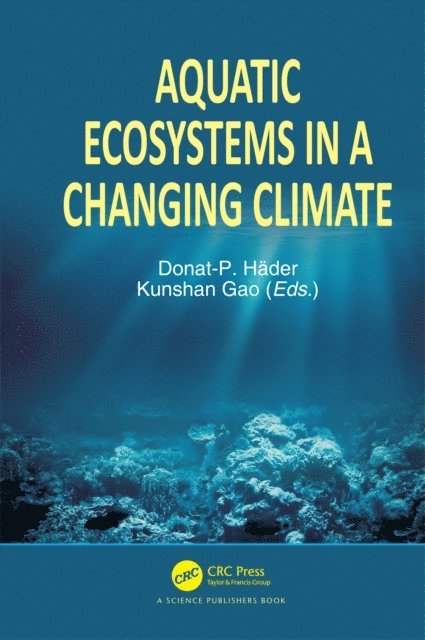
Global climate change affects productivity and species composition of freshwater and marine aquatic ecosystems by raising temperatures, ocean acidification, excessive solar UV and visible radiation. Effects on bacterioplankton and viruses, phytoplankton and macroalgae have farreaching consequences for primary consumers such as zooplankton, invertebrates and vertebrates, as well as on human consumption of fish, crustaceans and mollusks. It has affected the habitation of the Arctic and Antarctic oceans the most so far. Increasing pollution from terrestrial runoff, industrial, municipal and household wastes as well as marine transportation and plastic debris also affect aquatic ecosystems.
858 kr
Läs direkt efter köp
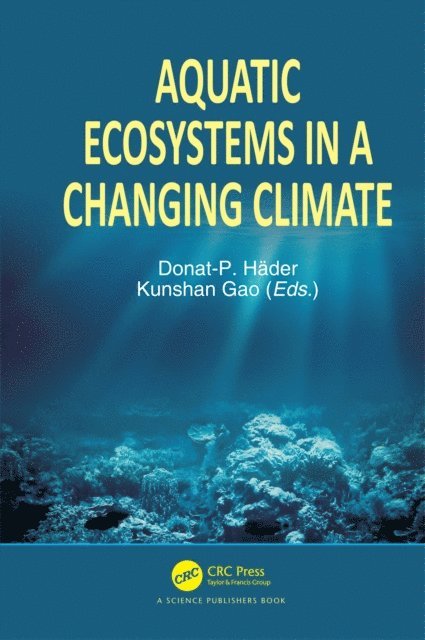
Global climate change affects productivity and species composition of freshwater and marine aquatic ecosystems by raising temperatures, ocean acidification, excessive solar UV and visible radiation. Effects on bacterioplankton and viruses, phytoplankton and macroalgae have farreaching consequences for primary consumers such as zooplankton, invertebrates and vertebrates, as well as on human consumption of fish, crustaceans and mollusks. It has affected the habitation of the Arctic and Antarctic oceans the most so far. Increasing pollution from terrestrial runoff, industrial, municipal and household wastes as well as marine transportation and plastic debris also affect aquatic ecosystems.
942 kr
Läs direkt efter köp
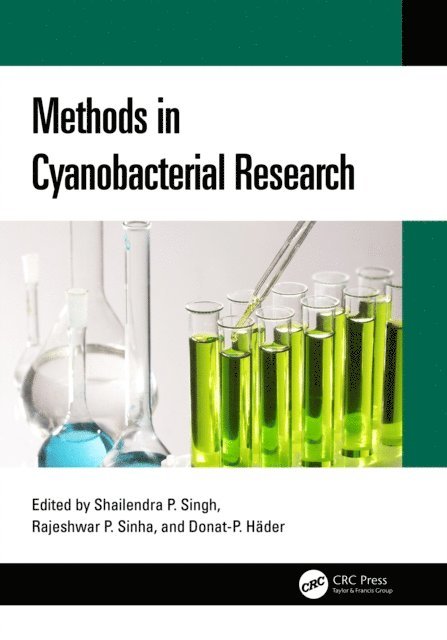
This laboratory reference compiles the essential protocols used in cyanobacterial research. Cyanobacteria is a model system for biofuel production and sequestration of carbon dioxide to tackle global climate change due to increasing levels of greenhouse gases. Topics range from identification and growth parameters to biomolecule estimation and isolation. It also covers genome analysis and bioengineering of cyanobacteria for novel products.
Key Features:
Provides step-by-step procedures and troubleshooting tips Covers identification, growth parameters and pigment estimation methodologies Describes isolation, characterization and purification of microcystin, phycobiliproteins and scytonemin from cyanobacteria Discusses genomics, proteomics and bioengineering of cyanobacteria from novel products Explains sample preparation and visualization protocol for electron microscopy-based analysis of cyanobacteriaThis collection is useful to students and researchers in life sciences. It is also meant for industry experts who are involved in the production of biofuels, biofertilizers, other value-added products, and carbon sequestration using cyanobacteria.
942 kr
Läs direkt efter köp
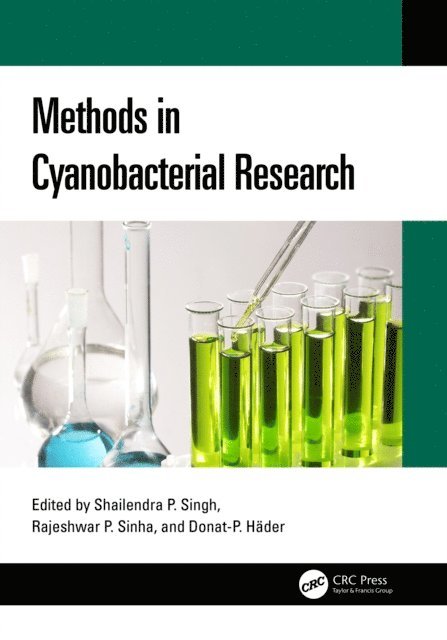
This laboratory reference compiles the essential protocols used in cyanobacterial research. Cyanobacteria is a model system for biofuel production and sequestration of carbon dioxide to tackle global climate change due to increasing levels of greenhouse gases. Topics range from identification and growth parameters to biomolecule estimation and isolation. It also covers genome analysis and bioengineering of cyanobacteria for novel products.
Key Features:
Provides step-by-step procedures and troubleshooting tips Covers identification, growth parameters and pigment estimation methodologies Describes isolation, characterization and purification of microcystin, phycobiliproteins and scytonemin from cyanobacteria Discusses genomics, proteomics and bioengineering of cyanobacteria from novel products Explains sample preparation and visualization protocol for electron microscopy-based analysis of cyanobacteriaThis collection is useful to students and researchers in life sciences. It is also meant for industry experts who are involved in the production of biofuels, biofertilizers, other value-added products, and carbon sequestration using cyanobacteria.