Donat-P Häder - Böcker
Visar alla böcker från författaren Donat-P Häder. Handla med fri frakt och snabb leverans.
7 produkter
7 produkter
698 kr
Skickas inom 10-15 vardagar
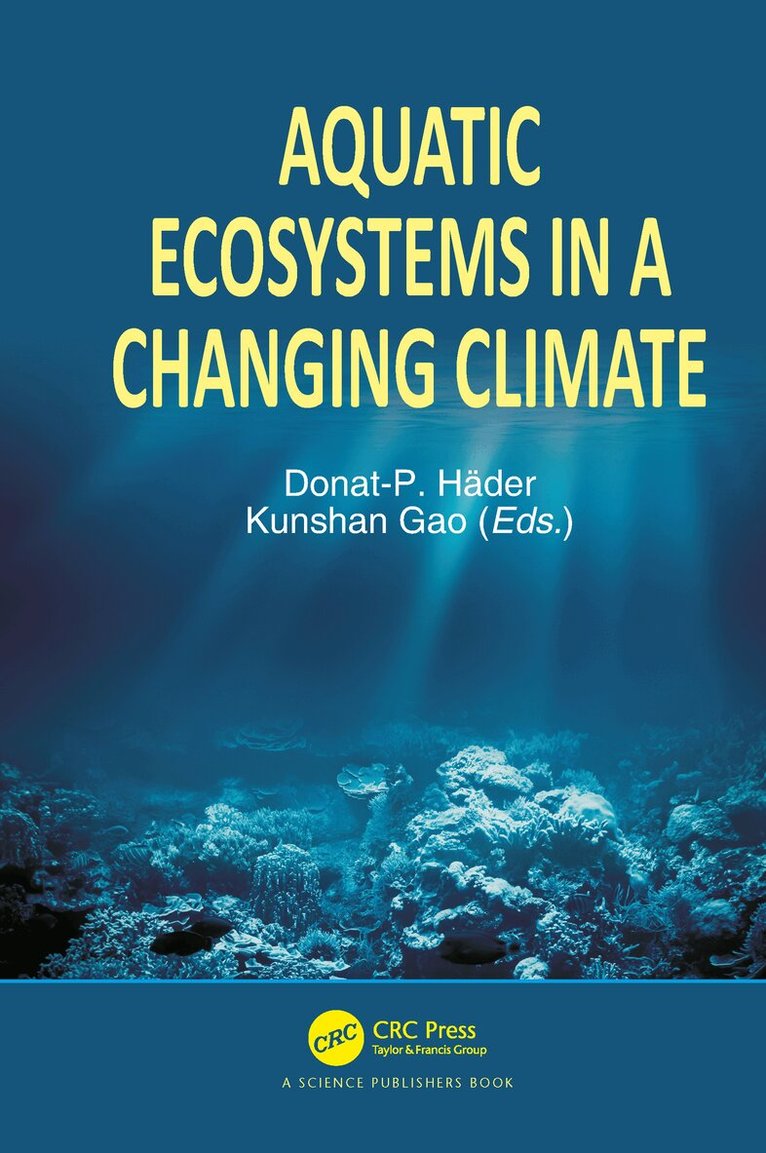
Global climate change affects productivity and species composition of freshwater and marine aquatic ecosystems by raising temperatures, ocean acidification, excessive solar UV and visible radiation. Effects on bacterioplankton and viruses, phytoplankton and macroalgae have farreaching consequences for primary consumers such as zooplankton, invertebrates and vertebrates, as well as on human consumption of fish, crustaceans and mollusks. It has affected the habitation of the Arctic and Antarctic oceans the most so far. Increasing pollution from terrestrial runoff, industrial, municipal and household wastes as well as marine transportation and plastic debris also affect aquatic ecosystems.
1 693 kr
Skickas inom 10-15 vardagar
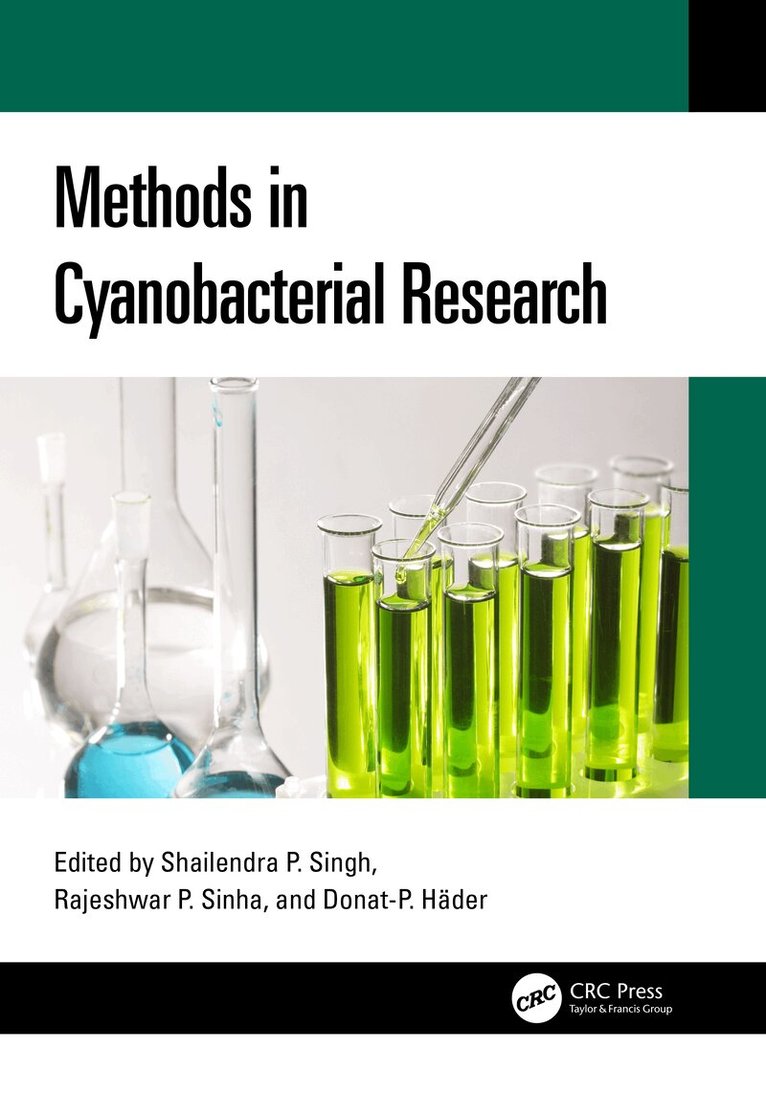
This laboratory reference compiles the essential protocols used in cyanobacterial research. Cyanobacteria is a model system for biofuel production and sequestration of carbon dioxide to tackle global climate change due to increasing levels of greenhouse gases. Topics range from identification and growth parameters to biomolecule estimation and isolation. It also covers genome analysis and bioengineering of cyanobacteria for novel products.Key Features:Provides step-by-step procedures and troubleshooting tipsCovers identification, growth parameters and pigment estimation methodologiesDescribes isolation, characterization and purification of microcystin, phycobiliproteins and scytonemin from cyanobacteriaDiscusses genomics, proteomics and bioengineering of cyanobacteria from novel productsExplains sample preparation and visualization protocol for electron microscopy-based analysis of cyanobacteriaThis collection is useful to students and researchers in life sciences. It is also meant for industry experts who are involved in the production of biofuels, biofertilizers, other value-added products, and carbon sequestration using cyanobacteria.
2 693 kr
Skickas inom 10-15 vardagar
Global climate change affects productivity and species composition of freshwater and marine aquatic ecosystems by raising temperatures, ocean acidification, excessive solar UV and visible radiation. Effects on bacterioplankton and viruses, phytoplankton and macroalgae have farreaching consequences for primary consumers such as zooplankton, invertebrates and vertebrates, as well as on human consumption of fish, crustaceans and mollusks. It has affected the habitation of the Arctic and Antarctic oceans the most so far. Increasing pollution from terrestrial runoff, industrial, municipal and household wastes as well as marine transportation and plastic debris also affect aquatic ecosystems.
1 472 kr
Skickas inom 10-15 vardagar
This book provides examples of pollutants, such as accidental oil spills and non-degradable plastic debris, which affect marine organisms of all taxa. Terrestrial runoff washes large amounts of dissolved organic materials from agriculture and industry, toxic heavy metals, pharmaceuticals, and persistent organic pollutants which end up into rivers, coastal habitats, and open waters. While this book is not intended to encyclopaedically list all kinds of pollution, it rather exemplifies the problems by concentrating on a number of serious and prominent recent developments. The chapters in this book also discuss measures to decrease and remove aquatic pollution to mitigate the stress on aquatic organisms. Aquatic ecosystems provide a wide range of ecological and economical services. In addition to providing a large share of the staple diet for a fast growing human population, oceans absorb most of the anthropogenically emitted carbon dioxide and mitigate climate change. As well as rising temperatures and ocean acidification, pollution poses increasing problems for aquatic ecosystems and organisms reducing its functioning and services which are exposed to a plethora of stress factors.
1 409 kr
Skickas inom 5-8 vardagar
535 kr
Skickas inom 10-15 vardagar
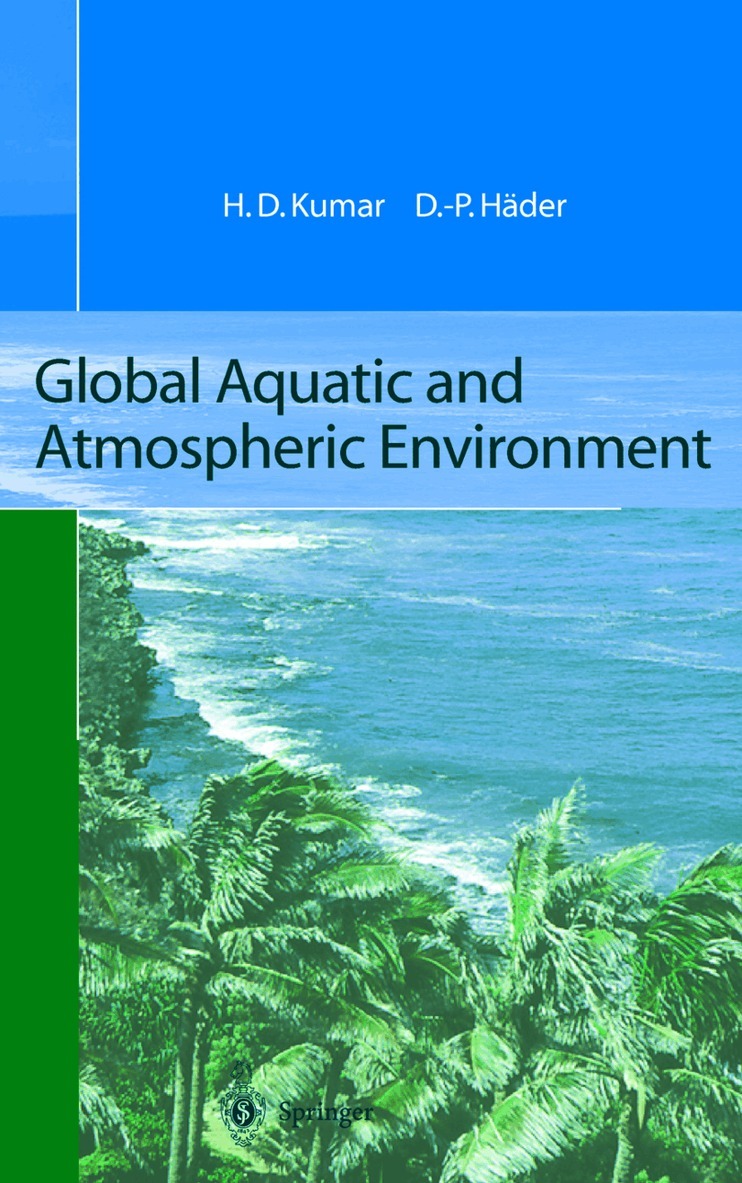
During the last few decades anthropogenic activities in the industrially advanced countries have outcompeted nature in changing the global environment. This is best illustrated for example by the polluted lakes in Scandinavia and Canada, associated with acid deposition from fossil fuel combustion. One of the major challenges mankind is confronted with in the field of energy consumption is undoubtedly to ensure sustainability - a goal that requires improved management of natural resources and a substantial reduction of the noxious emissions which are dangerous to health and the environment. The threat of global climate change due to pollutant emissions causes se rious concern to many nations, and reaching an international consensus is likely to take some time. Carbon dioxide emissions have slowed only marginally in industrialized countries during the last few years, but have increased significantly in most developing countries due to increases in energy demand and the increasing use of fossil fuels, which remain the most readily available energy sources today. Unfortunately, far from learning lessons from the negative experiences of developed countries, many developing countries are taking the same path to development which has turned out to result in serious environmental consequences.
Multi-Omics in Biomedical Sciences and Environmental Sustainability
Applications and Recent Advances
Inbunden, Engelska, 2025
1 624 kr
Skickas inom 7-10 vardagar
This book offers a comprehensive exploration of the cutting-edge multi-omics technologies that are revolutionizing research across biomedical sciences and environmental sustainability. It addresses the urgent need for interdisciplinary research by integrating multi-omics approaches with bioinformatics and artificial intelligence. The book explores evolution of traditional omics technologies into comprehensive multi-omics strategies that synergize data output through advanced computational tools. It covers diverse topics such as health and disease mechanisms, drug discovery innovations, COVID-19 responses, cancer treatment personalization, neuroscience insights into brain disorders, cyanobacterial natural compounds' potential for biofuel production, lichen symbiosis studies, and more. This volume integrates genomics, proteomics, metabolomics, and more with bioinformatics, machine learning, and artificial intelligence to address complex challenges in health and the environment. With contributions from renowned scholars worldwide, this book illuminates recent advances through illustrative figures and case studies that enhance understanding of complex pathways while bioinformatics strategies streamline research outcomes.This book is a must-read for researchers, academics, and professionals in life sciences, biomedical fields, and environmental studies, interested in advancing their knowledge of multi-omics applications. It is also beneficial for scientists involved in drug design or biotechnological innovations related to environmental sustainability.