Doris E Coates – författare
160 kr
Skickas
110 kr
Läs direkt efter köp
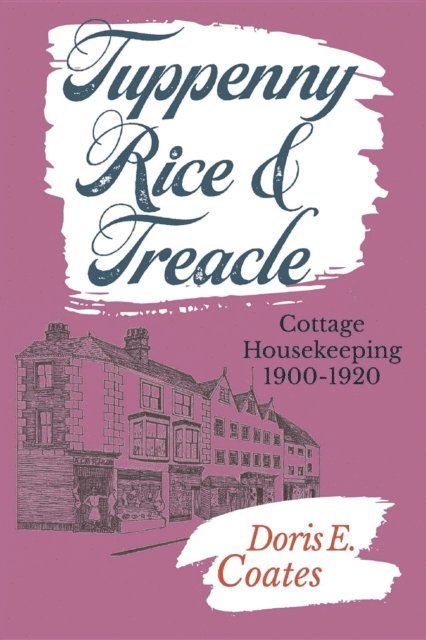
Feeding a family on a limited budget is always a challenge. Yet even with a budget as low as ten shillings (50p) a week in the early part of the twentieth century, it is remarkable how interesting and varied the menu could be.
This delightful book draws on recipes compiled by Doris’s mother in Derbyshire and mother-in-law in Cumberland, and contains detailed records of weekly expenditure.
It includes numerous recipes for nutritious and filling meals for working men and growing families, taking full advantage of what was available - hearty meat dishes, with lots of root vegetables, puddings and dumplings to fill them out, cakes and buns, sweets and jams, and beverages to go with them (some highly alcoholic!). The recipes work just as well now as then.
It is also full of household and cleaning hints and products, illustrating immense pride in the home, as well as medicines, lotions and potions that would ‘kill or cure’.
Tuppenny Rice and Treacle, which still has resonance today, is illustrated with many contemporary photographs, and line drawings by George Coates, the author’s husband. It is one of a series of social and local histories written by the author and published by The Harpsden Press.
110 kr
Läs direkt efter köp
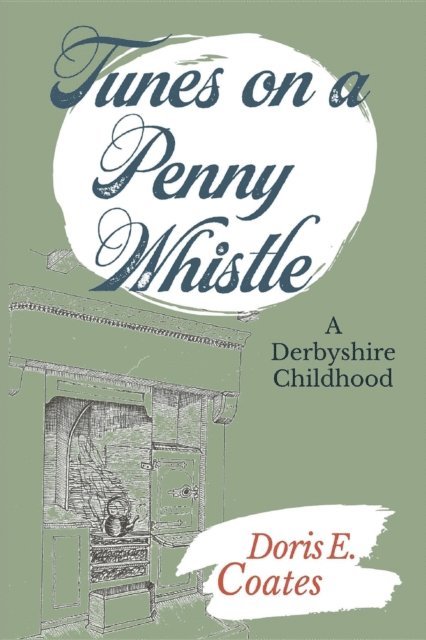
The early 1900s were a period of great hardship for many working-class families, particularly in rural areas. However, they were also times of pride and self-sufficiency, with fun and laughter derived from simple pleasures as well as mutual support and courage when poverty could have become unbearable.
This book is a personal history of a childhood in the village of Eyam – known as the Plague Village – in the Peak District of Derbyshire. Doris recalls how her mother confronted tough living conditions without labour-saving devices and often with little or no money.
She remembers, too, her father, who fought for the right for union representation, worked for self-help groups, and organised political meetings and village entertainments. He was a talented self-taught musician, producing a wide range of music on his Canadian organ and penny whistle. His fighting spirit made him a remarkable and influential character within the village community.
Both humourous and shocking, this description of domestic and community life at the beginning of the twentieth century is illustrated with many contemporary photographs, documents, and line drawings by George Coates, the author’s husband.
Tunes on a Penny Whistle is one of a series of social and local histories written by the author and published by The Harpsden Press.