Doron Taussig – författare
Visar alla böcker från författaren Doron Taussig. Handla med fri frakt och snabb leverans.
3 produkter
3 produkter
Inbunden, Engelska, 2021
293 kr
Skickas inom 5-8 vardagar
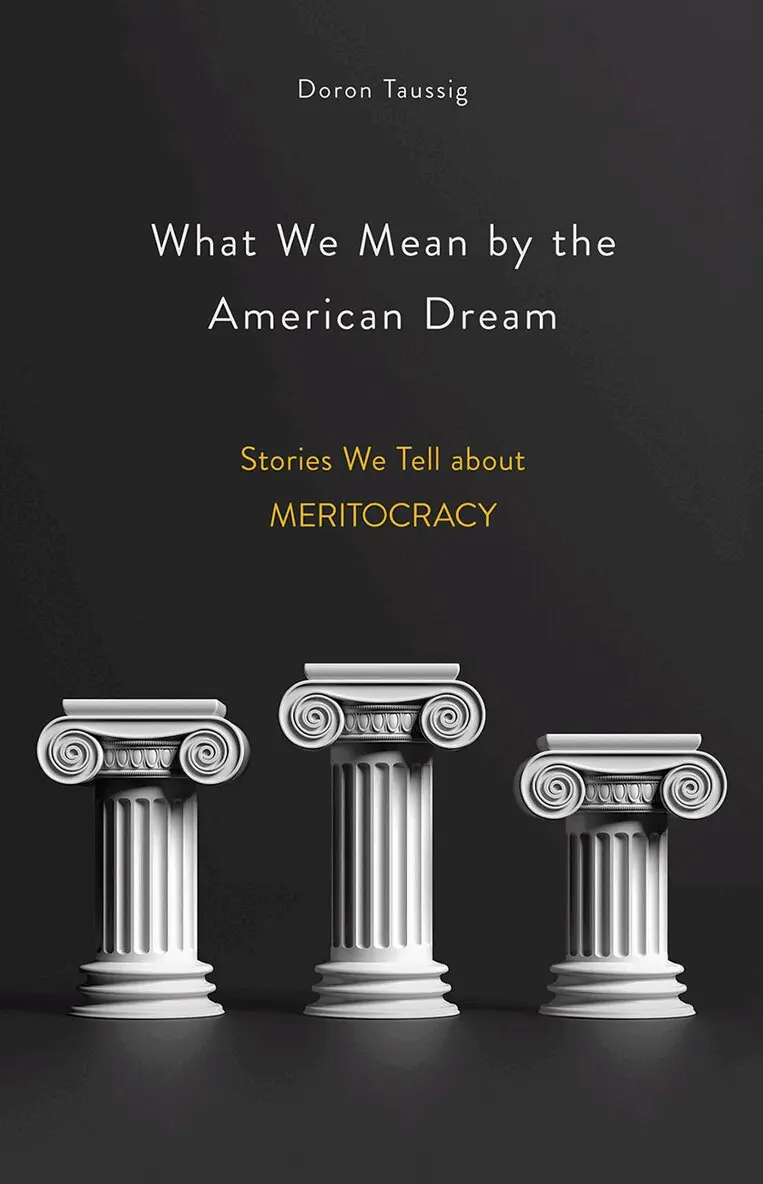
Doron Taussig invites us to question the American Dream. Did you earn what you have? Did everyone else?The American Dream is built on the idea that Americans end up roughly where we deserve to be in our working lives based on our efforts and abilities; in other words, the United States is supposed to be a meritocracy. When Americans think and talk about our lives, we grapple with this idea, asking how a person got to where he or she is and whether he or she earned it. In What We Mean by the American Dream, Taussig tries to find out how we answer those questions.Weaving together interviews with Americans from many walks of life—as well as stories told in the US media about prominent figures from politics, sports, and business—What We Mean by the American Dream investigates how we think about whether an individual deserves an opportunity, job, termination, paycheck, or fortune. Taussig looks into the fabric of American life to explore how various people, including dairy farmers, police officers, dancers, teachers, computer technicians, students, store clerks, the unemployed, homemakers, and even drug dealers got to where they are today and whether they earned it or not.Taussig's frank assessment of the state of the US workforce and its dreams allows him to truly and meaningfully ask the question that underpins so many of our political debates and personal frustrations: Did you earn it? By doing so, he sheds new light on what we mean by—and how we can deliver on—the American Dream of today.
Häftad, Engelska, 2027
345 kr
Kommande
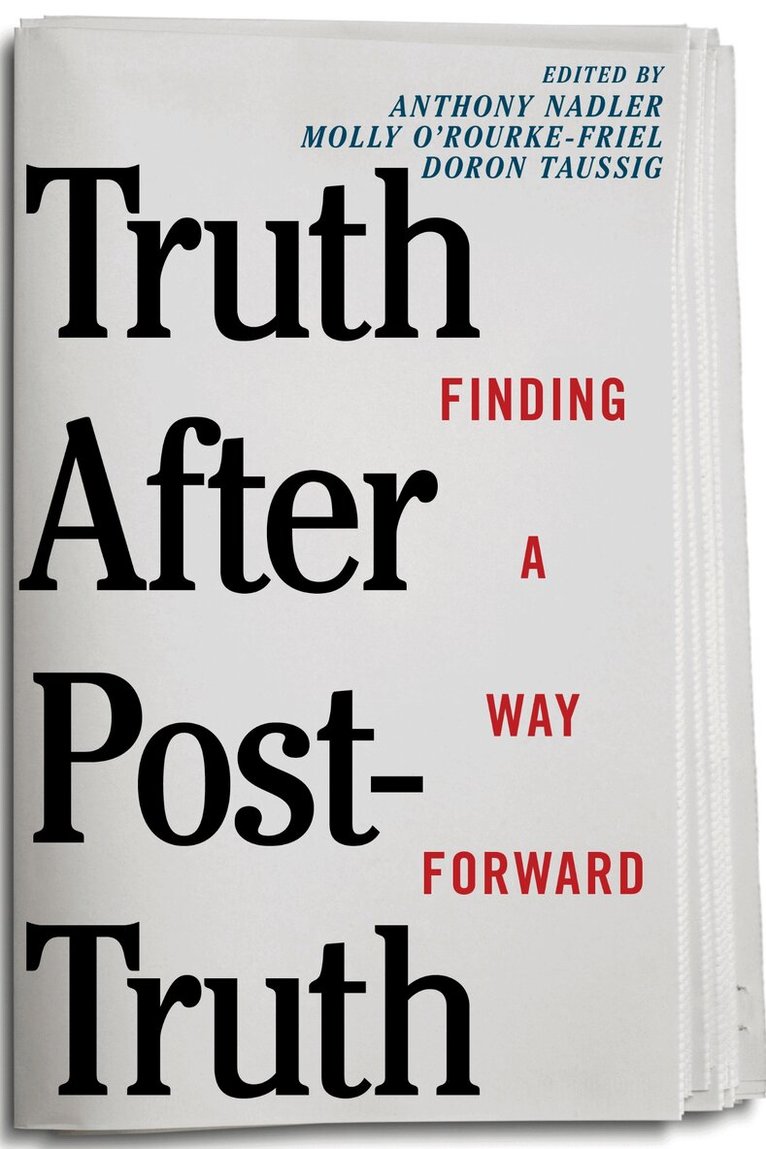
Examining truth, expertise, and authority in the contemporary United StatesIn an era defined by accusations of "fake news," declining institutional trust, and deepening political polarization, Truth After Post-Truth reframes the debate about knowledge and democracy in the United States. Rather than treating the so-called post-truth crisis as a failure of public reasoning or the product of bad-faith actors and digital misinformation, this interdisciplinary volume argues that the problem runs deeper and that solutions require renewed democratic deliberation about how public knowledge itself should be produced, evaluated, and shared.Contributors move beyond familiar diagnoses that blame either misinformed citizens or manipulative media systems. Instead, they interrogate the intellectual and political norms that underwrite claims about truth, expertise, and authority. This book challenges the assumption that restoring democracy depends on returning the public to a fixed set of knowledge practices and calls instead for open debate about which norms and institutions best serve a pluralistic society. Organized around three urgent questions—what relationship a healthy democracy should have to experts, whether a shared and cross-partisan news sphere is necessary or achievable, and whether media reform or media literacy is the more pressing priority—the essays are rigorous, provocative, and often in productive tension with one another. Together, they model the kind of critical engagement needed to rebuild a more resilient democratic information environment.Timely and forward-looking, Truth After Post-Truth will be essential reading for readers concerned with the future of democratic public life, as well as for scholars and students of media, politics, and communication.Contributors include the volume editors as well as Mark Andrejevic, Matt Carlson, Vivek Chibber, Belinha de Abreu, John Nerone, Whitney Phillips, Sue Robinson, Michael Schudson, Nik Usher, Andrea Wenzel, and Alex Worsnip.
Inbunden, Engelska, 2027
897 kr
Kommande
Examining truth, expertise, and authority in the contemporary United StatesIn an era defined by accusations of "fake news," declining institutional trust, and deepening political polarization, Truth After Post-Truth reframes the debate about knowledge and democracy in the United States. Rather than treating the so-called post-truth crisis as a failure of public reasoning or the product of bad-faith actors and digital misinformation, this interdisciplinary volume argues that the problem runs deeper and that solutions require renewed democratic deliberation about how public knowledge itself should be produced, evaluated, and shared.Contributors move beyond familiar diagnoses that blame either misinformed citizens or manipulative media systems. Instead, they interrogate the intellectual and political norms that underwrite claims about truth, expertise, and authority. This book challenges the assumption that restoring democracy depends on returning the public to a fixed set of knowledge practices and calls instead for open debate about which norms and institutions best serve a pluralistic society. Organized around three urgent questions—what relationship a healthy democracy should have to experts, whether a shared and cross-partisan news sphere is necessary or achievable, and whether media reform or media literacy is the more pressing priority—the essays are rigorous, provocative, and often in productive tension with one another. Together, they model the kind of critical engagement needed to rebuild a more resilient democratic information environment.Timely and forward-looking, Truth After Post-Truth will be essential reading for readers concerned with the future of democratic public life, as well as for scholars and students of media, politics, and communication.Contributors include the volume editors as well as Mark Andrejevic, Matt Carlson, Vivek Chibber, Belinha de Abreu, John Nerone, Whitney Phillips, Sue Robinson, Michael Schudson, Nik Usher, Andrea Wenzel, and Alex Worsnip.