

Dorota Kolodynska – författare
Visar alla böcker från författaren Dorota Kolodynska. Handla med fri frakt och snabb leverans.
3 produkter
3 produkter
E-bok
PDF, Engelska, 20262 774 kr
Läs direkt efter köp
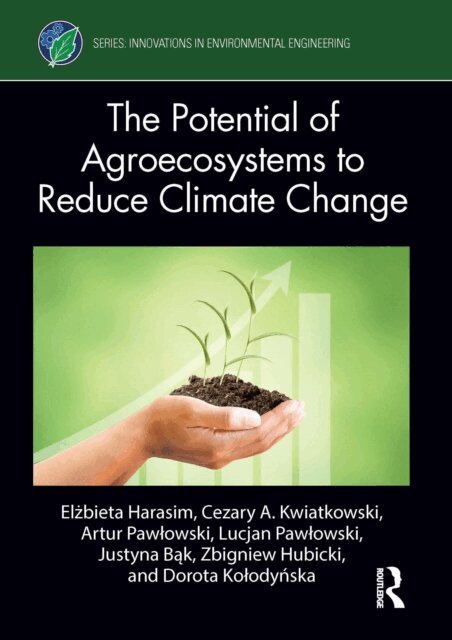
As agricultural systems bear the brunt of global population growth, the world faces an unprecedented challenge: meeting rising food demands while mitigating environmental degradation and climate change. The agricultural intensification methods pioneered since the 1960s have exacted a significant environmental toll in the form of diminishing biodiversity, reducing carbon storage capacity, depleting water resources, degrading soil quality, and increasing greenhouse gas emissions.This comprehensive monograph presents innovative solutions for transforming agroecosystems from environmental liabilities into powerful climate mitigation tools. The authors examine cutting-edge agrotechnical treatments, environmental engineering technologies, and circular economy principles that enable agricultural waste to serve as effective soil improvers and fertilizers. Particular emphasis is placed on the physicochemical properties of biochar and its critical role in carbon sequestration, offering readers both theoretical foundations and practical applications.This is a valuable resource for agricultural scientists, environmental engineers, sustainability professionals, policymakers, graduate students in environmental sciences, and anyone committed to understanding and addressing the intersection of food security and climate change.
E-bok
Engelska, 20262 774 kr
Läs direkt efter köp
As agricultural systems bear the brunt of global population growth, the world faces an unprecedented challenge: meeting rising food demands while mitigating environmental degradation and climate change. The agricultural intensification methods pioneered since the 1960s have exacted a significant environmental toll in the form of diminishing biodiversity, reducing carbon storage capacity, depleting water resources, degrading soil quality, and increasing greenhouse gas emissions.This comprehensive monograph presents innovative solutions for transforming agroecosystems from environmental liabilities into powerful climate mitigation tools. The authors examine cutting-edge agrotechnical treatments, environmental engineering technologies, and circular economy principles that enable agricultural waste to serve as effective soil improvers and fertilizers. Particular emphasis is placed on the physicochemical properties of biochar and its critical role in carbon sequestration, offering readers both theoretical foundations and practical applications.This is a valuable resource for agricultural scientists, environmental engineers, sustainability professionals, policymakers, graduate students in environmental sciences, and anyone committed to understanding and addressing the intersection of food security and climate change.
Inbunden, Engelska, 2026
2 323 kr
Skickas inom 10-15 vardagar
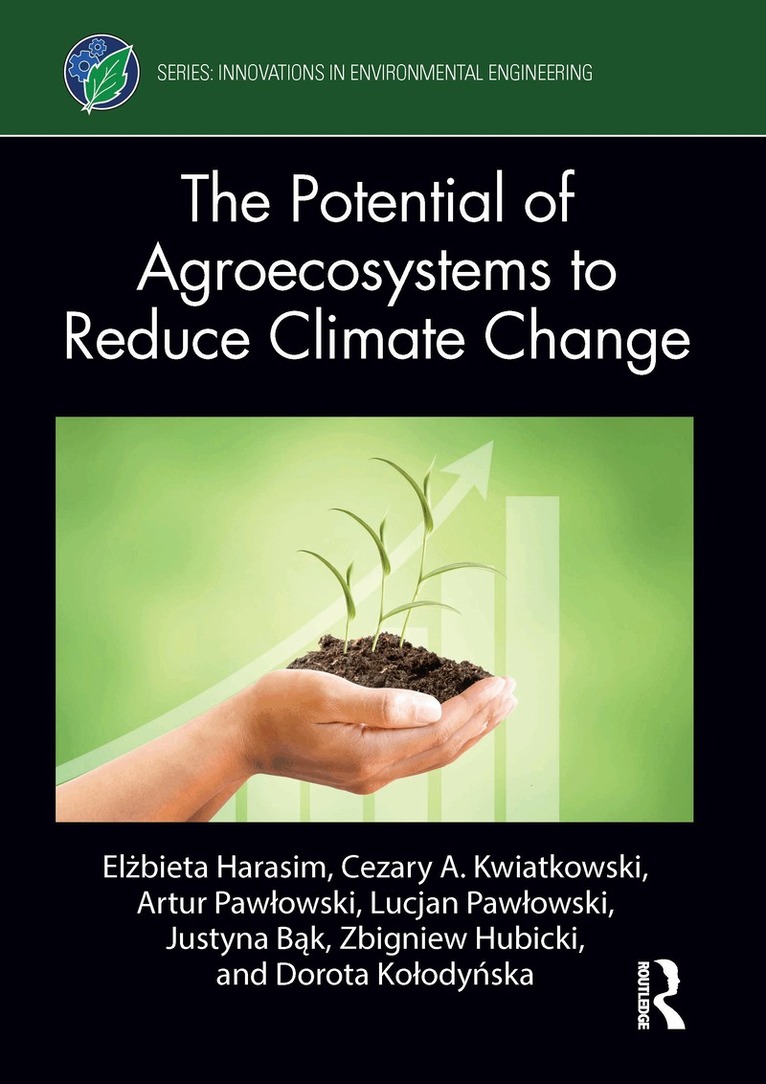
As agricultural systems bear the brunt of global population growth, the world faces an unprecedented challenge: meeting rising food demands while mitigating environmental degradation and climate change. The agricultural intensification methods pioneered since the 1960s have exacted a significant environmental toll in the form of diminishing biodiversity, reducing carbon storage capacity, depleting water resources, degrading soil quality, and increasing greenhouse gas emissions.This comprehensive monograph presents innovative solutions for transforming agroecosystems from environmental liabilities into powerful climate mitigation tools. The authors examine cutting-edge agrotechnical treatments, environmental engineering technologies, and circular economy principles that enable agricultural waste to serve as effective soil improvers and fertilizers. Particular emphasis is placed on the physicochemical properties of biochar and its critical role in carbon sequestration, offering readers both theoretical foundations and practical applications.This is a valuable resource for agricultural scientists, environmental engineers, sustainability professionals, policymakers, graduate students in environmental sciences, and anyone committed to understanding and addressing the intersection of food security and climate change.