Dorothy Rowe – författare
Visar alla böcker från författaren Dorothy Rowe. Handla med fri frakt och snabb leverans.
31 produkter
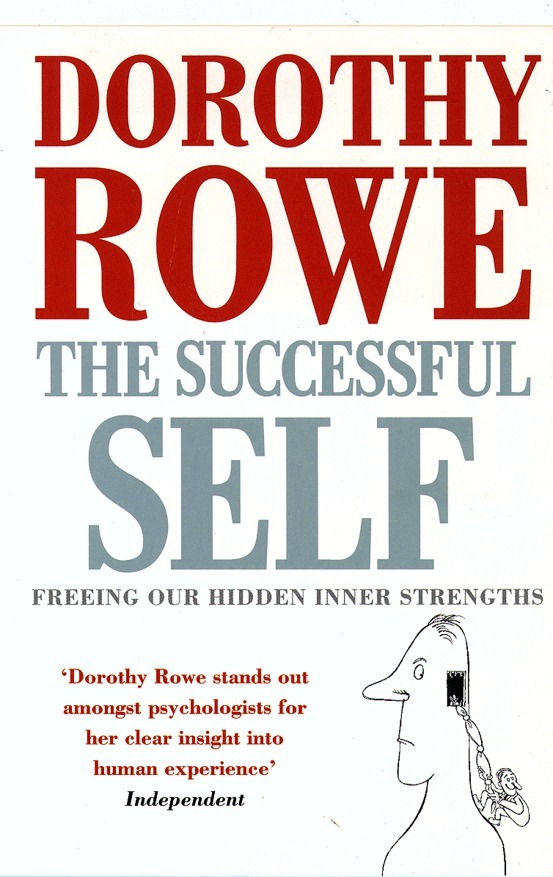
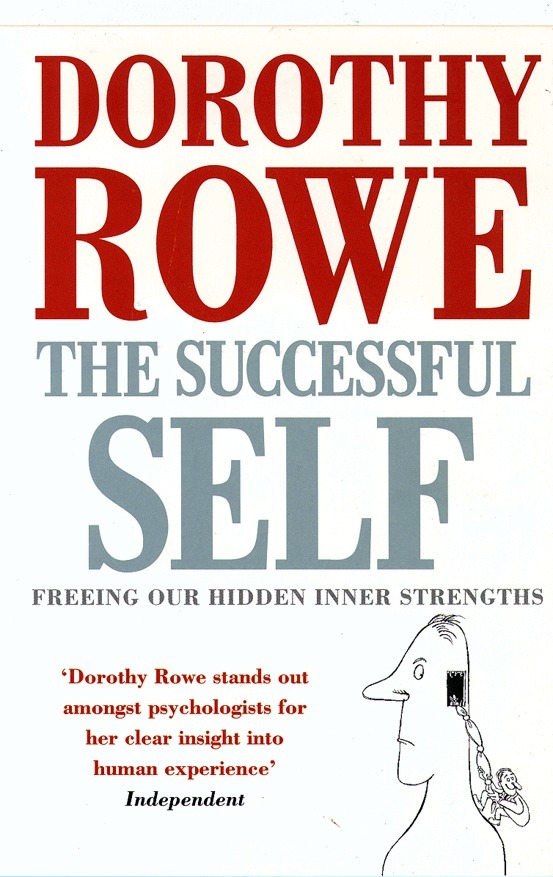
Successful Self
Av Dorothy Rowe
Häftad, 1996
161 kr
Lägg i varukorg
The author's research and therapy is concerned with questions of how we create meaning and communicate with each other. She is also author of "Depression: the Way Out of Your Prison", "Living with the Bomb: Can We Live Without Enemies?" and "Beyond Fear".
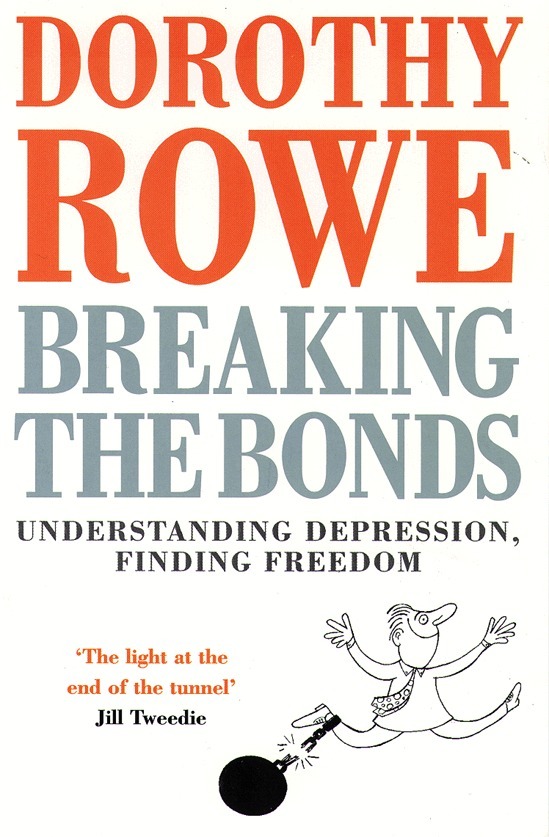
Breaking the Bonds
Av Dorothy Rowe
Häftad, 1996
201 kr
Lägg i varukorg
As well as discussing the meaning of depression, examining why it is hard to effect change, and describing the journey towards freedom from depression, the author also looks at other interpretations of depression, and at the way drugs are often wrongfully used. By the author of "Successful Self".
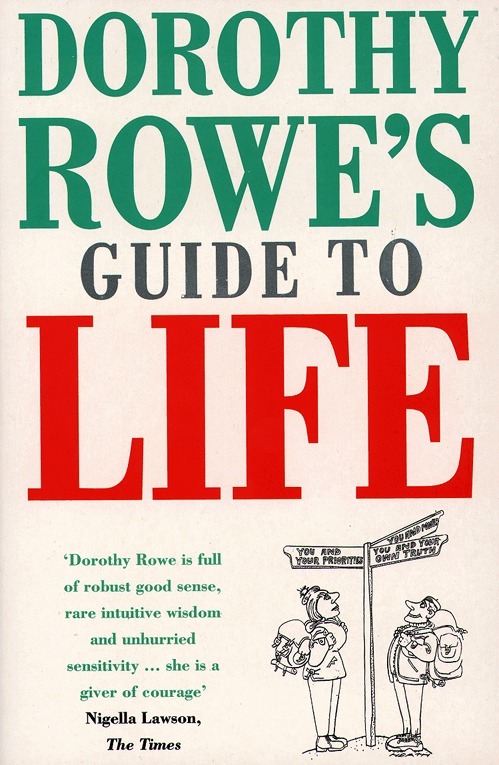
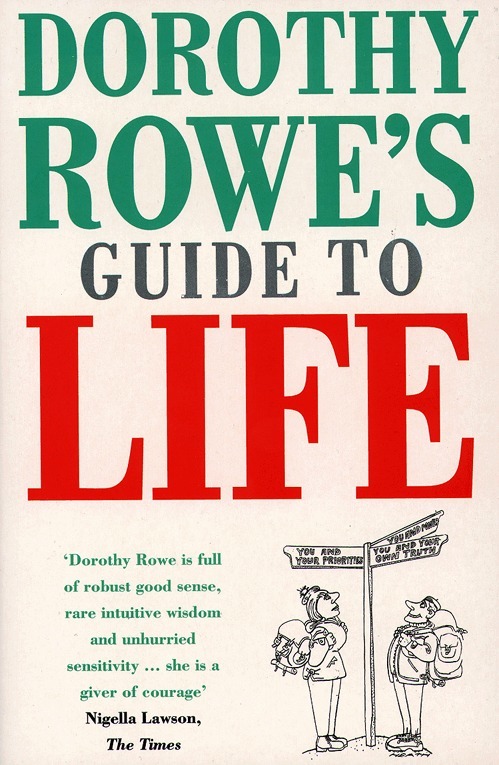
Dorothy Rowe’s Guide to Life
Av Dorothy Rowe
Häftad, 1996
161 kr
Lägg i varukorg
A superb distillation of the wisdom of one of Britain’s most admired writers on the human condition, which gives insights and comfort on some of the most difficult aspects of life-including: identity and self-esteem, fear, depression and unhappiness, coping with people, power, agreed, guilt and …
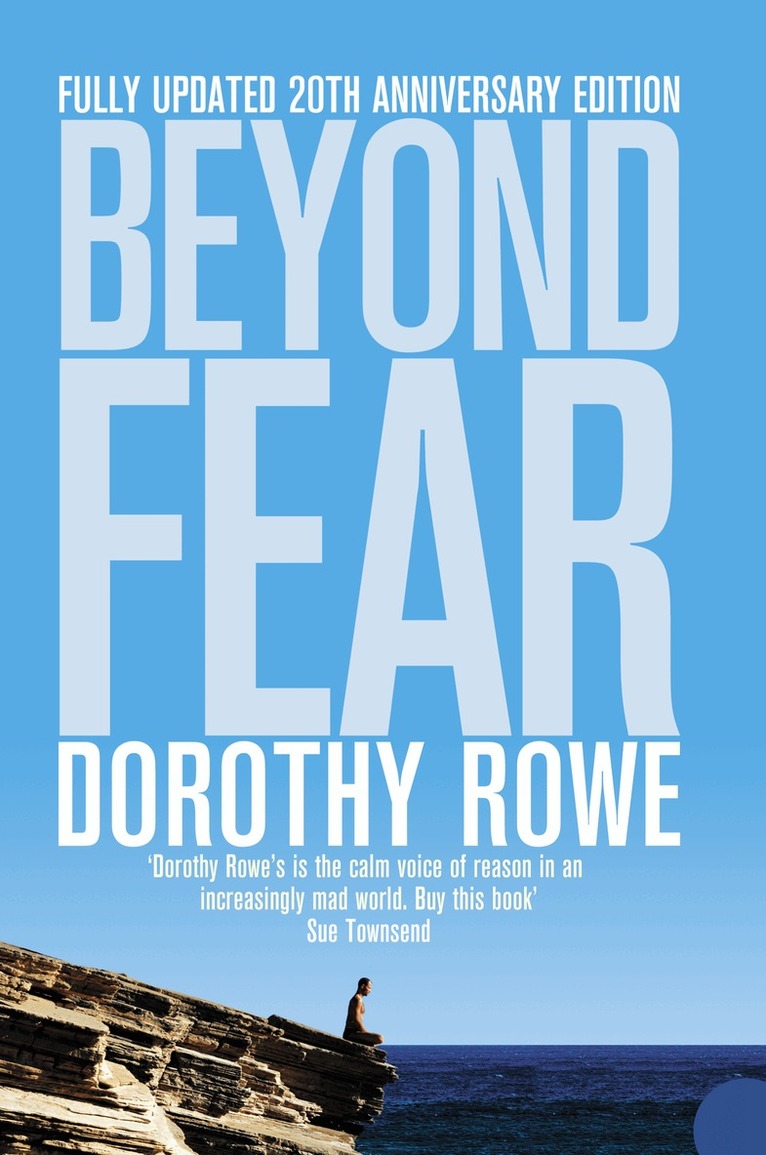
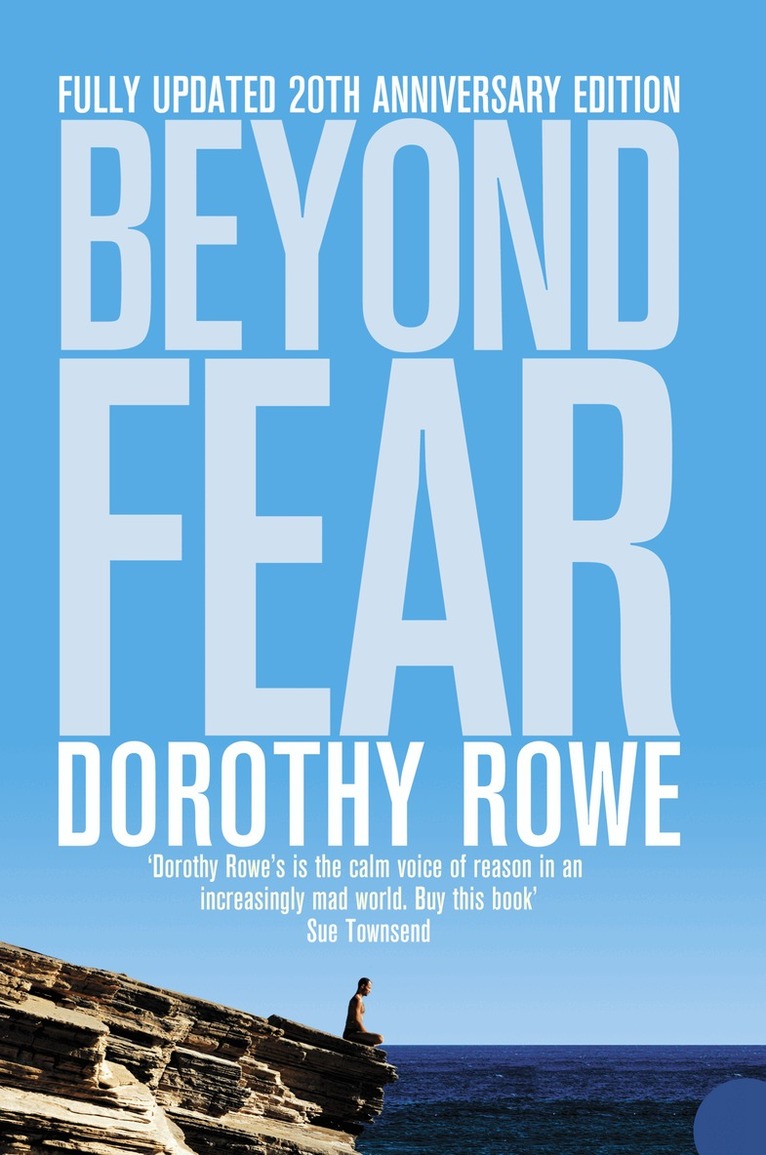
Beyond Fear
Av Dorothy Rowe
Häftad, 2007
184 kr
Lägg i varukorg
Dorothy Rowe shows us how to have the courage to acknowledge and face our fears – only through courage can we find a sustaining happiness.‘Beyond Fear’, first published in 1987, has changed the lives of thousands of people. In this edition, the renowned psychologist Dorothy Rowe examines the …
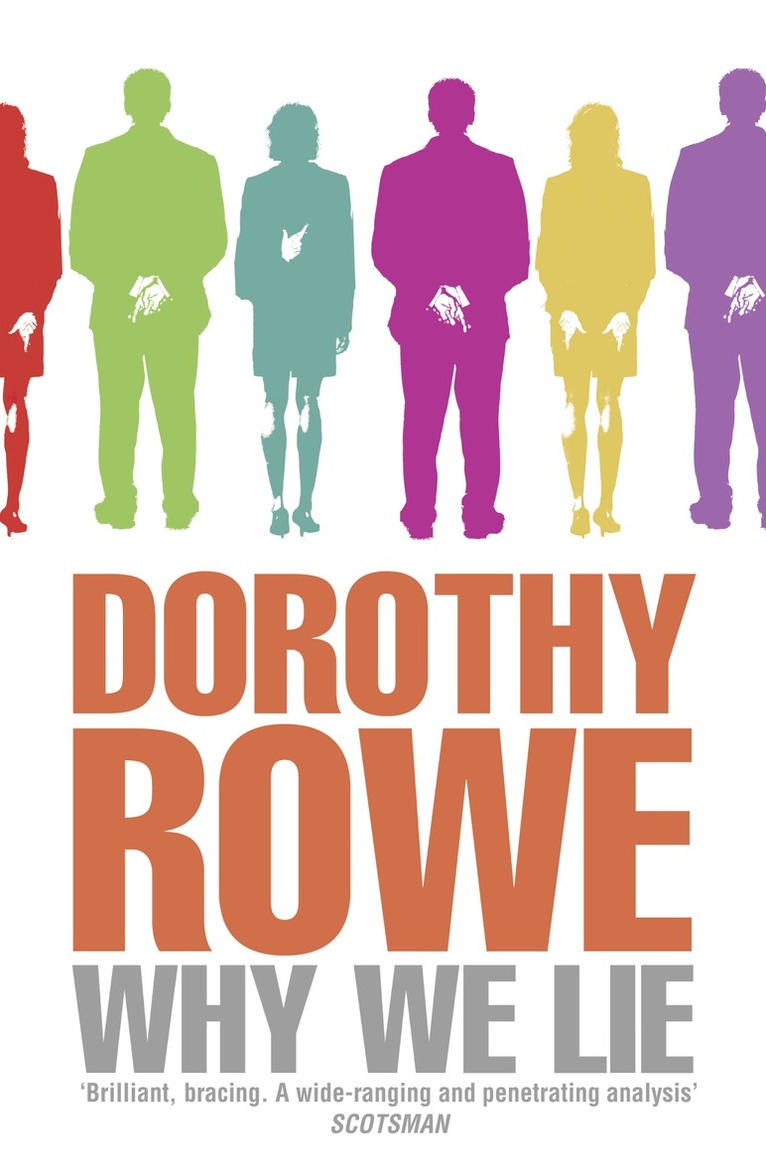
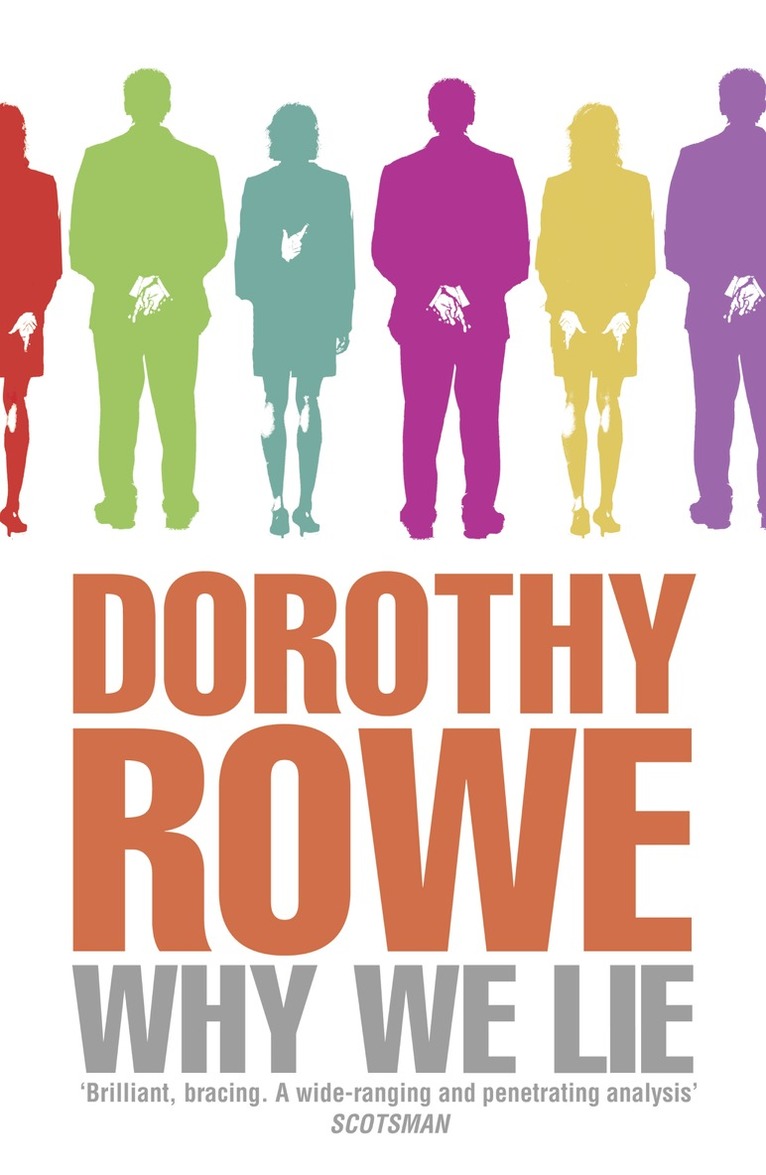
Why We Lie
The Source of Our Disasters
Av Dorothy Rowe
Häftad, 2011
147 kr
Lägg i varukorg
Why do we lie?Because we are frightened of being humiliated, being treated like an object, being rejected, losing control of things, and, most of all, we are frightened of uncertainty. Often we get our lies in before any of these things can happen. We lie to maintain our vanity. We lie when we call …
Beyond Fear
Av Dorothy Rowe
E-bok, 2011
120 kr
Lägg i varukorg
Dorothy Rowe shows us how to have the courage to acknowledge and face our fears – only through courage can we find a sustaining happiness.`Beyond Fear’, first published in 1987, has changed the lives of thousands of people. In this edition, the renowned psychologist Dorothy Rowe examines the …
Dorothy Rowe’s Guide to Life
Av Dorothy Rowe
E-bok, 2012
102 kr
Lägg i varukorg
A superb distillation of the wisdom of one of Britain’s most admired writers on the human condition.Dorothy Rowe gives insights and comfort on some of the most difficult aspects of life-including: identity and self-esteem, fear, depression and unhappiness, coping with people, power, agreed, guilt …
Successful Self
Av Dorothy Rowe
E-bok, 2012
102 kr
Lägg i varukorg
Is it possible to be truly successful as a person? Or must we, as most of us do, continue to live our lives feeling in some way trapped and oppressed, frustrated, irritable, haunted by worries and regrets, creating misery for ourselves and others?In 'The Successful Self', leading psychologist …
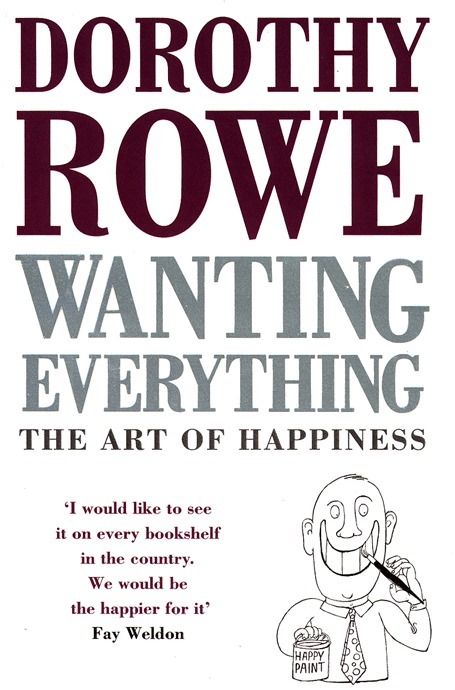
Wanting Everything
Av Dorothy Rowe
E-bok, 2012
112 kr
Lägg i varukorg
From the moment of conception we are in the business of surviving. We come into the world expecting that we can have everything and seeing no reason why we should not have it.But we learn fast, learning that we can't always get what we want. The accompanying feelings of loss, frustration, anger, …
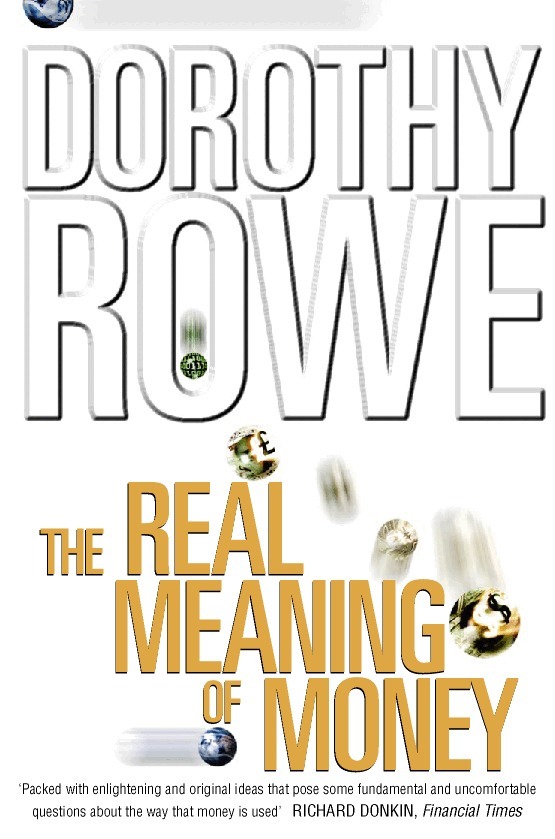
Real Meaning of Money (Text Only)
Av Dorothy Rowe
E-bok, 2012
76 kr
Lägg i varukorg
`A very important book about one of the last social taboos – with fascinating implications for us all’ Helena Kennedy, QCA groundbreaking book in which Dorothy Rowe brings her insight and wisdom to the fascinating subject of money and its place in our lives.No one escapes the power and effects of …
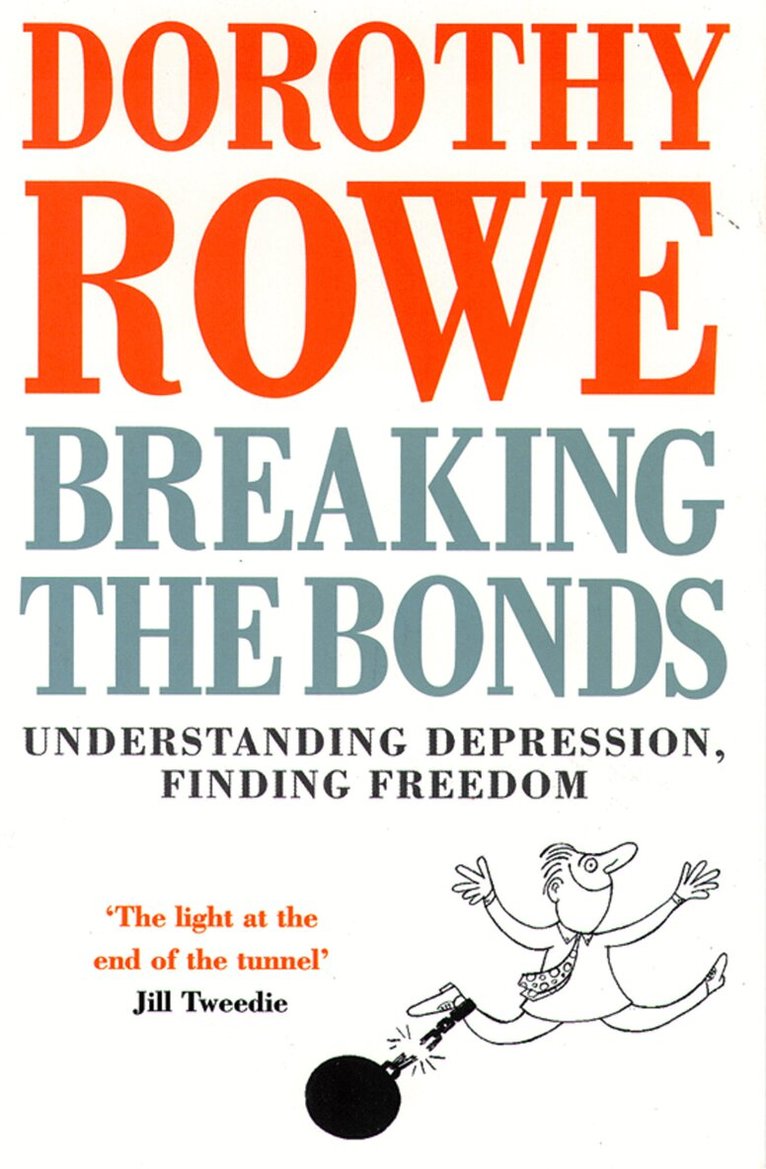
Breaking the Bonds
Av Dorothy Rowe
E-bok, 2017
133 kr
Lägg i varukorg
Depression: the imprisoning experience of isolation and fear which comes when we realise that there is a serious discrepancy between what we thought our life to be and what it actually is.From birth onwards we create our own secure worlds of meaning. Challenged seriously enough, these worlds can …
Why We Lie
The Source of Our Disasters
Av Dorothy Rowe
E-bok, 2011
96 kr
Lägg i varukorg
Why do we lie?Because we are frightened of being humiliated, being treated like an object, being rejected, losing control of things, and, most of all, we are frightened of uncertainty. Often we get our lies in before any of these things can happen. We lie to maintain our vanity. We lie when we call …
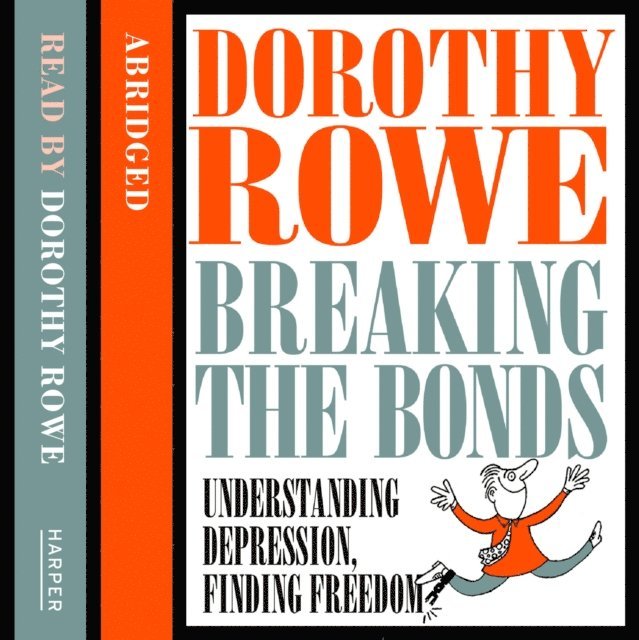
Understanding Depression and Finding Freedom
Breaking the bonds of isolation and fear
Av Dorothy Rowe
Ljudbok, 2011
151 kr
Lägg i varukorg
Dorothy Rowe, the internationally renowned psychologist, brings 25 years of experience to this excellent tape. She shows how every one of us can take charge of our lives and find hope, happiness and freedom.Depression is one of the most debilitating and imprisoning experiences – and it is on the …
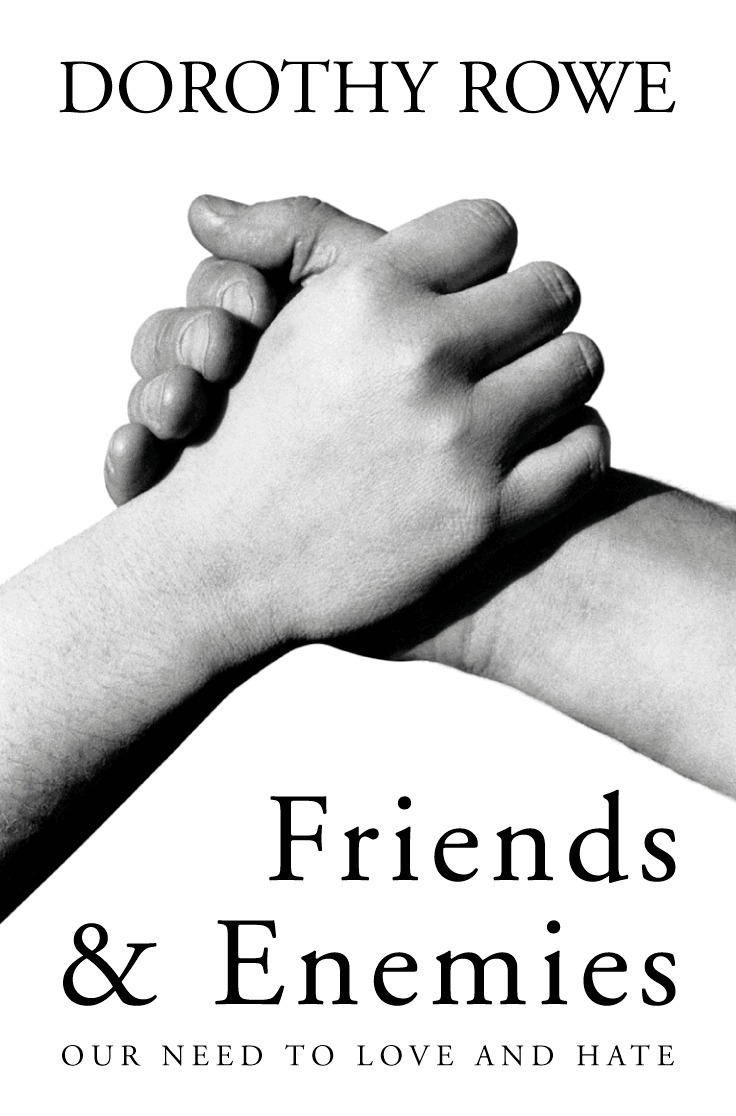
Friends and Enemies
Our Need to Love and Hate
Av Dorothy Rowe
E-bok, 2012
111 kr
Lägg i varukorg
One of our most admired and loved psychologists turns her attention to the essence of the good relationship, and why we need enemies as well as friends.At the end of each of her books Dorothy Rowe describes how happiness and satisfaction come not just from achievements but from enjoying good …
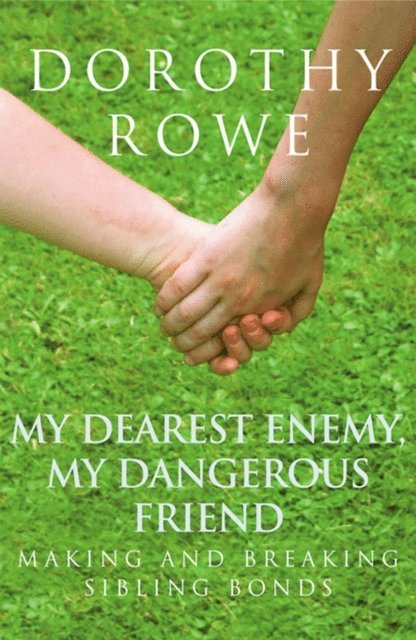
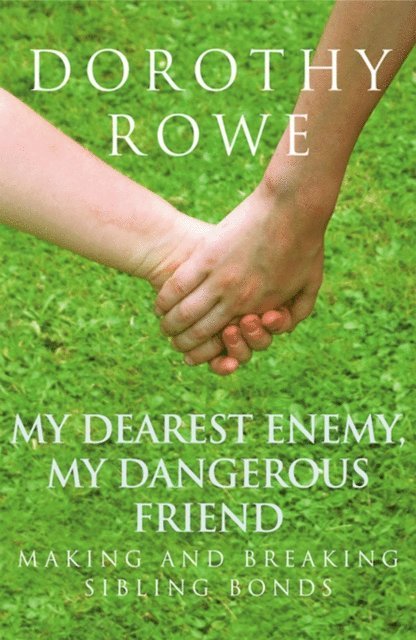
My Dearest Enemy, My Dangerous Friend
Making and Breaking Sibling Bonds
Av Dorothy Rowe
Häftad, 2007
360 kr
Lägg i varukorg
Stories about siblings abound in literature, drama, comedy, biography, and history. We rarely talk about our own siblings without emotion, whether with love and gratitude, or exasperation, bitterness, anger and hate. Nevertheless, the subject of what it is to be and to have a sibling is one that …
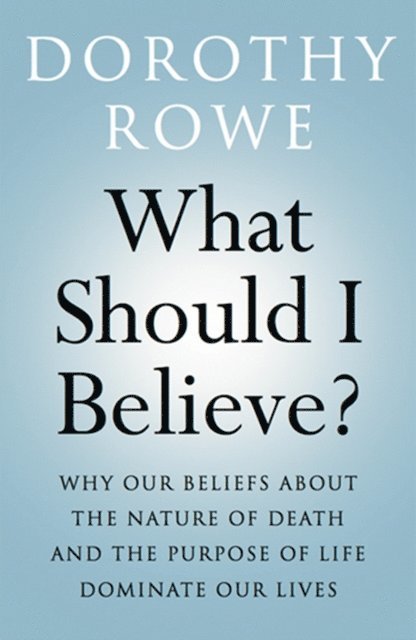
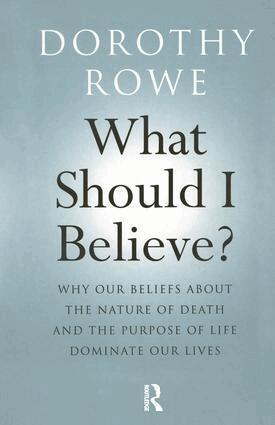
What Should I Believe?
Why Our Beliefs about the Nature of Death and the Purpose of Life Dominate Our Lives
Av Dorothy Rowe
Häftad, 2008
371 kr
Lägg i varukorg
Suddenly, in the twenty-first century, religion has become a political power. It affects us all, whether we’re religious or not. If we’re not in danger of being blown up by a suicide bomber we’ve got leaders to whom God speaks, ordering them to start a war. We’re beset by people who demand that we …
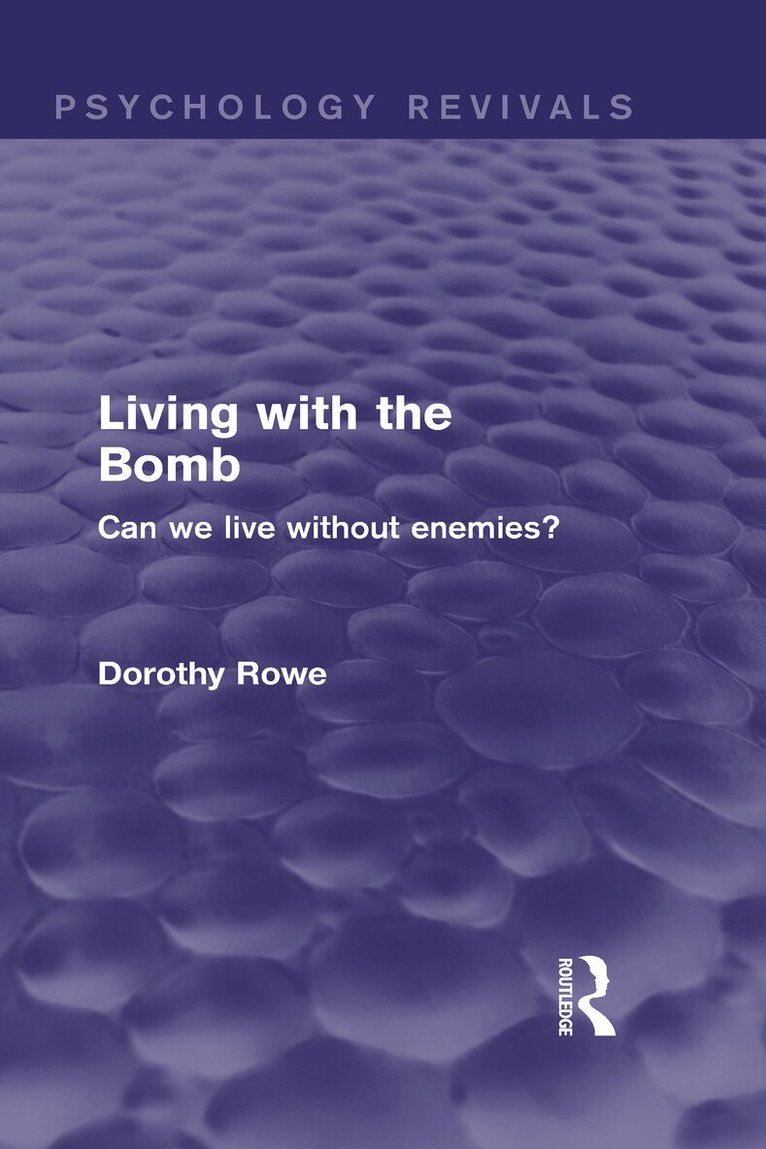
Living with the Bomb (Psychology Revivals)
Can We Live Without Enemies?
Av Dorothy Rowe
Inbunden, 2013
1881 kr
Lägg i varukorg
Originally published in 1985, Living with the Bomb was written as a sequel to the best seller Depression: The Way Out of Your Prison. The human species is facing extinction, not merely from nuclear war but also, and perhaps more likely, from the destruction of the resources of the planet. Is it …
Living with the Bomb (Psychology Revivals)
Can We Live Without Enemies?
Av Dorothy Rowe
Häftad, 2014
457 kr
Lägg i varukorg
Originally published in 1985, Living with the Bomb was written as a sequel to the best seller Depression: The Way Out of Your Prison. The human species is facing extinction, not merely from nuclear war but also, and perhaps more likely, from the destruction of the resources of the planet. Is it …
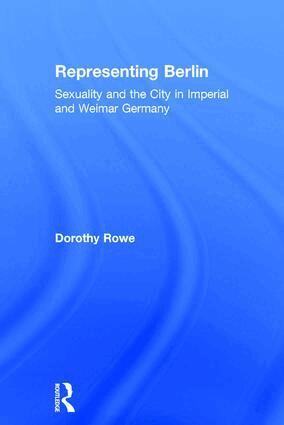
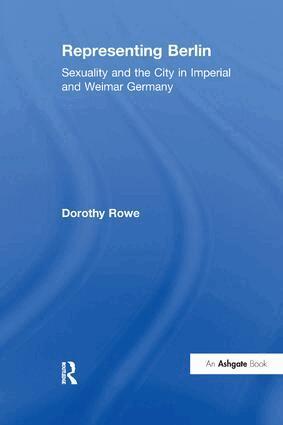
Representing Berlin
Sexuality and the City in Imperial and Weimar Germany
Av Dorothy Rowe
Inbunden, 2003
2588 kr
Lägg i varukorg
Berlin, city of Bertolt Brecht, Marlene Dietrich, cabaret and German Expressionism, a city identified with a female sexuality - at first alluring but then dangerous. In this fascinating study, Dorothy Rowe turns our attention to Berlin as a sexual landscape. She investigates the processes by which …
Moon's Birthday, and Other Stories of Chinese Children
Av Dorothy Rowe
Inbunden, 2026
388 kr
Lägg i varukorg
Moon's Birthday, and Other Stories of Chinese Children
Av Dorothy Rowe
Häftad, 2026
218 kr
Lägg i varukorg
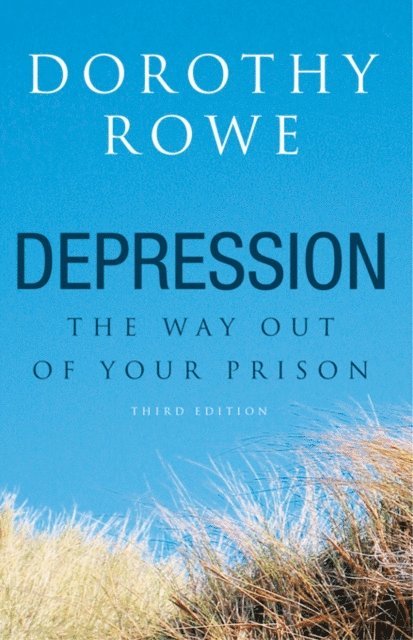
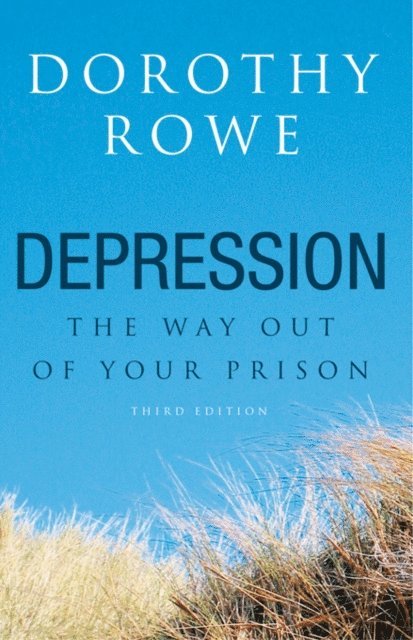
Depression
The Way Out of Your Prison
Av Dorothy Rowe
E-bok, 2003
421 kr
Lägg i varukorg
Depression: The Way Out of Your Prison gives us a way of understanding our depression which matches our experience and which enables us to take charge of our life and change it. Dorothy Rowe shows us that depression is not an illness or a mental disorder but a defence against pain and fear, which …
Depression
The Way Out of Your Prison
Av Dorothy Rowe
E-bok, 2003
421 kr
Lägg i varukorg
Depression: The Way Out of Your Prison gives us a way of understanding our depression which matches our experience and which enables us to take charge of our life and change it. Dorothy Rowe shows us that depression is not an illness or a mental disorder but a defence against pain and fear, which …
What Should I Believe?
Why Our Beliefs about the Nature of Death and the Purpose of Life Dominate Our Lives
Av Dorothy Rowe
E-bok, 2012
364 kr
Lägg i varukorg
Suddenly, in the twenty-first century, religion has become a political power. It affects us all, whether we’re religious or not. If we’re not in danger of being blown up by a suicide bomber we’ve got leaders to whom God speaks, ordering them to start a war. We’re beset by people who demand …
What Should I Believe?
Why Our Beliefs about the Nature of Death and the Purpose of Life Dominate Our Lives
Av Dorothy Rowe
E-bok, 2012
364 kr
Lägg i varukorg
Suddenly, in the twenty-first century, religion has become a political power. It affects us all, whether we’re religious or not. If we’re not in danger of being blown up by a suicide bomber we’ve got leaders to whom God speaks, ordering them to start a war. We’re beset by people who demand …
My Dearest Enemy, My Dangerous Friend
Making and Breaking Sibling Bonds
Av Dorothy Rowe
E-bok, 2012
343 kr
Lägg i varukorg
Stories about siblings abound in literature, drama, comedy, biography, and history. We rarely talk about our own siblings without emotion, whether with love and gratitude, or exasperation, bitterness, anger and hate. Nevertheless, the subject of what it is to be and to have a sibling is one that …
My Dearest Enemy, My Dangerous Friend
Making and Breaking Sibling Bonds
Av Dorothy Rowe
E-bok, 2012
354 kr
Lägg i varukorg
Stories about siblings abound in literature, drama, comedy, biography, and history. We rarely talk about our own siblings without emotion, whether with love and gratitude, or exasperation, bitterness, anger and hate. Nevertheless, the subject of what it is to be and to have a sibling is one that …
My Dearest Enemy, My Dangerous Friend
Making and Breaking Sibling Bonds
Av Dorothy Rowe
Inbunden, 2015
2439 kr
Lägg i varukorg
Stories about siblings abound in literature, drama, comedy, biography, and history. We rarely talk about our own siblings without emotion, whether with love and gratitude, or exasperation, bitterness, anger and hate. Nevertheless, the subject of what it is to be and to have a sibling is one that …
What Should I Believe?
Why Our Beliefs about the Nature of Death and the Purpose of Life Dominate Our Lives
Av Dorothy Rowe
Inbunden, 2016
2132 kr
Lägg i varukorg
Suddenly, in the twenty-first century, religion has become a political power. It affects us all, whether we’re religious or not. If we’re not in danger of being blown up by a suicide bomber we’ve got leaders to whom God speaks, ordering them to start a war. We’re beset by people who demand that we …
Representing Berlin
Sexuality and the City in Imperial and Weimar Germany
Av Dorothy Rowe
Häftad, 2017
727 kr
Lägg i varukorg
Berlin, city of Bertolt Brecht, Marlene Dietrich, cabaret and German Expressionism, a city identified with a female sexuality - at first alluring but then dangerous. In this fascinating study, Dorothy Rowe turns our attention to Berlin as a sexual landscape. She investigates the processes by which …