D.S. Brar – författare
Visar alla böcker från författaren D.S. Brar. Handla med fri frakt och snabb leverans.
7 produkter
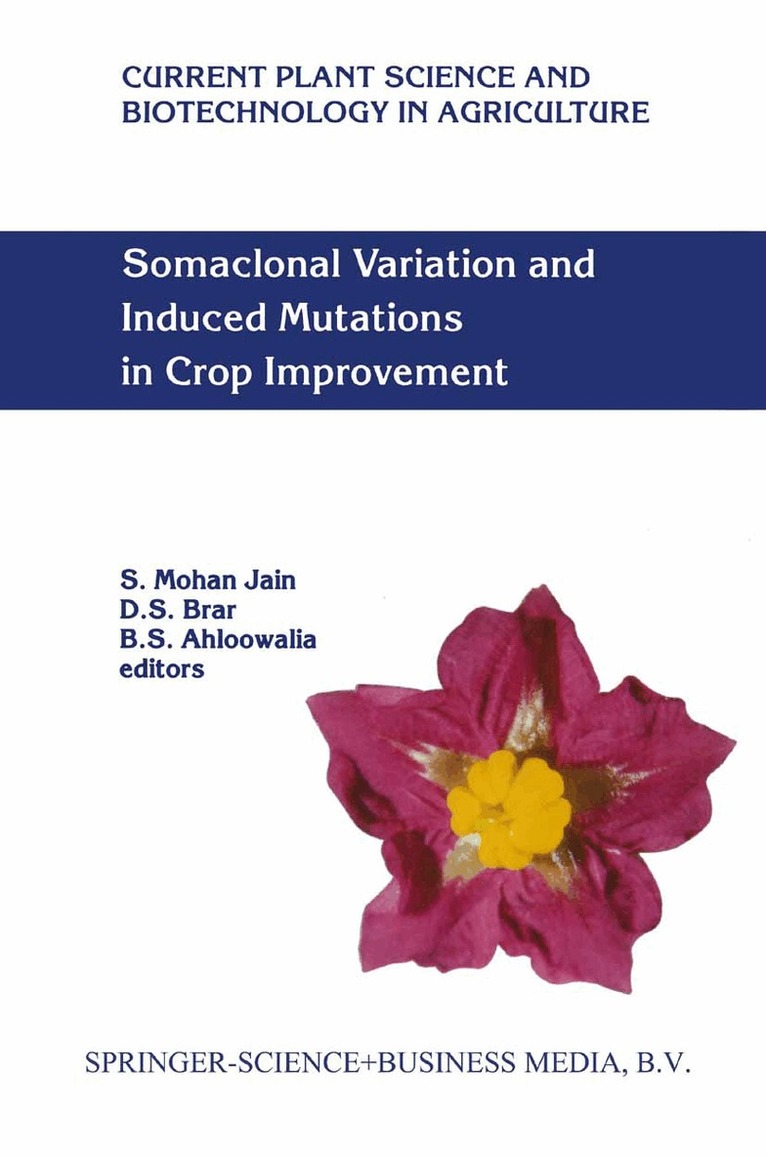
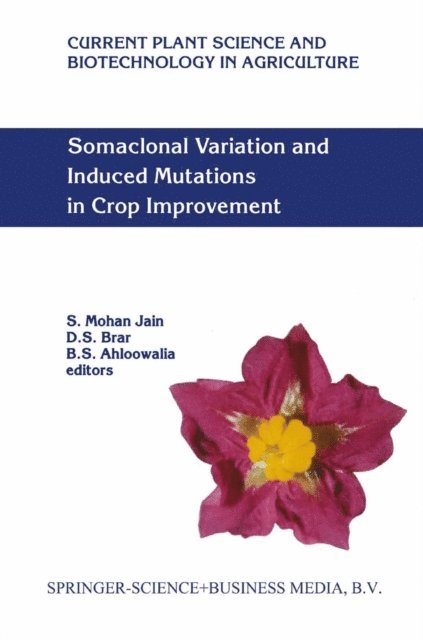
Somaclonal Variation and Induced Mutations in Crop Improvement
Av S.M. Jain, D.S. Brar m. fl.
Inbunden, 1998
3279 kr
Lägg i varukorg
Genetic variability is an important parameter for plant breeders in any con ventional crop improvement programme. Very often the desired variation is un available in the right combination, or simply does not exist at all. However, plant breeders have successfully recombined the desired genes from …
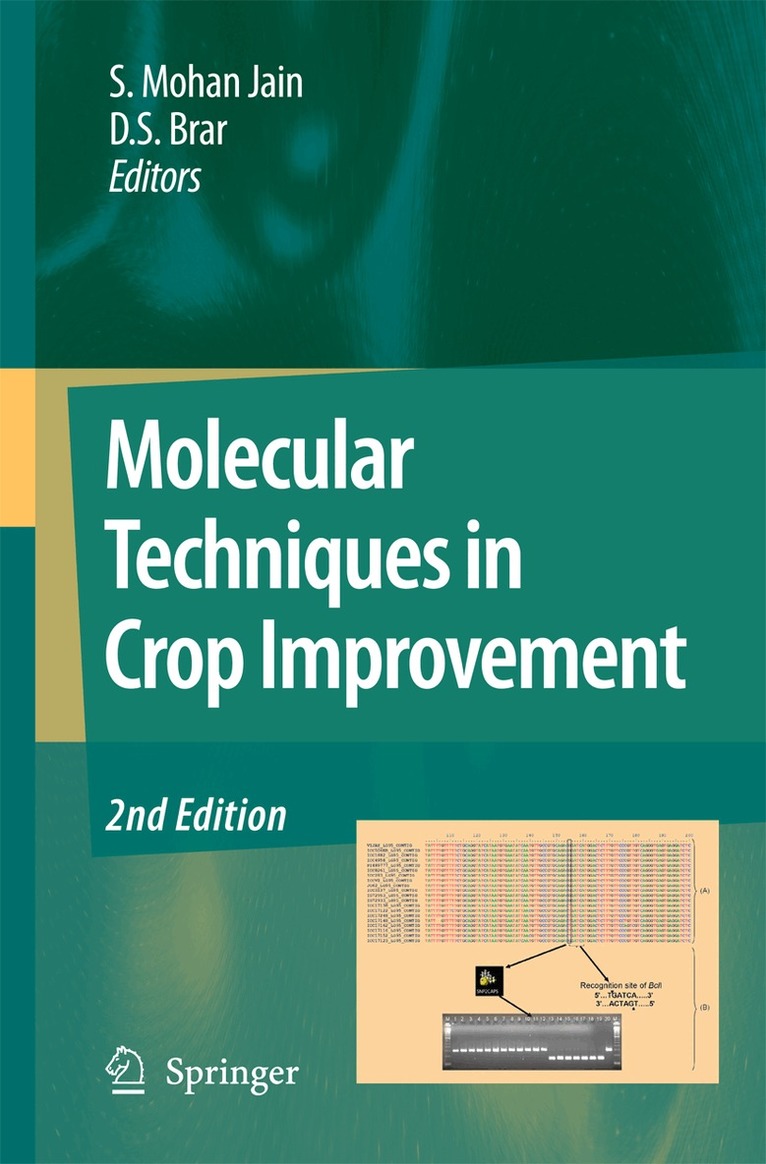
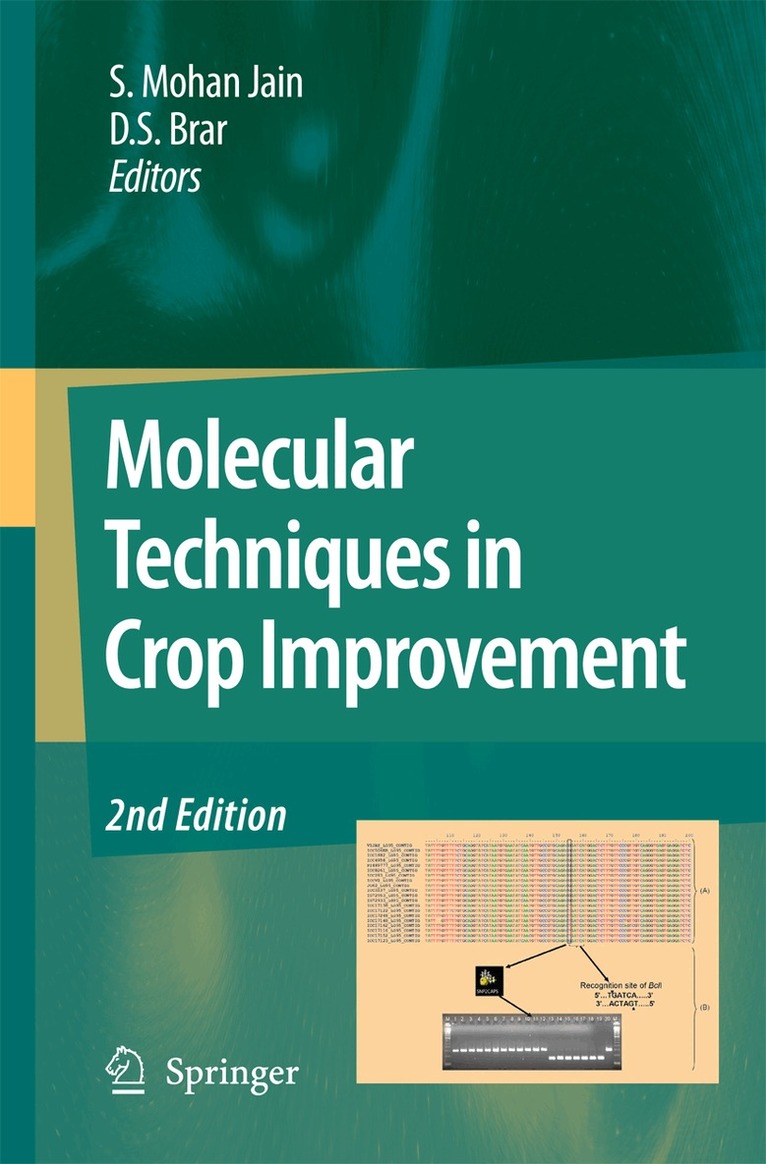
Molecular Techniques in Crop Improvement
2nd Edition
Inbunden, 2010
3824 kr
Lägg i varukorg
Most of the plant breeding programs aim to increase yield, disease and insect resistance, abiotic stress tolerance and to improve quality characteristics. The value of new plant breeding products and varieties in increasing food production has been demonstrated time and again. To meet growing need …
Molecular Techniques in Crop Improvement
2nd Edition
E-bok, 2009
4881 kr
Lägg i varukorg
Most of the plant breeding programs aim to increase yield, disease and insect resistance, abiotic stress tolerance and to improve quality characteristics. The value of new plant breeding products and varieties in increasing food production has been demonstrated time and again. To meet growing need …
Somaclonal Variation and Induced Mutations in Crop Improvement
Av S.M. Jain, D.S. Brar m. fl.
Häftad, 2010
3279 kr
Lägg i varukorg
Genetic variability is an important parameter for plant breeders in any con ventional crop improvement programme. Very often the desired variation is un available in the right combination, or simply does not exist at all. However, plant breeders have successfully recombined the desired genes from …
Molecular Techniques in Crop Improvement
2nd Edition
Häftad, 2014
3824 kr
Lägg i varukorg
Most of the plant breeding programs aim to increase yield, disease and insect resistance, abiotic stress tolerance and to improve quality characteristics. The value of new plant breeding products and varieties in increasing food production has been demonstrated time and again. To meet growing need …
Somaclonal Variation and Induced Mutations in Crop Improvement
Av B.S. Ahloowalia, D.S. Brar m. fl.
E-bok, 2013
4066 kr
Lägg i varukorg
Genetic variability is an important parameter for plant breeders in any con ventional crop improvement programme. Very often the desired variation is un available in the right combination, or simply does not exist at all. However, plant breeders have successfully recombined the desired genes from …
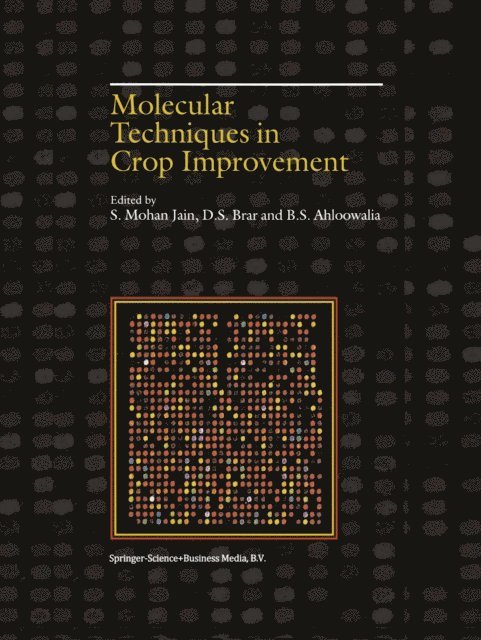
Molecular Techniques in Crop Improvement
E-bok, 2013
1209 kr
Lägg i varukorg
Plant breeding aims at the genetic enhancement of crops through the application of principles of Mendelian Genetics and modern tools and techniques of cell and molecular biology. Many breeding programs focus on the improvement of traits such as high yield, multiple resistance to major diseases, …