Dyan Elliott - Böcker
Visar alla böcker från författaren Dyan Elliott. Handla med fri frakt och snabb leverans.
7 produkter
7 produkter
1 011 kr
Skickas inom 3-6 vardagar
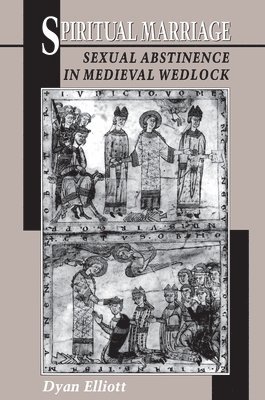
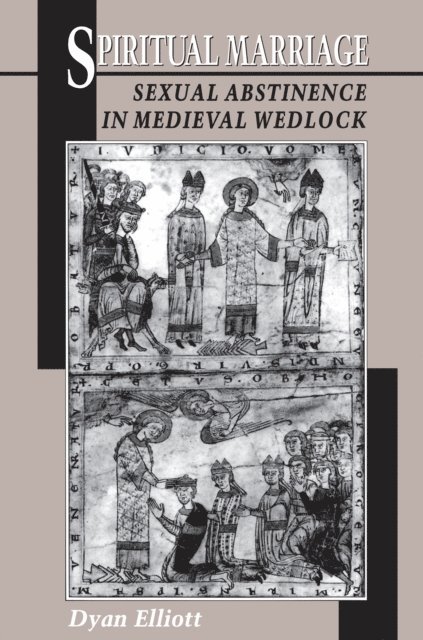
The early Christian and medieval practice of spiritual marriage, in which husband and wife mutually and voluntarily relinquish sexual activity for reasons of piety, plays an important role in the development of the institution of marriage and in the understanding of female religiosity. Drawing on hagiography, chronicles, theology, canon law, and pastoral sources, Dyan Elliott traces the history of spiritual marriage in the West from apostolic times to the beginning of the sixteenth century.
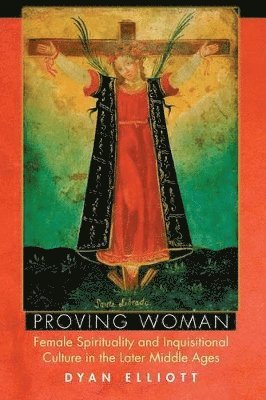
Proving Woman
Female Spirituality and Inquisitional Culture in the Later Middle Ages
Häftad, Engelska, 2004
462 kr
Skickas inom 7-10 vardagar
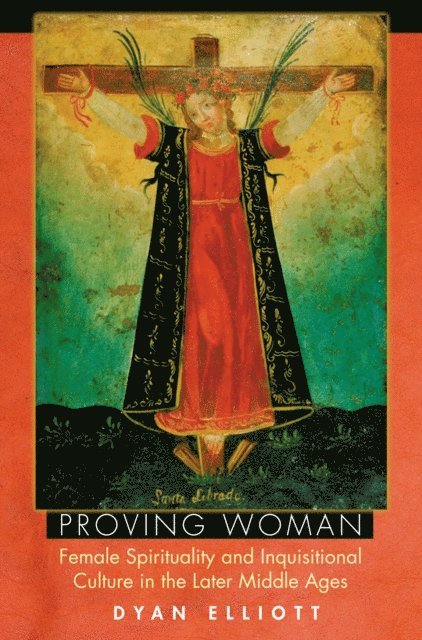
Around the year 1215, female mystics and their sacramental devotion were among orthodoxy's most sophisticated weapons in the fight against heresy. Holy women's claims to be in direct communication with God placed them in positions of unprecedented influence. Yet by the end of the Middle Ages female mystics were frequently mistrusted, derided, and in danger of their lives. The witch hunts were just around the corner. While studies of sanctity and heresy tend to be undertaken separately, Proving Woman brings these two avenues of inquiry together by associating the downward trajectory of holy women with medieval society's progressive reliance on the inquisitional procedure. Inquisition was soon used for resolving most questions of proof. It was employed for distinguishing saints and heretics; it underwrote the new emphasis on confession in both sacramental and judicial spheres; and it heralded the reintroduction of torture as a mechanism for extracting proof through confession. As women were progressively subjected to this screening, they became ensnared in the interlocking web of proofs. No aspect of female spirituality remained untouched.Since inquisition determined the need for tangible proofs, it even may have fostered the kind of excruciating illnesses and extraordinary bodily changes associated with female spirituality. In turn, the physical suffering of holy women became tacit support for all kinds of earthly suffering, even validating temporal mechanisms of justice in their most aggressive forms. The widespread adoption of inquisitional mechanisms for assessing female spirituality eventuated in a growing confusion between the saintly and heretical and the ultimate criminalization of female religious expression.

478 kr
Skickas inom 3-6 vardagar
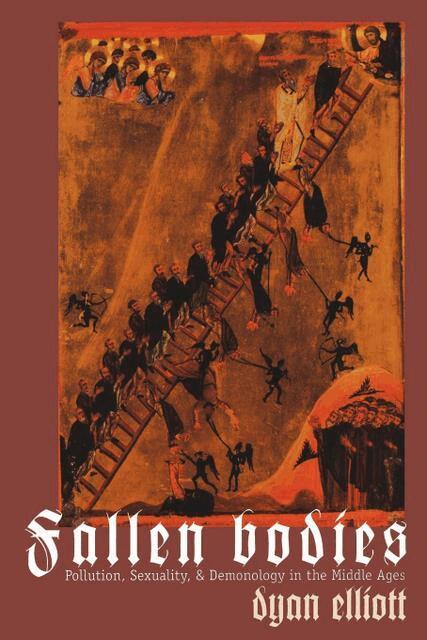
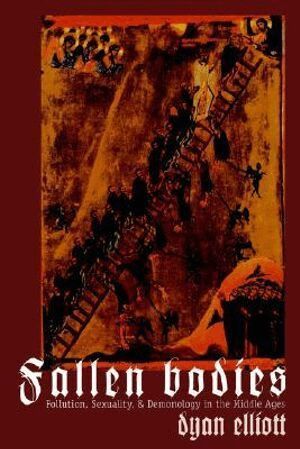
Medieval clerics believed that original sin had rendered their "fallen bodies" vulnerable to corrupting impulses-particularly those of a sexual nature. They feared that their corporeal frailty left them susceptible to demonic forces bent on penetrating and polluting their bodies and souls. Drawing on a variety of canonical and other sources, Fallen Bodies examines a wide-ranging set of issues generated by fears of pollution, sexuality, and demonology. To maintain their purity, celibate clerics combated the stain of nocturnal emissions; married clerics expelled their wives onto the streets and out of the historical record; an exemplum depicting a married couple having sex in church was told and retold; and the specter of the demonic lover further stigmatized women's sexuality. Over time, the clergy's conceptions of womanhood became radically polarized: the Virgin Mary was accorded ever greater honor, while real, corporeal women were progressively denigrated. When church doctrine definitively denied the physicality of demons, the female body remained as the prime material presence of sin.Dyan Elliott contends that the Western clergy's efforts to contain sexual instincts-and often the very thought and image of woman-precipitated uncanny returns of the repressed. She shows how this dynamic ultimately resulted in the progressive conflation of the female and the demonic, setting the stage for the future persecution of witches.
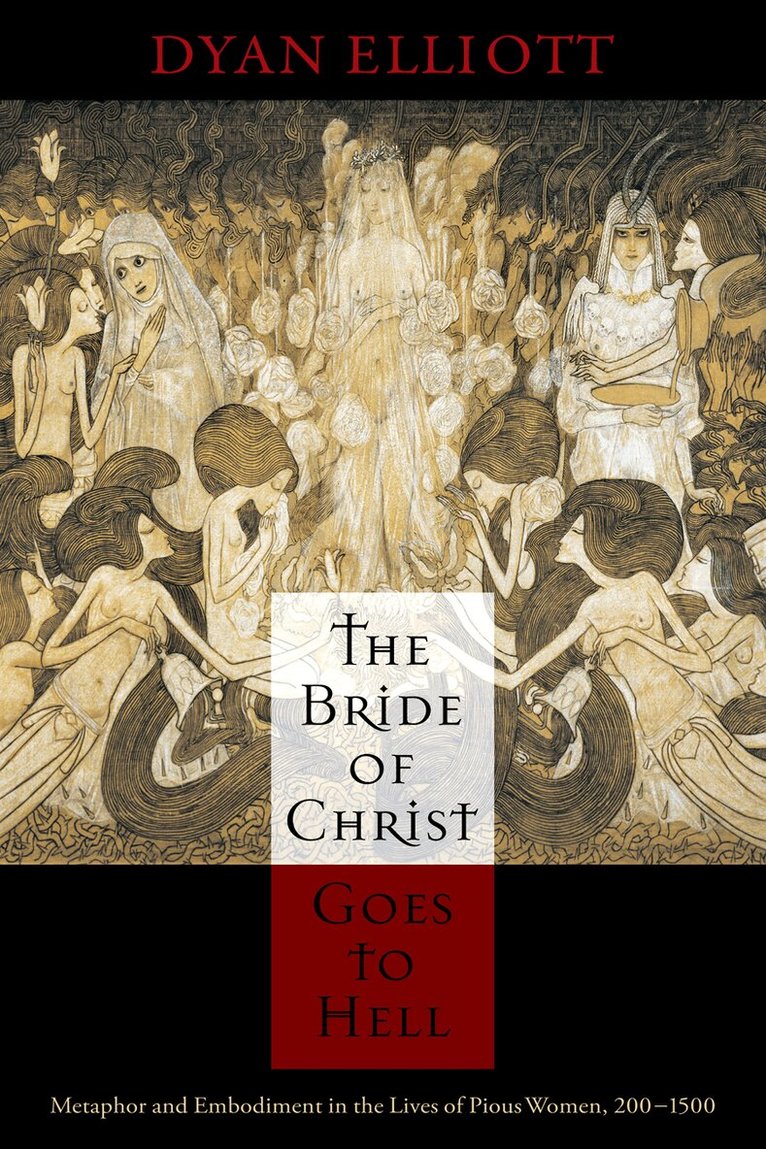
Bride of Christ Goes to Hell
Metaphor and Embodiment in the Lives of Pious Women, 200-1500
Häftad, Engelska, 2020
471 kr
Skickas inom 10-15 vardagar
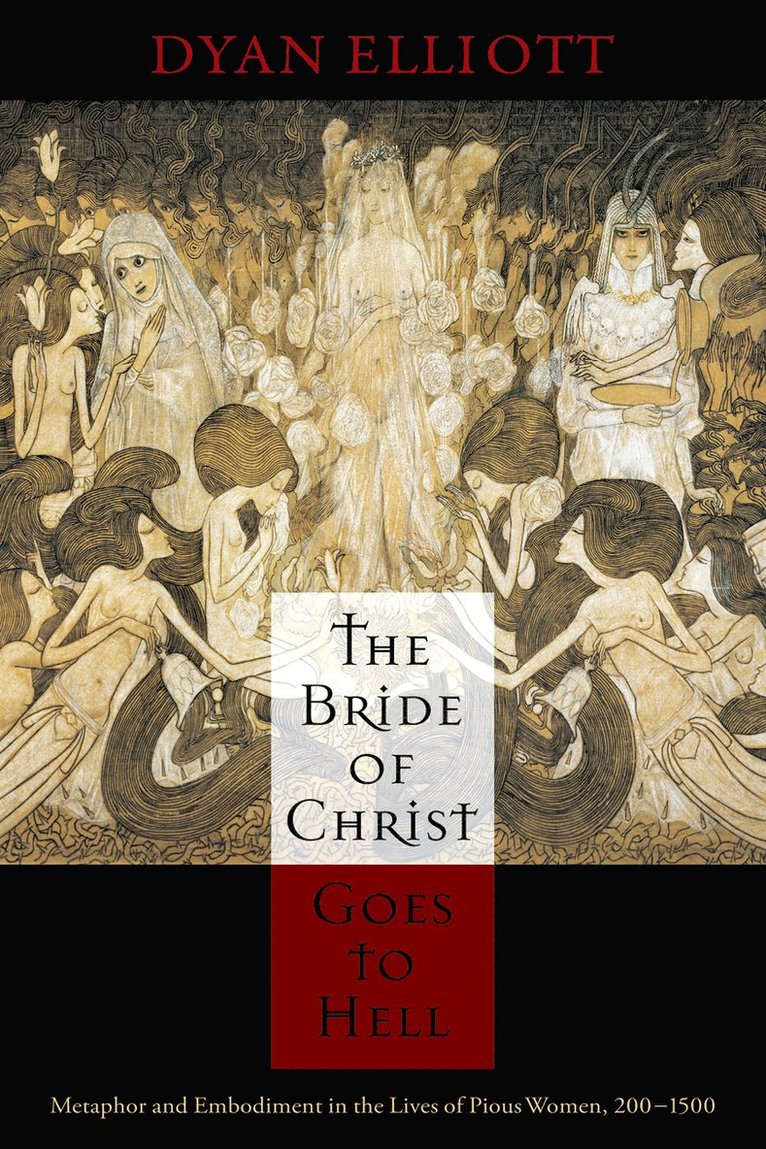
The early Christian writer Tertullian first applied the epithet "bride of Christ" to the uppity virgins of Carthage as a means of enforcing female obedience. Henceforth, the virgin as Christ's spouse was expected to manifest matronly modesty and due submission, hobbling virginity's ancient capacity to destabilize gender roles. In the early Middle Ages, the focus on virginity and the attendant anxiety over its possible loss reinforced the emphasis on claustration in female religious communities, while also profoundly disparaging the nonvirginal members of a given community.With the rising importance of intentionality in determining a person's spiritual profile in the high Middle Ages, the title of bride could be applied and appropriated to laywomen who were nonvirgins as well. Such instances of democratization coincided with the rise of bridal mysticism and a progressive somatization of female spirituality. These factors helped cultivate an increasingly literal and eroticized discourse: women began to undergo mystical enactments of their union with Christ, including ecstatic consummations and vivid phantom pregnancies. Female mystics also became increasingly intimate with their confessors and other clerical confidants, who were sometimes represented as stand-ins for the celestial bridegroom. The dramatic merging of the spiritual and physical in female expressions of religiosity made church authorities fearful, an anxiety that would coalesce around the figure of the witch and her carnal induction into the Sabbath.
Bride of Christ Goes to Hell
Metaphor and Embodiment in the Lives of Pious Women, 200-1500
Inbunden, Engelska, 2011
750 kr
Skickas inom 10-15 vardagar
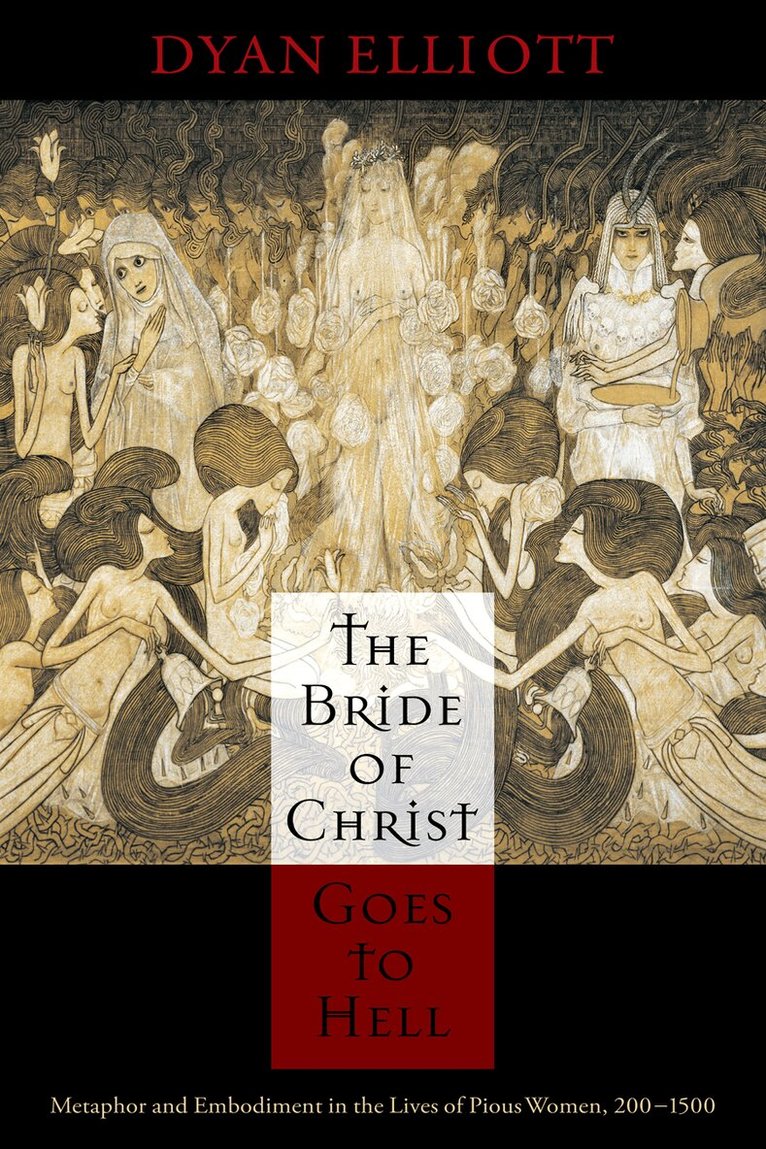
The early Christian writer Tertullian first applied the epithet "bride of Christ" to the uppity virgins of Carthage as a means of enforcing female obedience. Henceforth, the virgin as Christ's spouse was expected to manifest matronly modesty and due submission, hobbling virginity's ancient capacity to destabilize gender roles. In the early Middle Ages, the focus on virginity and the attendant anxiety over its possible loss reinforced the emphasis on claustration in female religious communities, while also profoundly disparaging the nonvirginal members of a given community.With the rising importance of intentionality in determining a person's spiritual profile in the high Middle Ages, the title of bride could be applied and appropriated to laywomen who were nonvirgins as well. Such instances of democratization coincided with the rise of bridal mysticism and a progressive somatization of female spirituality. These factors helped cultivate an increasingly literal and eroticized discourse: women began to undergo mystical enactments of their union with Christ, including ecstatic consummations and vivid phantom pregnancies. Female mystics also became increasingly intimate with their confessors and other clerical confidants, who were sometimes represented as stand-ins for the celestial bridegroom. The dramatic merging of the spiritual and physical in female expressions of religiosity made church authorities fearful, an anxiety that would coalesce around the figure of the witch and her carnal induction into the Sabbath.
499 kr
Skickas inom 10-15 vardagar
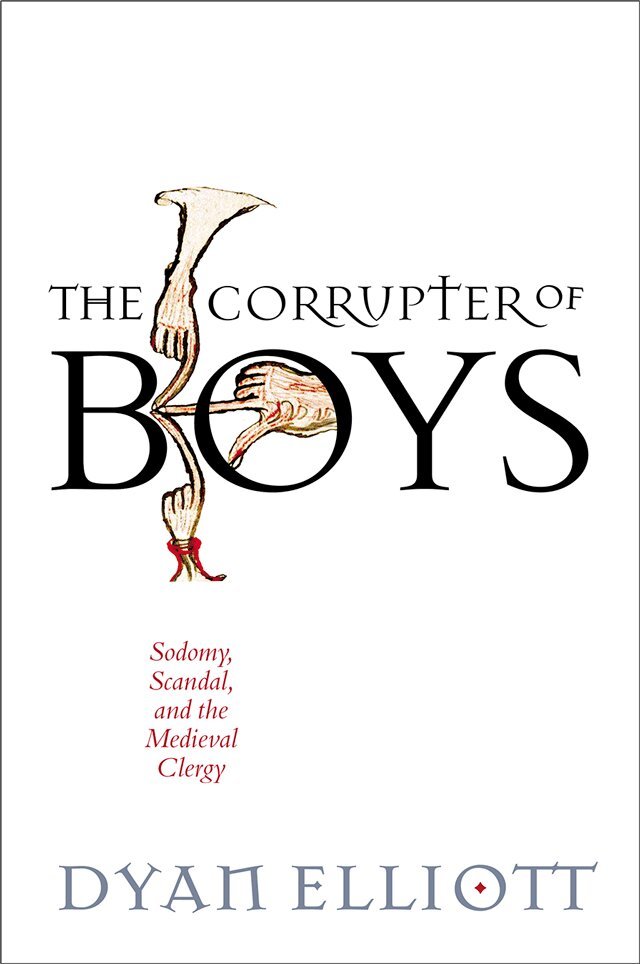
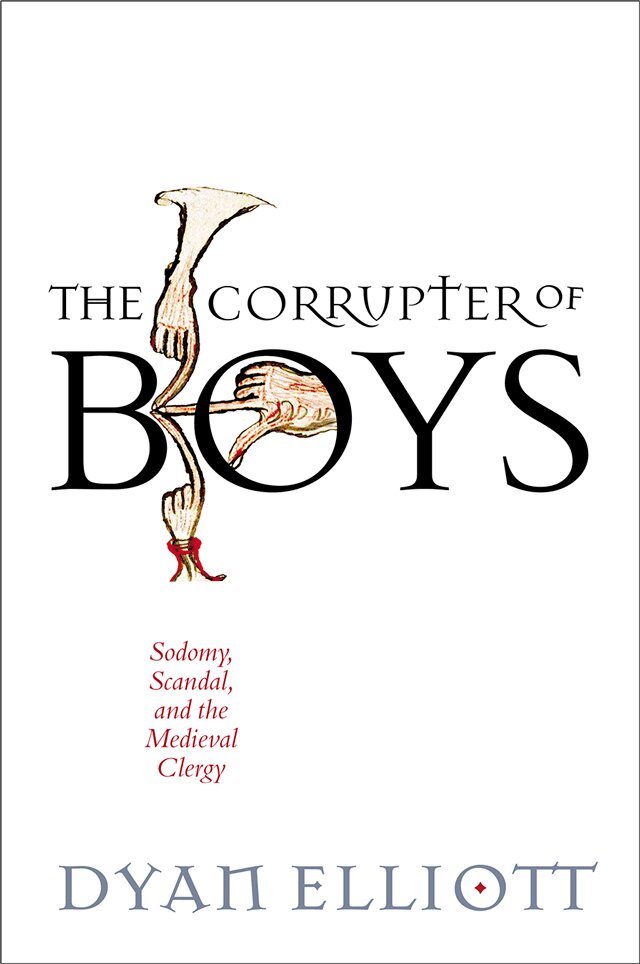
In the fourth century, clerics began to distinguish themselves from members of the laity by virtue of their augmented claims to holiness. Because clerical celibacy was key to this distinction, religious authorities of all stripes-patristic authors, popes, theologians, canonists, monastic founders, and commentators-became progressively sensitive to sexual scandals that involved the clergy and developed sophisticated tactics for concealing or dispelling embarrassing lapses. According to Dyan Elliott, the fear of scandal dictated certain lines of action and inaction, the consequences of which are painfully apparent today. In The Corrupter of Boys, she demonstrates how, in conjunction with the requirement of clerical celibacy, scandal-averse policies at every conceivable level of the ecclesiastical hierarchy have enabled the widespread sexual abuse of boys and male adolescents within the Church.Elliott examines more than a millennium's worth of doctrine and practice to uncover the origins of a culture of secrecy and concealment of sin. She charts the continuities and changes, from late antiquity into the high Middle Ages, in the use of boys as sexual objects before focusing on four specific milieus in which boys and adolescents would have been especially at risk in the high and later Middle Ages: the monastery, the choir, the schools, and the episcopal court.The Corrupter of Boys is a work of stunning breadth and discomforting resonance, as Elliott concludes that the same clerical prerogatives and privileges that were formulated in late antiquity and the medieval era-and the same strategies to cover up the abuses they enable-remain very much in place.
409 kr
Kommande
In the fourth century, clerics began to distinguish themselves from members of the laity by virtue of their augmented claims to holiness. Because clerical celibacy was key to this distinction, religious authorities of all stripes—patristic authors, popes, theologians, canonists, monastic founders, and commentators—became progressively sensitive to sexual scandals that involved the clergy and developed sophisticated tactics for concealing or dispelling embarrassing lapses. According to Dyan Elliott, the fear of scandal dictated certain lines of action and inaction, the consequences of which are painfully apparent today. In The Corrupter of Boys, she demonstrates how, in conjunction with the requirement of clerical celibacy, scandal-averse policies at every conceivable level of the ecclesiastical hierarchy have enabled the widespread sexual abuse of boys and male adolescents within the Church.Elliott examines more than a millennium's worth of doctrine and practice to uncover the origins of a culture of secrecy and concealment of sin. She charts the continuities and changes, from late antiquity into the high Middle Ages, in the use of boys as sexual objects before focusing on four specific milieus in which boys and adolescents would have been especially at risk in the high and later Middle Ages: the monastery, the choir, the schools, and the episcopal court.The Corrupter of Boys is a work of stunning breadth and discomforting resonance, as Elliott concludes that the same clerical prerogatives and privileges that were formulated in late antiquity and the medieval era—and the same strategies to cover up the abuses they enable—remain very much in place.