
Dylan Motin – författare
774 kr
Läs direkt efter köp
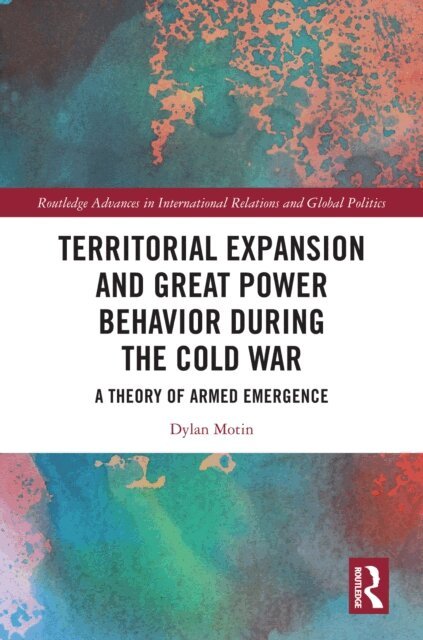
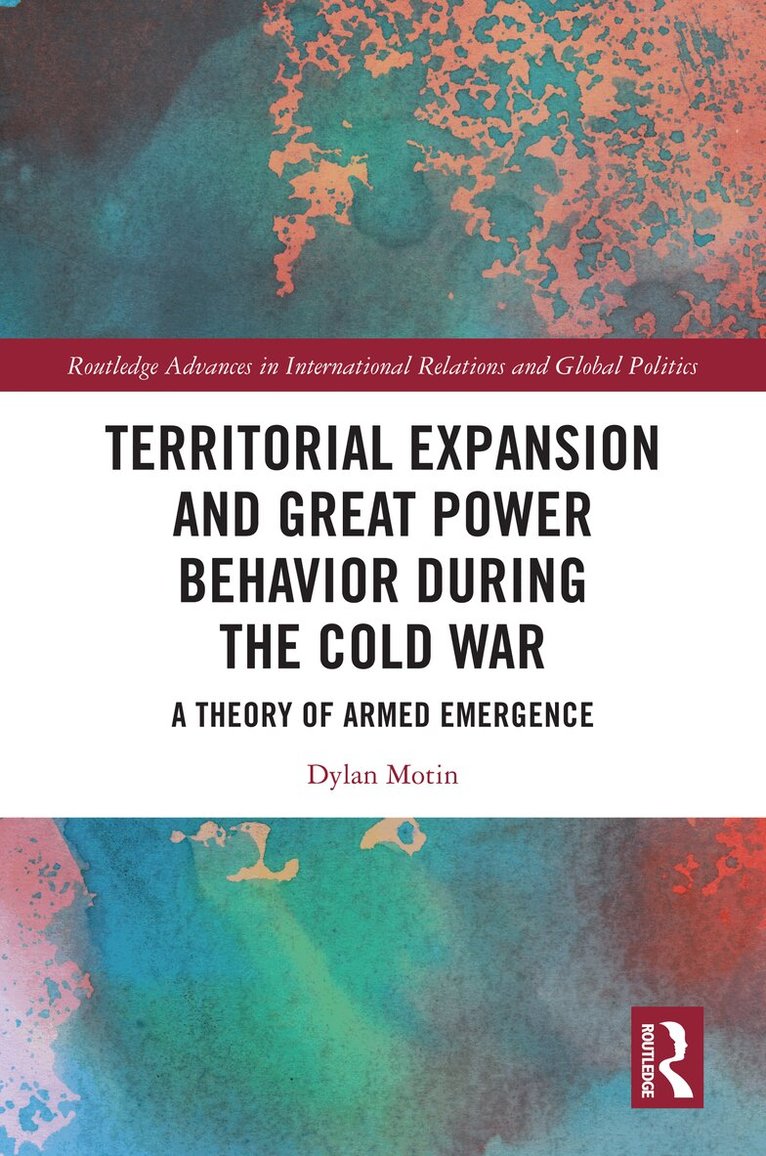
Motin examines great powers’ reactions to the rise of new powers in bipolar international systems by exploring an understudied problem: the rarity of armed emergence after 1945.
The book focuses on Egypt, Iraq, Syria, and Vietnam; the few minor powers that attempted to emerge as great powers through force during the Cold War. Geography and existing powers’ reactions are analyzed as the two key factors determining a nation’s attempts at territorial expansion to achieve power on the global political stage. This systematic investigation of previously overlooked cases has profound implications for the scholarship on the rise and fall of great powers.
In a context where territorial conquest is returning worldwide, scholars studying international relations, international security, and strategic studies should find valuable insights in this realist take.
774 kr
Läs direkt efter köp
Motin examines great powers’ reactions to the rise of new powers in bipolar international systems by exploring an understudied problem: the rarity of armed emergence after 1945.
The book focuses on Egypt, Iraq, Syria, and Vietnam; the few minor powers that attempted to emerge as great powers through force during the Cold War. Geography and existing powers’ reactions are analyzed as the two key factors determining a nation’s attempts at territorial expansion to achieve power on the global political stage. This systematic investigation of previously overlooked cases has profound implications for the scholarship on the rise and fall of great powers.
In a context where territorial conquest is returning worldwide, scholars studying international relations, international security, and strategic studies should find valuable insights in this realist take.
2 502 kr
Skickas inom 10-15 vardagar
727 kr
Skickas inom 5-8 vardagar
357 kr
Skickas inom 5-8 vardagar

347 kr
Skickas
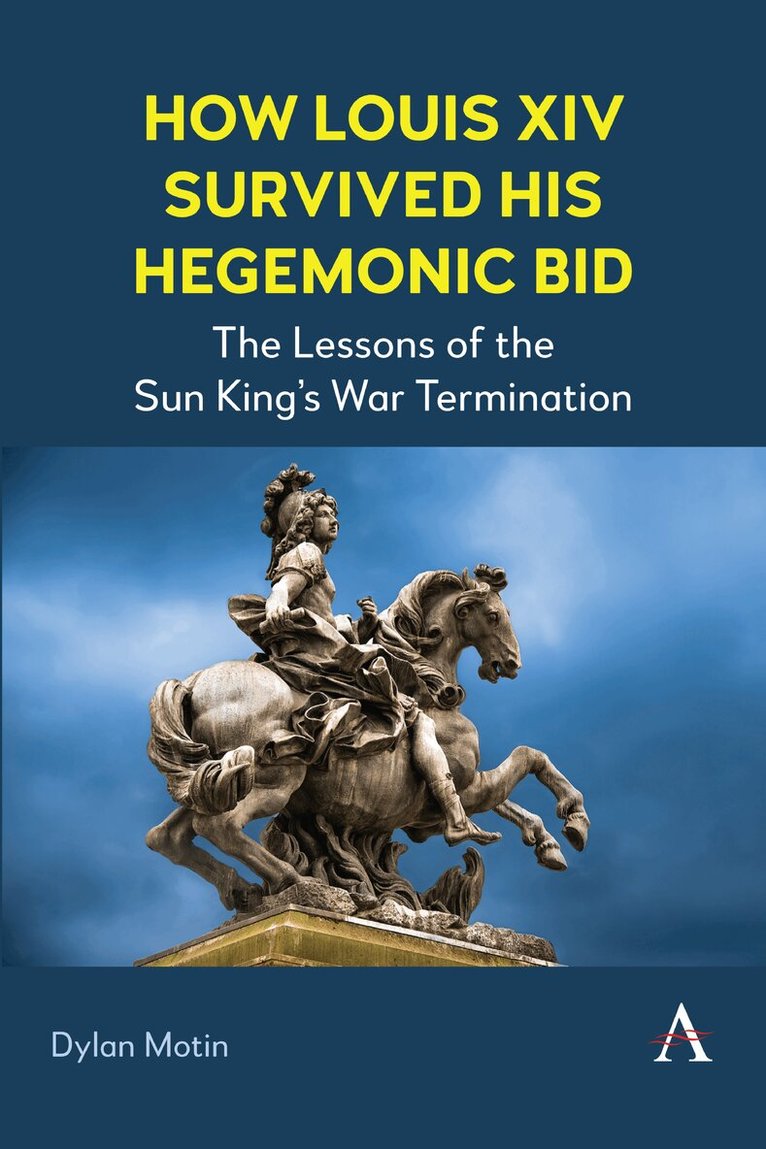
Why do some great powers survive their hegemonic bids, while others lose everything? France’s Louis XIV stands out among modern aspiring hegemons as the only one to leave his country intact, even larger than he found it. Similar to other potential hegemons, Louis fought general wars he failed to win decisively. But Louis would often negotiate peace from a position of strength while other aspiring hegemons generally fought to the finish, thus solidifying uncompromising balancing coalitions. This eagerness to pursue peace from a position of strength mollified opposing coalitions and allowed France to extract some gains, however limited. This book helps us understand how wars with today’s aspiring hegemons could end.

347 kr
Skickas
Why do some great powers survive their hegemonic bids, while others lose everything? France’s Louis XIV stands out among modern aspiring hegemons as the only one to leave his country intact, even larger than he found it. Similar to other potential hegemons, Louis fought general wars he failed to win decisively. But Louis would often negotiate peace from a position of strength while other aspiring hegemons generally fought to the finish, thus solidifying uncompromising balancing coalitions. This eagerness to pursue peace from a position of strength mollified opposing coalitions and allowed France to extract some gains, however limited. This book helps us understand how wars with today’s aspiring hegemons could end.