E. Ahmet Tonak - Böcker
Visar alla böcker från författaren E. Ahmet Tonak. Handla med fri frakt och snabb leverans.
3 produkter
3 produkter
645 kr
Skickas inom 7-10 vardagar
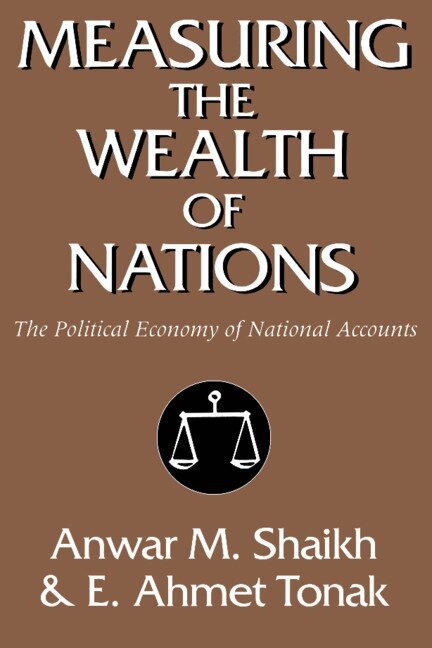
This book provides an alternative foundation for the measurement of the production of nations, and applies it to the US economy for the postwar period. The patterns which result are significantly different from those derived within conventional systems of national accounts. Conventional national accounts seriously distort basic economic aggregates, because they classify military, bureaucratic and financial activities as creation of new wealth, when in fact they should be classified as forms of social consumption which, like personal consumption, actually use up social wealth in the performance of their functions. The difference between the two approaches has an impact not only on basic aggregate economic measures, but also on the very understanding of the observed patterns of growth and stagnation. In a world of burgeoning militaries, bureaucracies, and sales forces, such matters can assume great importance at the levels of both theory and policy.
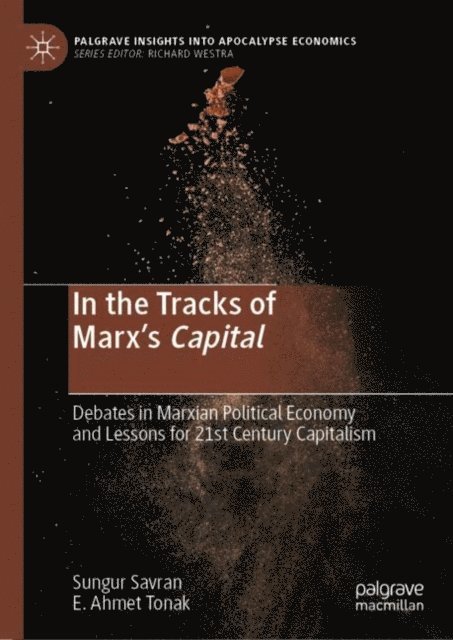
In the Tracks of Marx’s Capital
Debates in Marxian Political Economy and Lessons for 21st Century Capitalism
Inbunden, Engelska, 2024
1 413 kr
Skickas inom 7-10 vardagar
This book provides an accessible introduction to Marx’s seminal work Capital and explores the core ideas of Marxian political economy relevant for modern day economies.
In the Tracks of Marx’s Capital
Debates in Marxian Political Economy and Lessons for 21st Century Capitalism
Häftad, Engelska, 2025
1 419 kr
Skickas inom 10-15 vardagar
This book provides an accessible introduction to Marx’s seminal work Capital and explores the core ideas of Marxian political economy relevant for modern day economies. The first part gives an overview of Capital based on the authors’ original thinking in the methodology of Capital. The second part discusses the application of these ideas to some understudied questions of measuring profit on alienation, the rate of exploitation, the reconstruction of input-output tables, and the role of the welfare state and social wage. The third part sets forth new research in Marxian analysis in the 21st century, facing the challenges brought about by digital labor and the deep crisis of the global economy. The last part discusses the Marxism/Neo-Ricardianism controversy.