Del 1 - Collins New Naturalist Library
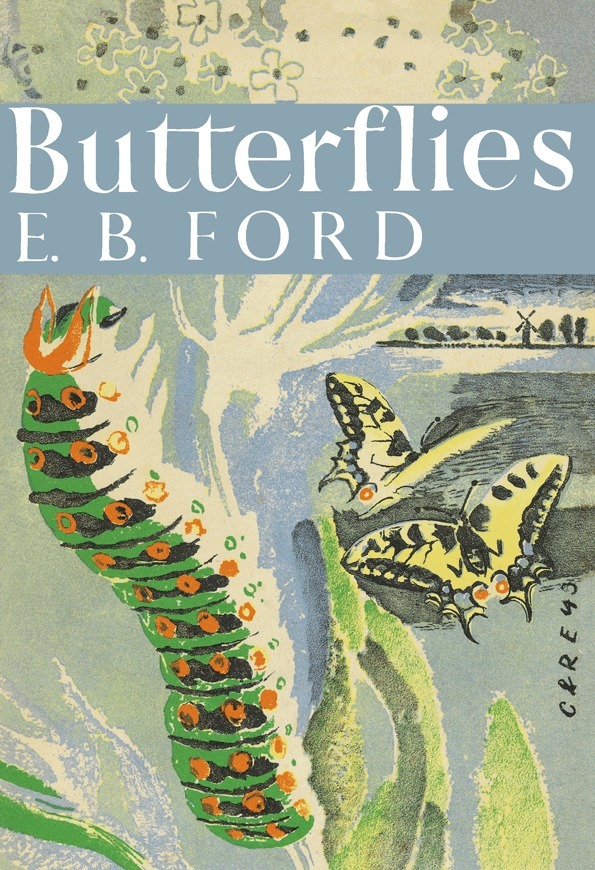
Butterflies
E-bok
Engelska, 2011566 kr
Läs direkt efter köp
A scientific study that keeps in mind the needs of butterfly collectors and of all those who love the country in the hope that it may increase their pleasure by widening the scope of their interests. This edition is exclusive to newnaturalists.comDr Ford, the author of this fascinating volume on butterflies, was an enthusiastic butterfly collector in his youth. He was not only a professional biologist of great distinction but also brought his wide knowledge of genetics and evolution to bear on the problems arising out of his collecting. Thus he was able to see butterflies both as an absorbing hobby and as part of the great panorama of biology.The resultant book is an outstanding contribution to Natural History in the best sense of the term. Natural History is not something inferior to science – it is part of science, inviting an approach by way of field study. While, therefore, Dr Ford’s book contains a somewhat higher proportion of scientific history and technical ideas than most books on Natural History, this for the great majority of amateurs will be a stimulus rather than an obstacle, and throughout the author has kept in mind the needs of butterfly collectors and of all those who love the country in the hope that it may increase their pleasure by widening the scope of their interests.