Earl G. Ingersoll – författare
Visar alla böcker från författaren Earl G. Ingersoll. Handla med fri frakt och snabb leverans.
21 produkter
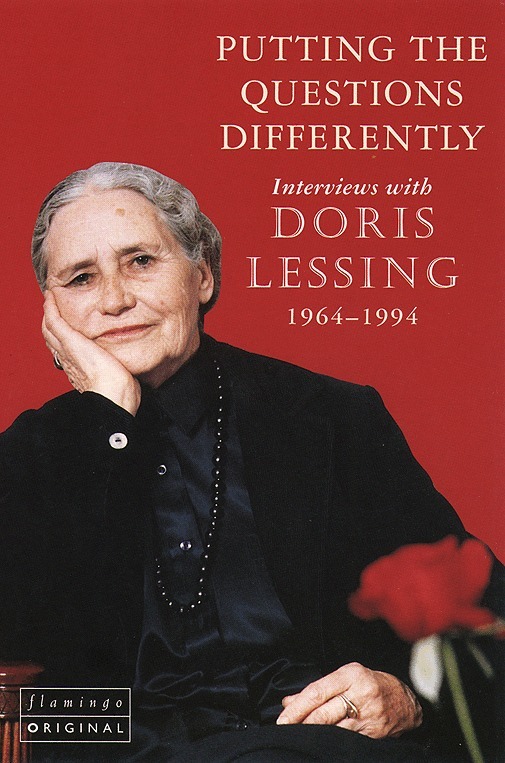
Putting the Questions Differently
Av Doris Lessing, Earl G. Ingersoll
Häftad, 1996
164 kr
Lägg i varukorg
A collection of interviews with the winner of the Nobel Prize for Literature that serves as an invaluable companion to her work.Doris Lessing is one of the greatest literary figures of the twentieth and twenty-first centuries. These interviews give us her thoughts on her early years as a communist …
Putting the Questions Differently
Av Doris Lessing, Earl G. Ingersoll
E-bok, 2013
96 kr
Lägg i varukorg
A collection of interviews with the winner of the Nobel Prize for Literature that serves as an invaluable companion to her work.Doris Lessing is one of the greatest literary figures of the twentieth and twenty-first centuries. These interviews give us her thoughts on her early years as a communist …
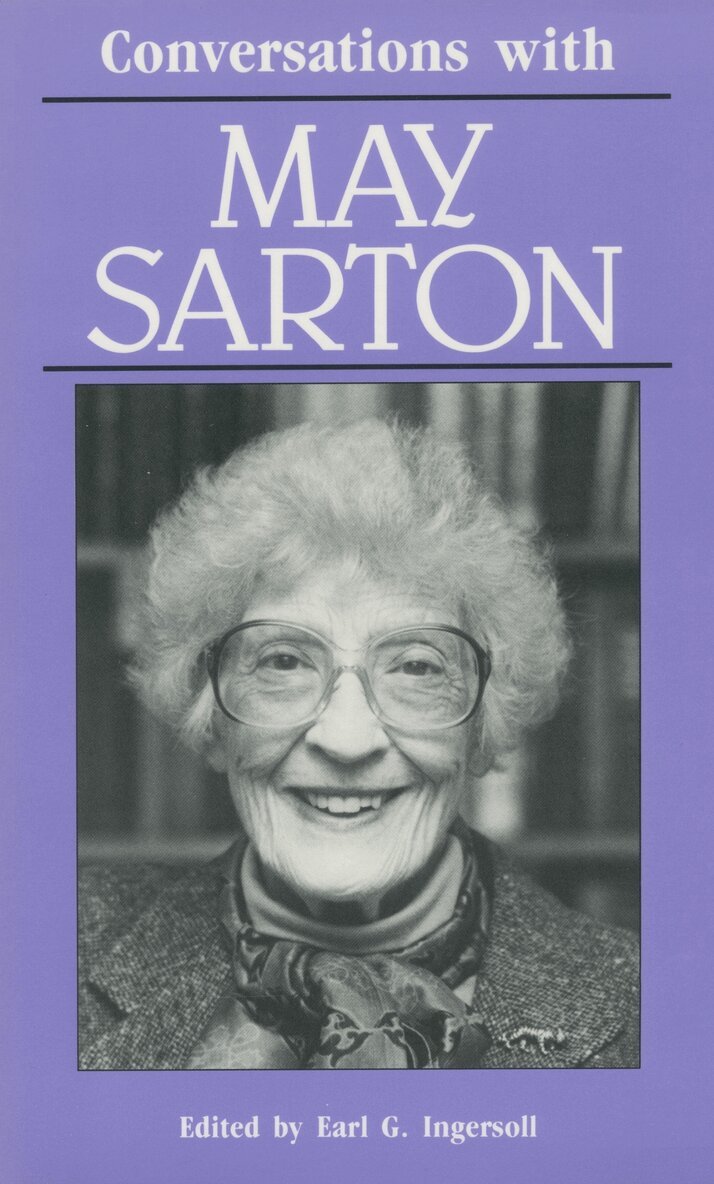
Conversations with May Sarton
Av May Sarton, Earl G. Ingersoll
Häftad, 1991
352 kr
Lägg i varukorg
With increasing candor and openness May Sarton's conversations have given an intimate view of her honest, courageous inner life. Best known to her many readers as a novelist and keeper of journals, Sarton sees herself pre-eminently as a poet. In the interviews collected here she speaks forthrightly …
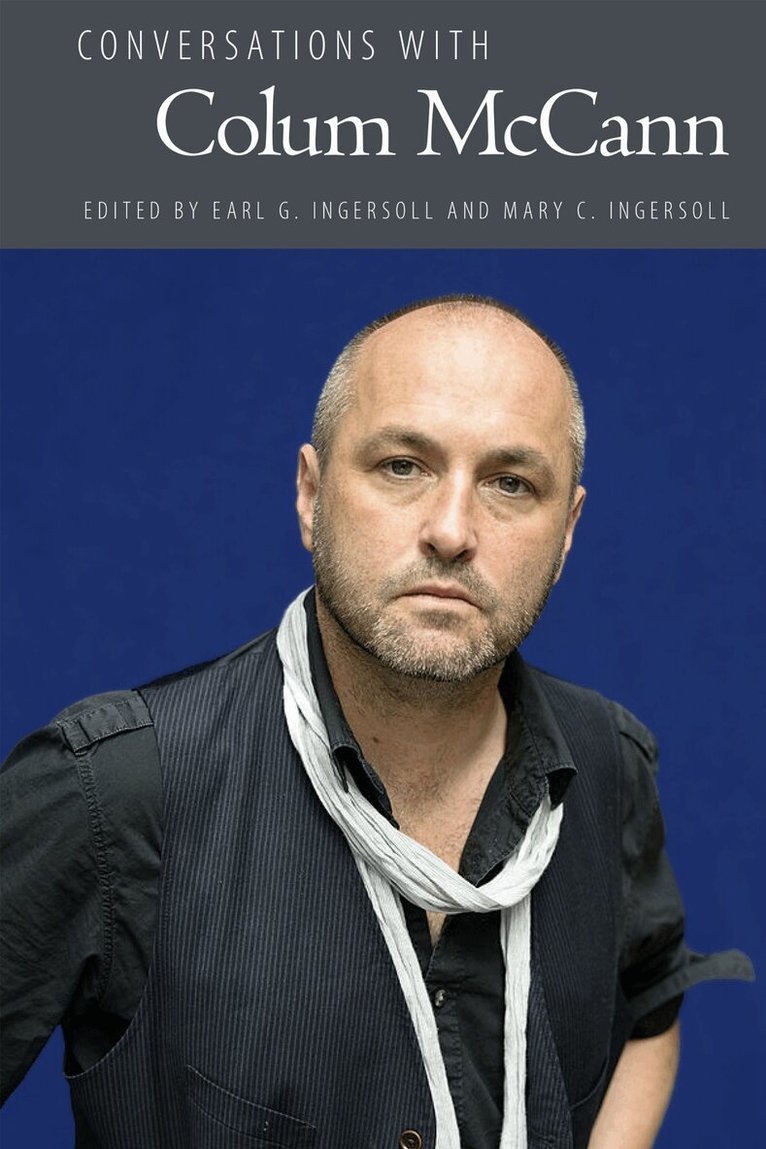
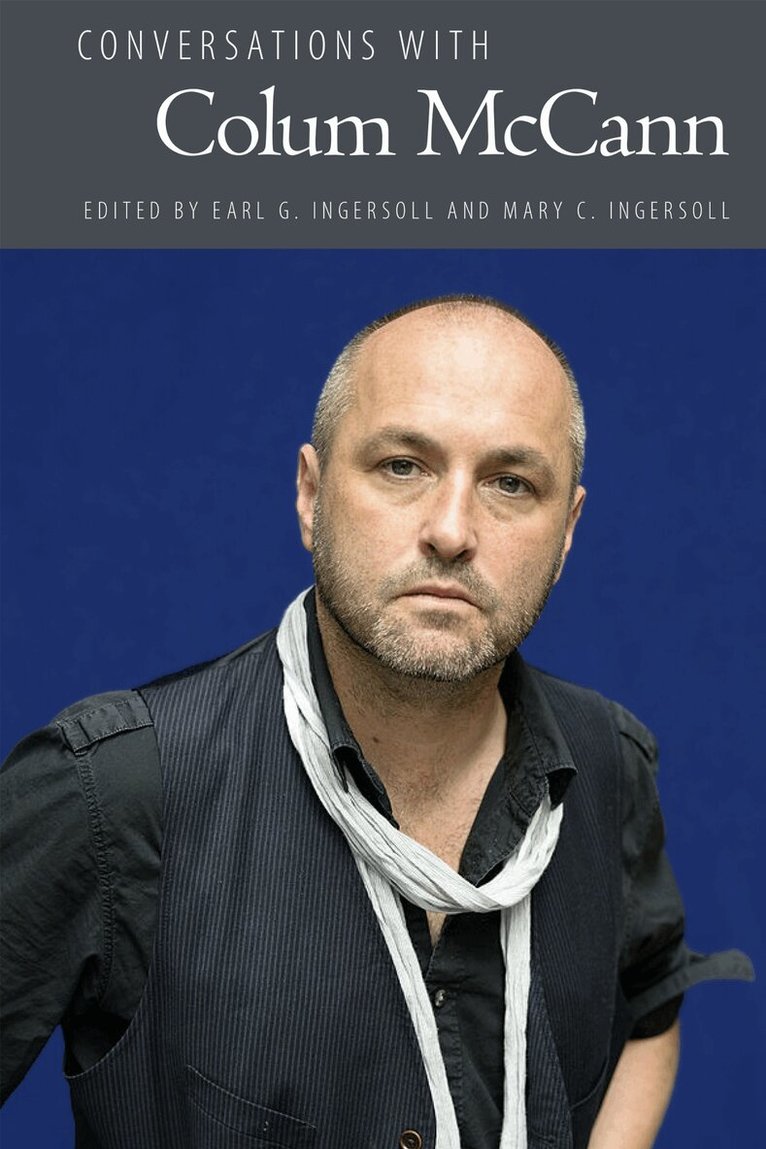
Conversations with Colum McCann
Av Earl G. Ingersoll, Mary C. Ingersoll
Inbunden, 2017
1433 kr
Lägg i varukorg
Conversations with Colum McCann brings together eighteen interviews with a world-renowned fiction writer. Ranging from his 1994 literary debut, Fishing the Sloe-Black River, to a new and unpublished interview conducted in 2016, these interviews represent the development as well as the continuation …
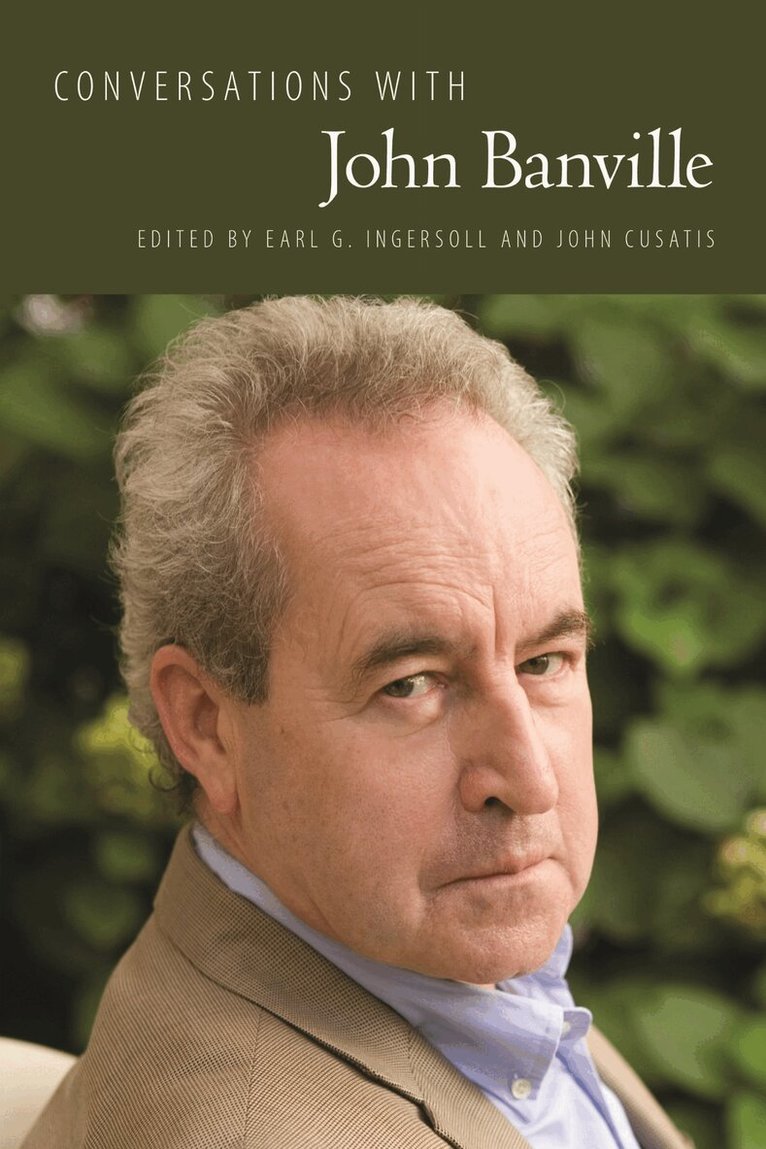
Conversations with John Banville
Av Earl G. Ingersoll, John Cusatis
Inbunden, 2020
1433 kr
Lägg i varukorg
John Banville (b. 1945) is a distinguished novelist and winner of several prestigious awards, including the Man Booker Prize for his novel The Sea. As a teenager Banville hoped to be a painter, and although he ultimately decided he lacked the talent for it, his passion for painting continues to …
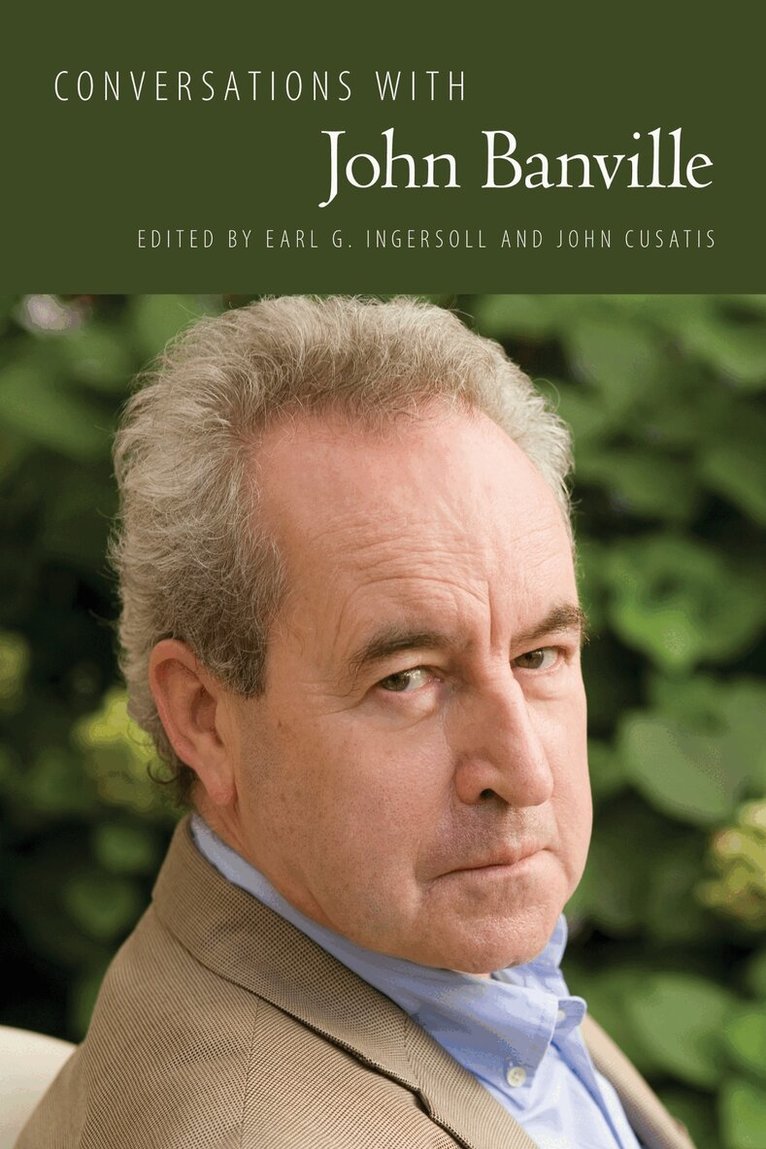
Conversations with John Banville
Av Earl G. Ingersoll, John Cusatis
Häftad, 2020
377 kr
Lägg i varukorg
John Banville (b. 1945) is a distinguished novelist and winner of several prestigious awards, including the Man Booker Prize for his novel The Sea. As a teenager Banville hoped to be a painter, and although he ultimately decided he lacked the talent for it, his passion for painting continues to …
Conversations with Colum McCann
Av Earl G. Ingersoll, Earl G. Ingersoll m. fl.
Häftad, 2021
377 kr
Lägg i varukorg
Conversations with Colum McCann brings together eighteen interviews with a world-renowned fiction writer. Ranging from his 1994 literary debut, Fishing the Sloe-Black River, to a previously unpublished interview conducted in 2016, these interviews represent the development as well as the …
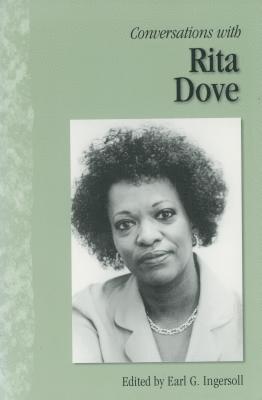
Conversations with Rita Dove
Häftad, 2003
380 kr
Lägg i varukorg
In 1993, Rita Dove (b. 1952) became the nation's youngest and first female African American Poet Laureate. This collection of interviews offers a fascinating portrait of her. Having published over a half-dozen collections of poetry, Dove won a Pulitzer Prize in 1987 for Thomas and Beulah. In …
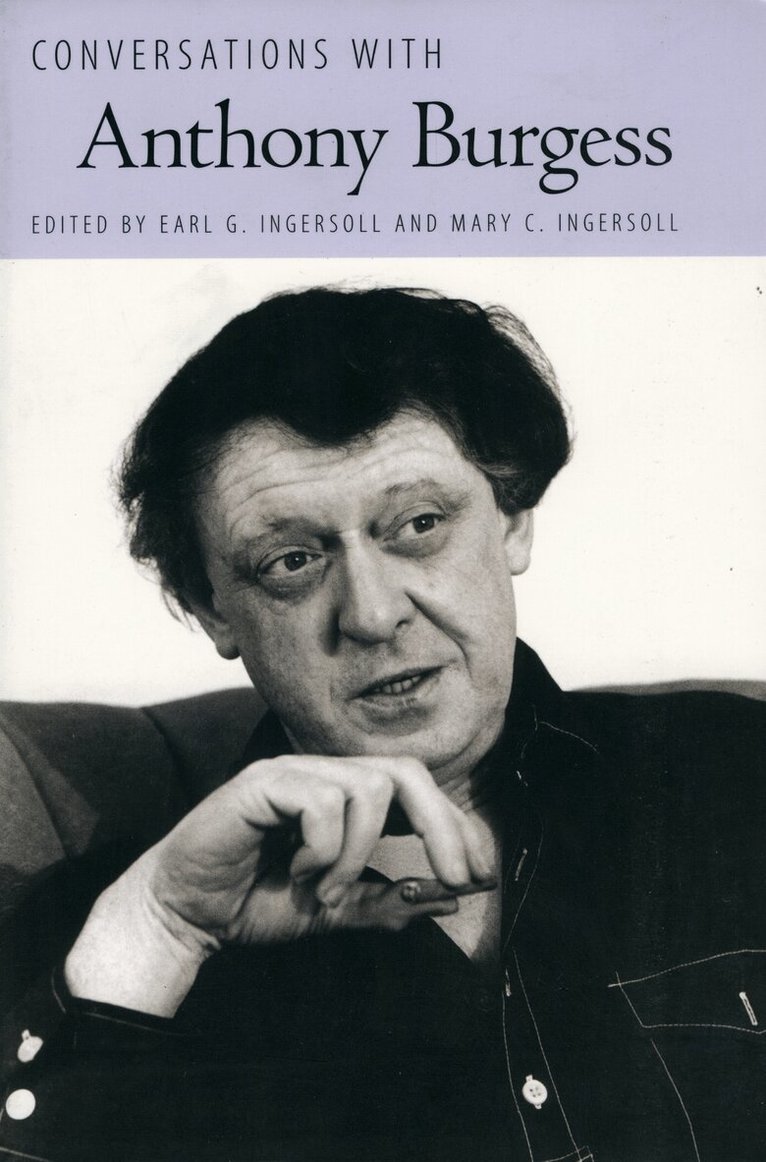
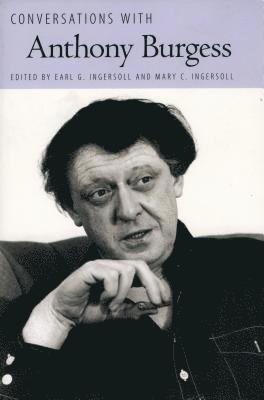
Conversations with Anthony Burgess
Av Earl G. Ingersoll, Mary C. Ingersoll
Häftad, 2008
380 kr
Lägg i varukorg
Although he did not start publishing until middle age, Anthony Burgess (1917-1993) had over sixty published books to his credit by the time of his death. One of them, the short novel A Clockwork Orange (1962), was to bring him fame and notoriety outside England following the 1971 release of Stanley …
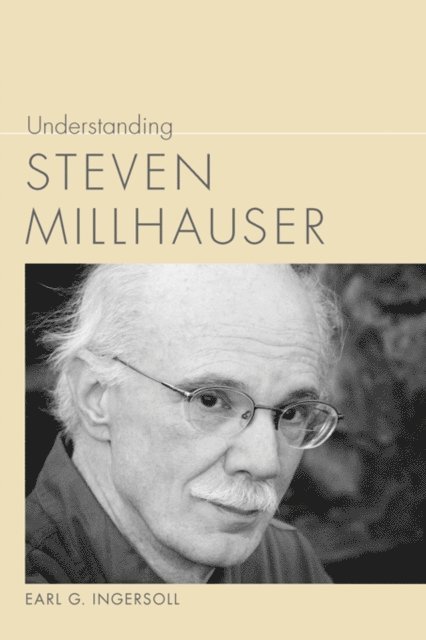
Understanding Steven Millhauser
Inbunden, 2014
394 kr
Lägg i varukorg
Earl Ingersoll introduces the fiction of Steven Millhauser, whose distinguished career of more than four decades includes eight books of short fiction and four novels, the latest being the Pulitzer Prize-winning Martin Dressler (1996). In Understanding Steven Millhauser, Ingersoll explores …
Understanding Steven Millhauser
E-bok, 2014
605 kr
Lägg i varukorg
Earl Ingersoll introduces the fiction of Steven Millhauser, whose distinguished career of more than four decades includes eight books of short fiction and four novels, the latest being the Pulitzer Prize-winning Martin Dressler (1996). In Understanding Steven Millhauser, Ingersoll explores …
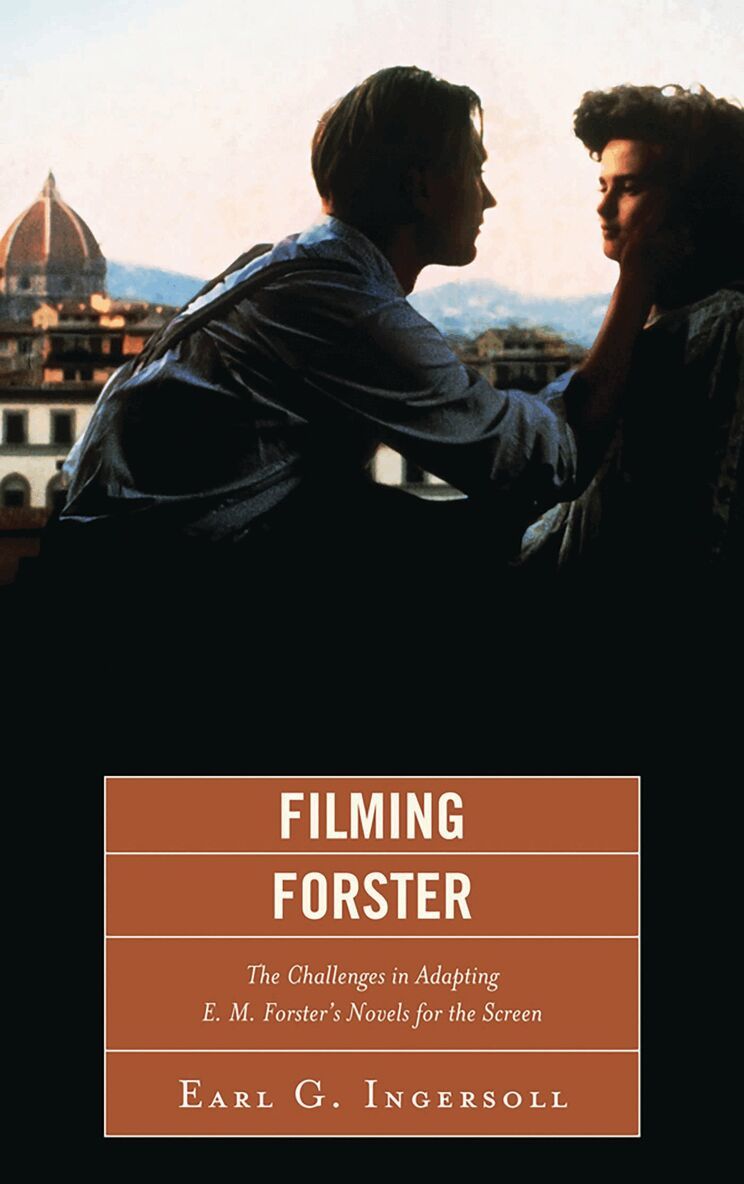
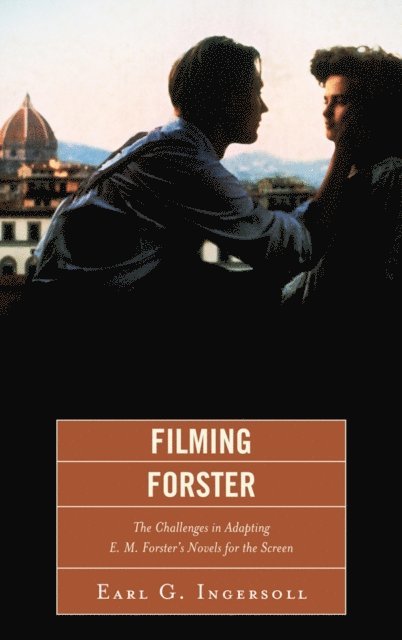
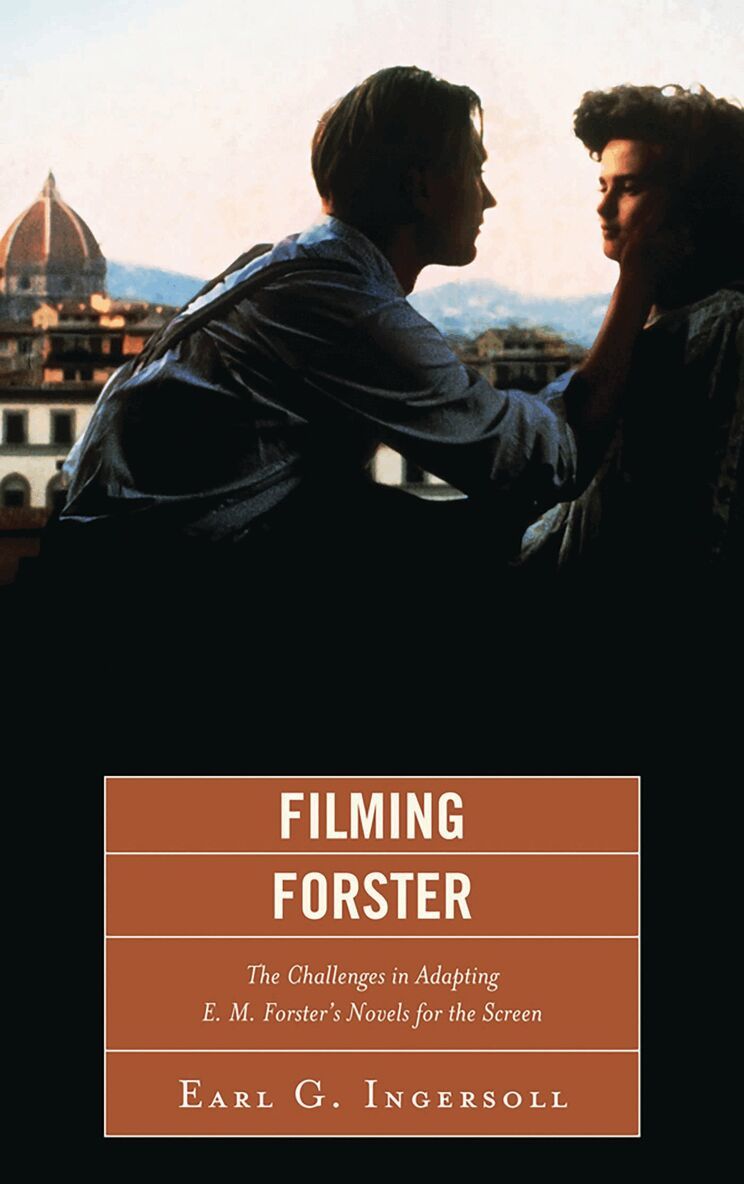
Filming Forster
The Challenges of Adapting E.M. Forster's Novels for the Screen
Inbunden, 2012
1385 kr
Lägg i varukorg
Filming Forster focuses upon the challenges of producing film adaptations of five of E. M. Forster’s novels. Rather than follow the older comparative approach, which typically damned the film for not being “faithful” to the novel, this project explores the interactive relationship between film and …
Filming Forster
The Challenges of Adapting E.M. Forster's Novels for the Screen
E-bok, 2012
807 kr
Lägg i varukorg
Filming Forster focuses upon the challenges of producing film adaptations of five of E. M. Forster’s novels. Rather than follow the older comparative approach, which typically damned the film for not being “faithful” to the novel, this project explores the interactive relationship between film and …
Filming Forster
The Challenges of Adapting E.M. Forster's Novels for the Screen
Häftad, 2014
660 kr
Lägg i varukorg
Filming Forster focuses upon the challenges of producing film adaptations of five of E. M. Forster’s novels. Rather than follow the older comparative approach, which typically damned the film for not being “faithful” to the novel, this project explores the interactive relationship between film and …
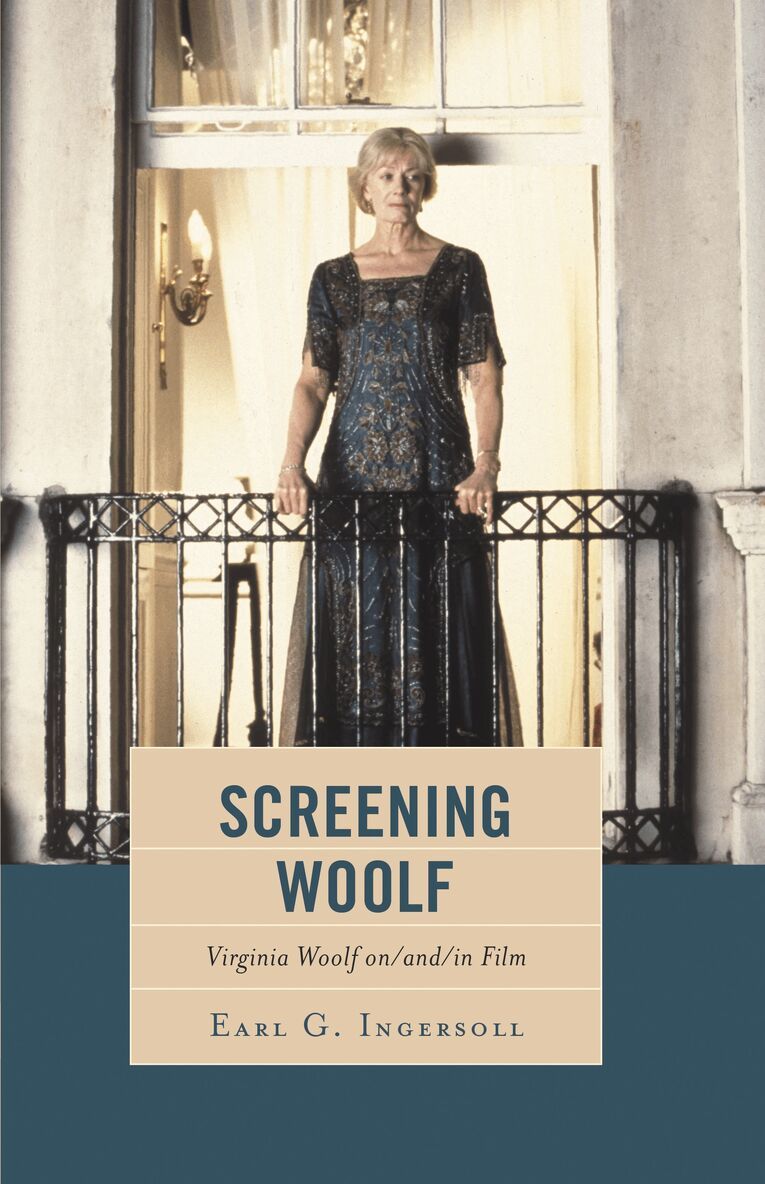
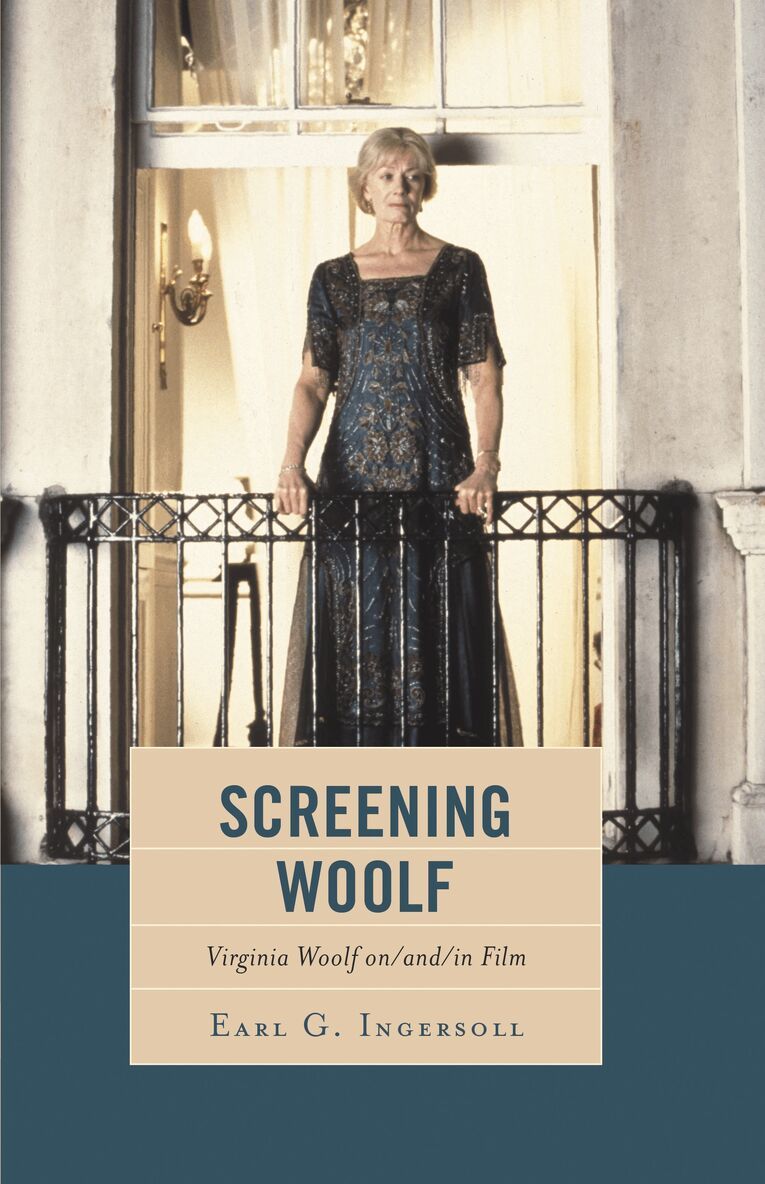
Screening Woolf
Virginia Woolf on/and/in Film
Inbunden, 2016
1223 kr
Lägg i varukorg
As the subtitle indicates, this book has three majors concerns. The first and most important concern is an examination of the film adaptations of Woolf’s novels—To the Lighthouse, Orlando, and Mrs. Dalloway—in the order the films were released. This is the heart of the matter, a fairly conventional …
Screening Woolf
Virginia Woolf on/and/in Film
E-bok, 2016
771 kr
Lägg i varukorg
As the subtitle indicates, this book has three majors concerns. The first and most important concern is an examination of the film adaptations of Woolf’s novels—To the Lighthouse, Orlando, and Mrs. Dalloway—in the order the films were released. This is the heart of the matter, a fairly conventional …
Screening Woolf
Virginia Woolf on/and/in Film
Häftad, 2018
704 kr
Lägg i varukorg
As the subtitle indicates, this book has three majors concerns. The first and most important concern is an examination of the film adaptations of Woolf’s novels—To the Lighthouse, Orlando, and Mrs. Dalloway—in the order the films were released. This is the heart of the matter, a fairly conventional …
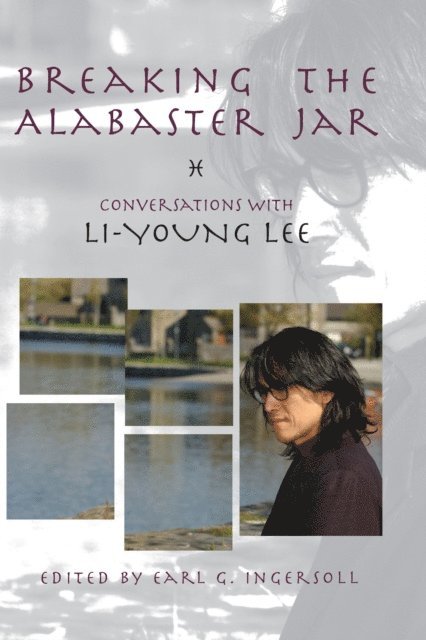
Breaking the Alabaster Jar
Conversations with Li-Young Lee
Av Li-Young Lee, Earl G. Ingersoll
Häftad, 2006
197 kr
Lägg i varukorg
In the foreword to Li-Young Lee’s first book, Rose (BOA Editions, 1986), Gerald Stern wrote, “What characterizes Li-Young Lee’s poetry is a certain kind of humility, a kind of cunning, a love of plain speech, a search for wisdom and understanding. . . . I think we are in the presence of a true …
Breaking the Alabaster Jar
Conversations with Li-Young Lee
Av Li-Young Lee, Earl G. Ingersoll
E-bok, 2015
110 kr
Lägg i varukorg
In the foreword to Li-Young Lee’s first book, Rose (BOA Editions, 1986), Gerald Stern wrote, “What characterizes Li-Young Lee’s poetry is a certain kind of humility, a kind of cunning, a love of plain speech, a search for wisdom and understanding. . . . I think we are in the presence of a true …
Conversations with Rita Dove
Inbunden, 2003
650 kr
Tillfälligt slut
In 1993, Rita Dove (b. 1952) became the nation's youngest and first female African American Poet Laureate. This collection of interviews offers a fascinating portrait of her. Having published over a half-dozen collections of poetry, Dove won a Pulitzer Prize in 1987 for Thomas and Beulah. In …
Conversations with Anthony Burgess
Av Earl G. Ingersoll, Mary C. Ingersol
Inbunden, 2008
650 kr
Tillfälligt slut
Although he did not start publishing until middle age, Anthony Burgess (1917-1993) had over sixty published books to his credit by the time of his death. One of them, the short novel A Clockwork Orange (1962), was to bring him fame and notoriety outside England following the 1971 release of Stanley …