Ed Ayres - Böcker
Visar alla böcker från författaren Ed Ayres. Handla med fri frakt och snabb leverans.
4 produkter
4 produkter
299 kr
Skickas inom 5-8 vardagar
A new collection of articles drawn from World Watch magazine, winner of an Utne Reader Alternative Press Award for investigative reporting. A collection of the best and most-requested articles from the Worldwatch Institute's award-winning magazine, World Watch. What ails the earth and how can we fix it? People all over the world are wrestling with this question, and requesting reliable information on the nature of the environmental threats and how to deal with them. The World Watch Reader responds to this need for timely, authoritative information. Written by the world's preeminent environmental research team, this new edition of the popular anthology offers an in-depth diagnosis of the earth's ills as well as a practical vision of how to create an environmentally responsible future. In a highly readable style, the authors focus on such topics as energy and climate, the effects of water scarcity, the food prospect, oceans in distress, and consumerism and the future of the earth. Here the global, interdisciplinary perspective that makes Worldwatch research unique is available in an accessible, compelling form. All who care about the future of the planet will want to read this volume.
189 kr
Skickas
2 100 kr
Skickas inom 10-15 vardagar
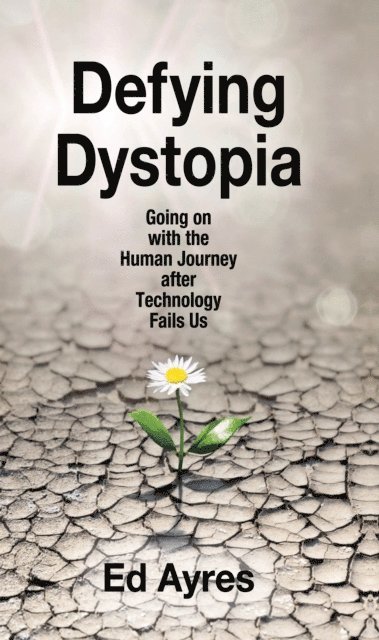
To most, the collapse of modern civilization is the stuff of fiction. Yet, science confirms that misuse of technology and environmental abuse places our world in grave danger of ruin. The World Scientists' Warning to Humanity places our civilization on a collision course. Defying Dystopia analyses how we have come to this, and what options remain for far-seeing people to take control of their own destiny and survive the future.Ed Ayres, who has worked with some iconic environmental scientists of the past half-century, argues that technology was originally used to augment the natural strengths of humans, but has been increasingly used in ways that weaken us—shifting from useful work to the industries of distraction, entertainment, convenience, pain-relief, and sedation. Ayres advises on how at least some of us can avoid that collision. The most critical task, for those of us who want humanity to survive and thrive, is to disengage from our tech thraldom, and shift to a conscious management of our evolution in which we use technology to enhance our skills and strengths rather than erode or supplant them.Ayres provides insightful, actionable suggestions we can use to increase our odds of survival. He asks far-seeing individuals to take on a mission that the dominant governments and institutions demonstrably cannot: the epic task of shepherding a low-profile, resilient transition to a new kind of human future.
682 kr
Skickas inom 10-15 vardagar
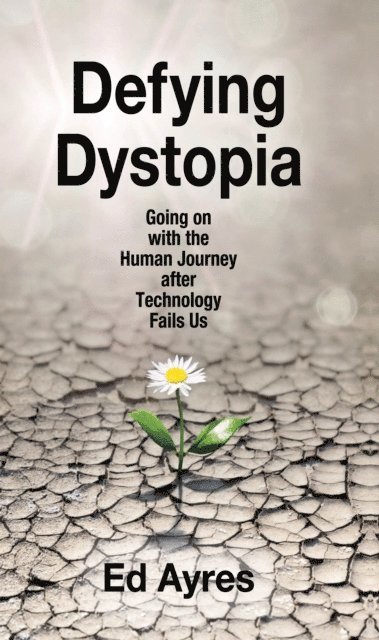
To most, the collapse of modern civilization is the stuff of fiction. Yet, science confirms that misuse of technology and environmental abuse places our world in grave danger of ruin. The World Scientists' Warning to Humanity places our civilization on a collision course. Defying Dystopia analyses how we have come to this, and what options remain for far-seeing people to take control of their own destiny and survive the future.Ed Ayres, who has worked with some iconic environmental scientists of the past half-century, argues that technology was originally used to augment the natural strengths of humans, but has been increasingly used in ways that weaken us—shifting from useful work to the industries of distraction, entertainment, convenience, pain-relief, and sedation. Ayres advises on how at least some of us can avoid that collision. The most critical task, for those of us who want humanity to survive and thrive, is to disengage from our tech thraldom, and shift to a conscious management of our evolution in which we use technology to enhance our skills and strengths rather than erode or supplant them.Ayres provides insightful, actionable suggestions we can use to increase our odds of survival. He asks far-seeing individuals to take on a mission that the dominant governments and institutions demonstrably cannot: the epic task of shepherding a low-profile, resilient transition to a new kind of human future.