Eduardo Kohn – författare
Visar alla böcker från författaren Eduardo Kohn. Handla med fri frakt och snabb leverans.
5 produkter
5 produkter
Inbunden, Engelska, 2013
1 083 kr
Skickas inom 5-8 vardagar
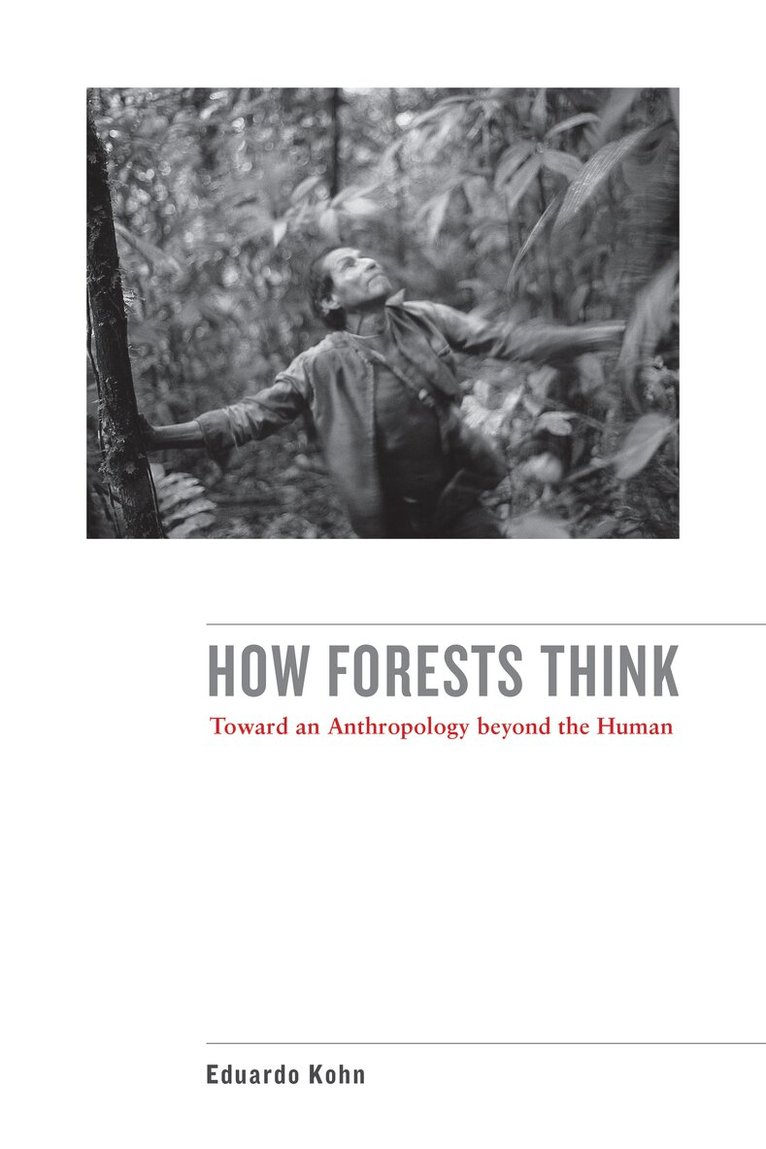
Can forests think? Do dogs dream? In this astonishing book, Eduardo Kohn challenges the very foundations of anthropology, calling into question our central assumptions about what it means to be human - and thus distinct from all other life forms. Based on four years of fieldwork among the Runa of Ecuador's Upper Amazon, Eduardo Kohn draws on his rich ethnography to explore how Amazonians interact with the many creatures that inhabit one of the world's most complex ecosystems. Whether or not we recognize it, our anthropological tools hinge on those capacities that make us distinctly human. However, when we turn our ethnographic attention to how we relate to other kinds of beings, these tools (which have the effect of divorcing us from the rest of the world) break down. How Forests Think seizes on this breakdown as an opportunity. Avoiding reductionistic solutions, and without losing sight of how our lives and those of others are caught up in the moral webs we humans spin, this book skillfully fashions new kinds of conceptual tools from the strange and unexpected properties of the living world itself.In this groundbreaking work, Kohn takes anthropology in a new and exciting direction-one that offers a more capacious way to think about the world we share with other kinds of beings.
Häftad, Engelska, 2013
282 kr
Skickas inom 5-8 vardagar
Can forests think? Do dogs dream? In this astonishing book, Eduardo Kohn challenges the very foundations of anthropology, calling into question our central assumptions about what it means to be human - and thus distinct from all other life forms. Based on four years of fieldwork among the Runa of Ecuador's Upper Amazon, Eduardo Kohn draws on his rich ethnography to explore how Amazonians interact with the many creatures that inhabit one of the world's most complex ecosystems. Whether or not we recognize it, our anthropological tools hinge on those capacities that make us distinctly human. However, when we turn our ethnographic attention to how we relate to other kinds of beings, these tools (which have the effect of divorcing us from the rest of the world) break down. How Forests Think seizes on this breakdown as an opportunity. Avoiding reductionistic solutions, and without losing sight of how our lives and those of others are caught up in the moral webs we humans spin, this book skillfully fashions new kinds of conceptual tools from the strange and unexpected properties of the living world itself.In this groundbreaking work, Kohn takes anthropology in a new and exciting direction-one that offers a more capacious way to think about the world we share with other kinds of beings.
E-bok
Engelska, 2013292 kr
Läs direkt efter köp
Can forests think? Do dogs dream? In this astonishing book, Eduardo Kohn challenges the very foundations of anthropology, calling into question our central assumptions about what it means to be human—and thus distinct from all other life forms. Based on four years of fieldwork among the Runa of Ecuador’s Upper Amazon, Eduardo Kohn draws on his rich ethnography to explore how Amazonians interact with the many creatures that inhabit one of the world’s most complex ecosystems. Whether or not we recognize it, our anthropological tools hinge on those capacities that make us distinctly human. However, when we turn our ethnographic attention to how we relate to other kinds of beings, these tools (which have the effect of divorcing us from the rest of the world) break down. How Forests Think seizes on this breakdown as an opportunity. Avoiding reductionistic solutions, and without losing sight of how our lives and those of others are caught up in the moral webs we humans spin, this book skillfully fashions new kinds of conceptual tools from the strange and unexpected properties of the living world itself. In this groundbreaking work, Kohn takes anthropology in a new and exciting direction–one that offers a more capacious way to think about the world we share with other kinds of beings.
Inbunden, Tyska, 2023
365 kr
Skickas inom 3-6 vardagar
E-bok
Spanska, 2022100 kr
Läs direkt efter köp
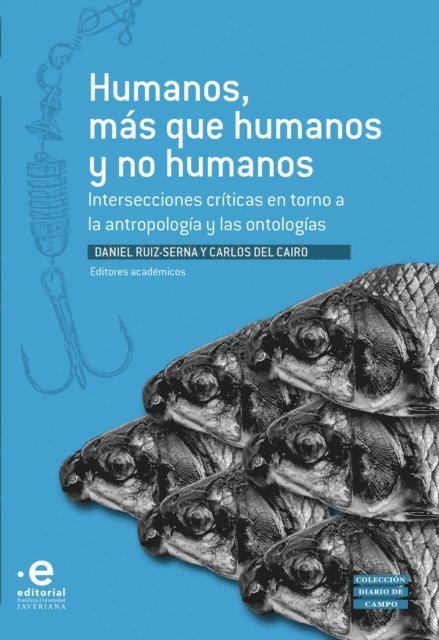
¿Qué significa ser humano en un mundo en el que las fronteras entre cultura y naturaleza son cada vez más porosas? ¿Qué prácticas éticas son posibles cuando se reconoce el papel que los no humanos desempeñan en la constitución de este y de otros mundos? En antropología, la aproximación a estas preguntas se presenta como un conjunto de posturas teóricas y metodológicas denominado giro ontológico. Este libro compila una variedad de perspectivas teóricas y etnográficas que matizan e incluso polemizan los fundamentos y alcances de este giro. Desde pieles animales que actúan como membranas protectoras contra las emanaciones peligrosas de los tesoros enterrados, procedimientos chamanísticospara restablecer el equilibrio cósmico de cuerpos y lugares, pasando por esculturas que actualizan duelos provocados por las acciones más cruentas de la guerra, tecnologías sonoras que transgreden géneros y prácticas musicales, hasta la emergencia de órganos anatómicos abiertos a la sensibilidad de manos que no están entrena- das para percibirlos, los textos de este volumen nos invitan a reflexionar sobre el tipo de realidades que se conjuran una vez que se desestabiliza la escisión ontológica entre naturaleza y cultura.