Edward Beasley – författare
858 kr
Skickas inom 10-15 vardagar
2 244 kr
Skickas inom 10-15 vardagar
2 319 kr
Skickas inom 10-15 vardagar
2 717 kr
Skickas inom 3-6 vardagar
836 kr
Läs direkt efter köp
Throughout the nineteenth century the British Empire was the subject of much writing; floods of articles, books and government reports were produced about the areas under British control and the policy of imperialism. Mid-Victorian Imperialists investigates how the Victorians made sense of all the information regarding the empire by examining the writings of a collection of gentlemen who were amongst the first people to join the Colonial Society in 1868-69. These men included imperial officials, leading settlers, British politicians and writers, and Beasley looks at the common trends in their beliefs about the British Empire and how their thoughts changed during their lives to show how Mid-Victorian theories of racial, cultural and political classification arose.
836 kr
Läs direkt efter köp
Throughout the nineteenth century the British Empire was the subject of much writing; floods of articles, books and government reports were produced about the areas under British control and the policy of imperialism. Mid-Victorian Imperialists investigates how the Victorians made sense of all the information regarding the empire by examining the writings of a collection of gentlemen who were amongst the first people to join the Colonial Society in 1868-69. These men included imperial officials, leading settlers, British politicians and writers, and Beasley looks at the common trends in their beliefs about the British Empire and how their thoughts changed during their lives to show how Mid-Victorian theories of racial, cultural and political classification arose.
819 kr
Läs direkt efter köp
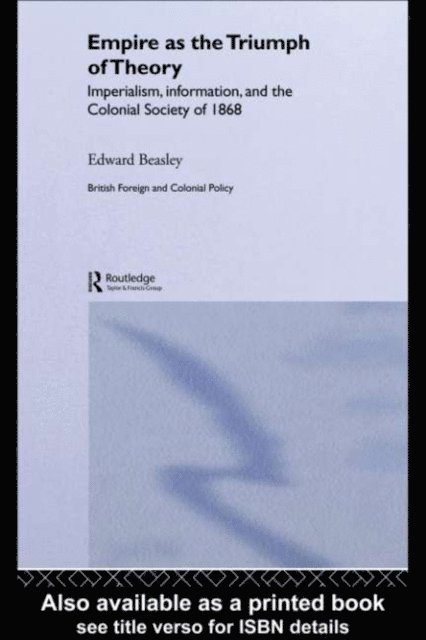
Who were the first people to invent a world-historical mission for the British Empire? And what were the constituencies behind the development of the imperialistic thinking in mid-Victorian England? These questions are vital for understanding where the New Imperialism of the late nineteenth century came from. Empire as the Triumph of Theory takes as its sample the more than two hundred earliest members of the first major pro-imperial pressure group: the Colonial Society (founded in 1868, it is now the Royal Commonwealth Society).The book goes on to a careful and well-written tour of the different parts of the Victorian world, putting the founders of the Colonial society into their social contexts. Empire as the Triumph of Theory concludes that imperialism was developed less by investors and office holders than by people who, whatever their other activities, had written books or articles about the cultures of the world. Victorian activities around the globe were multitudinous and varied, and general ideas about England''s imperial mission were, in fact, constructed by members of the Colonial Society, in order to make sense out of information flowing in from this teeming world.This is the first work to explore the social and intellectual origins of the Colonial Society. It brings the mid-Victorians to life, and should become a standard work for specialists on imperialism.
819 kr
Läs direkt efter köp
Who were the first people to invent a world-historical mission for the British Empire? And what were the constituencies behind the development of the imperialistic thinking in mid-Victorian England? These questions are vital for understanding where the New Imperialism of the late nineteenth century came from. Empire as the Triumph of Theory takes as its sample the more than two hundred earliest members of the first major pro-imperial pressure group: the Colonial Society (founded in 1868, it is now the Royal Commonwealth Society).The book goes on to a careful and well-written tour of the different parts of the Victorian world, putting the founders of the Colonial society into their social contexts. Empire as the Triumph of Theory concludes that imperialism was developed less by investors and office holders than by people who, whatever their other activities, had written books or articles about the cultures of the world. Victorian activities around the globe were multitudinous and varied, and general ideas about England''s imperial mission were, in fact, constructed by members of the Colonial Society, in order to make sense out of information flowing in from this teeming world.This is the first work to explore the social and intellectual origins of the Colonial Society. It brings the mid-Victorians to life, and should become a standard work for specialists on imperialism.
986 kr
Läs direkt efter köp
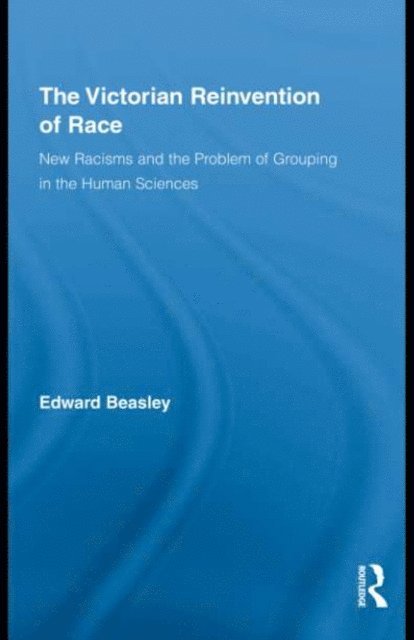
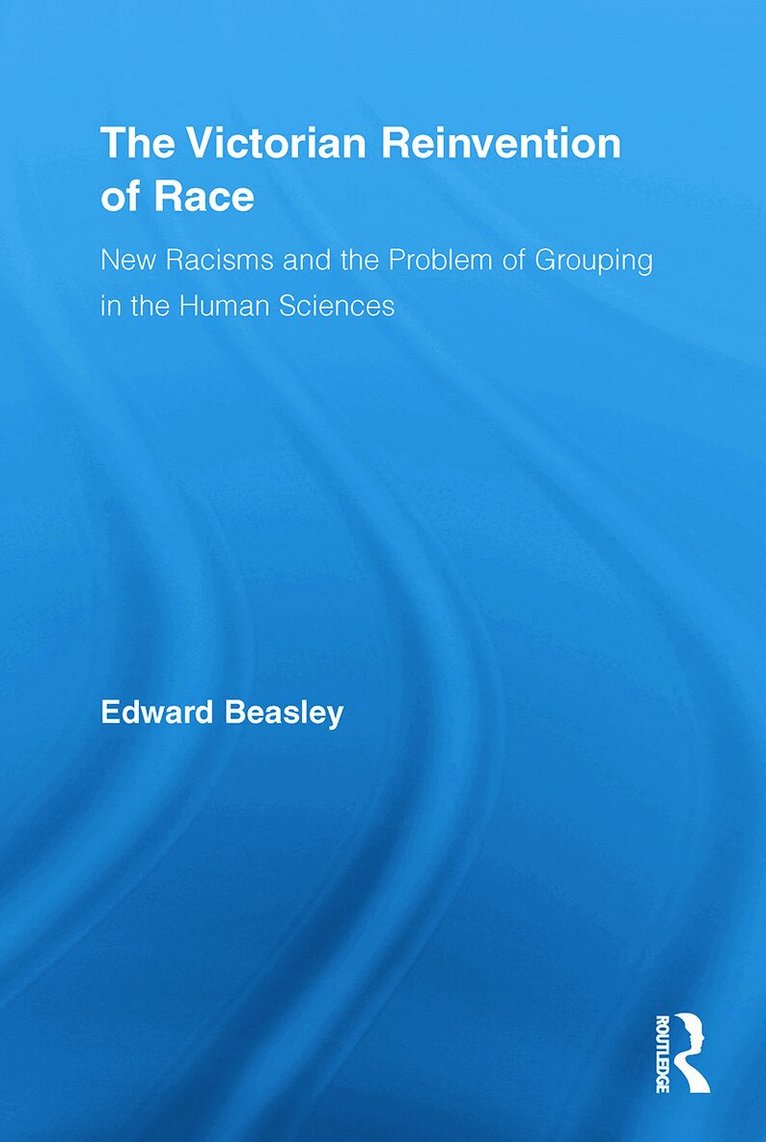
In mid-Victorian England there were new racial categories based upon skin colour. The ''races'' familiar to those in the modern west were invented and elaborated after the decline of faith in Biblical monogenesis in the early nineteenth century, and before the maturity of modern genetics in the middle of the twentieth. Not until the early nineteenth century would polygenetic and racialist theories win many adherents. But by the middle of the nineteenth century in England, racial categories were imposed upon humanity. How the idea of ''race'' gained popularity in England at that time is the central focus of The Victorian Reinvention of Race: New Racisms and the Problem of Grouping in the Human Sciences.
Scholars have linked this new racism to some very dodgy thinkers. The Victorian Reinvention of Race examines a more influential set of the era''s writers and colonial officials, some French but most of them British. Attempting to do serious social analysis, these men oversimplified humanity into biologically-heritable, mentally and morally unequal, colour-based ''races''. Thinkers giving in to this racist temptation included Alexis de Tocqueville when he was writing on Algeria; Arthur de Gobineau (who influenced the Nazis); Walter Bagehot of The Economist; and Charles Darwin (whose Descent of Man was influenced by Bagehot). Victorians on Race also examines officials and thinkers (such as Tocqueville in Democracy in America, the Duke of Argyll, and Governor Gordon of Fiji) who exercised methodological care, doing the hard work of testing their categories against the evidence. They analyzed human groups without slipping into racial categorization. Author Edward Beasley examines the extent to which the Gobineau-Bagehot-Darwin way of thinking about race penetrated the minds of certain key colonial governors. He further explores the hardening of the rhetoric of race-prejudice in some quarters in England in the nineteenth century – the processes by which racism was first formed.
986 kr
Läs direkt efter köp
In mid-Victorian England there were new racial categories based upon skin colour. The ''races'' familiar to those in the modern west were invented and elaborated after the decline of faith in Biblical monogenesis in the early nineteenth century, and before the maturity of modern genetics in the middle of the twentieth. Not until the early nineteenth century would polygenetic and racialist theories win many adherents. But by the middle of the nineteenth century in England, racial categories were imposed upon humanity. How the idea of ''race'' gained popularity in England at that time is the central focus of The Victorian Reinvention of Race: New Racisms and the Problem of Grouping in the Human Sciences.
Scholars have linked this new racism to some very dodgy thinkers. The Victorian Reinvention of Race examines a more influential set of the era''s writers and colonial officials, some French but most of them British. Attempting to do serious social analysis, these men oversimplified humanity into biologically-heritable, mentally and morally unequal, colour-based ''races''. Thinkers giving in to this racist temptation included Alexis de Tocqueville when he was writing on Algeria; Arthur de Gobineau (who influenced the Nazis); Walter Bagehot of The Economist; and Charles Darwin (whose Descent of Man was influenced by Bagehot). Victorians on Race also examines officials and thinkers (such as Tocqueville in Democracy in America, the Duke of Argyll, and Governor Gordon of Fiji) who exercised methodological care, doing the hard work of testing their categories against the evidence. They analyzed human groups without slipping into racial categorization. Author Edward Beasley examines the extent to which the Gobineau-Bagehot-Darwin way of thinking about race penetrated the minds of certain key colonial governors. He further explores the hardening of the rhetoric of race-prejudice in some quarters in England in the nineteenth century – the processes by which racism was first formed.
729 kr
Skickas inom 10-15 vardagar
2 460 kr
Skickas inom 10-15 vardagar
729 kr
Skickas inom 10-15 vardagar
714 kr
Skickas inom 10-15 vardagar
836 kr
Läs direkt efter köp
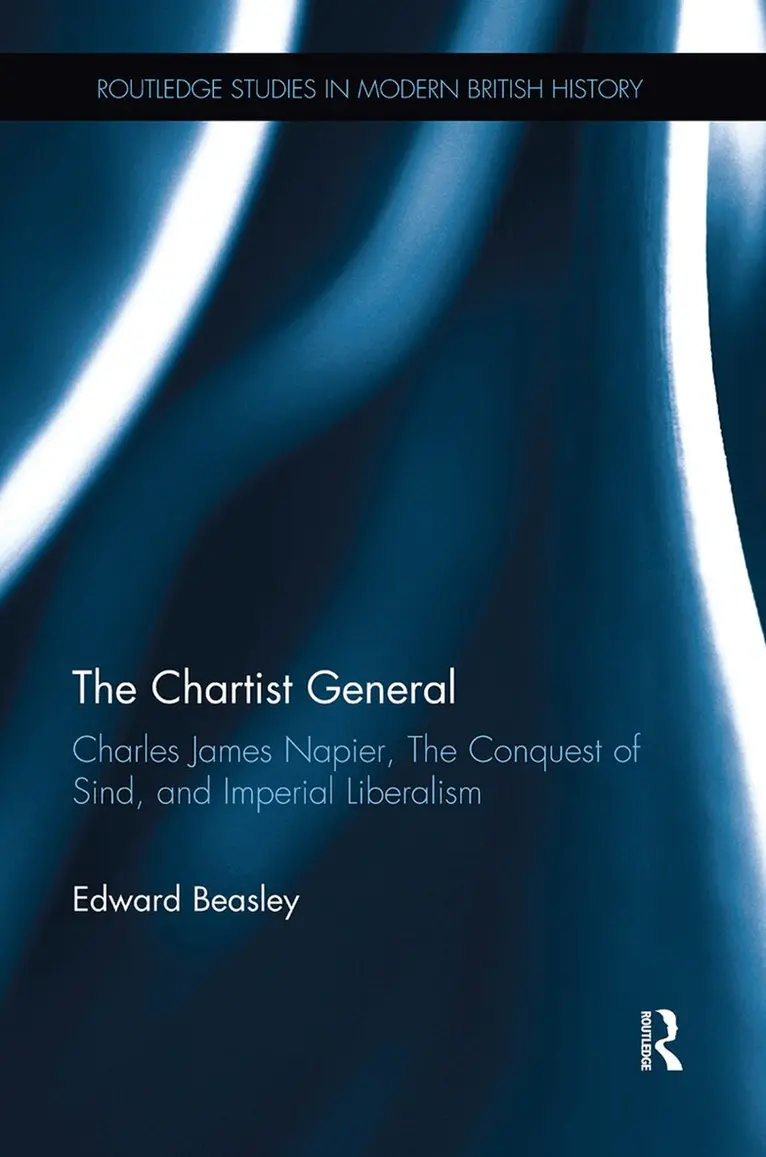
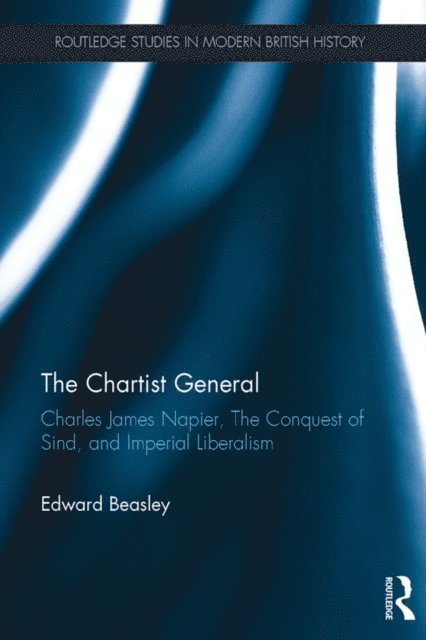
General Charles James Napier was sent to confront the tens of thousands of Chartist protestors marching through the cities of the North of England in the late 1830s. A well-known leftist who agreed with the Chartist demands for democracy, Napier managed to keep the peace. In South Asia, the same man would later provoke a war and conquer Sind. In this first-ever scholarly biography of Napier, Edward Beasley asks how the conventional depictions of the man as a peacemaker in England and a warmonger in Asia can be reconciled. Employing deep archival research and close readings of Napier''s published books (ignored by prior scholars), this well-written volume demonstrates that Napier was a liberal imperialist who believed that if freedom was right for the people of England it was right for the people of Sind -- even if "freedom" had to be imposed by military force. Napier also confronted the messy aftermath of Western conquest, carrying out nation-building with mixed success, trying to end the honour killing of women, and eventually discovering the limits of imperial interference.
836 kr
Läs direkt efter köp
General Charles James Napier was sent to confront the tens of thousands of Chartist protestors marching through the cities of the North of England in the late 1830s. A well-known leftist who agreed with the Chartist demands for democracy, Napier managed to keep the peace. In South Asia, the same man would later provoke a war and conquer Sind. In this first-ever scholarly biography of Napier, Edward Beasley asks how the conventional depictions of the man as a peacemaker in England and a warmonger in Asia can be reconciled. Employing deep archival research and close readings of Napier''s published books (ignored by prior scholars), this well-written volume demonstrates that Napier was a liberal imperialist who believed that if freedom was right for the people of England it was right for the people of Sind -- even if "freedom" had to be imposed by military force. Napier also confronted the messy aftermath of Western conquest, carrying out nation-building with mixed success, trying to end the honour killing of women, and eventually discovering the limits of imperial interference.
1 544 kr
Kommande
706 kr
Kommande
1 127 kr
Skickas inom 5-8 vardagar
539 kr
Skickas inom 5-8 vardagar