Eike Exner – författare
Visar alla böcker från författaren Eike Exner. Handla med fri frakt och snabb leverans.
3 produkter
3 produkter
Häftad, Engelska, 2021
376 kr
Skickas inom 5-8 vardagar
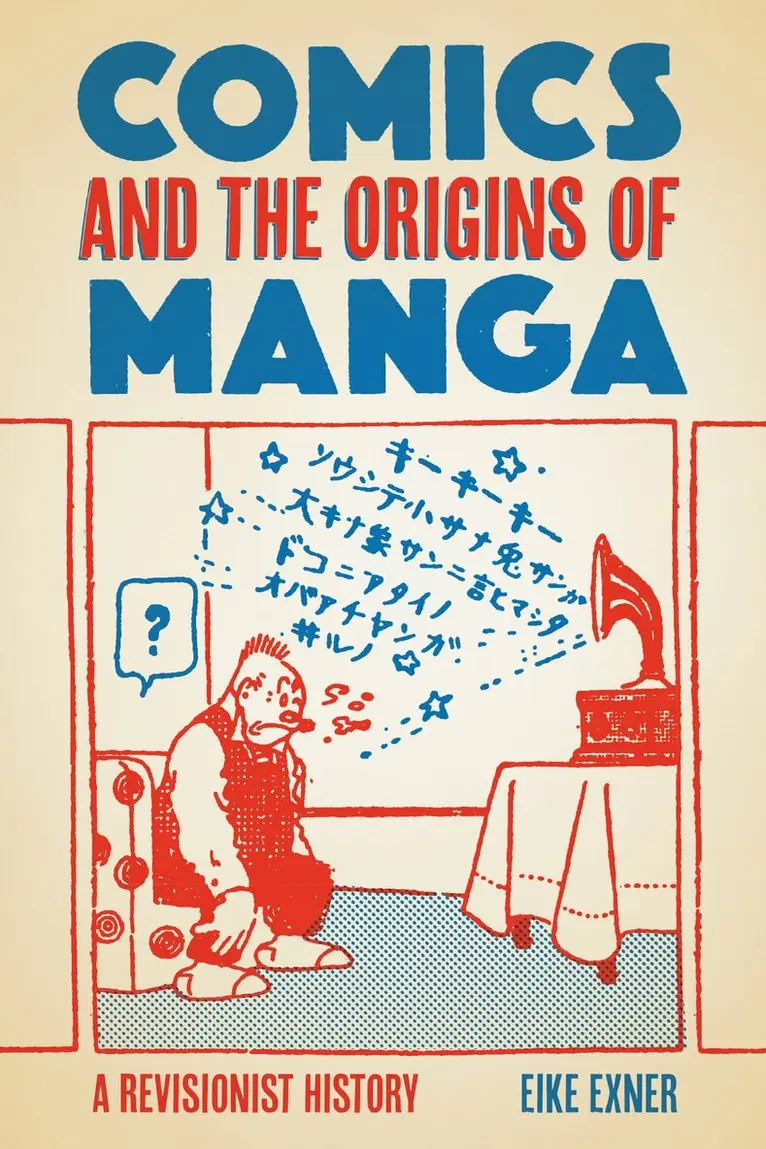
2022 Eisner Award Winner for Best Academic/Scholarly Work Japanese comics, commonly known as manga, are a global sensation. Critics, scholars, and everyday readers have often viewed this artform through an Orientalist framework, treating manga as the exotic antithesis to American and European comics. In reality, the history of manga is deeply intertwined with Japan's avid importation of Western technology and popular culture in the early twentieth century. Comics and the Origins of Manga reveals how popular U.S. comics characters like Jiggs and Maggie, the Katzenjammer Kids, Felix the Cat, and Popeye achieved immense fame in Japan during the 1920s and 1930s. Modern comics had earlier developed in the United States in response to new technologies like motion pictures and sound recording, which revolutionized visual storytelling by prompting the invention of devices like speed lines and speech balloons. As audiovisual entertainment like movies and record players spread through Japan, comics followed suit. Their immediate popularity quickly encouraged Japanese editors and cartoonists to enthusiastically embrace the foreign medium and make it their own, paving the way for manga as we know it today. By challenging the conventional wisdom that manga evolved from centuries of prior Japanese art and explaining why manga and other comics around the world share the same origin story, Comics and the Origins of Manga offers a new understanding of this increasingly influential artform.

Inbunden, Engelska, 2025
351 kr
Skickas inom 5-8 vardagar
A groundbreaking story of Japanese comics from their nineteenth-century origins to the present day The immensely popular art form of manga, or Japanese comics, has made its mark across global pop culture, influencing film, visual art, video games, and more. This book is the first to tell the history of comics in Japan as a single, continuous story, focusing on manga as multipanel cartoons that show stories rather than narrate them. Eike Exner traces these cartoons’ gradual evolution from the 1890s until today, culminating in manga’s explosion in global popularity in the 2000s and the current shift from print periodicals to digital media and smartphone apps. Over the course of this 130-year history, Exner answers questions about the origins of Japanese comics, the establishment of their distinctive visuals, and how they became such a fundamental part of the Japanese publishing industry, incorporating well-known examples such as Dragon Ball and Sailor Moon, as well as historical manga little known outside of Japan. The book pays special attention to manga’s structural development, examining the roles played not only by star creators but also by editors and major publishers such as Kōdansha that embraced comics as a way of selling magazines to different, often gendered, readerships. This engaging narrative presents extensive new research, making it an essential read for enthusiasts and experts alike.
Inbunden, Engelska, 2021
911 kr
Skickas inom 5-8 vardagar
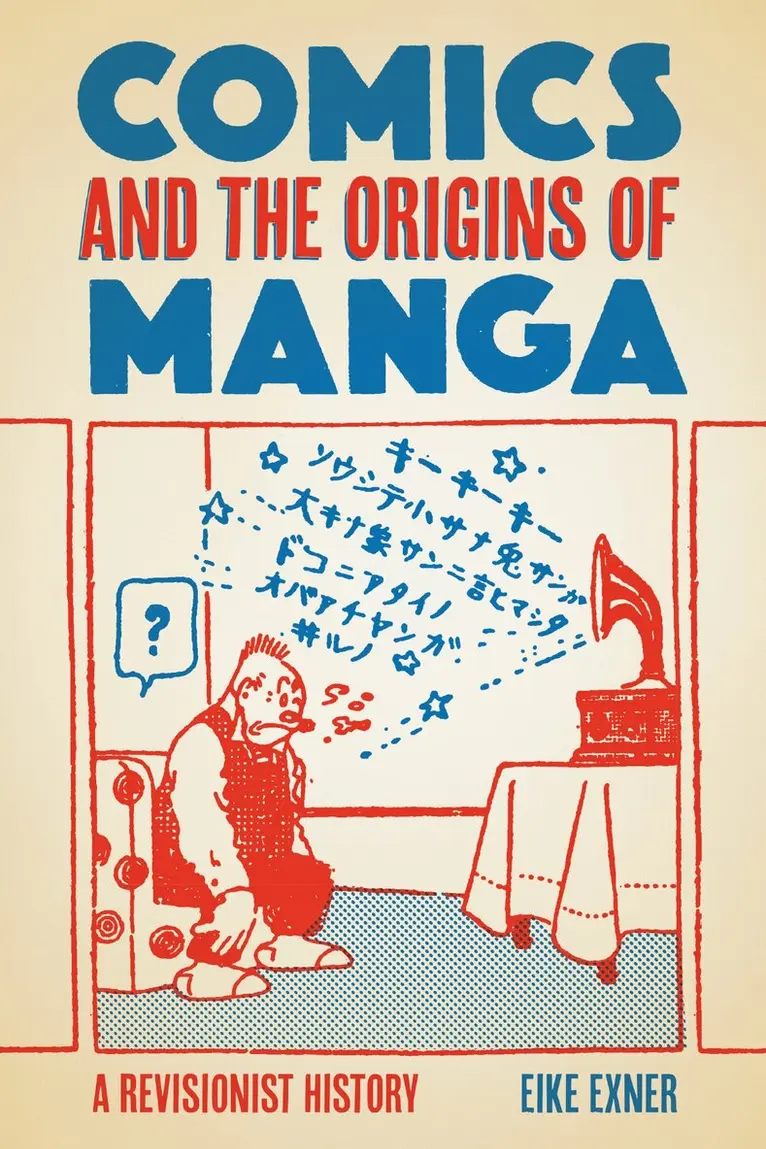
2022 Eisner Award Winner for Best Academic/Scholarly Work Japanese comics, commonly known as manga, are a global sensation. Critics, scholars, and everyday readers have often viewed this artform through an Orientalist framework, treating manga as the exotic antithesis to American and European comics. In reality, the history of manga is deeply intertwined with Japan's avid importation of Western technology and popular culture in the early twentieth century. Comics and the Origins of Manga reveals how popular U.S. comics characters like Jiggs and Maggie, the Katzenjammer Kids, Felix the Cat, and Popeye achieved immense fame in Japan during the 1920s and 1930s. Modern comics had earlier developed in the United States in response to new technologies like motion pictures and sound recording, which revolutionized visual storytelling by prompting the invention of devices like speed lines and speech balloons. As audiovisual entertainment like movies and record players spread through Japan, comics followed suit. Their immediate popularity quickly encouraged Japanese editors and cartoonists to enthusiastically embrace the foreign medium and make it their own, paving the way for manga as we know it today. By challenging the conventional wisdom that manga evolved from centuries of prior Japanese art and explaining why manga and other comics around the world share the same origin story, Comics and the Origins of Manga offers a new understanding of this increasingly influential artform.