
Elena Cherepanov – författare
2 474 kr
Skickas inom 10-15 vardagar

595 kr
Skickas inom 10-15 vardagar

554 kr
Läs direkt efter köp
Understanding the Transgenerational Legacy of Totalitarian Regimes examines the ways in which the cultural memory of surviving totalitarianism can continue to shape individual and collective vulnerabilities as well as build strength and resilience in subsequent generations.
The author uses her personal experience of growing up in the former Soviet Union and professional expertise in global trauma to explore how the psychological legacy of totalitarian regimes influences later generations’ beliefs, behaviors, and social and political choices. The book offers interdisciplinary perspectives on the complex aftermath of societal victimization in different cultures and discusses survivors’ experiences. Readers will find practical tools that can be used in family therapy, cognitive-behavioral therapy, and peace building to recognize and challenge preconceived assumptions stemming from cultural trauma.
This book equips trauma-minded mental health professionals with an understanding of the transgenerational toxicity of totalitarianism and with strategies for becoming educated consumers of cultural legacy.

554 kr
Läs direkt efter köp
Understanding the Transgenerational Legacy of Totalitarian Regimes examines the ways in which the cultural memory of surviving totalitarianism can continue to shape individual and collective vulnerabilities as well as build strength and resilience in subsequent generations.
The author uses her personal experience of growing up in the former Soviet Union and professional expertise in global trauma to explore how the psychological legacy of totalitarian regimes influences later generations’ beliefs, behaviors, and social and political choices. The book offers interdisciplinary perspectives on the complex aftermath of societal victimization in different cultures and discusses survivors’ experiences. Readers will find practical tools that can be used in family therapy, cognitive-behavioral therapy, and peace building to recognize and challenge preconceived assumptions stemming from cultural trauma.
This book equips trauma-minded mental health professionals with an understanding of the transgenerational toxicity of totalitarianism and with strategies for becoming educated consumers of cultural legacy.
2 101 kr
Skickas inom 10-15 vardagar
609 kr
Skickas inom 10-15 vardagar
727 kr
Läs direkt efter köp
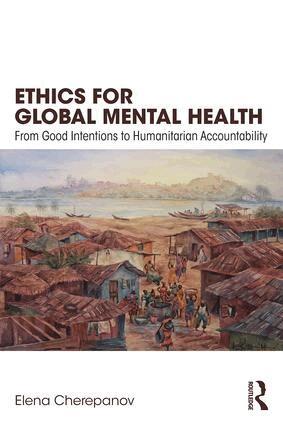
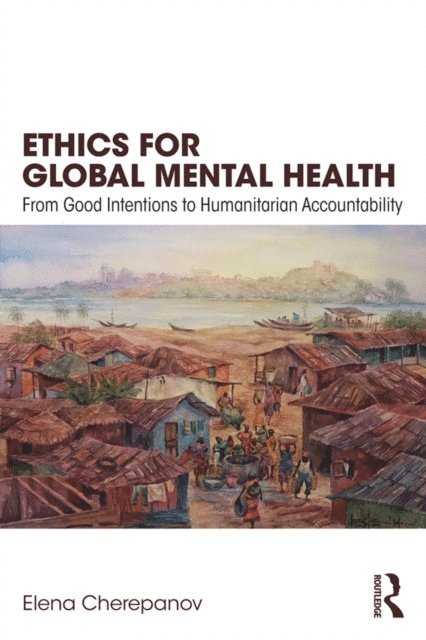
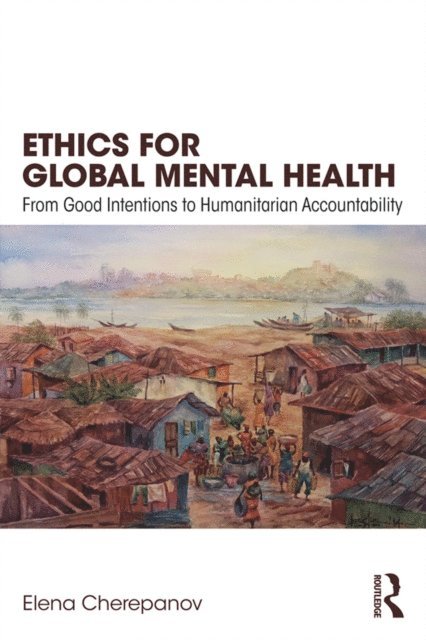
Ethics for Global Mental Health examines the limitations of current normative approaches to global mental health (GMH) work and argues for a values-based framework that prioritizes accountability and contextual relevance of humanitarian and profession-specific values. It cautions against using aspirational ideals as operational guidance. Chapters are organized around challenges arising in humanitarian research, disaster relief, post-conflict recovery, fieldwork, and refugee resettlement and are designed to equip readers with strategies for resolving professional dilemmas and negotiating conflicting priorities. Also included is a sample training curriculum as well as case studies and exercises that help professionals address countertransference and burnout, and recognize ethically questionable practices such as trauma tourism, rescuer fantasy, or savior complex.
727 kr
Läs direkt efter köp
Ethics for Global Mental Health examines the limitations of current normative approaches to global mental health (GMH) work and argues for a values-based framework that prioritizes accountability and contextual relevance of humanitarian and profession-specific values. It cautions against using aspirational ideals as operational guidance. Chapters are organized around challenges arising in humanitarian research, disaster relief, post-conflict recovery, fieldwork, and refugee resettlement and are designed to equip readers with strategies for resolving professional dilemmas and negotiating conflicting priorities. Also included is a sample training curriculum as well as case studies and exercises that help professionals address countertransference and burnout, and recognize ethically questionable practices such as trauma tourism, rescuer fantasy, or savior complex.
1 219 kr
Skickas inom 10-15 vardagar
1 622 kr
Läs direkt efter köp
This book provides a comprehensive guidance for mental health professionals to humanitarianism and humanitarian culture. When responding to disasters, wars, famines, political violence and other humanitarian emergencies, mental health providers join other multidisciplinary and multisectoral humanitarian actors coming from around the world and united by a common purpose of saving lives and eliminating suffering. This book orients globally minded mental health and human services providers to the professional and personal challenges they can face and equips them with core humanitarian competencies: the understanding of the context of humanitarian work, the knowledge of relief systems, and best practices.
Familiarity with the guidelines and regulations is essential for establishing effective collaborations and conducting contextually appropriate and ethical interventions, avoiding duplication of services, minimizing fragmentation, and reducing risks for all involved. The recognition of tremendous differential power and the extreme vulnerability of people served call for the highest standards and integrity of conduct and practice as the price for an ethical indiscretion in a humanitarian emergency can be very high. Humanitarian competencies mitigate risks associated with aid work in the increasingly polarized and politicized world. This mentally and morally demanding environment emphasizes the importance of peer support, self-awareness and self-care to manage fantasies and prevent burnout.
The book is written by a global mental health expert with over 20 years of experience responding to international humanitarian emergencies and teaching theory and practice of global mental health in academic settings. In this volume, Dr. Elena Cherepanov combines empirical evidence with academic rigor to share unique insights and original observations with mental health professionals interested in learning the nuts and bolts of humanitarian action. The author also reviews ethically questionable practices, emerging myths and misconceptions in global mental health work and suggests protocols for negotiating ethical and moral dilemmas in the humanitarian situation.