Eli Rubin – Författare
Visar alla böcker från författaren Eli Rubin. Handla med fri frakt och snabb leverans.
6 produkter
6 produkter
Stepping into the Past
Activities for the Western Civilization Classroom, 1450-present
Häftad, Engelska, 2024
851 kr
Skickas inom 3-6 vardagar
Stepping into the Past is a collection of structured activities designed for the Western Civ or Introductory European History classroom, designed for all levels of students and institutions. Through simulations, projects centered on primary sources, and other forms of experiential learning, Stepping into the Past actively engages students with history. Each activity is designed to be run in the span of one class period, in a variety of classroom spaces, and using only the materials and technologies normally at the disposal of most instructors. The activities are designed to enhance students' overall level of engagement and commitment to the class as a whole, leading to more positive learning experiences, a higher level of satisfaction, greater retention of historical content and analysis, and more profound understanding of the material.
1 594 kr
Skickas inom 5-8 vardagar
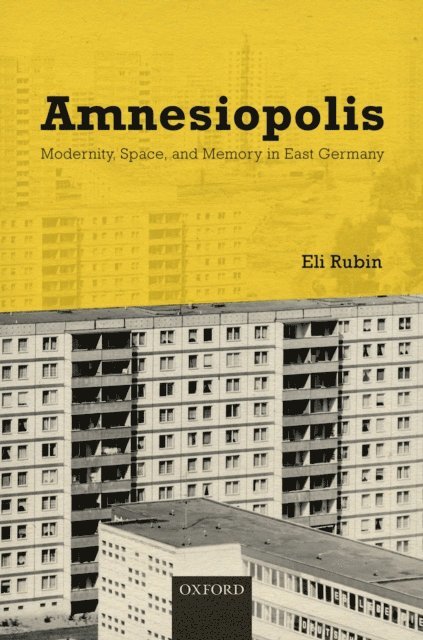
Amnesiopolis explores the construction of Marzahn, the largest prefabricated housing project in East Germany, built on the outskirts of East Berlin in the 1970s and 1980s, and touted by the regime as the future of socialism. It focuses particularly on the experience of East Germans who moved, often from crumbling slums left over as a legacy of the nineteenth century, into this radically new place - one defined by pure functionality and rationality - a material manifestation of the utopian promise of socialism.Eli Rubin employs methodologies from critical geography, urban history, architectural history, environmental history, and everyday life history to ask whether their experience was a radical break with their personal pasts and the German past. Amnesiopolis asks: can a dramatic change in spatial and material surroundings sever the links of memory that tie people to their old life narratives, and if so, does that help build a new socialist mentality in the minds of historical subjects? The answer is yes and no-as much as the East German state tried to create a completely new socialist settlement, divorced of any links to the pre-socialist past, the massive construction project uncovered the truth buried-literally-in the ground, which was that the urge to colonize the outskirts of Berlin was not new at all. Furthermore, the construction of a new city out of nothing, using repeating, identical buildings, created a panopticon-like effect, giving the Stasi the possibility of more complete surveillance than they previously had.
Synthetic Socialism
Plastics and Dictatorship in the German Democratic Republic
Häftad, Engelska, 2014
489 kr
Skickas inom 10-15 vardagar
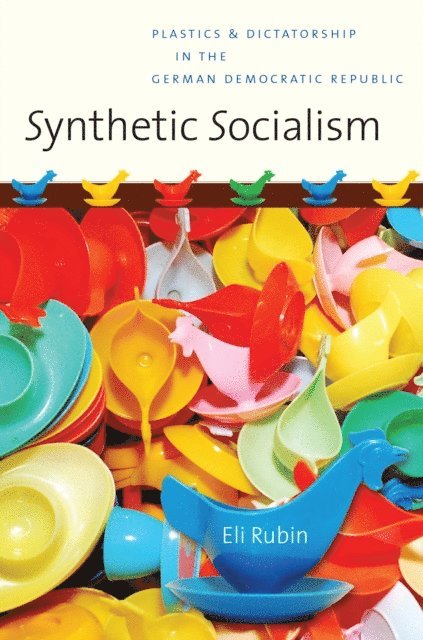
Eli Rubin takes an innovative approach to consumer culture to explore questions of political consensus and consent and the impact of ideology on everyday life in the former East Germany. Synthetic Socialism explores the history of East Germany through the production and use of a deceptively simple material: plastic. Rubin investigates the connections between the communist government, its Bauhaus-influenced designers, its retooled postwar chemical industry, and its general consumer population. He argues that East Germany was neither a totalitarian state nor a niche society but rather a society shaped by the confluence of unique economic and political circumstances interacting with the concerns of ordinary citizens.To East Germans, Rubin says, plastic was a high-technology material, a symbol of socialism's scientific and economic superiority over capitalism. Most of all, the state and its designers argued, plastic goods were of a particularly special quality, not to be thrown away like products of the wasteful West. Rubin demonstrates that this argument was accepted by the mainstream of East German society, for whom the modern, socialist dimension of a plastics-based everyday life had a deep resonance.
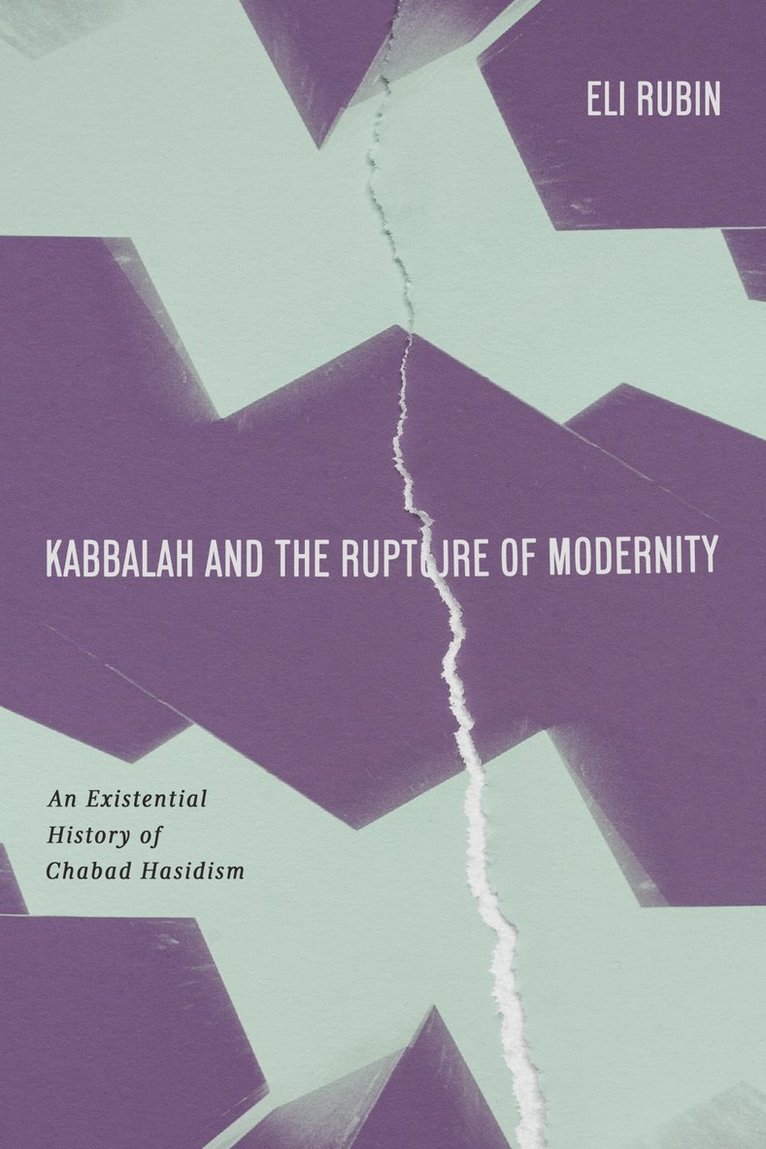
Kabbalah and the Rupture of Modernity
An Existential History of Chabad Hasidism
Inbunden, Engelska, 2025
745 kr
Skickas inom 7-10 vardagar
Kabbalah and the Rupture of Modernity provides a comprehensive intellectual and institutional history of Chabad Hasidism through the Kabbalistic concept of ṣimṣum. The onset of modernity, Eli Rubin argues, was heralded by this startling idea: existence itself is predicated on a self-inflicted "rupture" in the infinite assertion of divinity. Centuries of theoretical disputations concerning ṣimṣum ultimately morphed into religious and social schism. These debates confronted the meaning of being and forged the animating ethos of Chabad, the most dynamic movement in modern Judaism. Chabad's distinctive character and self-image, Rubin shows, emerged from its spirited defense of Hasidism's interpretation of ṣimṣum as an act of love leading to rapturous reunion. This interpretation ignited a literal conflagration, complete with book burnings, denunciations, investigations, and arrests. Chabad's subsequent preoccupation with ṣimṣum was equally significant for questions of legitimacy, authority, and succession, as for existential questions of being and meaning.Unfolding the story of Chabad from the early modern period to the twentieth century, this book provides fresh portraits of the successive leaders of the movement. Innovatively integrating history, philosophy, and literature, Rubin shows how Kabbalistic ideas are crucially entangled in the experience of modernity and in the response to its ruptures.
Kabbalah and the Rupture of Modernity: An Existential History of Chabad Hasidism
Häftad, Engelska, 2027
636 kr
Kommande
Del 70 - German Life & Civilization
Ecologies of Socialisms
Germany, Nature, and the Left in History, Politics, and Culture
Häftad, Engelska, 2019
753 kr
Skickas inom 5-8 vardagar