Elias Dimitriou – författare
1 477 kr
Skickas inom 10-15 vardagar
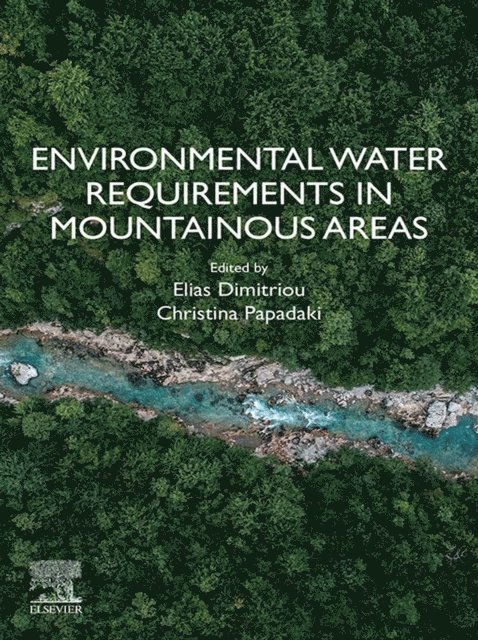
Environmental Water Requirements in Mountainous Areas presents comprehensive and scientifically sound approaches and methodologies for estimating the environmental water requirements and tradeoffs for water allocation by analyzing anthropogenic and natural water needs. The book covers environmental water management issues in mountainous areas, specifically focusing on the Mediterranean region which exhibits significant contrasts in its demographic and hydrologic features. The authors include paradigms and information that will be useful for water resources managers, decision makers, scientists working in the fields of ecology and water resources management, engineers that design hydraulic works, and environmental policymakers.
Offers a complete background screening on theoretical and practical guidelines on estimating environmental water requirements in mountainous areas Promotes and guides interdisciplinary work with information on policies and best practices in the field of ecological flows and water resources management Provides examples and case studies on the successful implementation efforts of ecological flows to analyze lessons learned and overcome practical issues and solutions2 047 kr
Läs direkt efter köp
1 511 kr
Skickas inom 10-15 vardagar
1 891 kr
Läs direkt efter köp
4 090 kr
Skickas inom 10-15 vardagar
3 504 kr
Läs direkt efter köp
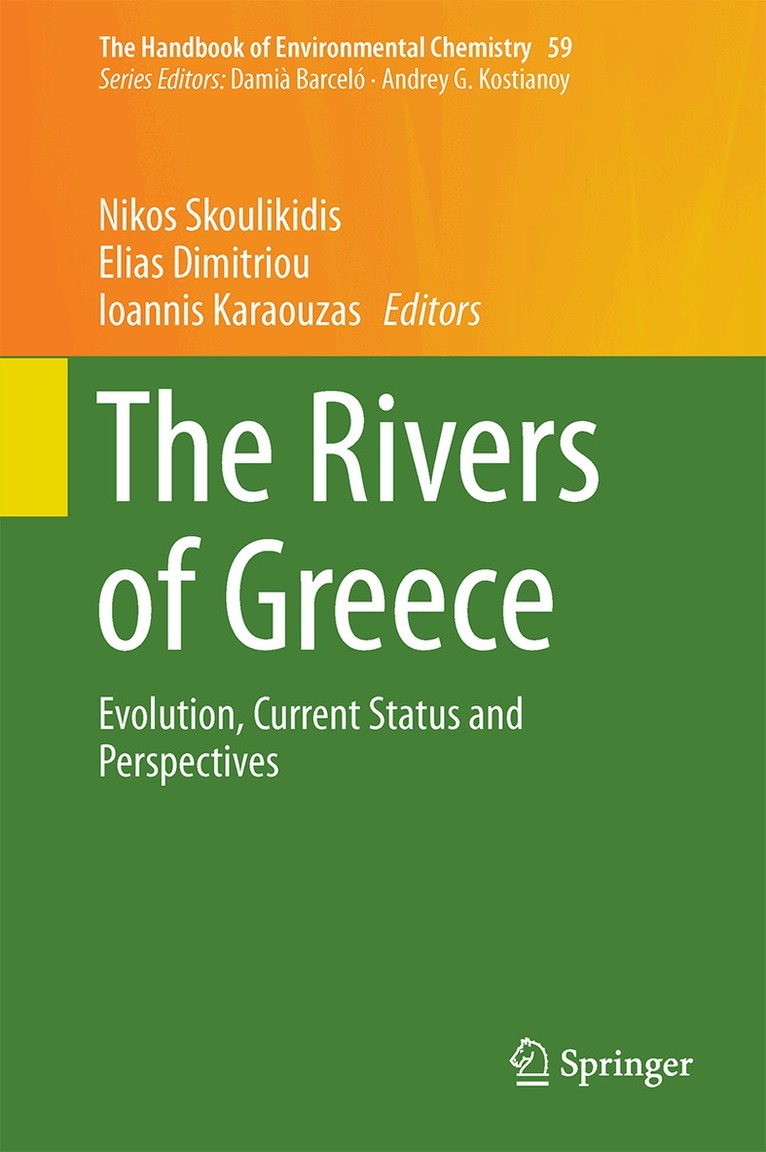
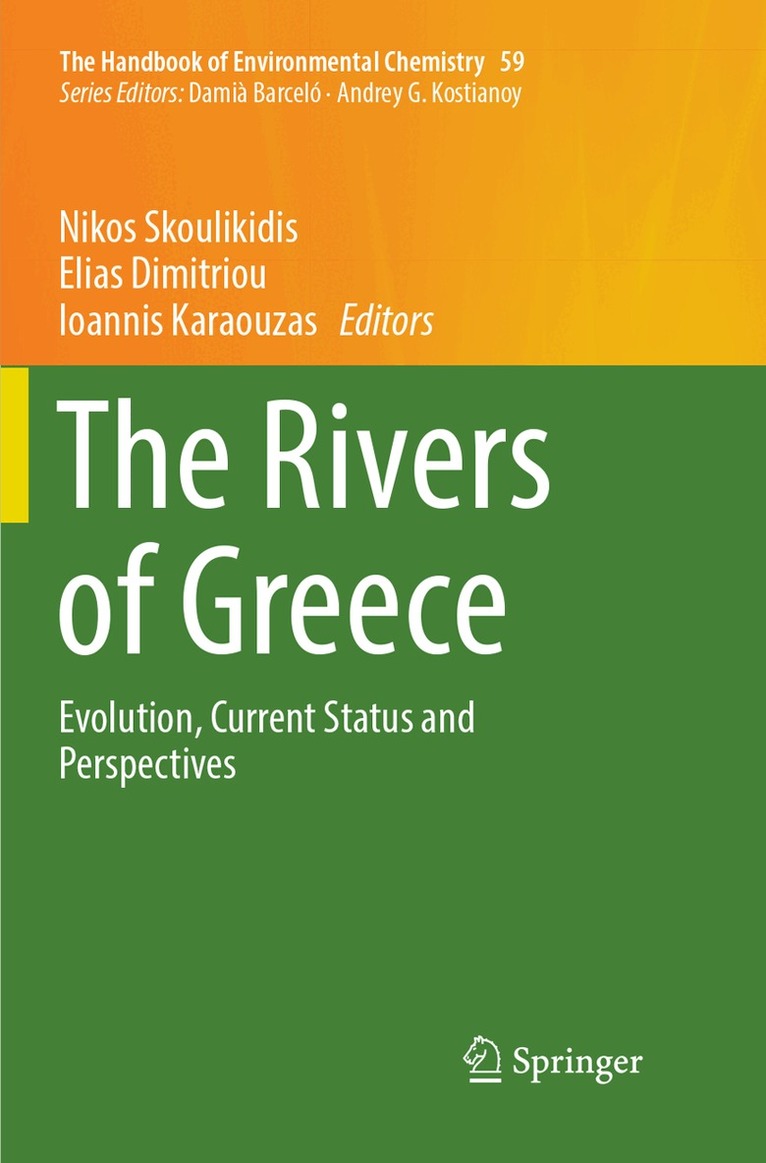
This volume provides essential information on the origin and evolution of Greek rivers, as well as their ecological and anthropogenic characteristics. The topics covered include geomythology, biogeography, hydrology, hydrobiology, hydrogeochemistry, geological and biogeochemical processes, anthropogenic pressures and ecological impacts, water management – both in the antiquity and today – and river restoration.
The book is divided into four parts, the first of which explores the importance of rivers for ancient Greek civilization and the natural processes affecting their evolution during the Holocene. In the second part, the hydrological, hydrochemical and biological features of Greek rivers and the unique biogeographical characteristics that form the basis for their high biodiversity and endemism are highlighted, while the third part comprehensively discusses the impacts of environmental pollution on the structure and function of Greek river ecosystems. In turn, the final part describes the current socio-economic factors in Greece that are affecting established water management practices, the application of ecohydrological approaches in restoring fragmented rivers, and the lessons learned from restoring aquatic ecosystems in general as a paradigm for understanding and minimizing anthropogenic impacts on water resources, at the Mediterranean scale.
Given the breadth and depth of its coverage, the book offers an invaluable source of information for researchers, students and environmental managers alike.
2 898 kr
Skickas inom 10-15 vardagar