Elizabeth Ann Danto - Böcker
Visar alla böcker från författaren Elizabeth Ann Danto. Handla med fri frakt och snabb leverans.
3 produkter
3 produkter
633 kr
Skickas inom 7-10 vardagar
Historiography is the method of doing historical research, a potentially powerful tool in a social work historian or qualitative researcher's arsenal. This addition to the Pocket Guides to Social Work Research Methods guides doctoral students and researchers in the construction of a historical study, from problem formulation to instrument construction to data collection and analysis.
1 076 kr
Skickas inom 7-10 vardagar
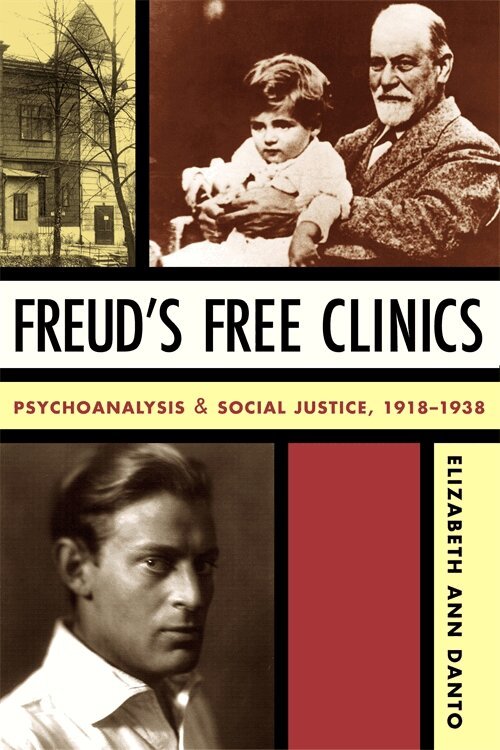
Today many view Sigmund Freud as an elitist whose psychoanalytic treatment was reserved for the intellectually and financially advantaged. However, in this new work Elizabeth Ann Danto presents a strikingly different picture of Freud and the early psychoanalytic movement. Danto recovers the neglected history of Freud and other analysts' intense social activism and their commitment to treating the poor and working classes. Danto's narrative begins in the years following the end of World War I and the fall of the Habsburg Empire. Joining with the social democratic and artistic movements that were sweeping across Central and Western Europe, analysts such as Freud, Wilhelm Reich, Erik Erikson, Karen Horney, Erich Fromm, and Helene Deutsch envisioned a new role for psychoanalysis. These psychoanalysts saw themselves as brokers of social change and viewed psychoanalysis as a challenge to conventional political and social traditions. Between 1920 and 1938 and in ten different cities, they created outpatient centers that provided free mental health care.They believed that psychoanalysis would share in the transformation of civil society and that these new outpatient centers would help restore people to their inherently good and productive selves. Drawing on oral histories and new archival material, Danto offers vivid portraits of the movement's central figures and their beliefs. She explores the successes, failures, and challenges faced by free institutes such as the Berlin Poliklinik, the Vienna Ambulatorium, and Alfred Adler's child-guidance clinics. She also describes the efforts of Wilhelm Reich's Sex-Pol, a fusion of psychoanalysis and left-wing politics, which provided free counseling and sex education and aimed to end public repression of private sexuality. In addition to situating the efforts of psychoanalysts in the political and cultural contexts of Weimar Germany and Red Vienna, Danto also discusses the important treatments and methods developed during this period, including child analysis, short-term therapy, crisis intervention, task-centered treatment, active therapy, and clinical case presentations.Her work illuminates the importance of the social environment and the idea of community to the theory and practice of psychoanalysis.
274 kr
Skickas inom 7-10 vardagar
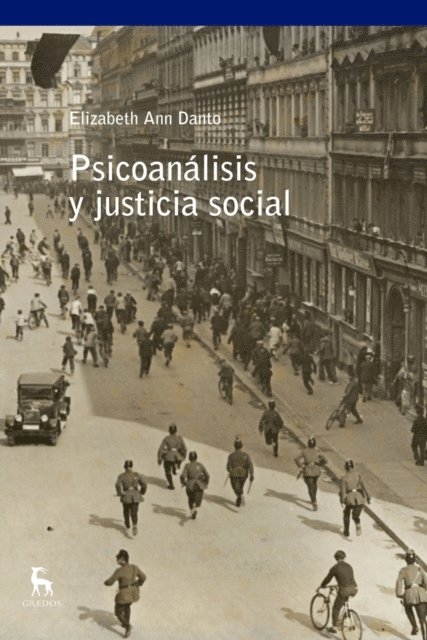
Today many view Sigmund Freud as an elitist whose psychoanalytic treatment was reserved for the intellectually and financially advantaged. However, in this new work Elizabeth Ann Danto presents a strikingly different picture of Freud and the early psychoanalytic movement. Danto recovers the neglected history of Freud and other analysts' intense social activism and their commitment to treating the poor and working classes. Danto's narrative begins in the years following the end of World War I and the fall of the Habsburg Empire. Joining with the social democratic and artistic movements that were sweeping across Central and Western Europe, analysts such as Freud, Wilhelm Reich, Erik Erikson, Karen Horney, Erich Fromm, and Helene Deutsch envisioned a new role for psychoanalysis. These psychoanalysts saw themselves as brokers of social change and viewed psychoanalysis as a challenge to conventional political and social traditions. Between 1920 and 1938 and in ten different cities, they created outpatient centers that provided free mental health care.They believed that psychoanalysis would share in the transformation of civil society and that these new outpatient centers would help restore people to their inherently good and productive selves. Drawing on oral histories and new archival material, Danto offers vivid portraits of the movement's central figures and their beliefs. She explores the successes, failures, and challenges faced by free institutes such as the Berlin Poliklinik, the Vienna Ambulatorium, and Alfred Adler's child-guidance clinics. She also describes the efforts of Wilhelm Reich's Sex-Pol, a fusion of psychoanalysis and left-wing politics, which provided free counseling and sex education and aimed to end public repression of private sexuality. In addition to situating the efforts of psychoanalysts in the political and cultural contexts of Weimar Germany and Red Vienna, Danto also discusses the important treatments and methods developed during this period, including child analysis, short-term therapy, crisis intervention, task-centered treatment, active therapy, and clinical case presentations.Her work illuminates the importance of the social environment and the idea of community to the theory and practice of psychoanalysis.