Elizabeth Martyn – författare
Visar alla böcker från författaren Elizabeth Martyn. Handla med fri frakt och snabb leverans.
6 produkter
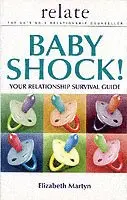
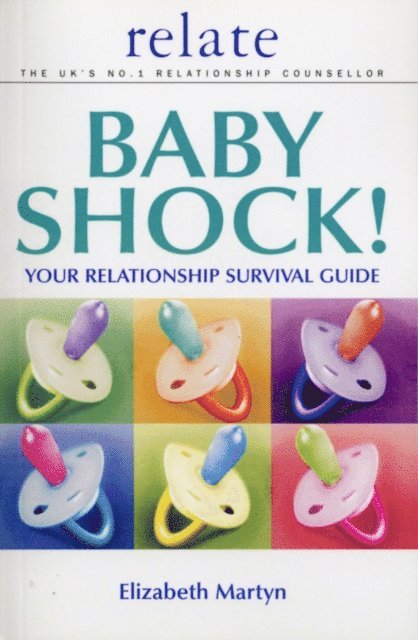
Baby Shock!
Your Relationship Survival Guide
Häftad, 2001
176 kr
Lägg i varukorg
Babyshock! is for any parents who have forgotten what it's like to be a couple because their children have taken over their lives. The experiences of pregnancy, childbirth and caring for children are wonderful, but also put a great deal of pressure on a relationship. This book identifies the …
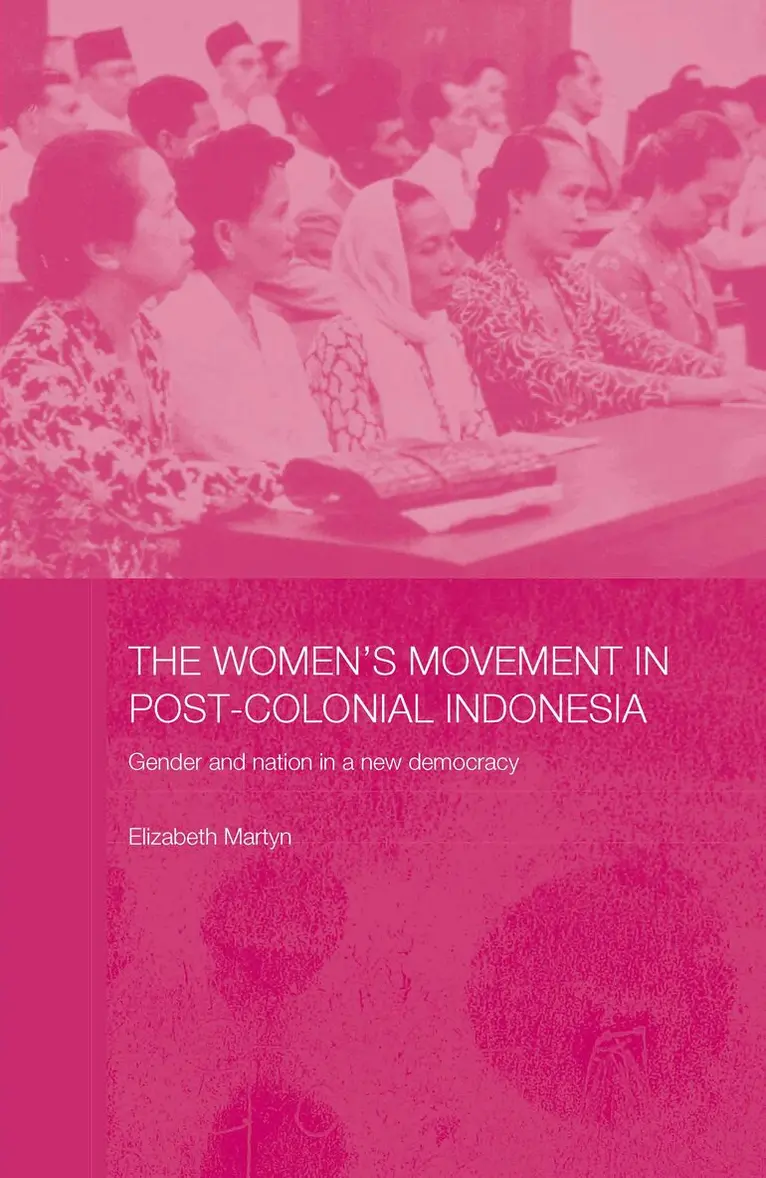
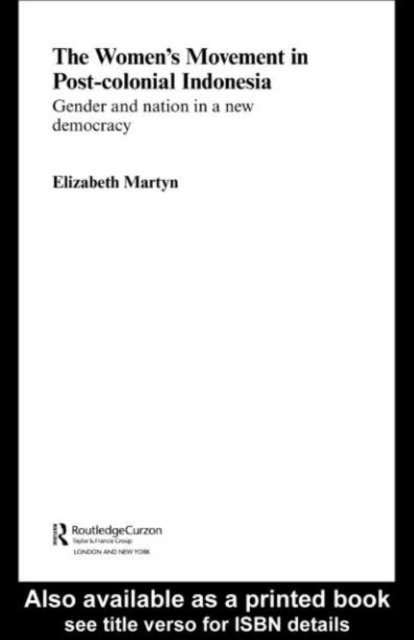
Women's Movement in Postcolonial Indonesia
Gender and Nation in a New Democracy
Inbunden, 2004
2516 kr
Lägg i varukorg
This book examines women's activism in the early years of independent Indonesia when new attitudes to gender, nationalism, citizenship and democratization were forming. It questions the meaning of democratization for women and their relationship to national sovereignty within the new Indonesian …
Women's Movement in Postcolonial Indonesia
Gender and Nation in a New Democracy
Häftad, 2010
751 kr
Lägg i varukorg
This book examines women's activism in the early years of independent Indonesia when new attitudes to gender, nationalism, citizenship and democratization were forming. It questions the meaning of democratization for women and their relationship to national sovereignty within the new Indonesian …
Women's Movement in Postcolonial Indonesia
Gender and Nation in a New Democracy
E-bok, 2004
890 kr
Lägg i varukorg
This book examines women''s activism in the early years of independent Indonesia when new attitudes to gender, nationalism, citizenship and democratization were forming. It questions the meaning of democratization for women and their relationship to national sovereignty within the new Indonesian …
Women's Movement in Postcolonial Indonesia
Gender and Nation in a New Democracy
E-bok, 2004
910 kr
Lägg i varukorg
This book examines women''s activism in the early years of independent Indonesia when new attitudes to gender, nationalism, citizenship and democratization were forming. It questions the meaning of democratization for women and their relationship to national sovereignty within the new Indonesian …
Baby Shock!
Your Relationship Survival Guide
E-bok, 2011
147 kr
Lägg i varukorg
Babyshock! is for any parents who have forgotten what it's like to be a couple because their children have taken over their lives. The experiences of pregnancy, childbirth and caring for children are wonderful, but also put a great deal of pressure on a relationship. This book identifies the …