Elizabeth Mesok - Böcker
Visar alla böcker från författaren Elizabeth Mesok. Handla med fri frakt och snabb leverans.
3 produkter
3 produkter
591 kr
Kommande
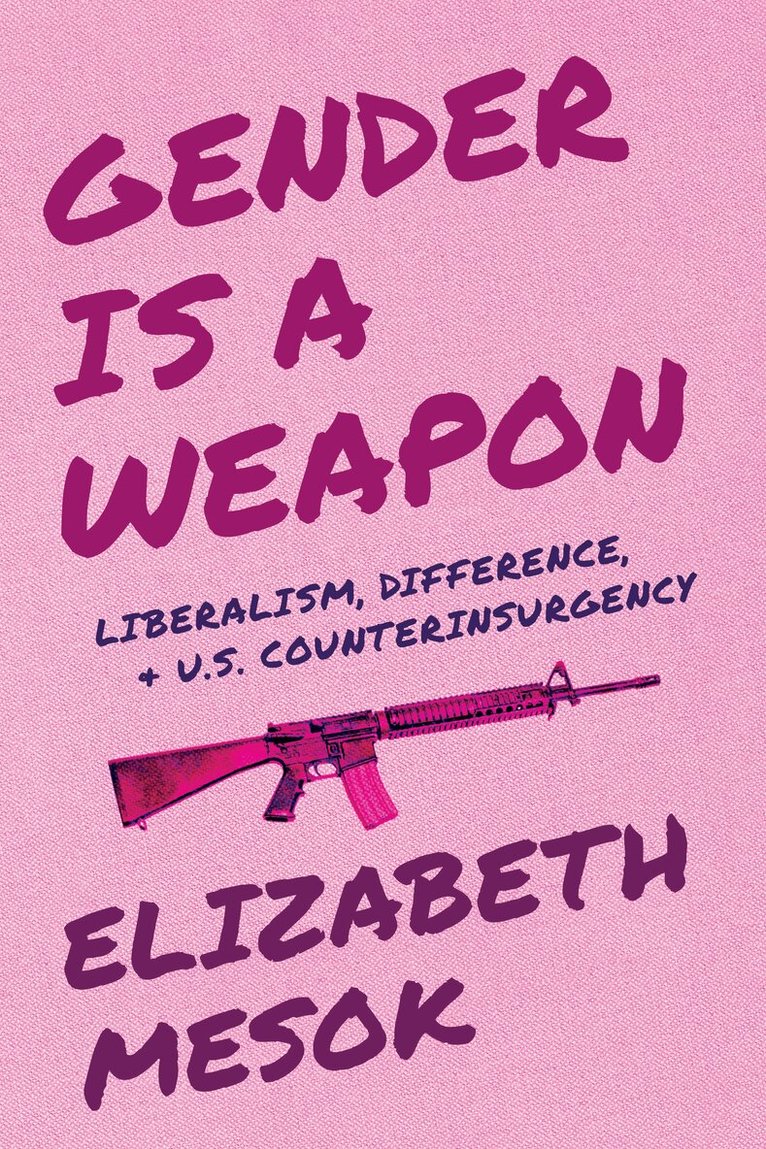
After the end of the draft in 1973, the US military increasingly targeted women, particularly Black women, for military enlistment. Military service promised women a chance to transform their lives and demonstrate their worth as citizens. Told through the narratives of US women soldiers and Marines deployed to Iraq and Afghanistan—foregrounding women of color and queer women—Gender Is a Weapon recounts how women’s gender difference was used strategically for counterinsurgency and the tensions and contradictions evidenced by women’s military service.Through ethnographic and archival research with women soldiers and marines, as well as military and government officials, the book contextualizes women’s service in Iraq and Afghanistan against the promises of liberal inclusion unfolding throughout the late twentieth and early twenty-first century. Centered on narratives of Black and Indigenous women, women of color, immigrant women, white women, and queer women, Gender Is a Weapon analyzes the transformations of martial citizenship; the racialized language of cultural difference in the US’s revitalized counterinsurgency doctrine; the gendered performances of women in combat and civilian engagement missions; and ultimately, the irreparable injuries of body and mind with which these women returned home. The epilogue discusses the recent dismantling of DEI in the military and US government more broadly, reflecting on what we can learn from the violent history of military liberal inclusion to help us better understand our contemporary moment. By carefully attending to both the discursive construction and performative enactment of gender in militarized and securitized contexts, the book advances theoretical frames for studying gender in state militaries, militarism, and late liberalism.
1 543 kr
Kommande
After the end of the draft in 1973, the US military increasingly targeted women, particularly Black women, for military enlistment. Military service promised women a chance to transform their lives and demonstrate their worth as citizens. Told through the narratives of US women soldiers and Marines deployed to Iraq and Afghanistan—foregrounding women of color and queer women—Gender Is a Weapon recounts how women’s gender difference was used strategically for counterinsurgency and the tensions and contradictions evidenced by women’s military service.Through ethnographic and archival research with women soldiers and marines, as well as military and government officials, the book contextualizes women’s service in Iraq and Afghanistan against the promises of liberal inclusion unfolding throughout the late twentieth and early twenty-first century. Centered on narratives of Black and Indigenous women, women of color, immigrant women, white women, and queer women, Gender Is a Weapon analyzes the transformations of martial citizenship; the racialized language of cultural difference in the US’s revitalized counterinsurgency doctrine; the gendered performances of women in combat and civilian engagement missions; and ultimately, the irreparable injuries of body and mind with which these women returned home. The epilogue discusses the recent dismantling of DEI in the military and US government more broadly, reflecting on what we can learn from the violent history of military liberal inclusion to help us better understand our contemporary moment. By carefully attending to both the discursive construction and performative enactment of gender in militarized and securitized contexts, the book advances theoretical frames for studying gender in state militaries, militarism, and late liberalism.
410 kr
Skickas inom 3-6 vardagar
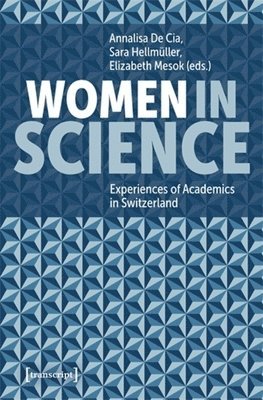
Women in science face particular challenges, such as structural inequalities, highly competitive work environments, and at times toxic cultures. This collection conveys the experiences of women academics in Switzerland, featuring insights from twelve scholars across various universities and disciplines. Each contributor shares their unique journey in pursuit of a professorship, illustrating the rich diversity of the Swiss scientific community. This volume offers hope for those struggling with finding their place in science, emphasizing the joys and privileges that can be found in an academic career and the passion and perseverance of those pursuing it.