Elizabeth Stordeur Pryor – författare
Visar alla böcker från författaren Elizabeth Stordeur Pryor. Handla med fri frakt och snabb leverans.
4 produkter
4 produkter
E-bok
Engelska, 2016401 kr
Läs direkt efter köp
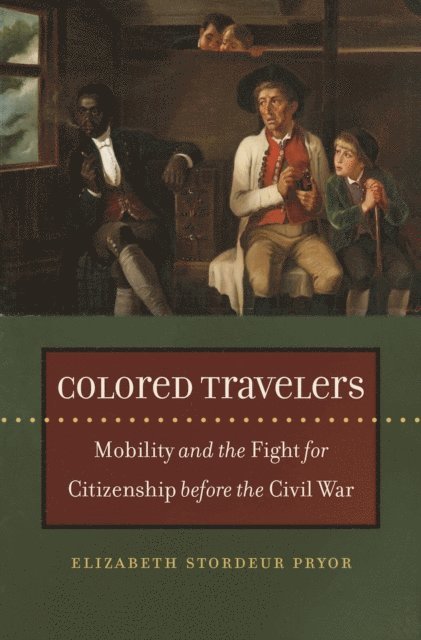
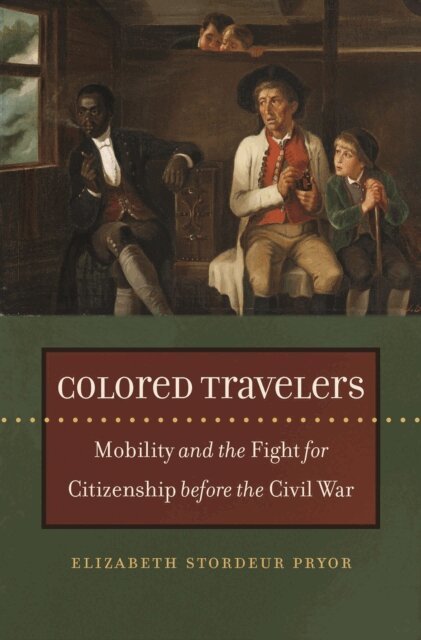
Americans have long regarded the freedom of travel a central tenet of citizenship. Yet, in the United States, freedom of movement has historically been a right reserved for whites. In this book, Elizabeth Stordeur Pryor shows that African Americans fought obstructions to their mobility over 100 years before Rosa Parks refused to give up her seat on a Montgomery bus. These were "colored travelers," activists who relied on steamships, stagecoaches, and railroads to expand their networks and to fight slavery and racism. They refused to ride in "Jim Crow" railroad cars, fought for the right to hold a U.S. passport (and citizenship), and during their transatlantic voyages, demonstrated their radical abolitionism. By focusing on the myriad strategies of black protest, including the assertions of gendered freedom and citizenship, this book tells the story of how the basic act of traveling emerged as a front line in the battle for African American equal rights before the Civil War.Drawing on exhaustive research from U.S. and British newspapers, journals, narratives, and letters, as well as firsthand accounts of such figures as Frederick Douglass, Harriet Jacobs, and William Wells Brown, Pryor illustrates how, in the quest for citizenship, colored travelers constructed ideas about respectability and challenged racist ideologies that made black mobility a crime.
Häftad, Engelska, 2021
334 kr
Skickas inom 10-15 vardagar
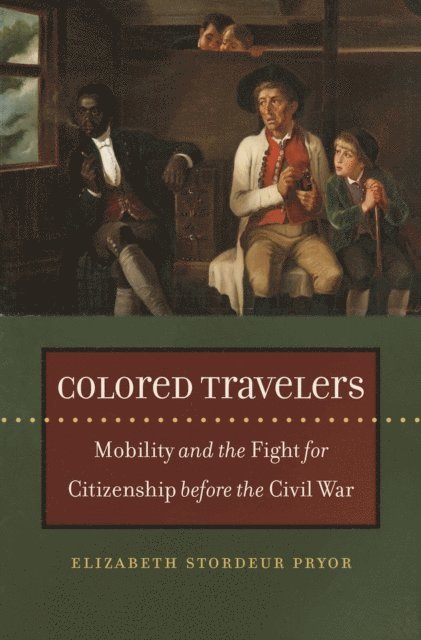
Americans have long regarded the freedom of travel a central tenet of citizenship. Yet, in the United States, freedom of movement has historically been a right reserved for whites. In this book, Elizabeth Stordeur Pryor shows that African Americans fought obstructions to their mobility over 100 years before Rosa Parks refused to give up her seat on a Montgomery bus. These were "colored travelers," activists who relied on steamships, stagecoaches, and railroads to expand their networks and to fight slavery and racism. They refused to ride in "Jim Crow" railroad cars, fought for the right to hold a U.S. passport (and citizenship), and during their transatlantic voyages, demonstrated their radical abolitionism. By focusing on the myriad strategies of black protest, including the assertions of gendered freedom and citizenship, this book tells the story of how the basic act of traveling emerged as a front line in the battle for African American equal rights before the Civil War.Drawing on exhaustive research from U.S. and British newspapers, journals, narratives, and letters, as well as firsthand accounts of such figures as Frederick Douglass, Harriet Jacobs, and William Wells Brown, Pryor illustrates how, in the quest for citizenship, colored travelers constructed ideas about respectability and challenged racist ideologies that made black mobility a crime.
Inbunden, Engelska, 2026
339 kr
Skickas inom 3-6 vardagar
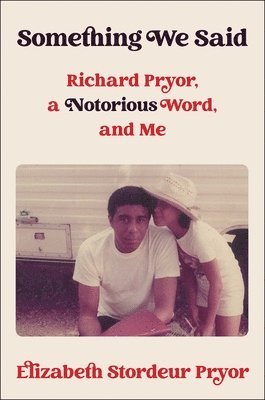
Part memoir by the daughter of the iconic comedian Richard Pryor, part exploration of the historical and contemporary use of the N-word, this hybrid book peels back the curtain on the life of Pryor and interrogates the most perplexing word in the American lexicon, a word he helped popularize. The N-word is one of the most perplexing, controversial and misunderstood words in the American lexicon. It’s a word that Elizabeth Pryor has not only contemplated, it’s one that she has taught and observed up close. When a white student quoted her father and blurted out the N-word in the middle of a class she was teaching, Professor Pryor’s worlds collided. In that moment, she was forced to confront the history of the notorious slur in the United States, and her complicated relationship with her father Richard Pryor, who made the word a trademark of his comedy in the 1970s. As she dives into her research, her own memories of the N-word come flooding back in unprocessed memories that she hadn’t thought about for decades. In reckoning with those memories, Elizabeth goes on a more public journey of discovery of the messy and sometimes surprising legacies of racism in the United States. A braided narrative that seamlessly integrates the history of the N-word with Elizabeth’s own story of growing up the Black Jewish daughter of Richard Pryor, Something We Said follows Elizabeth as she becomes a leading scholar and teacher of the very word her father put on the pop culture map.
E-bok
PDF, Engelska, 2016296 kr
Läs direkt efter köp
Americans have long regarded the freedom of travel a central tenet of citizenship. Yet, in the United States, freedom of movement has historically been a right reserved for whites. In this book, Elizabeth Stordeur Pryor shows that African Americans fought obstructions to their mobility over 100 years before Rosa Parks refused to give up her seat on a Montgomery bus. These were “colored travelers,” activists who relied on steamships, stagecoaches, and railroads to expand their networks and to fight slavery and racism. They refused to ride in “Jim Crow” railroad cars, fought for the right to hold a U.S. passport (and citizenship), and during their transatlantic voyages, demonstrated their radical abolitionism. By focusing on the myriad strategies of black protest, including the assertions of gendered freedom and citizenship, this book tells the story of how the basic act of traveling emerged as a front line in the battle for African American equal rights before the Civil War.Drawing on exhaustive research from U.S. and British newspapers, journals, narratives, and letters, as well as firsthand accounts of such figures as Frederick Douglass, Harriet Jacobs, and William Wells Brown, Pryor illustrates how, in the quest for citizenship, colored travelers constructed ideas about respectability and challenged racist ideologies that made black mobility a crime.