Ellie Atkins – författare
Visar alla böcker från författaren Ellie Atkins. Handla med fri frakt och snabb leverans.
6 produkter
6 produkter
Häftad, Engelska, 2026
449 kr
Kommande
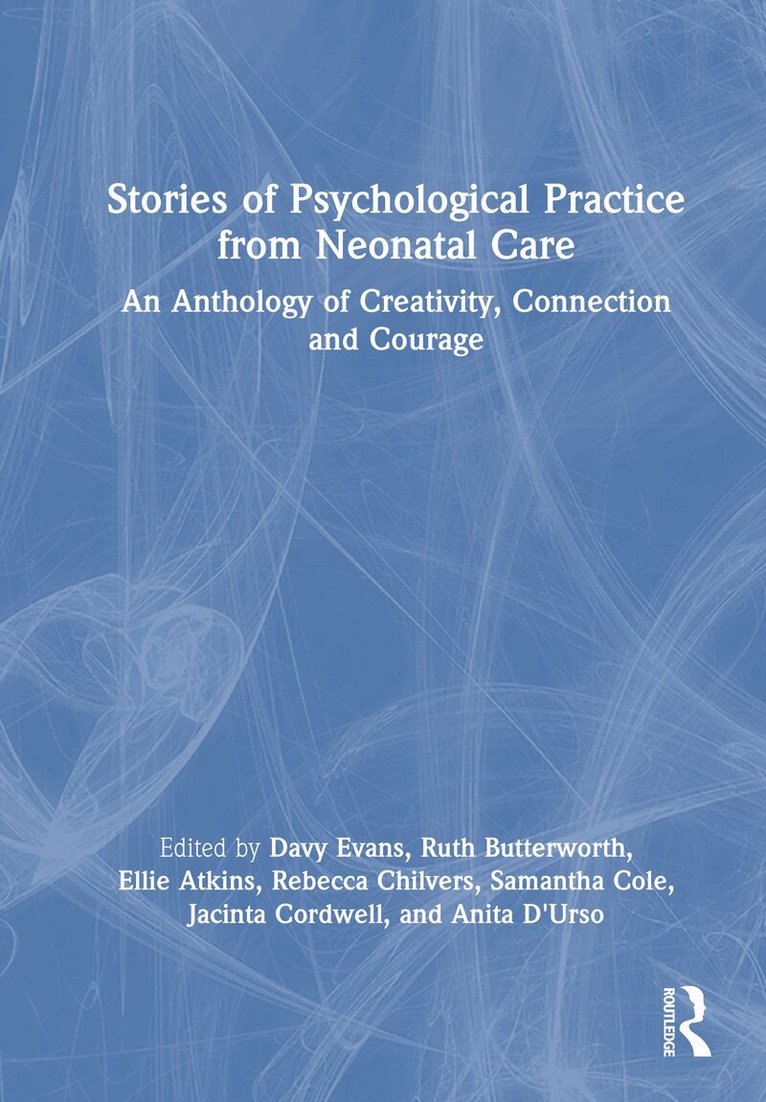
This insightful book offers a rich collection of practice stories written by forty-eight psychological professionals working in neonatal care in the UK, illuminating the compassionate human endeavour of holding distress as families and teams navigate the storms of neonatal care. Through diverse voices, including clinical and counselling psychologists, child and adult psychotherapists, counsellors and psychological wellbeing practitioners, these evocative narratives reveal what it means to bring forth and hold stories that make sense of overwhelming experiences for others.Organised across four thematic sections—exploring the 'what?', 'how?', 'where?' and 'who?' of neonatal psychological practice—the book weaves together first-person narratives, reflective pieces and conversations with conceptual commentaries that provide theoretical and empirical context. Chapters address the nature of psychological intervention during ongoing trauma, the therapeutic processes of holding and containment, clinical and ethical dilemmas arising from positioning within multidisciplinary teams, and the mutual influence between practitioners' selves and their work. Topics span transitioning into parenthood, neonatal loss and trauma, parent-infant relationships, staff support, personal and professional boundaries and experiences of leadership, offering both anchor and compass for this rapidly evolving field.Written with accessibility in mind, this book assumes no background in psychological training and speaks to a wide readership: psychological professionals seeking to learn about or deepen their neonatal practice; allied health professionals, nurses, medics and other multidisciplinary team members wanting to understand their colleagues' roles; parents and families who have experienced neonatal care; and anyone interested in discovering what psychological professionals can offer within the neonatal system. By celebrating diverse approaches, this anthology of creativity, connection and courage opens up new possibilities for practice while honouring the complex reality of this profoundly human work.
Inbunden, Engelska, 2026
1 997 kr
Kommande
This insightful book offers a rich collection of practice stories written by forty-eight psychological professionals working in neonatal care in the UK, illuminating the compassionate human endeavour of holding distress as families and teams navigate the storms of neonatal care. Through diverse voices, including clinical and counselling psychologists, child and adult psychotherapists, counsellors and psychological wellbeing practitioners, these evocative narratives reveal what it means to bring forth and hold stories that make sense of overwhelming experiences for others.Organised across four thematic sections—exploring the 'what?', 'how?', 'where?' and 'who?' of neonatal psychological practice—the book weaves together first-person narratives, reflective pieces and conversations with conceptual commentaries that provide theoretical and empirical context. Chapters address the nature of psychological intervention during ongoing trauma, the therapeutic processes of holding and containment, clinical and ethical dilemmas arising from positioning within multidisciplinary teams, and the mutual influence between practitioners' selves and their work. Topics span transitioning into parenthood, neonatal loss and trauma, parent-infant relationships, staff support, personal and professional boundaries and experiences of leadership, offering both anchor and compass for this rapidly evolving field.Written with accessibility in mind, this book assumes no background in psychological training and speaks to a wide readership: psychological professionals seeking to learn about or deepen their neonatal practice; allied health professionals, nurses, medics and other multidisciplinary team members wanting to understand their colleagues' roles; parents and families who have experienced neonatal care; and anyone interested in discovering what psychological professionals can offer within the neonatal system. By celebrating diverse approaches, this anthology of creativity, connection and courage opens up new possibilities for practice while honouring the complex reality of this profoundly human work.
E-bok
PDF, Engelska, 2026284 kr
Läs direkt efter köp
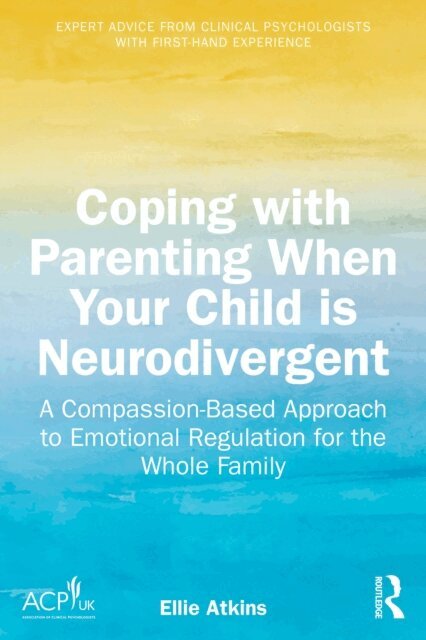
Combining the author's experience as a clinical psychologist and lived experience of parenting neurodivergent children, Coping with Parenting When Your Child is Neurodivergent draws from a range of therapeutic techniques and psychological theory to propose a compassion-based approach, guiding parents through recognising and managing their own feelings in order to better to support their child.With a focus on emotional regulation for both the parent and the child throughout, this essential book acknowledges the challenges and opportunities of parenting neurodivergent children while also providing practical strategies for effective parenting. Topics explored include, but are not limited to:* Understanding neurodiversity and dysregulation* Exploring your feelings about parenting* Navigating the assessment and diagnostic process* Making sense of a diagnosis and helping you child understand themselves* Navigating the school system and supporting your child with school and education* Compassion for yourself and others* The teenage years and mental health.An essential read for any parent to a neurodivergent child, this text will support parents in thinking about their own experiences and emotions, while also considering how this interacts with their ability to parent effectively. This may also be of interest to mental health, healthcare and education practitioners who want to better understand the experiences of neurodivergent children and their parents.
E-bok
Engelska, 2026284 kr
Läs direkt efter köp
Combining the author's experience as a clinical psychologist and lived experience of parenting neurodivergent children, Coping with Parenting When Your Child is Neurodivergent draws from a range of therapeutic techniques and psychological theory to propose a compassion-based approach, guiding parents through recognising and managing their own feelings in order to better to support their child.With a focus on emotional regulation for both the parent and the child throughout, this essential book acknowledges the challenges and opportunities of parenting neurodivergent children while also providing practical strategies for effective parenting. Topics explored include, but are not limited to:* Understanding neurodiversity and dysregulation* Exploring your feelings about parenting* Navigating the assessment and diagnostic process* Making sense of a diagnosis and helping you child understand themselves* Navigating the school system and supporting your child with school and education* Compassion for yourself and others* The teenage years and mental health.An essential read for any parent to a neurodivergent child, this text will support parents in thinking about their own experiences and emotions, while also considering how this interacts with their ability to parent effectively. This may also be of interest to mental health, healthcare and education practitioners who want to better understand the experiences of neurodivergent children and their parents.
Inbunden, Engelska, 2026
1 823 kr
Kommande
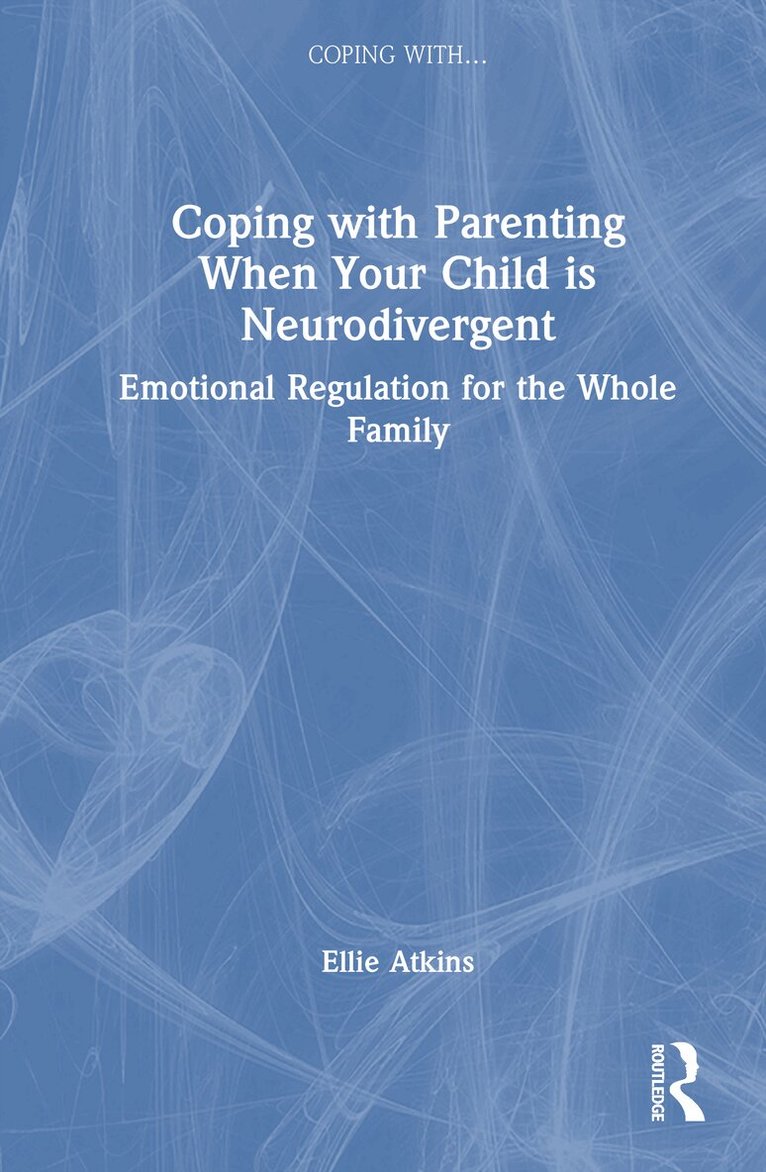
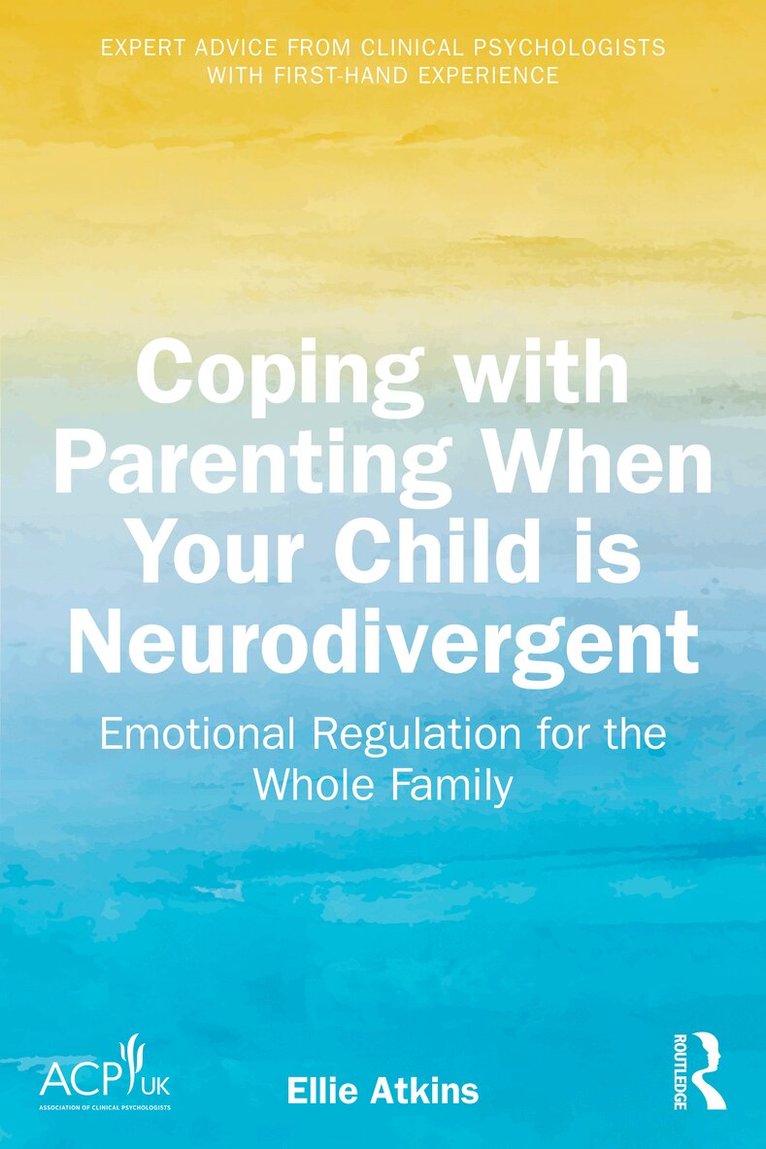
Combining the author’s experience as a clinical psychologist and lived experience of parenting neurodivergent children, Coping with Parenting When Your Child is Neurodivergent draws from a range of therapeutic techniques and psychological theory to propose a compassion-based approach, guiding parents through recognising and managing their own feelings in order to better to support their child.With a focus on emotional regulation for both the parent and the child throughout, this essential book acknowledges the challenges and opportunities of parenting neurodivergent children while also providing practical strategies for effective parenting. Topics explored include, but are not limited to:• Understanding neurodiversity and dysregulation• Exploring your feelings about parenting• Navigating the assessment and diagnostic process• Making sense of a diagnosis and helping you child understand themselves• Navigating the school system and supporting your child with school and education• Compassion for yourself and others• The teenage years and mental health.An essential read for any parent to a neurodivergent child, this text will support parents in thinking about their own experiences and emotions, while also considering how this interacts with their ability to parent effectively. This may also be of interest to mental health, healthcare and education practitioners who want to better understand the experiences of neurodivergent children and their parents.
Häftad, Engelska, 2026
311 kr
Skickas
Combining the author’s experience as a clinical psychologist and lived experience of parenting neurodivergent children, Coping with Parenting When Your Child is Neurodivergent draws from a range of therapeutic techniques and psychological theory to propose a compassion-based approach, guiding parents through recognising and managing their own feelings in order to better to support their child.With a focus on emotional regulation for both the parent and the child throughout, this essential book acknowledges the challenges and opportunities of parenting neurodivergent children while also providing practical strategies for effective parenting. Topics explored include, but are not limited to:• Understanding neurodiversity and dysregulation• Exploring your feelings about parenting• Navigating the assessment and diagnostic process• Making sense of a diagnosis and helping you child understand themselves• Navigating the school system and supporting your child with school and education• Compassion for yourself and others• The teenage years and mental health.An essential read for any parent to a neurodivergent child, this text will support parents in thinking about their own experiences and emotions, while also considering how this interacts with their ability to parent effectively. This may also be of interest to mental health, healthcare and education practitioners who want to better understand the experiences of neurodivergent children and their parents.