Elsa M. Redmond – författare
Visar alla böcker från författaren Elsa M. Redmond. Handla med fri frakt och snabb leverans.
7 produkter
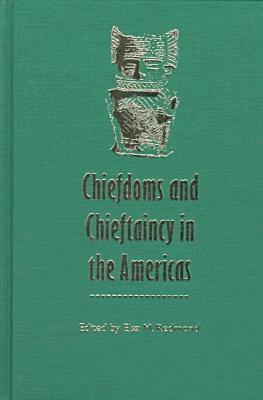
Chiefdoms and Chieftaincy in the Americas
Av Jay I Kislak Reference Collection (Libra, International Congress of Americanists m. fl.
Inbunden, 1998
761 kr
Lägg i varukorg
The essays in this work present geographically and chronologically diverse case studies which highlight the dynamics of the temporary chieftancy and the development of permanent, hereditary chiefdoms.
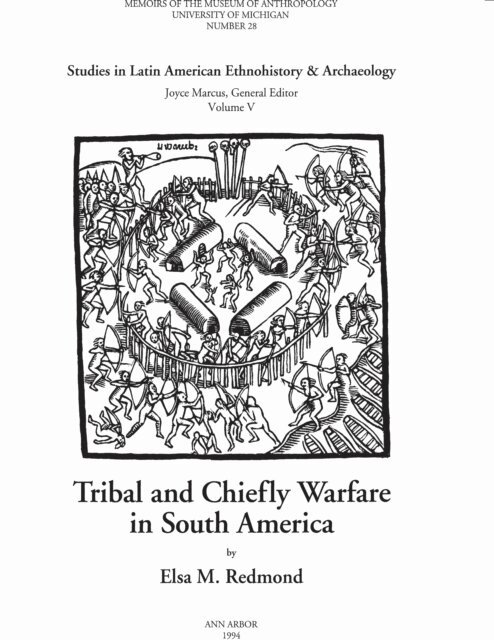
Tribal and Chiefly Warfare in South America
E-bok, 2020
473 kr
Lägg i varukorg
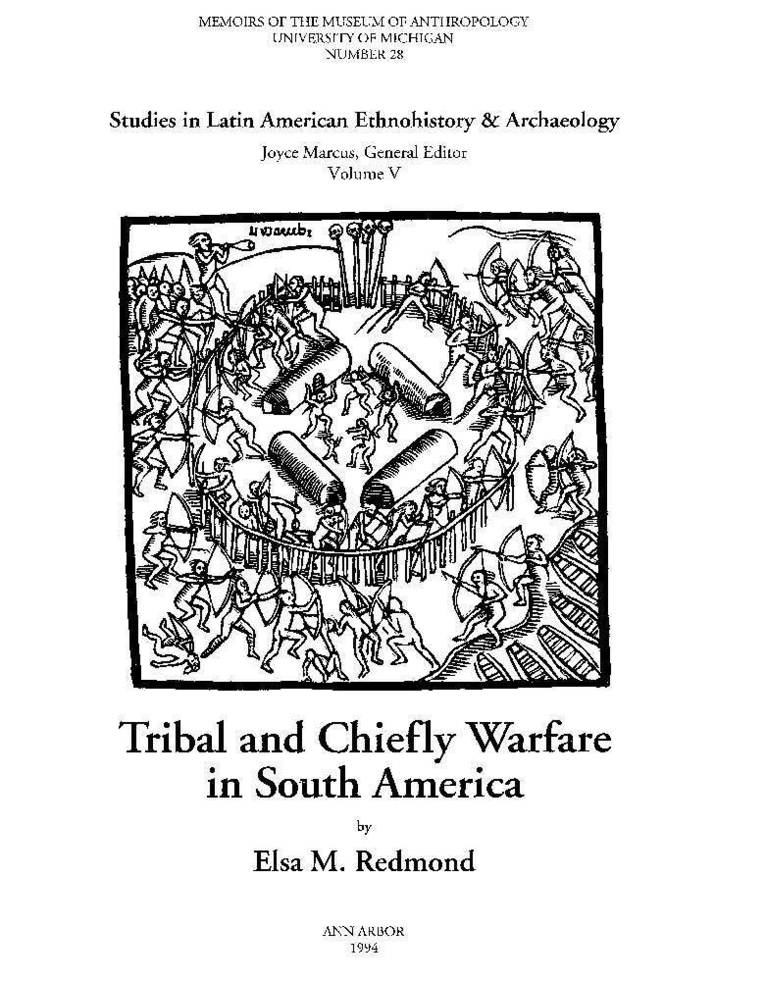
This book presents new data on warfare from both ethnohistoric and ethnographic sources. The author documents principal differences between tribal and chiefly warfare; outlines the evidence archaeologists can expect to recover from warfare; and formulates testable hypotheses on the role of warfare …
Fuego y Sangre
Early Zapotec Imperialism in the Cuicatlán Cañada, Oaxaca
E-bok, 2020
284 kr
Lägg i varukorg
In this volume, Elsa M. Redmond reconstructs the history of the Cuicatec region in Oaxaca, Mexico, from the Middle Formative period through the Lomas phase, when the Zapotec state based at Monte Albán took control, into the Trujano phase and the Spanish conquest. Redmond integrates archaeological …
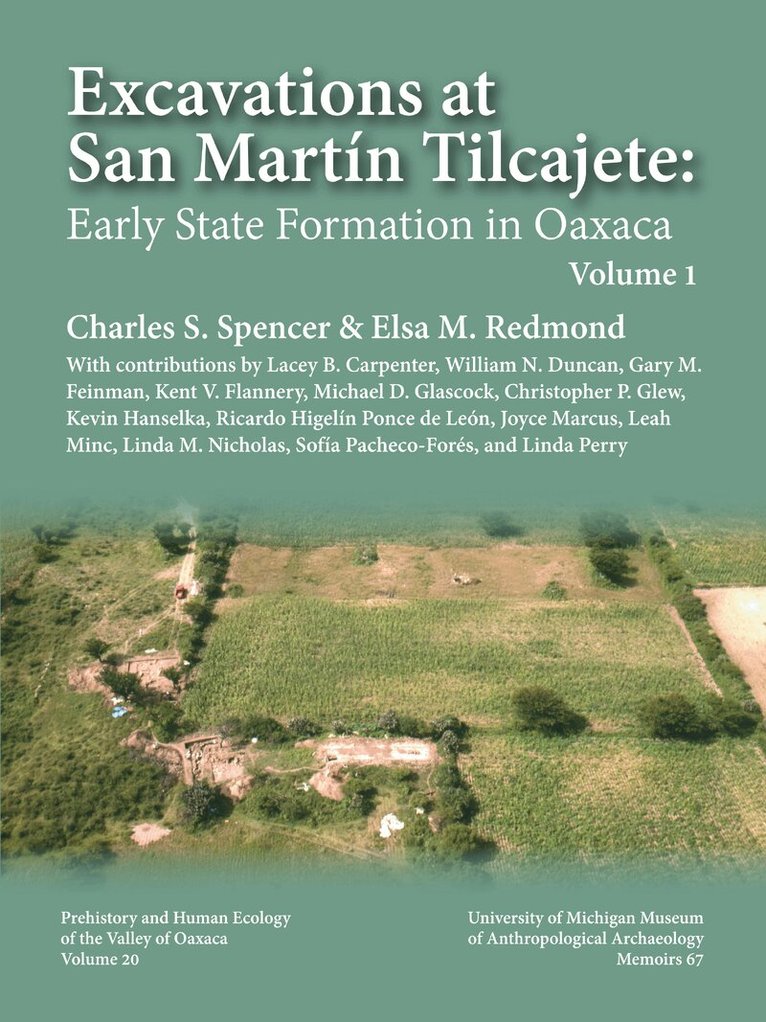
Excavations at San Martín Tilcajete
Early State Formation in Oaxaca, Volume I
Av Charles S. Spencer, Elsa M. Redmond
Inbunden, 2026
1226 kr
Kommande
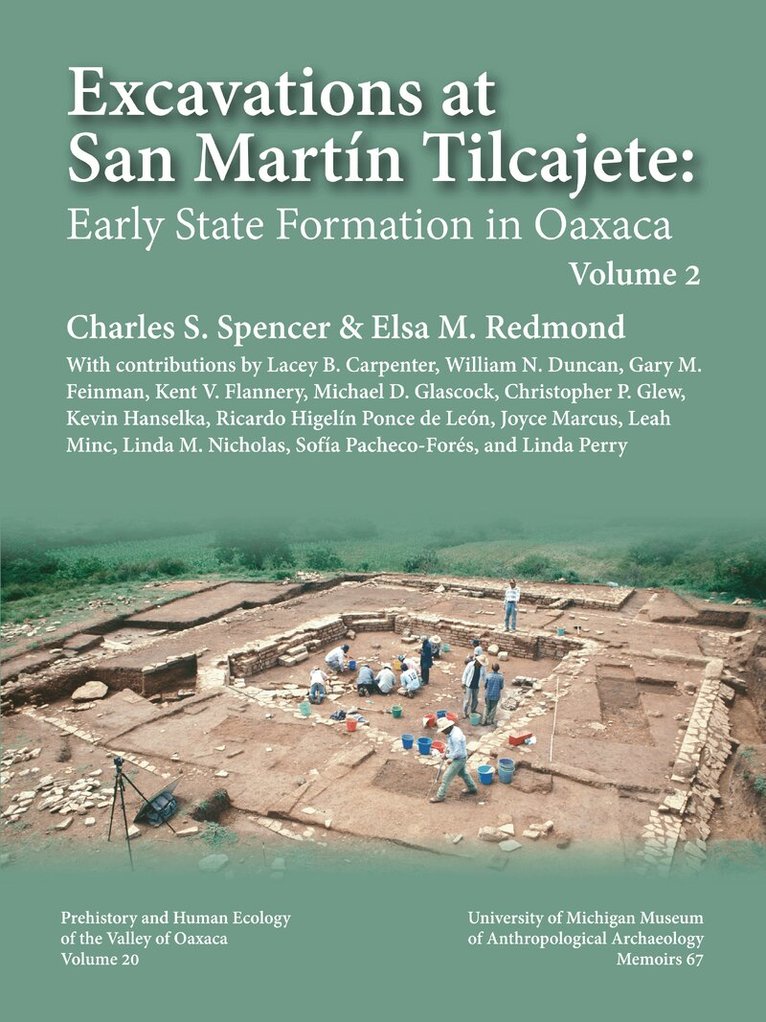
In this two-volume site report, authors Charles Spencer and Elsa Redmond report the final, comprehensive results of two decades of archaeological fieldwork (1993–2014) on the lands of San Martín Tilcajete, in the Ocotlán-Zimatlán subvalley of the Oaxaca Valley of Mexico. Their work focused on El …
Excavations at San Martín Tilcajete
Early State Formation in Oaxaca, Volume II
Av Charles S. Spencer, Elsa M. Redmond
Inbunden, 2026
1226 kr
Kommande
In this two-volume site report, authors Charles Spencer and Elsa Redmond report the final, comprehensive results of two decades of archaeological fieldwork (1993–2014) on the lands of San Martín Tilcajete, in the Ocotlán-Zimatlán subvalley of the Oaxaca Valley of Mexico. Their work focused on El …
Tribal and Chiefly Warfare in South America
Häftad, 1994
317 kr
Tillfälligt slut
This book presents new data on warfare from both ethnohistoric and ethnographic sources. The author documents principal differences between tribal and chiefly warfare; outlines the evidence archaeologists can expect to recover from warfare; and formulates testable hypotheses on the role of warfare …
Fuego y Sangre: Early Zapotec Imperialism in the Cuicatlán Cañada, Oaxaca
Häftad, 1983
208 kr
Tillfälligt slut
In this volume, Elsa M. Redmond reconstructs the history of the Cuicatec region in Oaxaca, Mexico, from the Middle Formative period through the Lomas phase, when the Zapotec state based at Monte Albán took control, into the Trujano phase and the Spanish conquest. Redmond integrates archaeological …