Elsie Walker - Böcker
Visar alla böcker från författaren Elsie Walker. Handla med fri frakt och snabb leverans.
6 produkter
6 produkter
1 576 kr
Skickas inom 5-8 vardagar
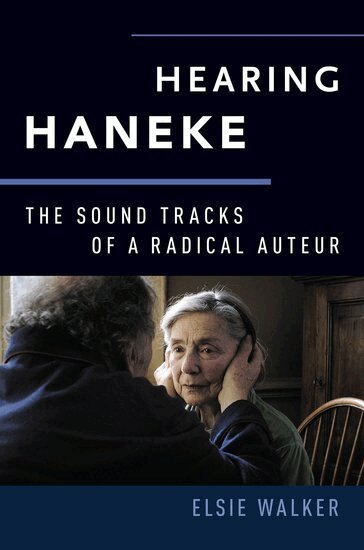
Michael Haneke's films subject us to extreme experiences of disturbance, desperation, grief, and violence. They are unsoftened by music, punctuated by accosting noises, shaped by painful silences, and charged with aggressive dialogue. The sound tracks are even more traumatic to hear than his stories are to see, but they also offer us the transformative possibilities of reawakened sonic awareness. Haneke's use of sound redefines cinema in ways that can help us re-hear everything-including our own voices, and everything around us-better.Though Haneke's films make exceptional demands on us, he is among the most celebrated of living auteurs: he is two-time receipt of the Palme D'Or at Cannes Film Festival (for The White Ribbon (2009) and Amour (2012)), and Academy Award winner of Best Foreign Language Film (for Amour), along with numerous other awards. The radical confrontationality of his cinema makes him an internationally controversial, as well as revered, subject. Hearing Haneke is the first book-length study of the sound tracks that define this living legacy.This book explores the haunting, subversive, and political significance of all aural elements through Haneke's major feature films (dialogue, sound effects, silences, and music), all of which are meticulously conducted by him. Many critics read Haneke as coolly dispassionate about showing scenes of humanity under threat, but Hearing Haneke argues that all facets of his sound tracks stress humane understanding and the importance of compassion. This book provides exceptionally detailed analyses of all Haneke's most celebrated films: including The Seventh Continent, Funny Games, Code Unknown, The Piano Teacher, Caché, The White Ribbon, and Amour. The writing brings together film theory, musicology, history, and cultural studies in ways that resonate broadly. Hearing Haneke will matter to anyone who cares about the power of art to inspire progressive change.
410 kr
Skickas inom 5-8 vardagar
Michael Haneke's films subject us to extreme experiences of disturbance, desperation, grief, and violence. They are unsoftened by music, punctuated by accosting noises, shaped by painful silences, and charged with aggressive dialogue. The sound tracks are even more traumatic to hear than his stories are to see, but they also offer us the transformative possibilities of reawakened sonic awareness. Haneke's use of sound redefines cinema in ways that can help us re-hear everything-including our own voices, and everything around us-better.Though Haneke's films make exceptional demands on us, he is among the most celebrated of living auteurs: he is two-time receipt of the Palme D'Or at Cannes Film Festival (for The White Ribbon (2009) and Amour (2012)), and Academy Award winner of Best Foreign Language Film (for Amour), along with numerous other awards. The radical confrontationality of his cinema makes him an internationally controversial, as well as revered, subject. Hearing Haneke is the first book-length study of the sound tracks that define this living legacy.This book explores the haunting, subversive, and political significance of all aural elements through Haneke's major feature films (dialogue, sound effects, silences, and music), all of which are meticulously conducted by him. Many critics read Haneke as coolly dispassionate about showing scenes of humanity under threat, but Hearing Haneke argues that all facets of his sound tracks stress humane understanding and the importance of compassion. This book provides exceptionally detailed analyses of all Haneke's most celebrated films: including The Seventh Continent, Funny Games, Code Unknown, The Piano Teacher, Caché, The White Ribbon, and Amour. The writing brings together film theory, musicology, history, and cultural studies in ways that resonate broadly. Hearing Haneke will matter to anyone who cares about the power of art to inspire progressive change.
1 208 kr
Skickas inom 7-10 vardagar
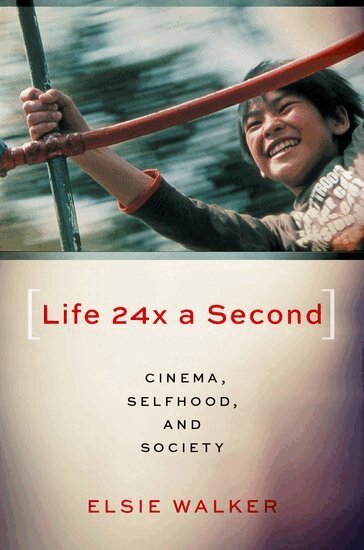
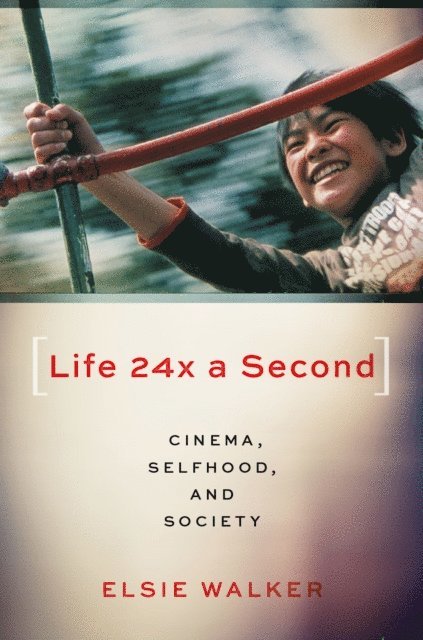
Life 24x a Second highlights the life-sustaining and life-affirming power of cinema. Author Elsie Walker pays particular attention to pedagogical practice and students' reflections on what the study of cinema has given to their lives. This book provides multiple perspectives on cinema that matters for the deepest personal and social reasons-from films that represent psychological healing in the face of individual losses to films that represent humanitarian hope in the face of global crises. Ultimately, Walker shows how cinema that moves us emotionally can move us toward a better world.Life 24x a Second makes the case for cinema as a life force in uplifting and widely relatable ways. Walker zeroes in on films that offer hope in relation to the Black Lives Matter movement (Imitation of Life, 1959, and BlacKkKlansman, 2018); contemporary feminism (Nobody Knows, 2004); rite-of-passage experiences of mortality and mourning (Ikiru, 1952, and A Star Is Born, 2018), and first-love grief (Call Me by Your Name, 2017, and Portrait of a Lady on Fire, 2019). Life 24x a Second invites readers to reflect on their own unique film-to-person encounters along with connecting them to others who love cinematic lessons for living well.
349 kr
Skickas inom 5-8 vardagar
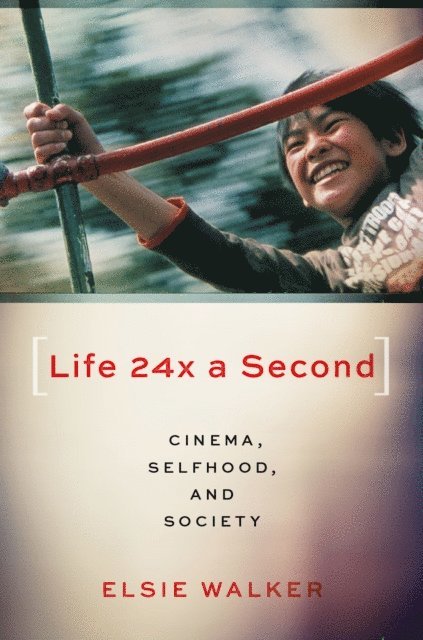
Life 24x a Second highlights the life-sustaining and life-affirming power of cinema. Author Elsie Walker pays particular attention to pedagogical practice and students' reflections on what the study of cinema has given to their lives. This book provides multiple perspectives on cinema that matters for the deepest personal and social reasons-from films that represent psychological healing in the face of individual losses to films that represent humanitarian hope in the face of global crises. Ultimately, Walker shows how cinema that moves us emotionally can move us toward a better world.Life 24x a Second makes the case for cinema as a life force in uplifting and widely relatable ways. Walker zeroes in on films that offer hope in relation to the Black Lives Matter movement (Imitation of Life, 1959, and BlacKkKlansman, 2018); contemporary feminism (Nobody Knows, 2004); rite-of-passage experiences of mortality and mourning (Ikiru, 1952, and A Star Is Born, 2018), and first-love grief (Call Me by Your Name, 2017, and Portrait of a Lady on Fire, 2019). Life 24x a Second invites readers to reflect on their own unique film-to-person encounters along with connecting them to others who love cinematic lessons for living well.
1 720 kr
Skickas inom 5-8 vardagar
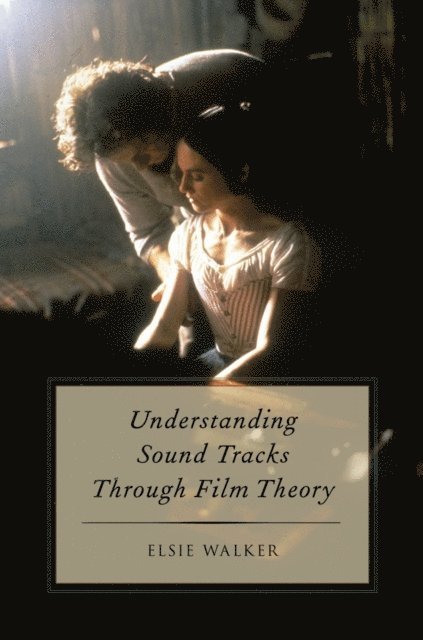
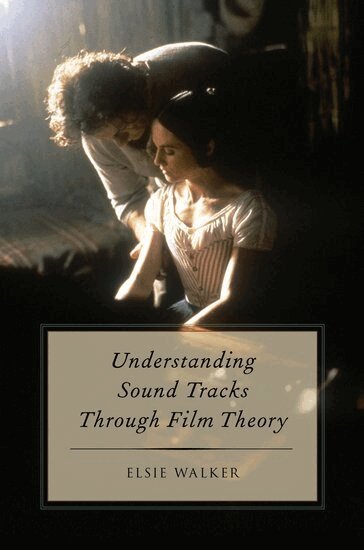
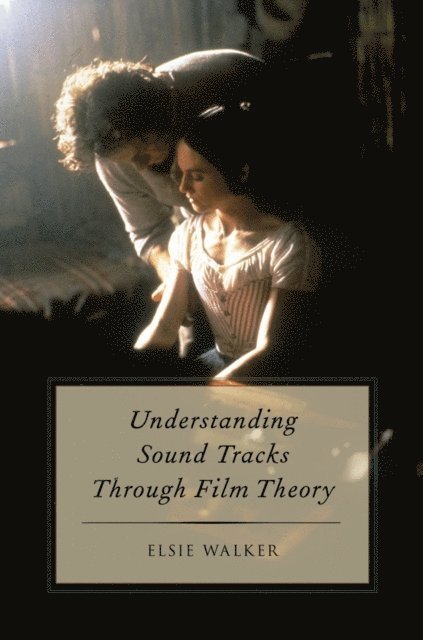
Until recently, most scholars neglected the power of hearing cinema as well as seeing it. Understanding Sound Tracks Through Film Theory breaks new ground by redirecting the arguments of foundational texts within film theory to film sound tracks. The book includes sustained analyses of particular films according to a range of theoretical approaches: psychoanalysis, feminism, genre studies, post-colonialism, and queer theory. The films come from disparate temporal and industrial contexts: from Classical Hollywood Gothic melodrama (Rebecca (1940)), to contemporary, critically-acclaimed science fiction (Gravity (2013)). Along with sound tracks from canonical American films, such as The Searchers (1956) and To Have and Have Not (1944), Walker analyzes independent Australasian films: examples include Heavenly Creatures (1994), a New Zealand film that uses music to empower its queer female protagonists; and Ten Canoes (2006), the first Australian feature film with a script entirely in Aboriginal languages. Understanding Sound Tracks Through Film Theory thus not only calls new attention to the significance of sound tracks-it also focuses on the sonic power of characters representing those whose voices have all too often been drowned out. Dominant studies of film music tend to be written for those who are already musically trained. Similarly, studies of film sound tend to be jargon-heavy. By contrast, Understanding Sound Tracks Through Film Theory is both rigorous and accessible to all scholars with a basic grasp of cinematic and musical structures. Moreover, the book brings together film studies, musicology, history, politics, and culture. Therefore, Understanding Sound Tracks Through Film Theory will resonate for scholars across the liberal arts, and for anyone interested in challenging the so-called "hegemony of the visual."
697 kr
Skickas inom 5-8 vardagar
Until recently, most scholars neglected the power of hearing cinema as well as seeing it. Understanding Sound Tracks Through Film Theory breaks new ground by redirecting the arguments of foundational texts within film theory to film sound tracks. The book includes sustained analyses of particular films according to a range of theoretical approaches: psychoanalysis, feminism, genre studies, post-colonialism, and queer theory. The films come from disparate temporal and industrial contexts: from Classical Hollywood Gothic melodrama (Rebecca (1940)), to contemporary, critically-acclaimed science fiction (Gravity (2013)). Along with sound tracks from canonical American films, such as The Searchers (1956) and To Have and Have Not (1944), Walker analyzes independent Australasian films: examples include Heavenly Creatures (1994), a New Zealand film that uses music to empower its queer female protagonists; and Ten Canoes (2006), the first Australian feature film with a script entirely in Aboriginal languages. Understanding Sound Tracks Through Film Theory thus not only calls new attention to the significance of sound tracks-it also focuses on the sonic power of characters representing those whose voices have all too often been drowned out. Dominant studies of film music tend to be written for those who are already musically trained. Similarly, studies of film sound tend to be jargon-heavy. By contrast, Understanding Sound Tracks Through Film Theory is both rigorous and accessible to all scholars with a basic grasp of cinematic and musical structures. Moreover, the book brings together film studies, musicology, history, politics, and culture. Therefore, Understanding Sound Tracks Through Film Theory will resonate for scholars across the liberal arts, and for anyone interested in challenging the so-called "hegemony of the visual."