Emil R. Rodolfa – Författare
Visar alla böcker från författaren Emil R. Rodolfa. Handla med fri frakt och snabb leverans.
3 produkter
3 produkter
1 181 kr
Skickas inom 7-10 vardagar
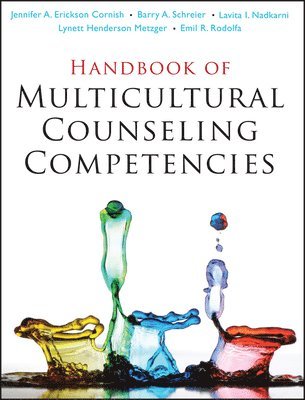
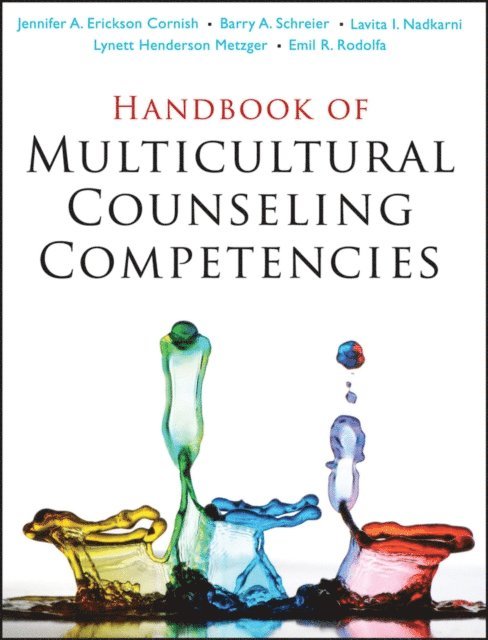
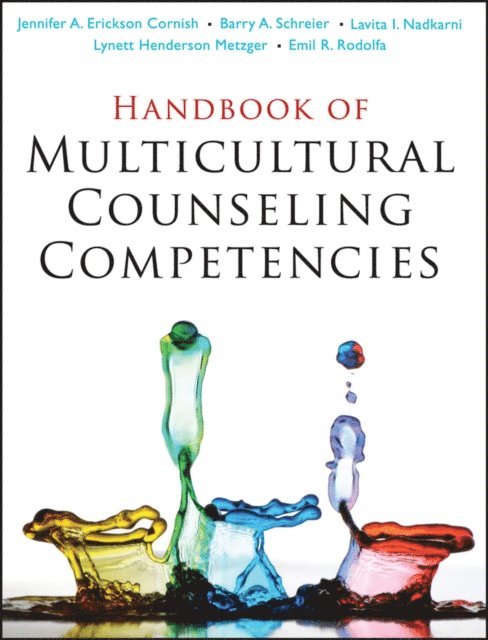
A THOROUGH AND CONTEMPORARY EXPLORATION OF ISSUES FUNDAMENTAL TO MULTICULTURAL COMPETENCY Handbook of Multicultural Counseling Competencies draws together an expert group of contributors who provide a wide range of viewpoints and personal experiences to explore the identification and development of specific competencies necessary to work effectively with an increasingly diverse population. Beginning with a Foreword by Derald Wing Sue, this unique handbook offers a broad, comprehensive view of multiculturalism that is inclusive and reflective. The coverage in this important book lies beyond the scope of traditionally defined multiculturalism, with discussion of historically overlooked groups that have experienced prejudice and bias because of their size, social class, age, language, disability, or sexual orientation. This book provides readers with: Practical cases and examples to enhance skill development, promote critical thinking, and increase awarenessA cross-section of diversity characteristics and best practice guidelinesExamination of detailed, developmentally relevant competency categoriesResources and exercises designed for practitioners at various levels of experience and expertiseA forum for debate, discussion, and growthDesigned to help readers enhance general multicultural competency and their ability to provide services to the populations specifically described, this thought-provoking text will prove useful in facilitating ongoing dialogues about multicultural competence in all its variations.
Student's Guide to Assessment and Diagnosis Using the ICD-10-CM
Psychological and Behavioral Conditions
Häftad, Engelska, 2015
455 kr
Skickas inom 7-10 vardagar
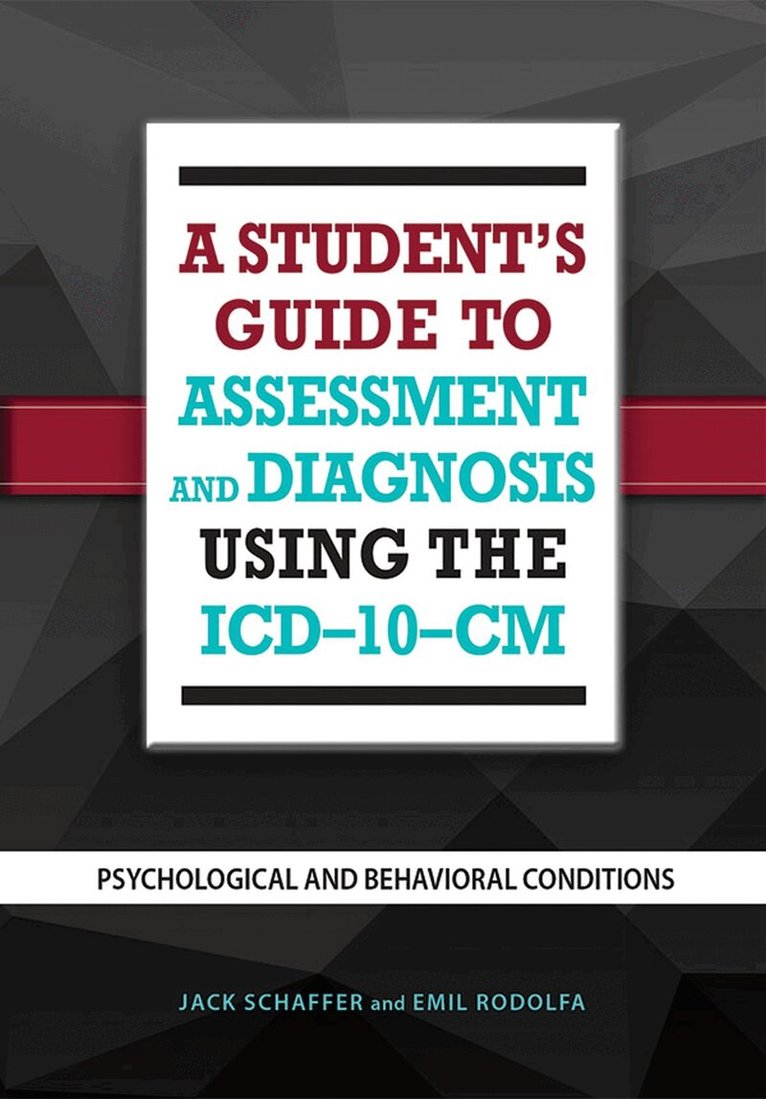
This book provides graduate students and psychology interns with a conceptual framework for diagnosis and assessment using the ICD- -CM. Using three detailed case examples, it teaches fundamental critical thinking skills that are essential in real-life clinical scenarios.In the United States, psychologists find themselves having to adapt to the World Health Organization amp rsquo s International Classification of Diseases (ICD), the th edition of which was recently integrated-with clinical modifications (ICD- -CM)-into the U.S. healthcare system. This transition also affects graduate students, interns, and trainees in psychology who are just learning the basics of assessment and diagnosis, as well as their instructors who are themselves adjusting to this new diagnostic system.This easy-to-read guide-optimized for implementation in the classroom-teaches students a straightforward conceptual framework for assessment and diagnosis with the ICD- -CM at its foundation. The authors begin with a brief primer on the ICD- -CM, demonstrating how to interpret diagnostic codes and use them as guides for critical thinking. Common challenges, errors, and biases involved with assessing clients and making diagnoses are also discussed.The core of the book revolves around three detailed case examples, each one given special attention in its own chapter. These examples follow common yet very different clinical scenarios. They demonstrate how to collect and interpret data to formulate possible diagnoses. Potential ethical and risk management issues are examined, as are considerations for developing an intervention plan. The book ends with review of other key resources related to assessment, diagnosis, and the ICD- -CM.
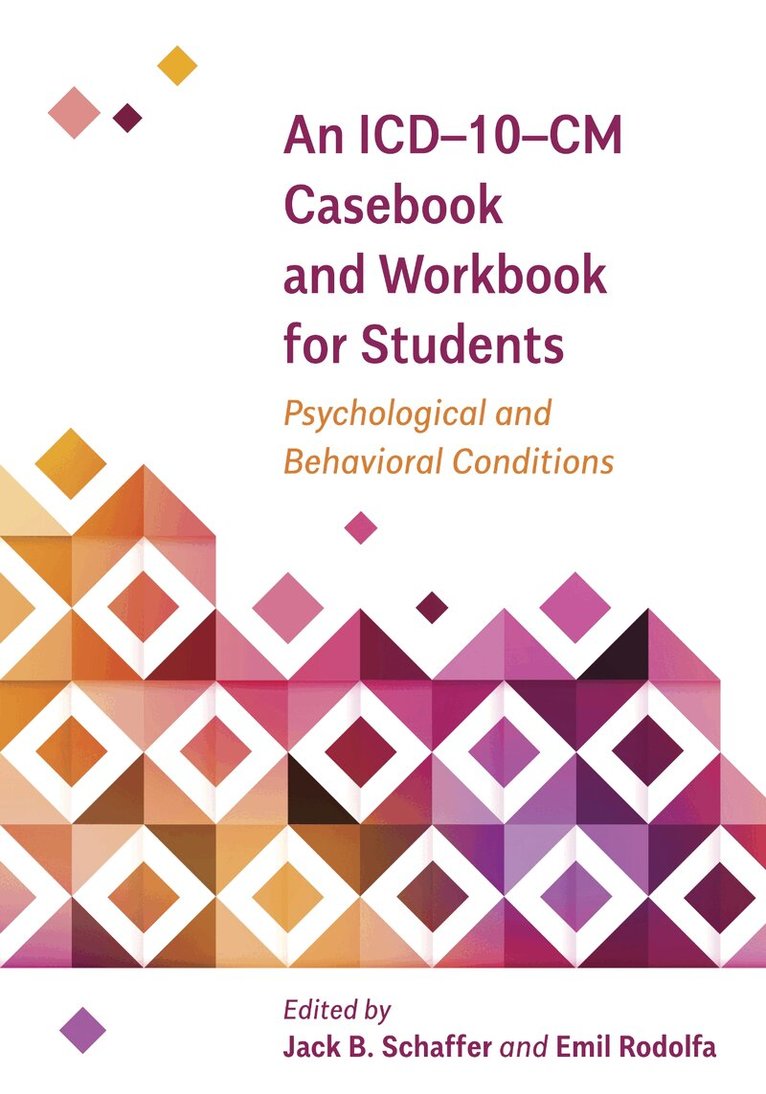
ICD–10–CM Casebook and Workbook for Students
Psychological and Behavioral Conditions
Häftad, Engelska, 2017
468 kr
Skickas inom 7-10 vardagar
This book uses case illustrations and hands-on activities to teach students how to perform differential diagnosis and assessment using the ICD- -CM.Competent diagnosis is critical to any therapeutic encounter. It informs the psychologist amp rsquo s approach to his or her client, and helps to ensure competent practice. This book introduces students to the complex process of differential diagnosis using the International Classification of Diseases, Tenth Revision, Clinical Modification (ICD- -CM) -- that is, selecting the most appropriate diagnosis after ruling out all other possibilities, based on the client amp rsquo s overall presentation. Each chapter in this book presents a detailed case illustration and challenges readers to reach an ICD- -CM diagnosis by evaluating the client amp rsquo s unique symptoms. These cases also demonstrate how to rule out options using careful, contextually appropriate assessments to arrive at the primary diagnosis. Importantly, chapters review ethical and risk management issues, as well as key considerations for disposition and treatment planning. Hands-on activities provide readers with case-specific questions that experienced clinicians must ask themselves in these situations.