Emily Wilkinson – författare
2 220 kr
Skickas inom 10-15 vardagar
230 kr
Skickas inom 7-10 vardagar
253 kr
Läs direkt efter köp
253 kr
Läs direkt efter köp
742 kr
Skickas inom 7-10 vardagar
2 090 kr
Skickas inom 10-15 vardagar
574 kr
Skickas inom 10-15 vardagar
725 kr
Läs direkt efter köp
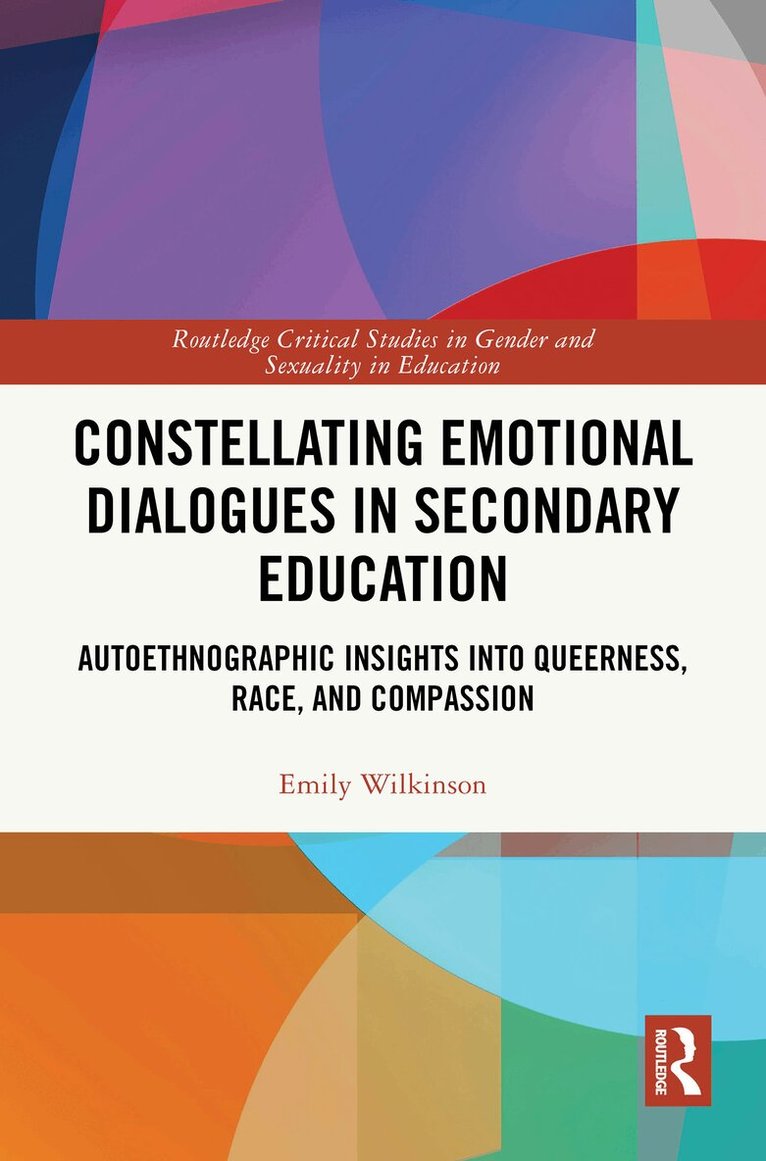
This innovative, autoethnographic study examines 12 stories of “wobble” moments - looking at “wobble” as an emotional experience - to illuminate new perspectives on LGBTQIA+ identity, school violence, racism, mental illness in students and teachers, and the emotional costs of empathy.
Utilising the authors experiences as shey navigates education’s most difficult years of practice from 2020-2022, and extending the existing scholarship on dialogical pedagogy and teacher identity by offering a framework that goes “beyond wobble”, it provides a new theory for how teachers can deconstruct the emotions that surround the heaviest moments of their practice, shift perspectives on situations and selves, and “see the light” of compassionate possibility in both person and practice.
A sobering inquiry which provides valuable insight into the emotional landscape of a contemporary classroom embroiled in America’s culture wars and serves as a poignant exemplar of dialogical pedagogy in practice, it will appeal to scholars and post-graduate students of teacher education, educational psychology, and education policy.
725 kr
Läs direkt efter köp
This innovative, autoethnographic study examines 12 stories of “wobble” moments - looking at “wobble” as an emotional experience - to illuminate new perspectives on LGBTQIA+ identity, school violence, racism, mental illness in students and teachers, and the emotional costs of empathy.
Utilising the authors experiences as shey navigates education’s most difficult years of practice from 2020-2022, and extending the existing scholarship on dialogical pedagogy and teacher identity by offering a framework that goes “beyond wobble”, it provides a new theory for how teachers can deconstruct the emotions that surround the heaviest moments of their practice, shift perspectives on situations and selves, and “see the light” of compassionate possibility in both person and practice.
A sobering inquiry which provides valuable insight into the emotional landscape of a contemporary classroom embroiled in America’s culture wars and serves as a poignant exemplar of dialogical pedagogy in practice, it will appeal to scholars and post-graduate students of teacher education, educational psychology, and education policy.
665 kr
Läs direkt efter köp
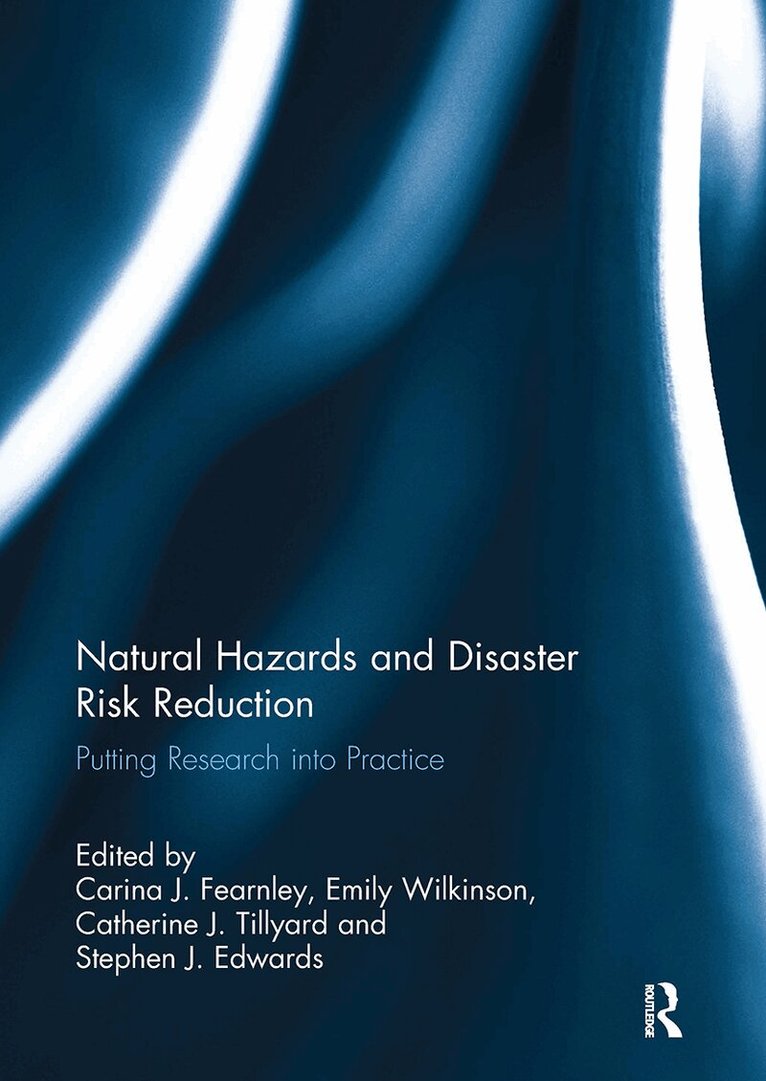
Building upon presentations given during the conference on ‘Disaster Risk Reduction for Natural Hazards: Putting Research into Practice’, held at University College London in November 2009, the articles collected in this book examine how natural hazards research is accessed and used by practitioners and decision-makers, and conversely, how policy and practice inform research.
As with the conference, this book successfully brings together views from humanitarian and development agencies, academia, business, government and funding bodies. It is rare to engage such a wide range of sectors in a discussion relating to the issues of disaster risk reduction from a natural hazards perspective, and the book captures this interaction and the resultant exchange of ideas, thus providing an insight into how stakeholders respectively undertake or engage with natural hazards research. Collectively, the articles highlight the need for greater dialogue, understanding and collaboration between all these sectors if research is to be made relevant and generate significant impact on risk reduction policy and practice. There is an urgent requirement to better understand the respective needs, ways of working, project timescales and funding mechanisms for disaster risk reduction, as well as the challenges posed by institutional and organizational structures and functions. These issues must be overcome to ensure that ultimately, and most significantly, discussions turn into positive practical actions so that research on natural hazards is relevant and applicable. The book represents a step in that journey.
This book was published as a special issue of Environmental Hazards.
671 kr
Läs direkt efter köp
Building upon presentations given during the conference on ‘Disaster Risk Reduction for Natural Hazards: Putting Research into Practice’, held at University College London in November 2009, the articles collected in this book examine how natural hazards research is accessed and used by practitioners and decision-makers, and conversely, how policy and practice inform research.
As with the conference, this book successfully brings together views from humanitarian and development agencies, academia, business, government and funding bodies. It is rare to engage such a wide range of sectors in a discussion relating to the issues of disaster risk reduction from a natural hazards perspective, and the book captures this interaction and the resultant exchange of ideas, thus providing an insight into how stakeholders respectively undertake or engage with natural hazards research. Collectively, the articles highlight the need for greater dialogue, understanding and collaboration between all these sectors if research is to be made relevant and generate significant impact on risk reduction policy and practice. There is an urgent requirement to better understand the respective needs, ways of working, project timescales and funding mechanisms for disaster risk reduction, as well as the challenges posed by institutional and organizational structures and functions. These issues must be overcome to ensure that ultimately, and most significantly, discussions turn into positive practical actions so that research on natural hazards is relevant and applicable. The book represents a step in that journey.
This book was published as a special issue of Environmental Hazards.