How is one to learn in a time of globalization? And in particular: how is one to learn if the research “object” is a non-European culture, such as that of Japan? What are the methodologies appropriate for working in the field of “Nippon/Japan” in a bi-directional approach from West to East and from East to West? Based on an interdisciplinary and intercultural orientation, specialists from Europe and Japan analyze topics focusing on History, Philosophy, Aesthetics, Literature, Linguistics, Sociology, Economics and Religious Studies.
The Great East Japan Earthquake and Tsunami of March 11, 2011 was a complex event. It was a disaster of multiple dimensions, unleashing the linked forces of seismic shock, tsunami, and nuclear radiation. This confluence left a varied array of damage in its wake. The personal traumas of death and loss combined with the social trauma of ruptured families, the economic trauma resulting from the physical destruction, and the psychic trauma arising from an uncertain future. Such a complex disaster demands a multifaceted exploration into its nature, implications, and meaning. The essays in this collection cross academic and geographic boundaries to explore the Great East Japan Earthquake and Tsunami from a wide range of perspectives and to apply the analytical and interpretive tools of multiple disciplines to the study of the disaster and the various forms of trauma it inflicted.
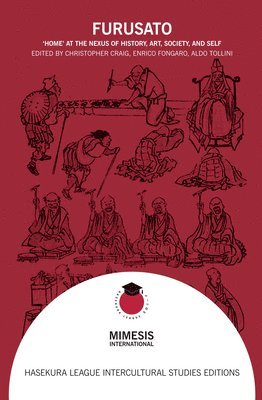
Furusato (home, hometown, and/or place of origin) is a revered and idealized concept in Japan. On an individual level, it plays a central role in personal identity; in a broader social and cultural milieu, it is constitutive of a sense of nostalgia for a romanticized and impossible past; and in the political and legal realms, it connects with ideas of Japaneseness and the construction of foreign others. While the specific forms it takes in context provide a Japanese veneer to the idea of furusato, it in fact finds close analogues in ideas of ‘home’ and ‘origin’ around the world. This volume collects essays exploring furusato and its cognates in other languages and regions. 14 scholars from Japan and Europe employ a diverse array of disciplinary tools, drawing from history, philosophy, literature, anthropology, religious studies, and art history, to map out the contours of home and elucidate the meanings contained within it.
Images represent a fusion of creativity, imagination, and symbolism and are crucial to the human quest to discover, invent, and experiment with ever-new visions. Philosophy plays a vital role in interpreting change in an era of rapid and dramatic transformations and providesthe means to view the phenomenon of taste through the lenses of form, doing, and representing. Adopting a perspective that runs from antiquity to the future, the works in this volume analyze human work as expressed in the arts, poetics, and creative techniques in the light of a formative idea that cuts across cultures and epochs and within the framework of the history of Japanese, East Asian, and Western civilizations.