Eric C. Nystrom – författare
Visar alla böcker från författaren Eric C. Nystrom. Handla med fri frakt och snabb leverans.
5 produkter
5 produkter
320 kr
Skickas inom 5-8 vardagar
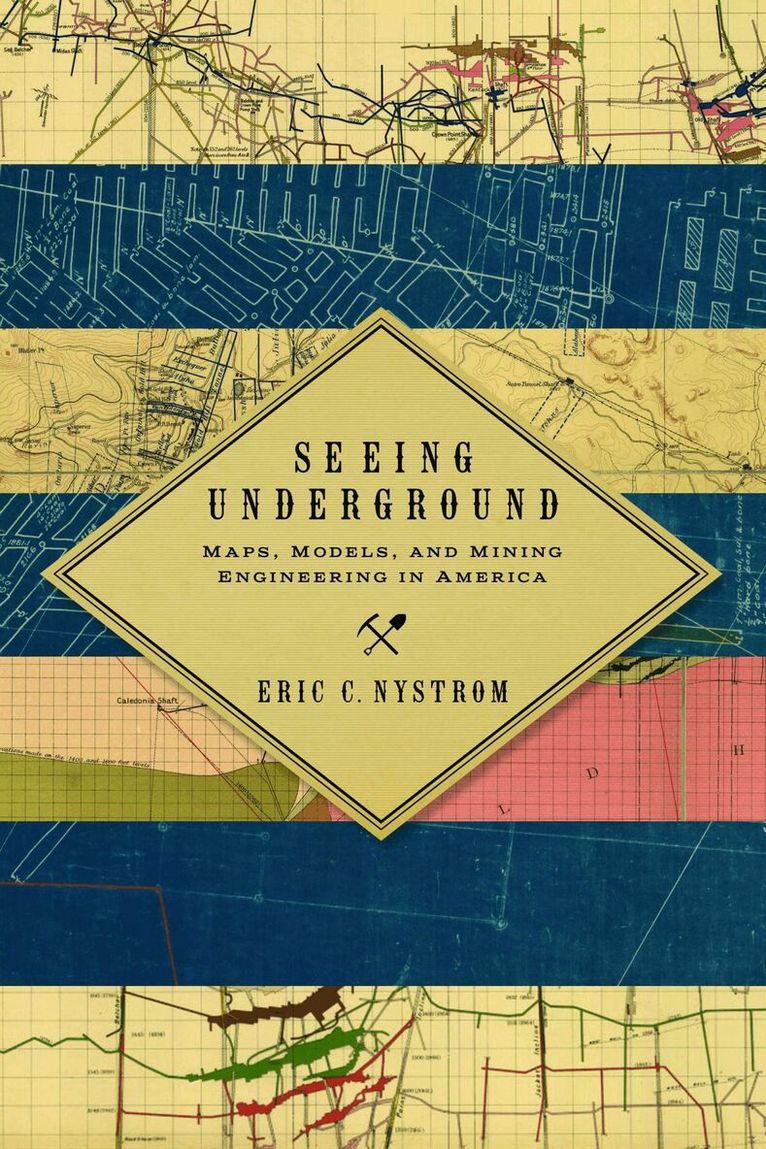
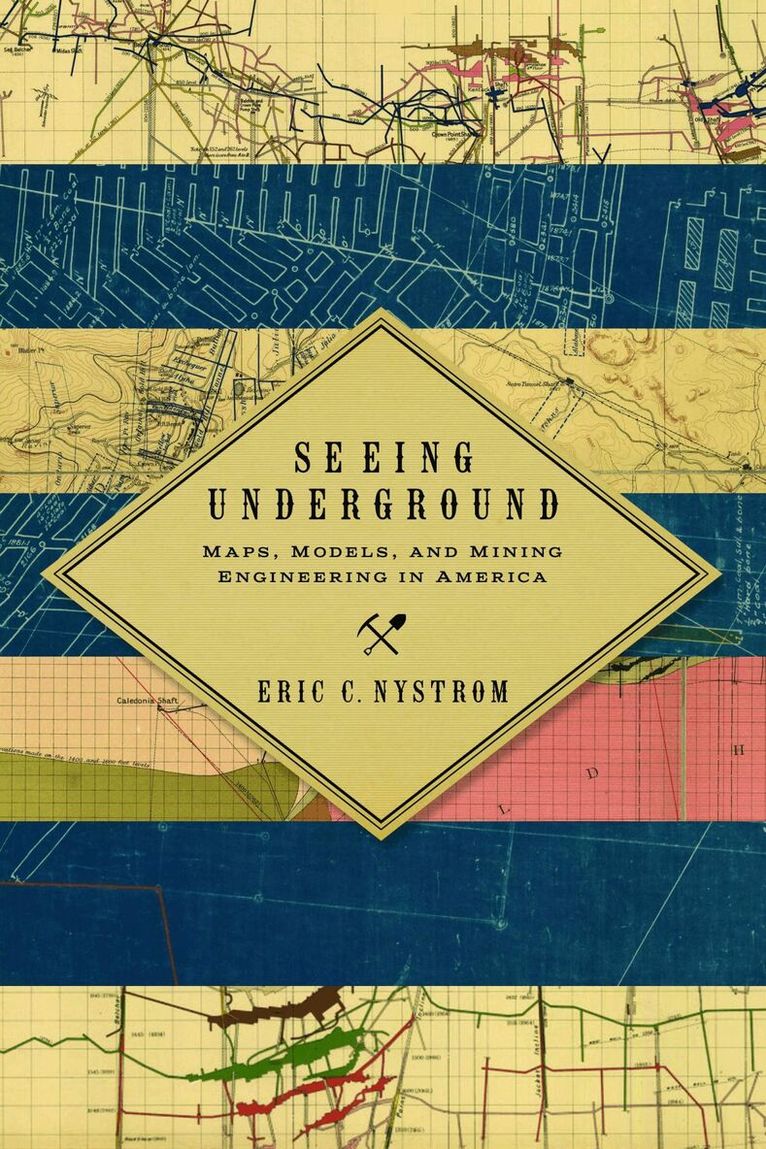
The digging of mineral wealth from the ground dates to prehistoric times, and Europeans pursued mining in the Americas from the earliest colonial days. Prior to the Civil War, very little mining went deep enough to require maps. However, the major finds of the mid-nineteenth century, such as the Comstock Lode, were vastly larger and deeper than any previous finds in America. Nystrom argues that, as industrial mining came of age in the United States, the development of maps and models gave power to a new visual culture. These maps and models became necessary tools in creating and controlling the mines’ pitch-dark, three-dimensional space. Nystrom demonstrates that these neglected artifacts of the nineteenth and early twentieth centuries have much to teach us today.
347 kr
Skickas inom 5-8 vardagar
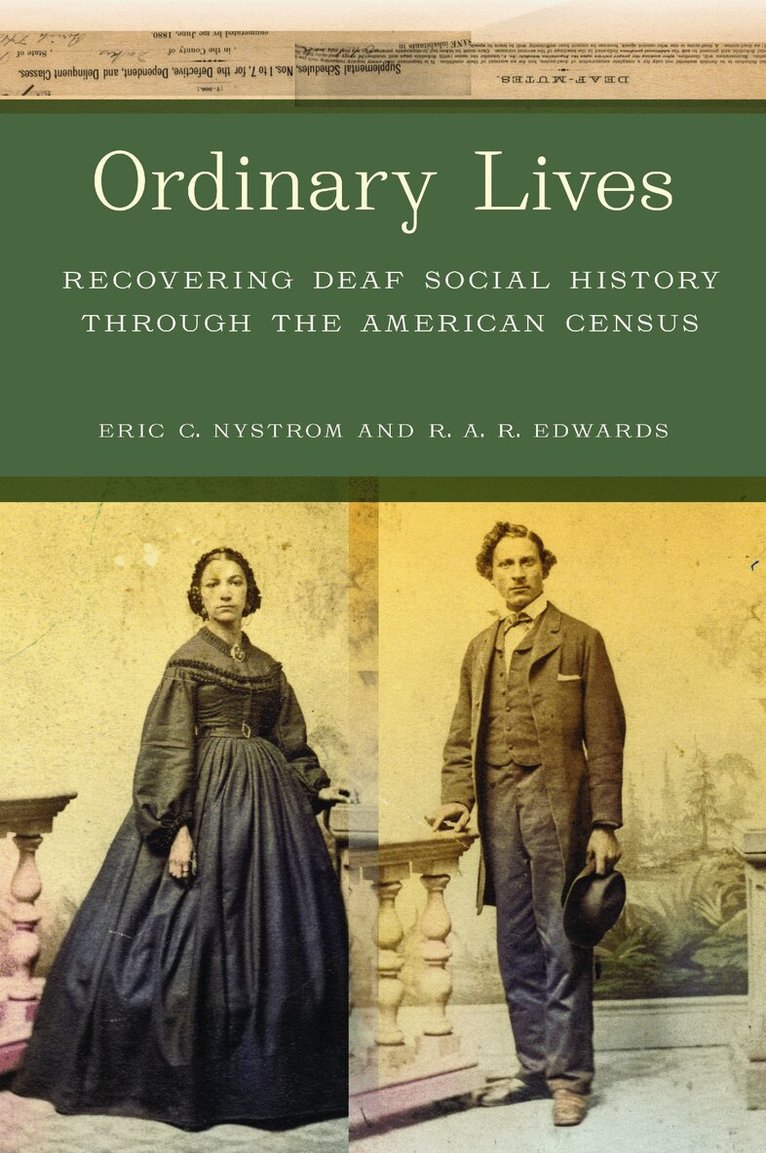
The collective social history of deaf people in America has yet to be written. While scholars have focused their attention on residential schools for the deaf, leaders in the deaf community, and prominent graduates of these institutions, the lives of “ordinary” deaf individuals have been largely overlooked. Employing the methods of social history, such as the use of digital history techniques and often-ignored sources like census records, Eric C. Nystrom and R. A. R. Edwards recover the lived experiences of everyday deaf people in late nineteenth century America. Ordinary Lives captures the stories of deaf women and men, both Black and white, describing their family lives, networks of support, educational experiences, and successes and hardships. In this pioneering “deaf social history,” Edwards and Nystrom reconstruct the biographies of a wider range of deaf individuals to tell a richer, more nuanced, and more inclusive history of the larger American deaf community.
1 083 kr
Skickas inom 5-8 vardagar
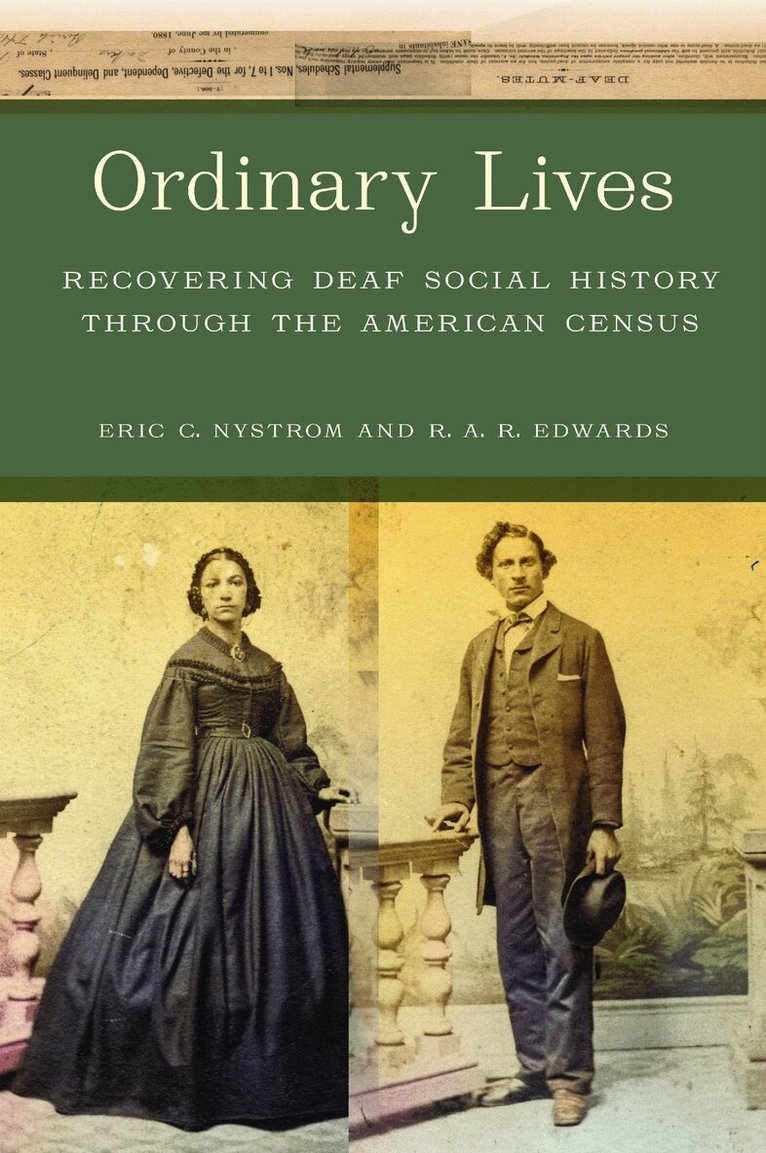
The collective social history of deaf people in America has yet to be written. While scholars have focused their attention on residential schools for the deaf, leaders in the deaf community, and prominent graduates of these institutions, the lives of “ordinary” deaf individuals have been largely overlooked. Employing the methods of social history, such as the use of digital history techniques and often-ignored sources like census records, Eric C. Nystrom and R. A. R. Edwards recover the lived experiences of everyday deaf people in late nineteenth century America. Ordinary Lives captures the stories of deaf women and men, both Black and white, describing their family lives, networks of support, educational experiences, and successes and hardships. In this pioneering “deaf social history,” Edwards and Nystrom reconstruct the biographies of a wider range of deaf individuals to tell a richer, more nuanced, and more inclusive history of the larger American deaf community.
355 kr
Kommande
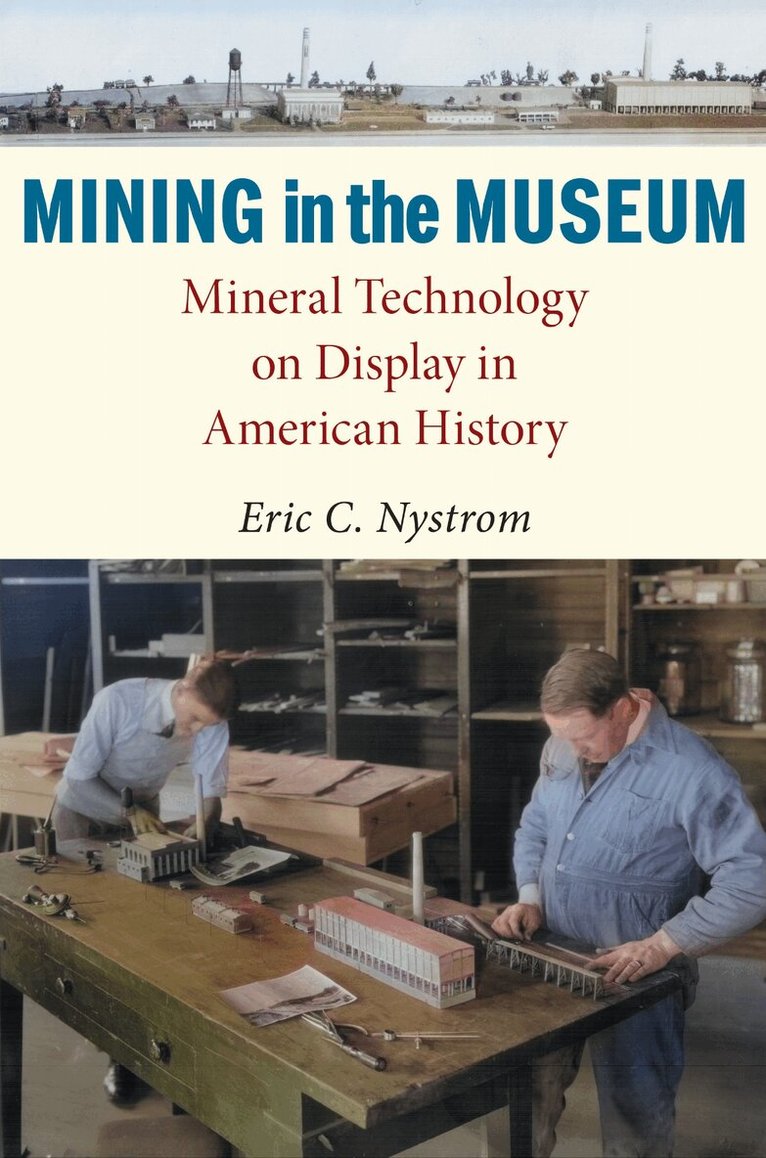
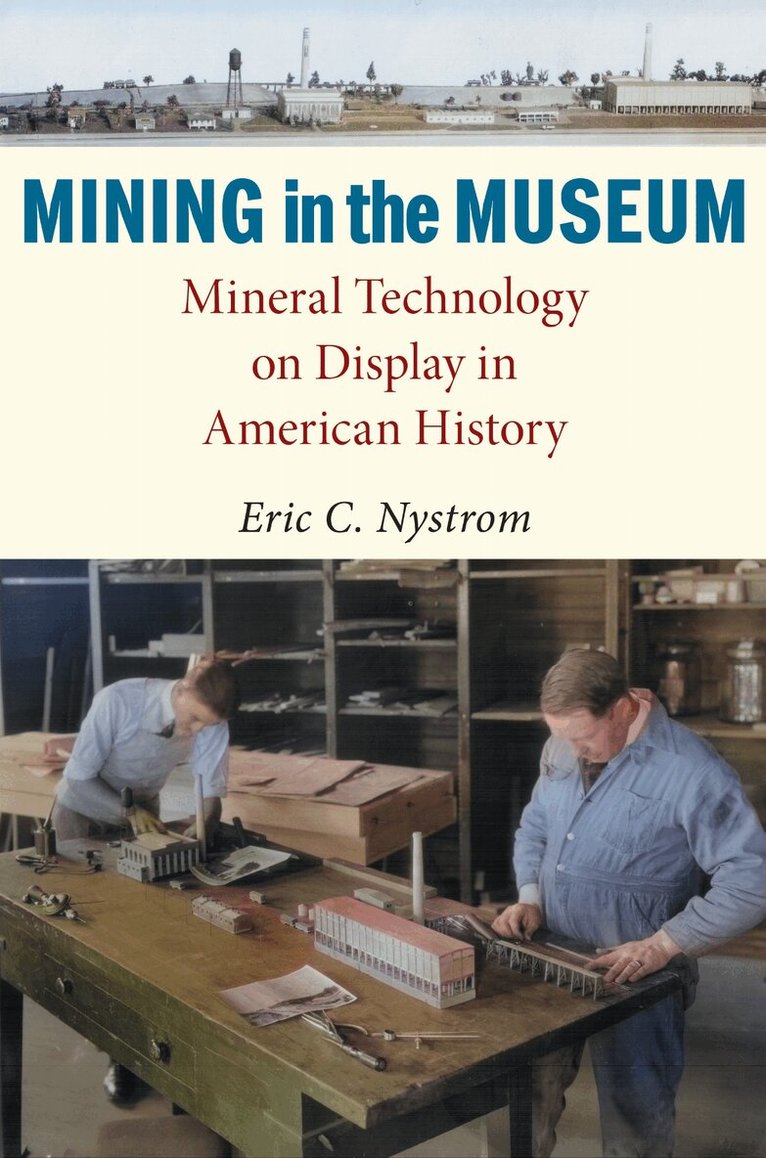
Examining 150 years of mining and mineral technology exhibits at the SmithsonianBuried deep underground or cut into remote landscapes, mines are often dirty, dark, and dangerous places, located far from the everyday urban spaces that most Americans call home. Yet mining is foundational to the making of the United States, supplying the raw materials that built its infrastructure, powered its industries, and shaped its scientific institutions, even as the work itself has remained physically removed, technically complex, and culturally overlooked. Mining in the Museum reveals how Americans have encountered this vital industry not at the distant mine face, but in museum galleries. Tracing more than 150 years of mining and mineral technology exhibits at the Smithsonian Institution in Washington, DC, Eric C. Nystrom shows how curators transformed ore, instruments, models, and machinery into stories about progress, innovation, and national development, and how those interpretive choices shaped what the nation remembers—and forgets—about mining.Using mining collections as a lens into institutional change, Nystrom offers a new history of the Smithsonian and its United States National Museum, examining how curators, administrators, and policymakers debated what museums were for, which kinds of knowledge they should produce, and what objects deserved display. He follows the shifting fortunes of mineral and mining exhibits across world's fairs, scientific surveys, and changing exhibition philosophies, showing how display strategies evolved alongside professional science and public education. As mining's place in the national imagination changed, so too did its presence in the federal museum, moving from a central scientific and technological showcase to a subject increasingly preserved by regional and local institutions closer to mining communities themselves. Grounded in extensive archival research, Mining in the Museum illuminates the evolving relationship among technology, public history, and the politics of display, demonstrating how museums help define which industries, and which kinds of work, become part of the American story.
926 kr
Kommande
Examining 150 years of mining and mineral technology exhibits at the SmithsonianBuried deep underground or cut into remote landscapes, mines are often dirty, dark, and dangerous places, located far from the everyday urban spaces that most Americans call home. Yet mining is foundational to the making of the United States, supplying the raw materials that built its infrastructure, powered its industries, and shaped its scientific institutions, even as the work itself has remained physically removed, technically complex, and culturally overlooked. Mining in the Museum reveals how Americans have encountered this vital industry not at the distant mine face, but in museum galleries. Tracing more than 150 years of mining and mineral technology exhibits at the Smithsonian Institution in Washington, DC, Eric C. Nystrom shows how curators transformed ore, instruments, models, and machinery into stories about progress, innovation, and national development, and how those interpretive choices shaped what the nation remembers—and forgets—about mining.Using mining collections as a lens into institutional change, Nystrom offers a new history of the Smithsonian and its United States National Museum, examining how curators, administrators, and policymakers debated what museums were for, which kinds of knowledge they should produce, and what objects deserved display. He follows the shifting fortunes of mineral and mining exhibits across world's fairs, scientific surveys, and changing exhibition philosophies, showing how display strategies evolved alongside professional science and public education. As mining's place in the national imagination changed, so too did its presence in the federal museum, moving from a central scientific and technological showcase to a subject increasingly preserved by regional and local institutions closer to mining communities themselves. Grounded in extensive archival research, Mining in the Museum illuminates the evolving relationship among technology, public history, and the politics of display, demonstrating how museums help define which industries, and which kinds of work, become part of the American story.