Eric King Watts – författare
Visar alla böcker från författaren Eric King Watts. Handla med fri frakt och snabb leverans.
5 produkter
5 produkter
Del 5 - Environmental Communication, Power, and Culture
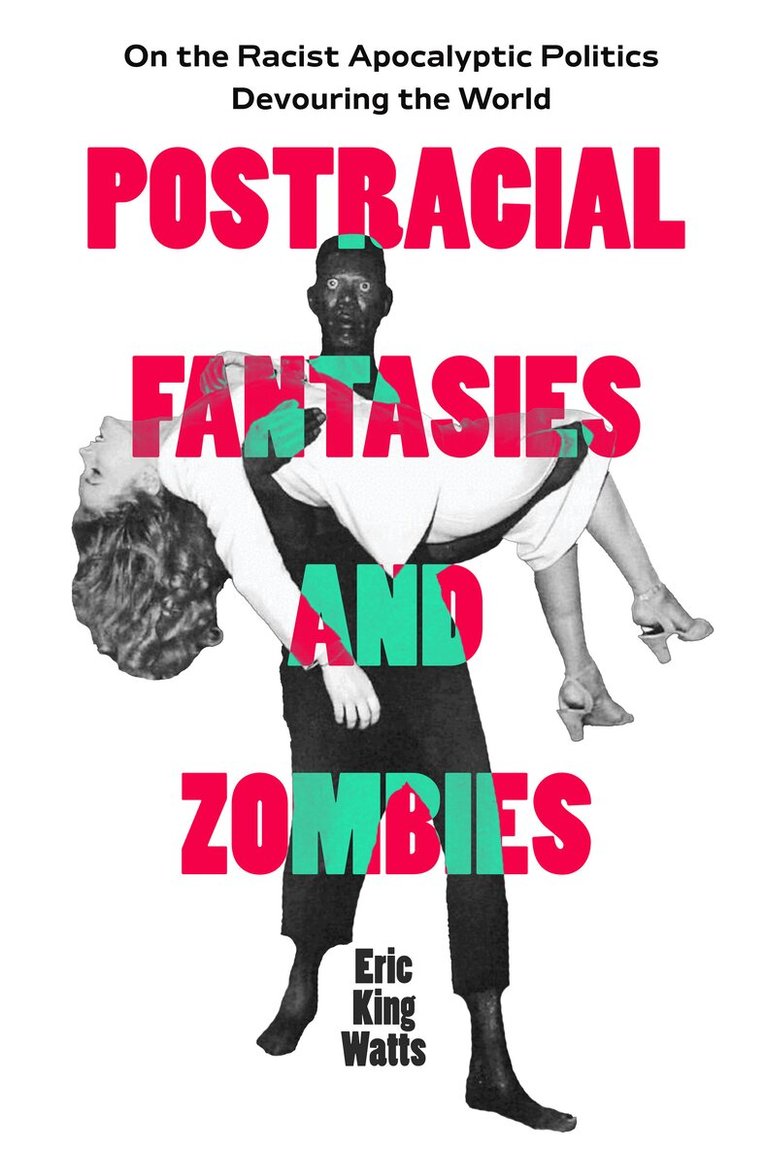
Postracial Fantasies and Zombies
On the Racist Apocalyptic Politics Devouring the World
Inbunden, Engelska, 2024
798 kr
Skickas inom 5-8 vardagar
This book understands the postracial as a genre—like the zombie apocalypse—that signals a disturbance in society that is felt as terrifying and exciting. The postracial is repetitive and reproduces blackened biothreat bodies, rituals of securitization, and fantasies of the reclamation of white masculine sovereignty. Eric King Watts examines key moments when Blackness became an object of knowledge in the eighteenth and nineteenth centuries, preparing the "scientific" and philosophical ground for interpreting zombie lore. The book treats the "Greater Caribbean" as a transformative space in which an antiblack infrastructure arose and interrogates the US's militarized domination of Haiti that was the context in which the zombie emerged. Watts traces variations of the form and function of the zombie to contemplate how it matters to our contemporary struggles with racism and pandemic policies.
Del 5 - Environmental Communication, Power, and Culture
Postracial Fantasies and Zombies
On the Racist Apocalyptic Politics Devouring the World
Häftad, Engelska, 2024
257 kr
Skickas inom 5-8 vardagar
This book understands the postracial as a genre—like the zombie apocalypse—that signals a disturbance in society that is felt as terrifying and exciting. The postracial is repetitive and reproduces blackened biothreat bodies, rituals of securitization, and fantasies of the reclamation of white masculine sovereignty. Eric King Watts examines key moments when Blackness became an object of knowledge in the eighteenth and nineteenth centuries, preparing the "scientific" and philosophical ground for interpreting zombie lore. The book treats the "Greater Caribbean" as a transformative space in which an antiblack infrastructure arose and interrogates the US's militarized domination of Haiti that was the context in which the zombie emerged. Watts traces variations of the form and function of the zombie to contemplate how it matters to our contemporary struggles with racism and pandemic policies.
E-bok
Engelska, 2024406 kr
Läs direkt efter köp
This book understands the postracial as a genre—like the zombie apocalypse—that signals a disturbance in society that is felt as terrifying and exciting. The postracial is repetitive and reproduces blackened biothreat bodies, rituals of securitization, and fantasies of the reclamation of white masculine sovereignty. Eric King Watts examines key moments when Blackness became an object of knowledge in the eighteenth and nineteenth centuries, preparing the "scientific" and philosophical ground for interpreting zombie lore. The book treats the "Greater Caribbean" as a transformative space in which an antiblack infrastructure arose and interrogates the US's militarized domination of Haiti that was the context in which the zombie emerged. Watts traces variations of the form and function of the zombie to contemplate how it matters to our contemporary struggles with racism and pandemic policies.
E-bok
Engelska, 2012731 kr
Läs direkt efter köp
Normal0falsefalsefalseMicrosoftInternetExplorer4 Hearing the Hurt is an examination of how the New Negro movement, also known as the Harlem Renaissance, provoked and sustained public discourse and deliberation about black culture and identity in the early twentieth century. Borrowing its title from a W. E. B. Du Bois essay, Hearing the Hurt explores the nature of rhetorical invention, performance, and mutation by focusing on the multifaceted issues brought forth in the New Negro movement, which Watts treats as a rhetorical struggle over what it means to be properly black and at the same time properly American. Who determines the meaning of blackness? How should African Americans fit in with American public culture? In what way should black communities and families be structured? The New Negro movement animated dynamic tension among diverse characterizations of African American civil rights, intellectual life, and well-being, and thus it provides a fascinating and complex stage on which to study how ideologies clash with each other to become accepted universally. Watts, conceptualizing the artistic culture of the time as directly affected by the New Negro public discourse, maps this rhetorical struggle onto the realm of aesthetics and discusses some key incarnations of New Negro rhetoric in select speeches, essays, and novels.
Häftad, Engelska, 2026
435 kr
Skickas inom 3-6 vardagar
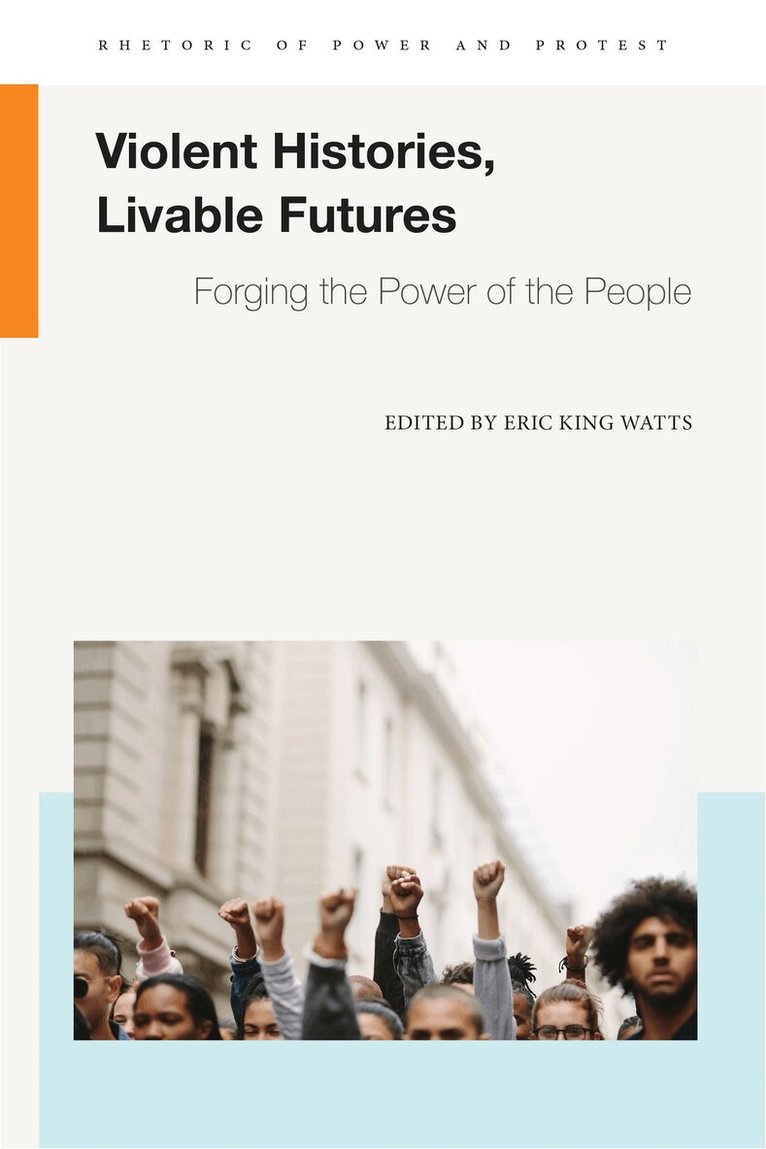
Our political landscape is crowded with competing voices—claims, demands, grievances, and even acts of violence—all made in the name of some idea of “the people.” This powerful concept has been wielded both to assert democratic sovereignty and to justify exclusion and control. Violent Histories, Livable Futures unpacks this complex dynamic through compelling historical case studies, spanning sub-Saharan Africa in the 1950s, post–World War II Guatemala, and the United States in the aftermath of George Floyd’s murder. By tracing how societies have contended over which people matter and which do not, this book offers a deeply relevant exploration of power, representation, and the struggle for justice, all in pursuit of a more livable future.