Eric Merriam – författare
Visar alla böcker från författaren Eric Merriam. Handla med fri frakt och snabb leverans.
8 produkter
8 produkter
Häftad, Engelska, 2021
638 kr
Skickas inom 10-15 vardagar
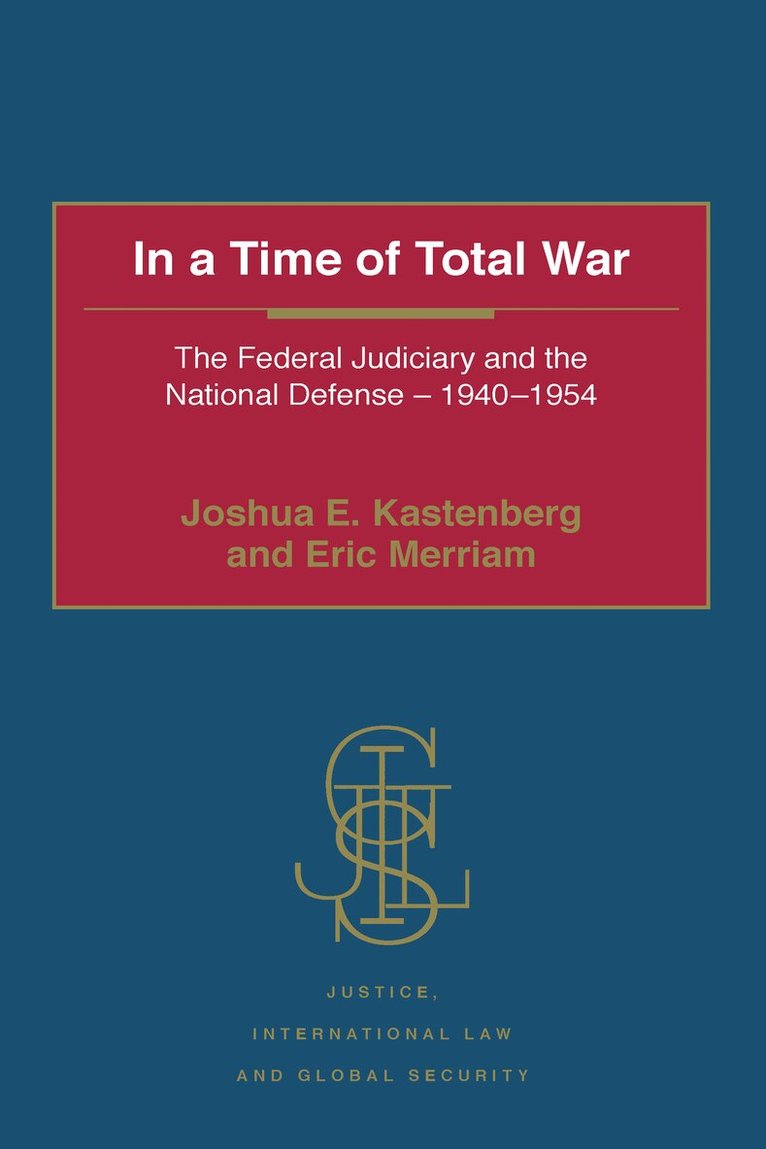
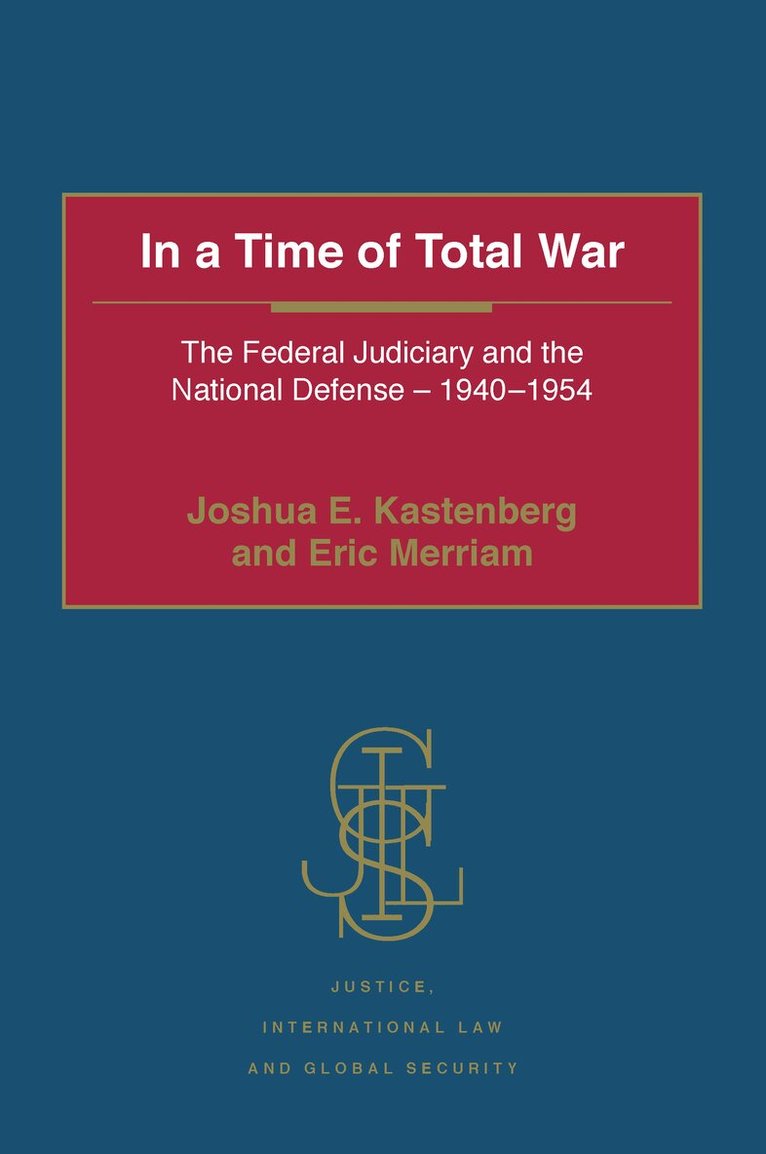
This book is a judicial, military and political history of the period 1941 to 1954. As such, it is also a United States legal history of both World War II and the early Cold War. Civil liberties, mass conscription, expanded military jurisdiction, property rights, labor relations, and war crimes arising from the conflict were all issues to come before the federal judiciary during this period and well beyond since the Supreme Court and the lower courts heard appeals from the government’s wartime decisions well into the 1970s. A detailed study of the judiciary during World War II evidences that while the majority of the justices and judges determined appeals partly on the basis of enabling a large, disciplined, and reliable military to either deter or fight a third world war, there was a recognition of the existence of a tension between civil rights and liberties on the one side and military necessity on the other. While the majority of the judiciary tilted toward national security and deference to the military establishment, the judiciary’s recognition of this tension created a foundation for persons to challenge governmental narrowing of civil and individual rights after 1954. Kastenberg and Merriam present a clearer picture as to why the Court and the lower courts determined the issues before them in terms of external influences from both national and world-wide events. This book is also a study of civil-military relations in wartime so whilst legal scholars will find this study captivating, so will military and political historians, as well as political scientists and national security policy makers.
672 kr
Läs direkt efter köp
This book is a judicial, military and political history of the period 1941 to 1954. As such, it is also a United States legal history of both World War II and the early Cold War. Civil liberties, mass conscription, expanded military jurisdiction, property rights, labor relations, and war crimes arising from the conflict were all issues to come before the federal judiciary during this period and well beyond since the Supreme Court and the lower courts heard appeals from the government’s wartime decisions well into the 1970s. A detailed study of the judiciary during World War II evidences that while the majority of the justices and judges determined appeals partly on the basis of enabling a large, disciplined, and reliable military to either deter or fight a third world war, there was a recognition of the existence of a tension between civil rights and liberties on the one side and military necessity on the other. While the majority of the judiciary tilted toward national security and deference to the military establishment, the judiciary’s recognition of this tension created a foundation for persons to challenge governmental narrowing of civil and individual rights after 1954. Kastenberg and Merriam present a clearer picture as to why the Court and the lower courts determined the issues before them in terms of external influences from both national and world-wide events. This book is also a study of civil-military relations in wartime so whilst legal scholars will find this study captivating, so will military and political historians, as well as political scientists and national security policy makers.
E-bok
PDF, Engelska, 2016672 kr
Läs direkt efter köp
This book is a judicial, military and political history of the period 1941 to 1954. As such, it is also a United States legal history of both World War II and the early Cold War. Civil liberties, mass conscription, expanded military jurisdiction, property rights, labor relations, and war crimes arising from the conflict were all issues to come before the federal judiciary during this period and well beyond since the Supreme Court and the lower courts heard appeals from the government’s wartime decisions well into the 1970s. A detailed study of the judiciary during World War II evidences that while the majority of the justices and judges determined appeals partly on the basis of enabling a large, disciplined, and reliable military to either deter or fight a third world war, there was a recognition of the existence of a tension between civil rights and liberties on the one side and military necessity on the other. While the majority of the judiciary tilted toward national security and deference to the military establishment, the judiciary’s recognition of this tension created a foundation for persons to challenge governmental narrowing of civil and individual rights after 1954. Kastenberg and Merriam present a clearer picture as to why the Court and the lower courts determined the issues before them in terms of external influences from both national and world-wide events. This book is also a study of civil-military relations in wartime so whilst legal scholars will find this study captivating, so will military and political historians, as well as political scientists and national security policy makers.
Inbunden, Engelska, 2024
1 259 kr
Skickas inom 5-8 vardagar
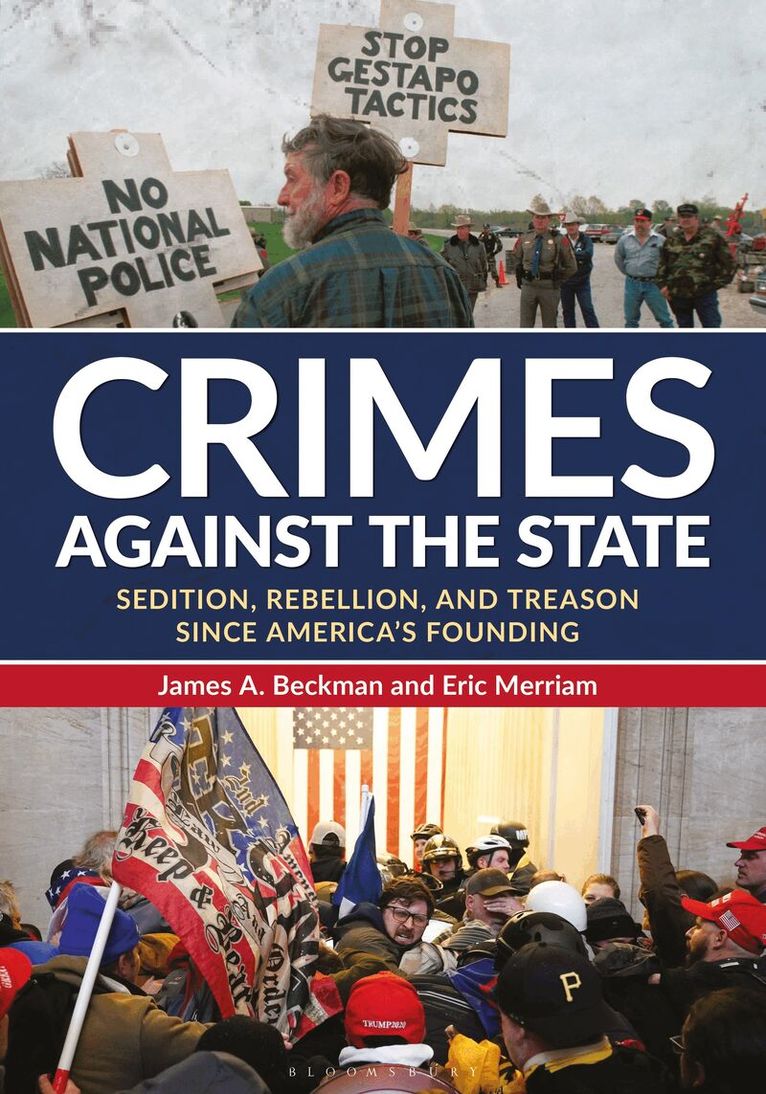
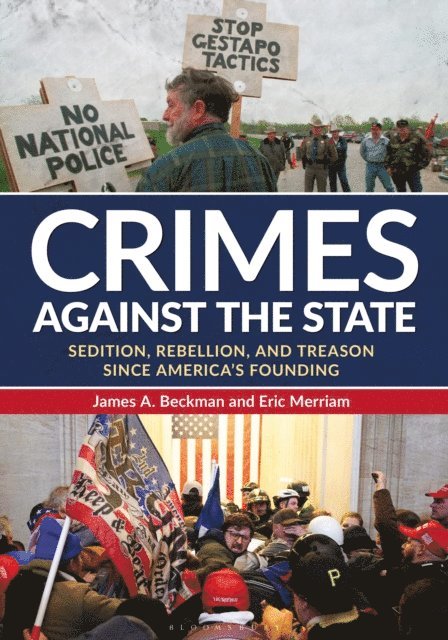
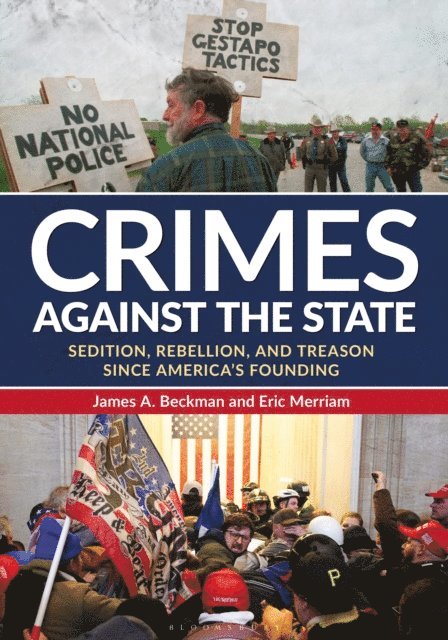
This work provides an authoritative survey of America's long and turbulent history of rebellion, sedition, and treason against government authority and institutions. Crimes against the State is an even-handed and illuminating one-stop resource for understanding acts of rebellion and sedition against government authorities and institutions throughout US history, as well as the motivations driving those actions. Special care is taken to differentiate between hostile acts and actors that seek to overthrow or otherwise damage the state and/or targeted demographic groups through violence and acts and actors that seek to defy, reform, or improve laws and institutions of the state through nonviolent action.Within these pages, readers will 1) learn how to differentiate between sedition, insurrection, treason, domestic terrorism, espionage, and other acts meant to injure or overthrow the government; 2) gain a deeper understanding of laws, policies, and events that have aroused violent or nonviolent opposition; 3) gain insights into perspectives and motivations of individuals and organizations; and 4) learn about state responses to these challenges and threats, from martial law to criminal prosecutions to new laws and reforms.
E-bok
PDF, Engelska, 20241 343 kr
Läs direkt efter köp
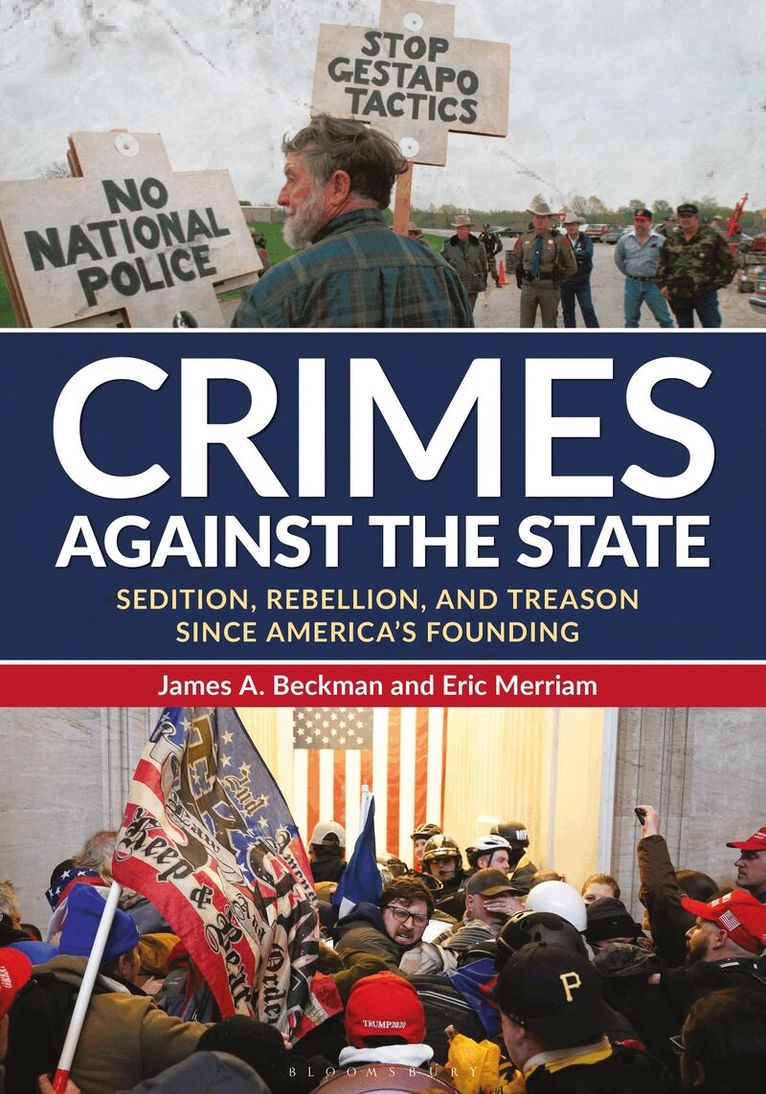
This work provides an authoritative survey of America's long and turbulent history of rebellions against laws and institutions of the state, ranging from violent acts of sedition and terrorism to acts of nonviolent civil disobedience against discriminatory or unjust laws.Crimes against the State is an evenhanded and illuminating one-stop resource for understanding acts of rebellion against legal authorities and institutions and the motivations/goals driving them. Special care is taken to differentiate between hostile acts and actors that seek to overthrow or otherwise damage the state and/or targeted demographic groups through violence (such "bad actors" as the January 6 Capitol mob and bombers of abortion clinics) and acts and actors that seek to defy, reform, or improve laws and institutions of the state through nonviolent action (such "good actors" as activists in the civil rights movement).Within these pages, readers will 1) learn how to differentiate between sedition, insurrection, treason, domestic terrorism, espionage, and other acts meant to injure or overthrow the government; 2) gain a deeper understanding of laws, policies, and events that have aroused violent or nonviolent opposition; 3) gain a deeper understanding of the perspectives and motivations of both good actors and bad actors; and 4) learn about state responses to these challenges and threats, from martial law–style crackdowns to new laws and reforms.
Inbunden, Engelska, 2016
2 200 kr
Skickas inom 10-15 vardagar
This book is a judicial, military and political history of the period 1941 to 1954. As such, it is also a United States legal history of both World War II and the early Cold War. Civil liberties, mass conscription, expanded military jurisdiction, property rights, labor relations, and war crimes arising from the conflict were all issues to come before the federal judiciary during this period and well beyond since the Supreme Court and the lower courts heard appeals from the government’s wartime decisions well into the 1970s. A detailed study of the judiciary during World War II evidences that while the majority of the justices and judges determined appeals partly on the basis of enabling a large, disciplined, and reliable military to either deter or fight a third world war, there was a recognition of the existence of a tension between civil rights and liberties on the one side and military necessity on the other. While the majority of the judiciary tilted toward national security and deference to the military establishment, the judiciary’s recognition of this tension created a foundation for persons to challenge governmental narrowing of civil and individual rights after 1954. Kastenberg and Merriam present a clearer picture as to why the Court and the lower courts determined the issues before them in terms of external influences from both national and world-wide events. This book is also a study of civil-military relations in wartime so whilst legal scholars will find this study captivating, so will military and political historians, as well as political scientists and national security policy makers.
E-bok
Engelska, 20241 343 kr
Läs direkt efter köp
This work provides an authoritative survey of America''s long and turbulent history of rebellions against laws and institutions of the state, ranging from violent acts of sedition and terrorism to acts of nonviolent civil disobedience against discriminatory or unjust laws.Crimes against the State is an even-handed and illuminating one-stop resource for understanding acts of rebellion against legal authorities and institutions and the motivations driving them. Special care is taken to differentiate between hostile acts and actors that seek to overthrow or otherwise damage the state and/or targeted demographic groups through violence (such "bad actors" as the January 6 Capitol mob and bombers of abortion clinics) and acts and actors that seek to defy, reform, or improve laws and institutions of the state through nonviolent action (such "good actors" as activists in the civil rights movement).Within these pages, readers will 1) learn how to differentiate between sedition, insurrection, treason, domestic terrorism, espionage, and other acts meant to injure or overthrow the government; 2) gain a deeper understanding of laws, policies, and events that have aroused violent or nonviolent opposition; 3) gain insights into perspectives and motivations of individuals and organizations; and 4) learn about state responses to these challenges and threats, from martial law to criminal prosecutions to new laws and reforms.
Häftad, Engelska, 2026
439 kr
Kommande
This work provides an authoritative survey of America's long and turbulent history of rebellion, sedition, and treason against government authority and institutions. Crimes against the State is an even-handed and illuminating one-stop resource for understanding acts of rebellion and sedition against government authorities and institutions throughout US history, as well as the motivations driving those actions. Special care is taken to differentiate between hostile acts and actors that seek to overthrow or otherwise damage the state and/or targeted demographic groups through violence and acts and actors that seek to defy, reform, or improve laws and institutions of the state through nonviolent action.Within these pages, readers will 1) learn how to differentiate between sedition, insurrection, treason, domestic terrorism, espionage, and other acts meant to injure or overthrow the government; 2) gain a deeper understanding of laws, policies, and events that have aroused violent or nonviolent opposition; 3) gain insights into perspectives and motivations of individuals and organizations; and 4) learn about state responses to these challenges and threats, from martial law to criminal prosecutions to new laws and reforms.