Eric Musgrave – författare
Visar alla böcker från författaren Eric Musgrave. Handla med fri frakt och snabb leverans.
3 produkter
3 produkter
218 kr
Skickas
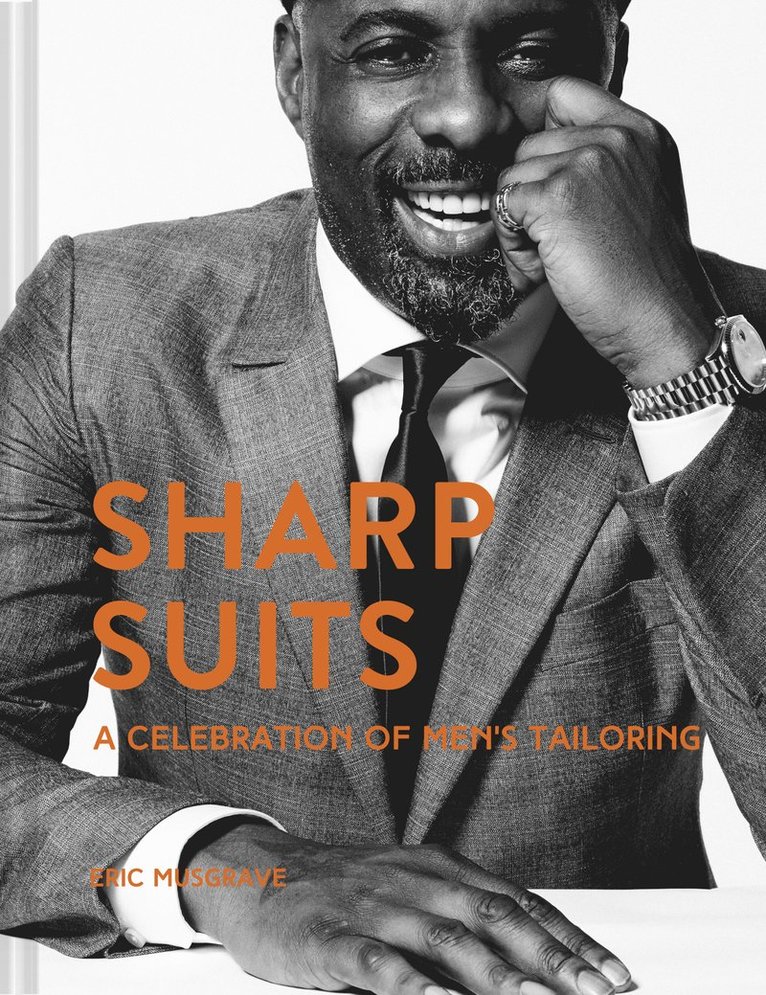
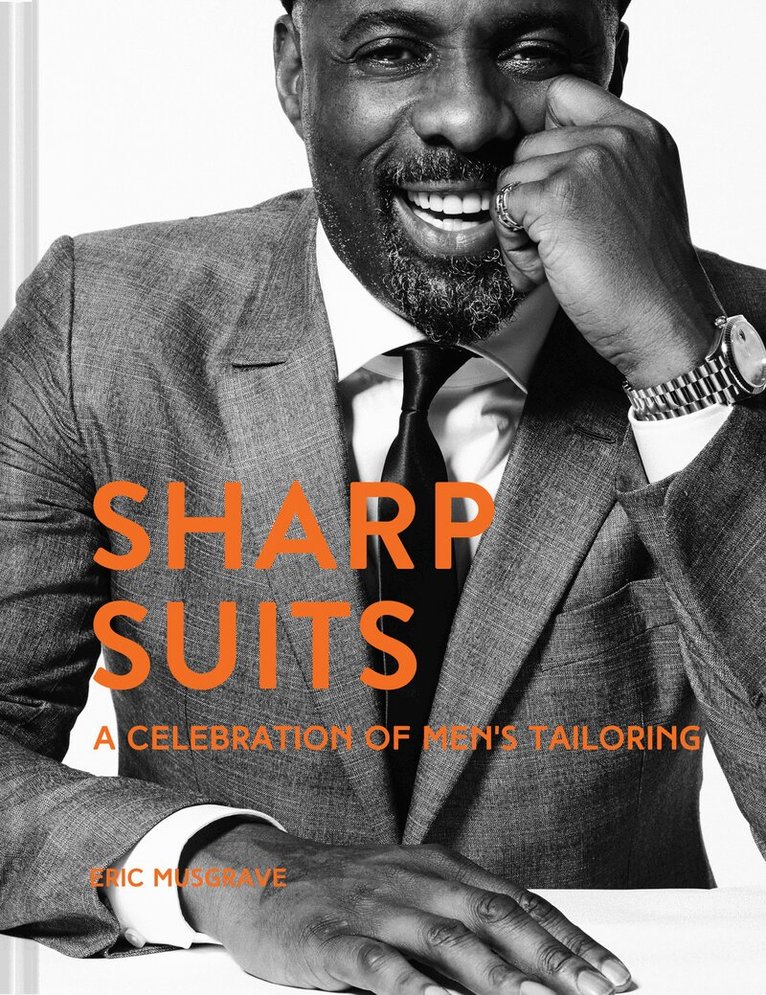
This book contains everything you need to know about suits, from the traditional designs of the early 1900s, to innovative contemporary variations. It was awarded Financial Times’ Fashion Book of the Year.Clothes maketh the man. For millions of men across the world the common denominator that identifies them is the suit. Just three and a half metres of fabric, some internal shaping elements, lining, buttons and several metres of thread are all it takes to produce the jacket-and-trouser combination that can be seen from boardrooms to bars, wherever men gather.In Sharp Suits we examine the fascinating history and evolution of the modern suit from the late seventeenth century to date. From eighteenth-century bespoke to the mass industrialization of the twentieth century, we see how the uniform of the ruling classes became the utilitarian outfit of the worker. A series of thematic chapters also illustrate how the universal staple of a man’s wardrobe can play many different roles and, chameleon-like, can mean different things in different situations. From the Duke of Windsor to The Thin White Duke, David Bowie; from James Brown to The Jamel from Guys and Dolls to The Godfather, movie stars, rock stars, heroes and villains, philanthropists, presidents and gangsters – all these men and many more have dressed to impress in a matching jacket and trousers and have found that a suit will suit them very well.‘Clothes can ‘do a job’. A well-cut suit can make you slimmer, taller, sexier, more elegant or business-like.’ Sir Paul Smith
421 kr
Kommande
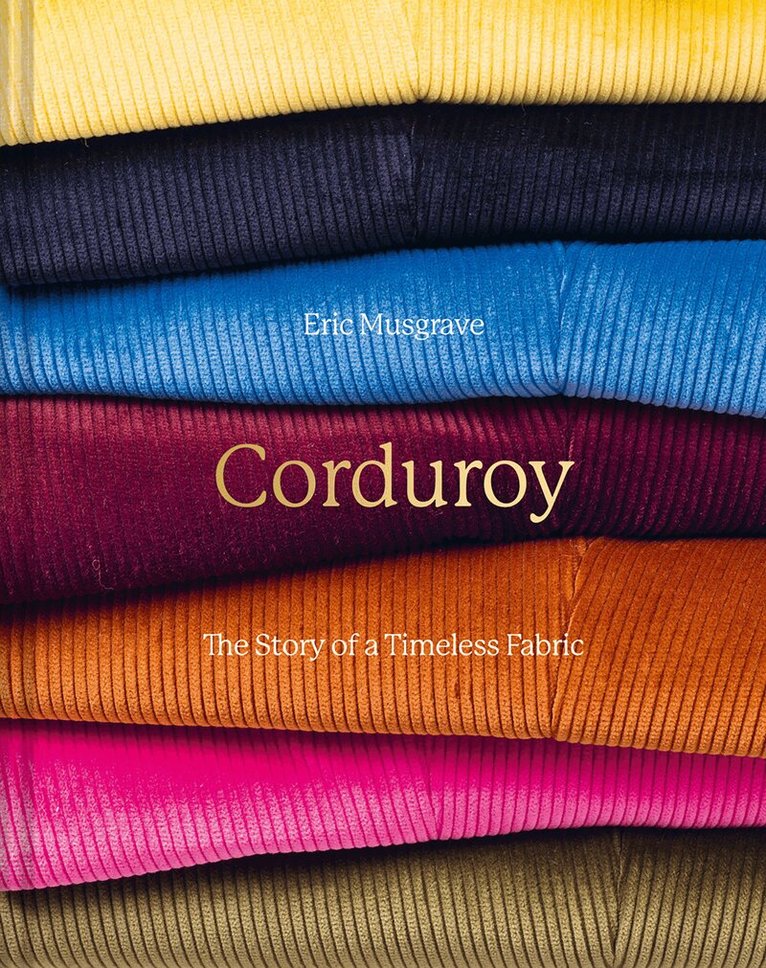
An illustrated guide to the history and use of corduroy in fashion.A true classic, corduroy is the unsung hero of many an outfit. From country lanes to the salons of the intelligentsia, corduroy has secured its place as a reliable and unmistakable fabric; everyone has a memory of a cherished piece of corduroy clothing.A staple of many a wardrobe, it comes in many weights and widths, and its ridged profile is instantly recognisable: from sports jackets with elbow patches (a professor’s classic) to dungarees, corduroy has a popularity probably only rivalled by denim. Corduroy features some of corduroy’s most famous fans, from Picasso and Rodin to Bob Dylan and David Bowie. Delve into the origins and history of the cloth and how it got its name – originating in Manchester in the UK, corduroy is called ‘Manchester’ in countries such as Sweden, Germany and the Netherlands. This beautiful book features over 200 colour photographs documenting the long life of corduroy, accompanied by essays from Eric Musgrave who has been a fashion writer for over 40 years. Discover corduroy’s roots, its position in the high fashion world as well as the workwear sphere, and where it is destined to go. Wherever it is currently sitting in the fashion cycle, it’s a look that is unmistakable and enduring.
180 kr
Tillfälligt slut
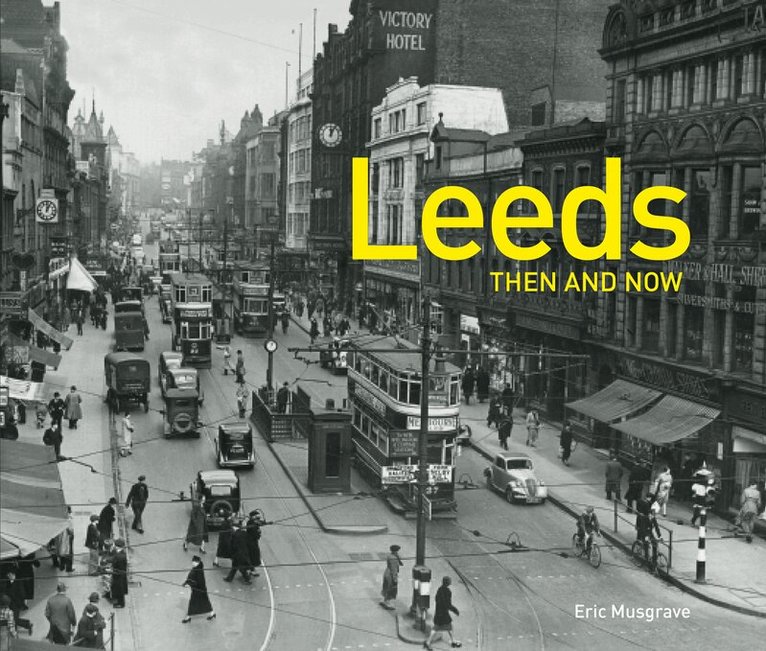
Using archive photos from the 1860s to the 1960 paired with a modern viewpoint, Leeds Then and Now shows how the great northern powerhouse has retained and adapted its classic Victorian buildings, such as Kirkgate Market, to a 21st-century economy.The centre of Leeds is the wide thoroughfare of Briggate and it has been since at least 1207 when the path northwards from the crossing over the River Aire – literally the bridge gate – was established. As with most settlements, Leeds started out as dwellings next to the water. The first mention of Leeds was made by the scholarly monk The Venerable Bede in his Ecclesiastical History of the English People of 731 AD when he referred to the region of Loidis, but he was scant on details.The modern Leeds is a product of the Industrial Revolution, a great Victorian northern industrial city shaped by the manufacturing boom that began in the late 18th century and employed thousands of people for almost 200 years in industries like textiles, clothing manufacturing, metalworking and engineering.Using historic images, some dating back to the 19th century, paired with their modern-day viewpoint, Eric Musgrave charts the evolution of the city from its industrial heyday through the disruptions of two world wars, to its position as one of the most prominent of the northern powerhouses.Sites include: City Square, Park Place, Leeds University, Leeds Town Hall, Odeon Cinema, Kirkgate Market, Briggate, Headrow, Boar Lane, Vicar Lane, Duncan Street, Quarry Hill Flats, Queens Arcade, Cross Arcade, Leeds Cathedral.