Erika Rummel – författare
1 861 kr
Skickas inom 5-8 vardagar
1 615 kr
Läs direkt efter köp
727 kr
Skickas inom 5-8 vardagar
477 kr
Skickas inom 5-8 vardagar
421 kr
Skickas inom 10-15 vardagar
1 134 kr
Skickas inom 10-15 vardagar
414 kr
Skickas inom 5-8 vardagar
393 kr
Skickas inom 10-15 vardagar
400 kr
Skickas inom 5-8 vardagar
233 kr
Skickas inom 5-8 vardagar
409 kr
Läs direkt efter köp
352 kr
Skickas inom 10-15 vardagar
597 kr
Läs direkt efter köp
603 kr
Läs direkt efter köp
773 kr
Läs direkt efter köp
778 kr
Läs direkt efter köp
773 kr
Läs direkt efter köp
581 kr
Läs direkt efter köp
519 kr
Läs direkt efter köp
1 879 kr
Läs direkt efter köp
192 kr
Skickas
989 kr
Skickas inom 5-8 vardagar
1 199 kr
Läs direkt efter köp
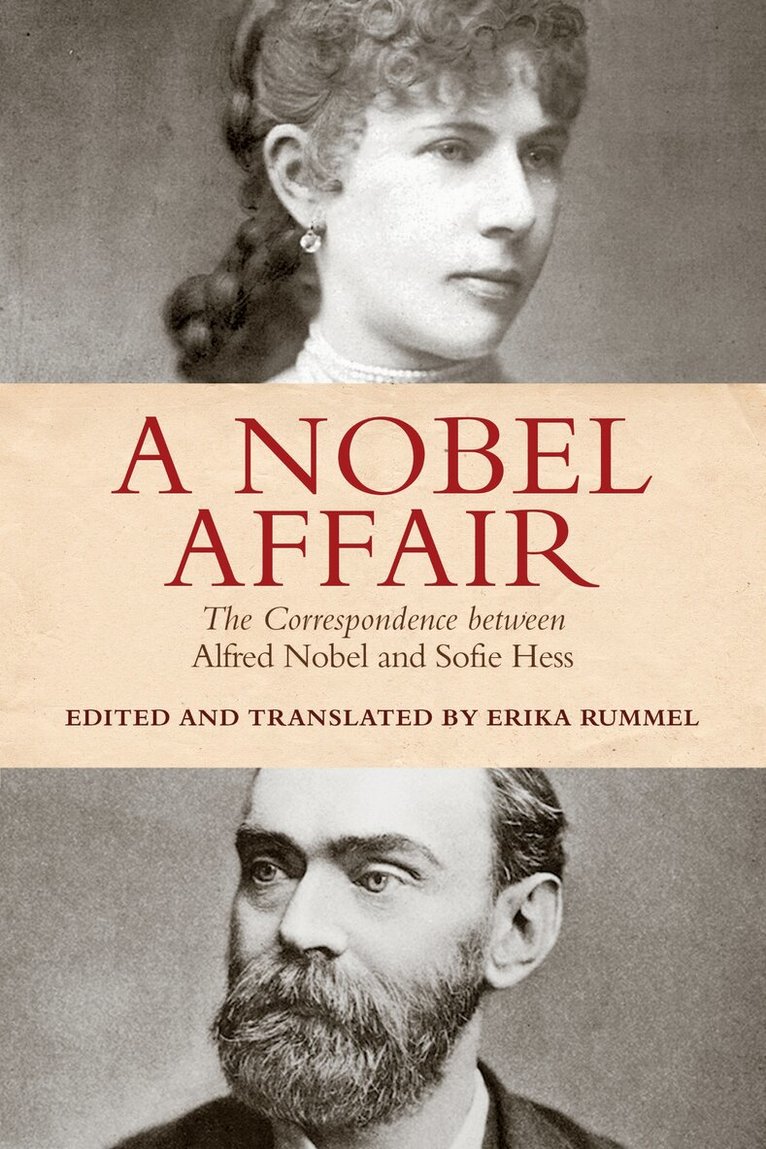
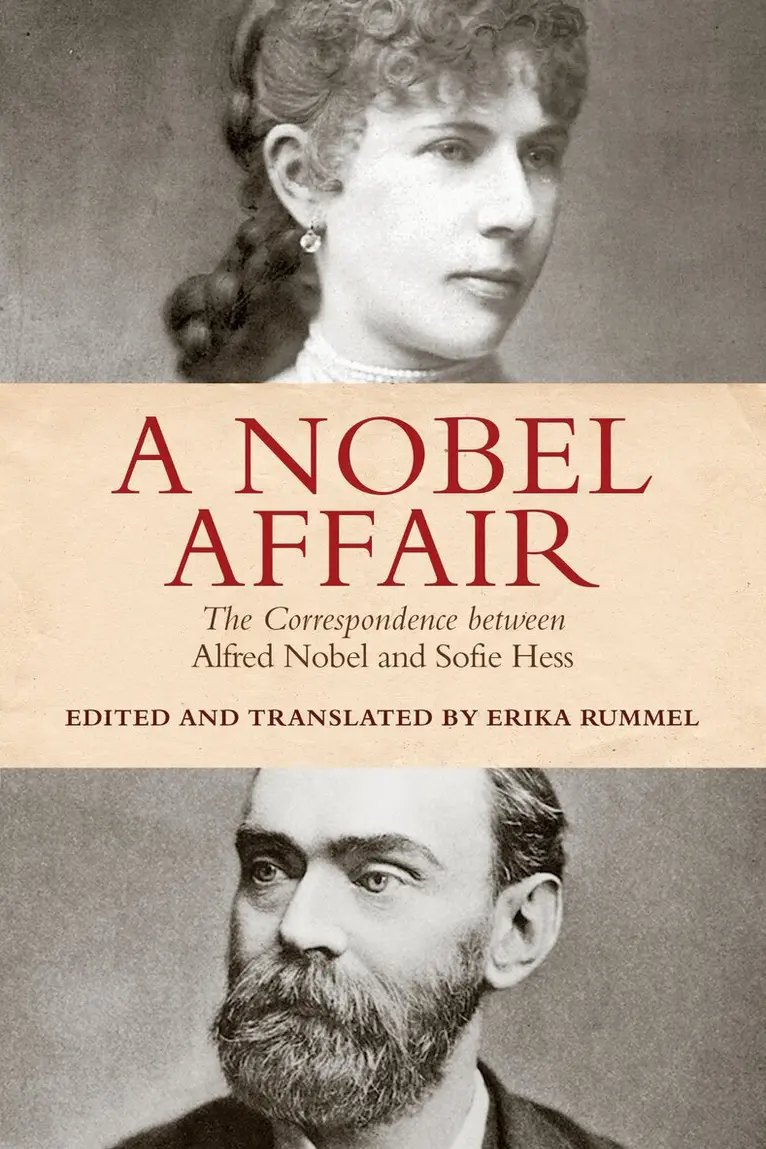
Alfred Nobel made his name as an inventor and successful entrepreneur and left a legacy as a philanthropist and promoter of learning and social progress.
The correspondence between Nobel and his Viennese mistress, Sofie Hess, shines a light on his private life and reveals a personality that differs significantly from his public image. The letters show him as a hypochondriac and workaholic and as a paranoid, jealous, and patriarchal lover. Indeed, the relationship between the aging Alfred Nobel and the carefree, spendthrift Sofie Hess will strike readers as dysfunctional and worthy of Freudian analysis. Erika Rummel’s masterful translation and annotations reveal the value of the letters as commentary on 19th century social mores: the concept of honour and reputation, the life of a "kept" woman, the prevalence of antisemitism, the importance of spas as health resorts and entertainment centres, the position of single mothers, and more generally the material culture of a rich bourgeois gentleman. A Nobel Affair is the first translation into English of the complete correspondence between Alfred Nobel and Sofie Hess.
1 199 kr
Läs direkt efter köp
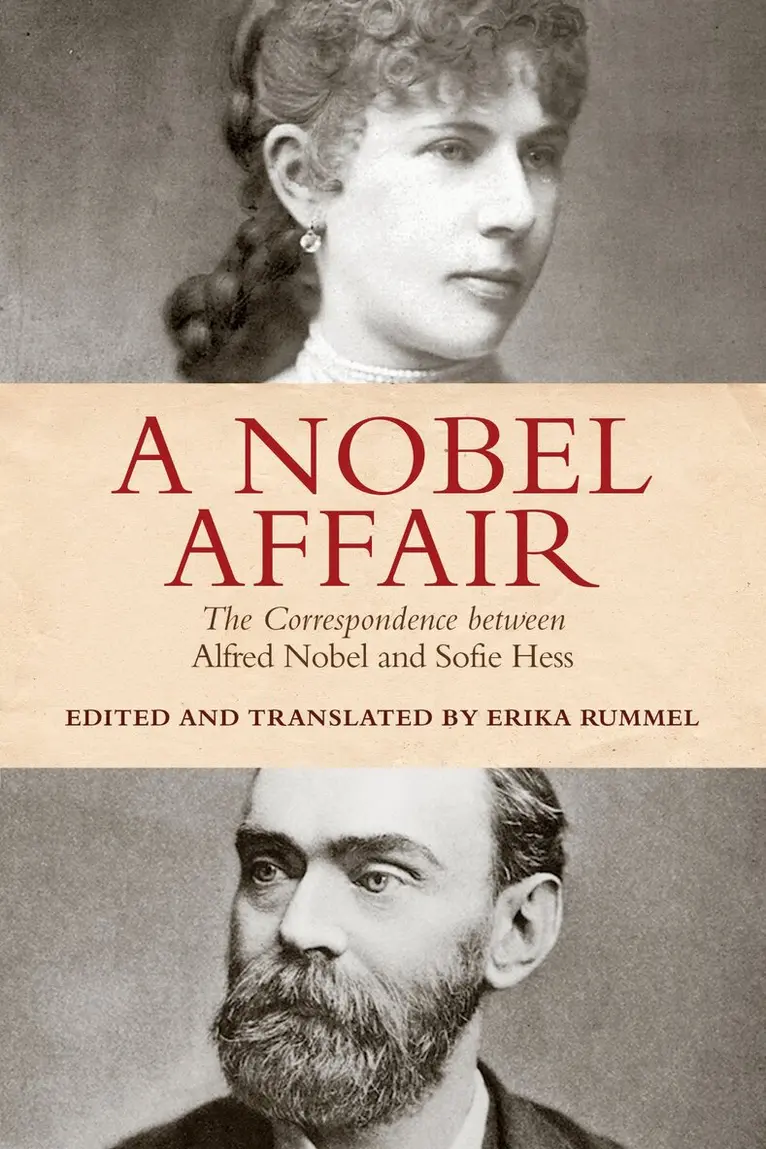
Alfred Nobel made his name as an inventor and successful entrepreneur and left a legacy as a philanthropist and promoter of learning and social progress.
The correspondence between Nobel and his Viennese mistress, Sofie Hess, shines a light on his private life and reveals a personality that differs significantly from his public image. The letters show him as a hypochondriac and workaholic and as a paranoid, jealous, and patriarchal lover. Indeed, the relationship between the aging Alfred Nobel and the carefree, spendthrift Sofie Hess will strike readers as dysfunctional and worthy of Freudian analysis. Erika Rummel’s masterful translation and annotations reveal the value of the letters as commentary on 19th century social mores: the concept of honour and reputation, the life of a "kept" woman, the prevalence of antisemitism, the importance of spas as health resorts and entertainment centres, the position of single mothers, and more generally the material culture of a rich bourgeois gentleman. A Nobel Affair is the first translation into English of the complete correspondence between Alfred Nobel and Sofie Hess.
281 kr
Skickas inom 5-8 vardagar
671 kr
Skickas inom 5-8 vardagar
281 kr
Skickas inom 5-8 vardagar
341 kr
Läs direkt efter köp
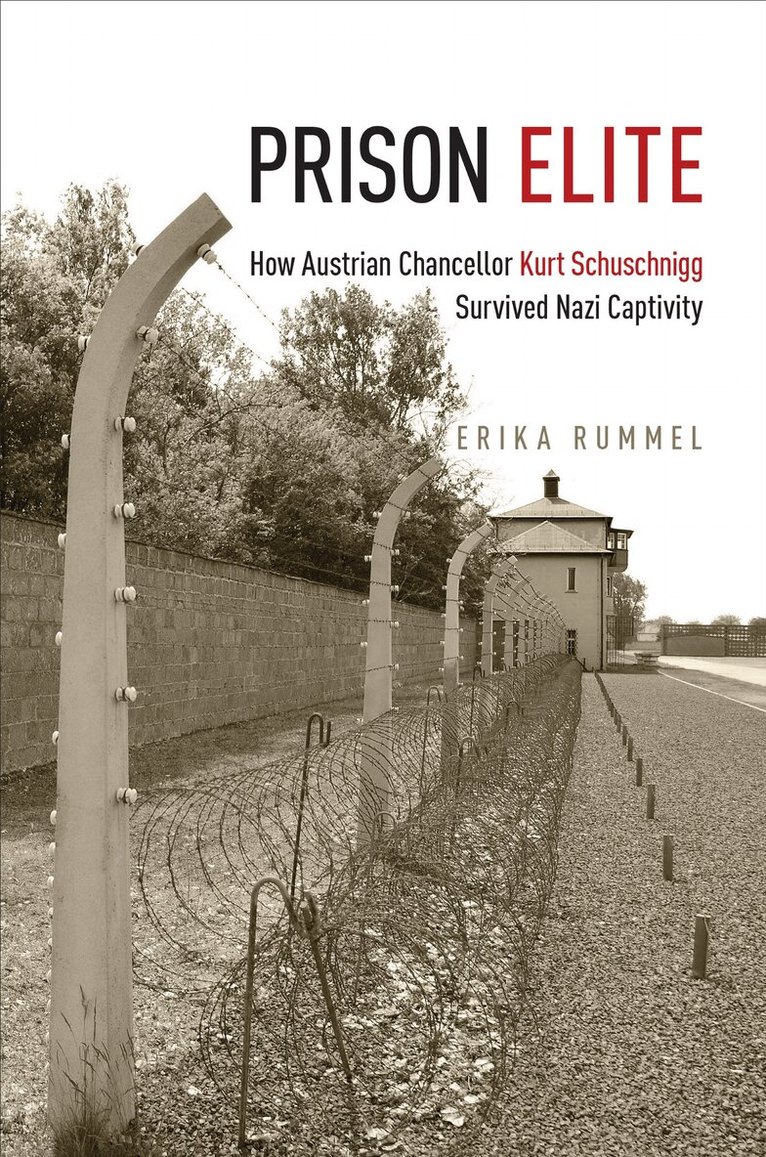
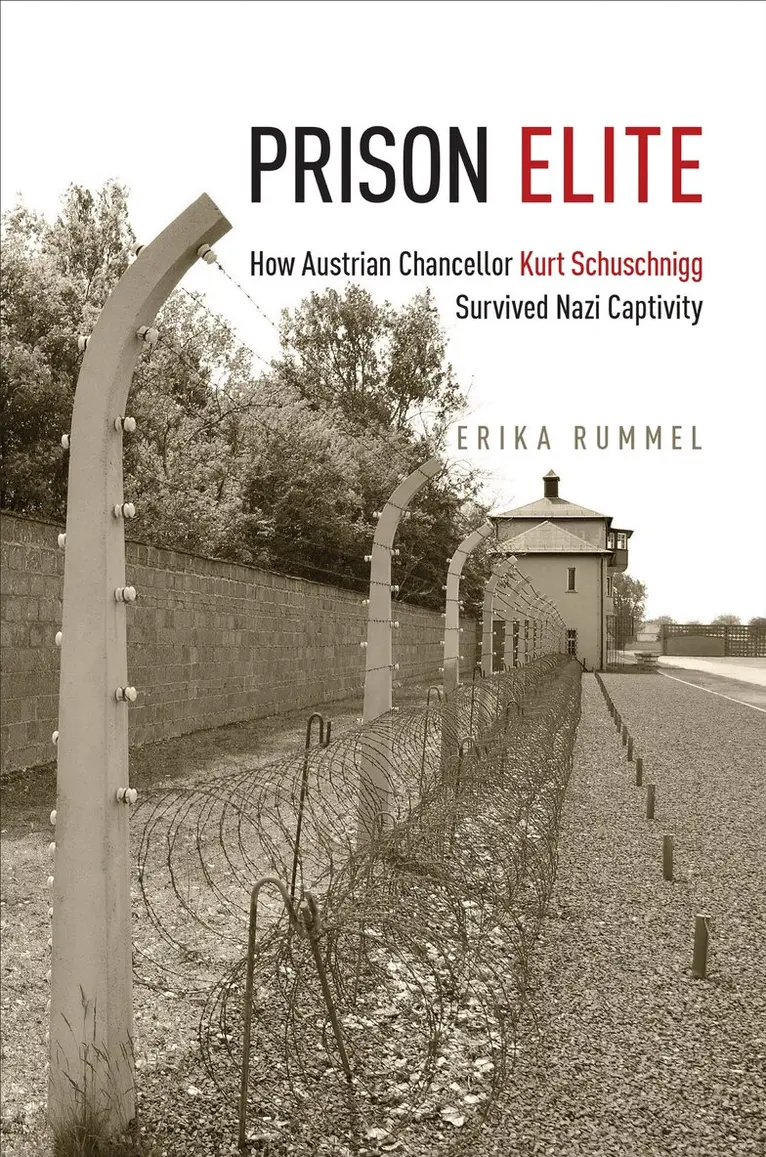
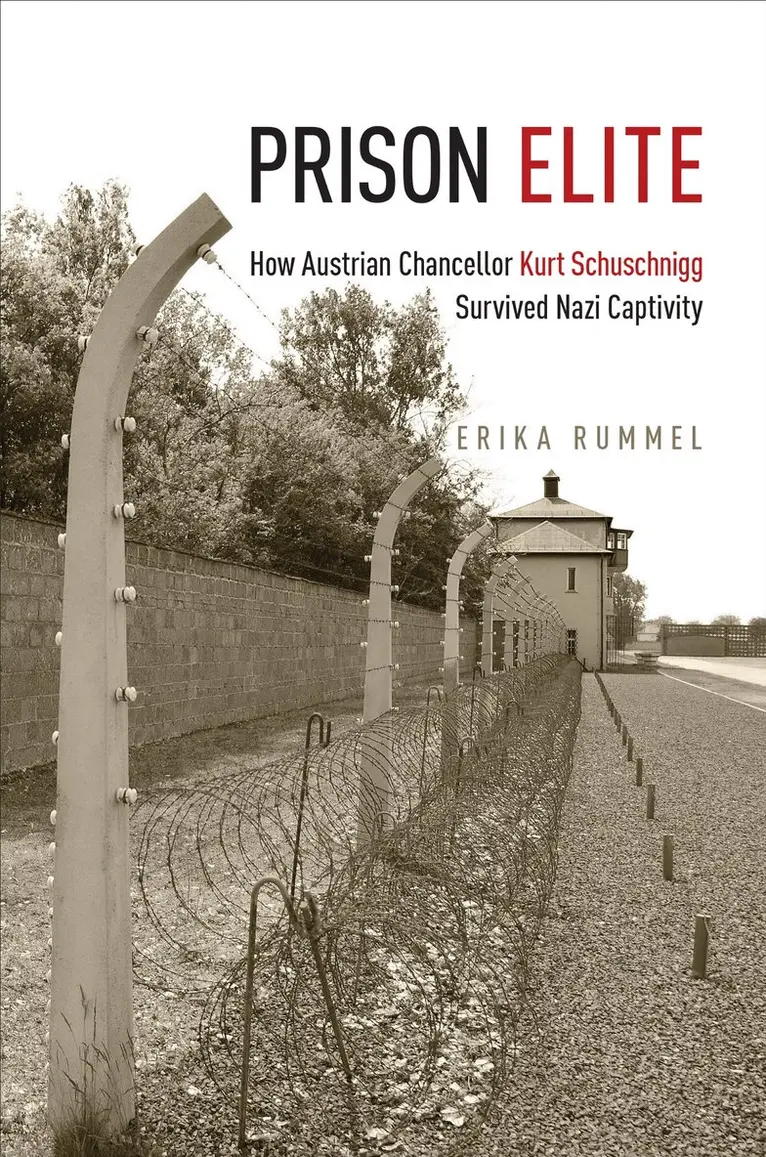
After the Anschluss (annexation) in 1938, the Nazis forced Austrian Chancellor Kurt Schuschnigg to resign and kept him imprisoned for seven years, until his rescue by the Allies in 1945. Schuschnigg’s privileged position within the concentration camp system allowed him to keep a diary and to write letters which were smuggled out to family members.
Drawing on these records, Prison Elite paints a picture of a little-known aspect of concentration camp history: the life of a VIP prisoner. Schuschnigg, who was a devout Catholic, presents his memoirs as a "confession," expecting absolution for any political missteps and, more specifically, for his dictatorial regime in the 1930s. As Erika Rummel reveals in fascinating detail, his autobiographical writings are frequently unreliable.
Prison Elite describes the strategies Schuschnigg used to survive his captivity emotionally and intellectually. Religion, memory of better days, friendship, books and music, and maintaining a sense of humour allowed him to cope. A comparison with the memoirs of fellow captives reveals these tactics to be universal.
Studying Schuschnigg’s writing in the context of contemporary prison memoirs, Prison Elite provides unique insight into the life of a VIP prisoner.
344 kr
Läs direkt efter köp
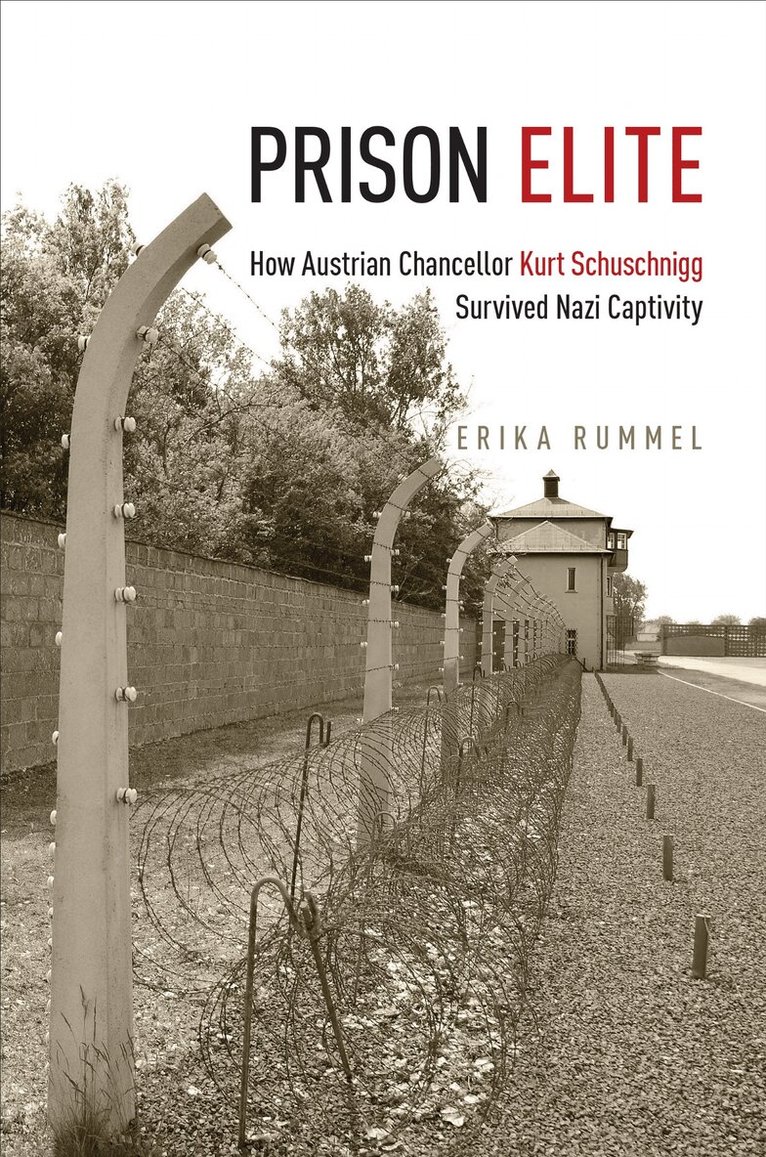
After the Anschluss (annexation) in 1938, the Nazis forced Austrian Chancellor Kurt Schuschnigg to resign and kept him imprisoned for seven years, until his rescue by the Allies in 1945. Schuschnigg’s privileged position within the concentration camp system allowed him to keep a diary and to write letters which were smuggled out to family members.
Drawing on these records, Prison Elite paints a picture of a little-known aspect of concentration camp history: the life of a VIP prisoner. Schuschnigg, who was a devout Catholic, presents his memoirs as a "confession," expecting absolution for any political missteps and, more specifically, for his dictatorial regime in the 1930s. As Erika Rummel reveals in fascinating detail, his autobiographical writings are frequently unreliable.
Prison Elite describes the strategies Schuschnigg used to survive his captivity emotionally and intellectually. Religion, memory of better days, friendship, books and music, and maintaining a sense of humour allowed him to cope. A comparison with the memoirs of fellow captives reveals these tactics to be universal.
Studying Schuschnigg’s writing in the context of contemporary prison memoirs, Prison Elite provides unique insight into the life of a VIP prisoner.
306 kr
Skickas inom 5-8 vardagar