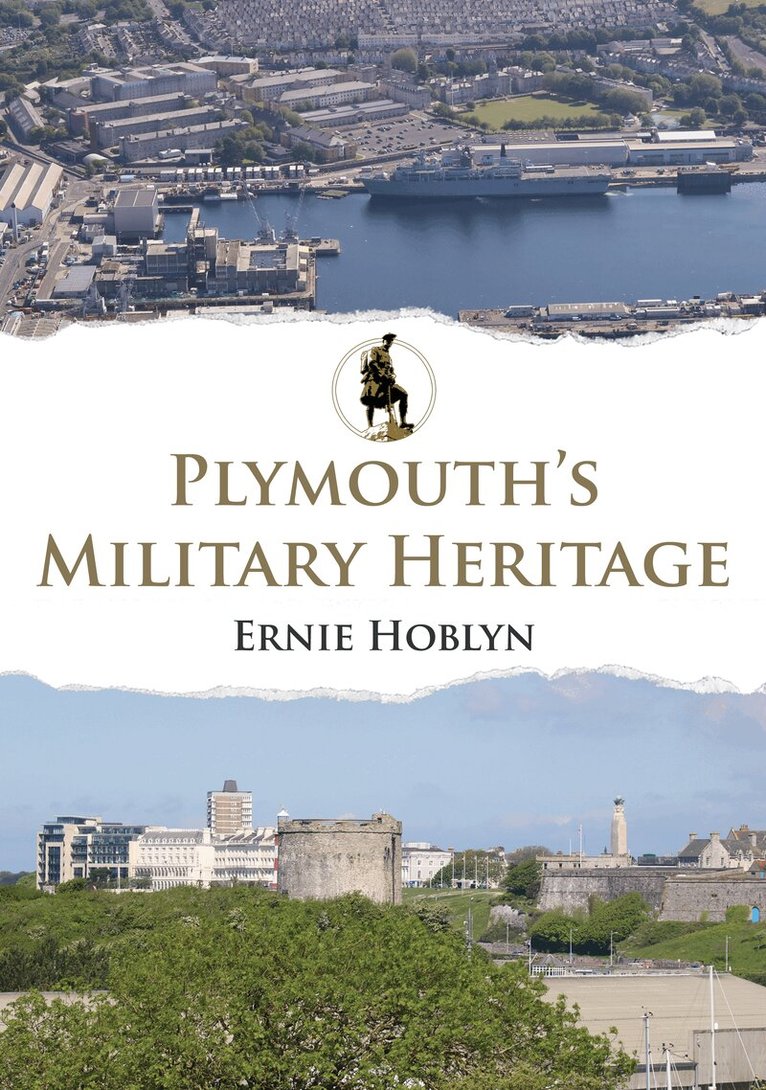
Plymouth’s history has been strongly defined by its position on a natural harbour on England’s south coast. It was a trading port before the Romans arrived, defended by forts on the shoreline and inland. French raiders attacked the town in the Hundred Years’ War and Plymouth Castle was later built to defend the English fleet in Sutton Pool. Drake famously played bowls on Plymouth Hoe awaiting the opportune moment to attack the Spanish Armada and the then town was later under siege during the English Civil War. Naval docks began to be built at Devonport in the seventeenth century, later protected by the Breakwater, and inland a ring of Palmerston forts were constructed. The port was a major embarkation point for British forces in both the First and Second World Wars, including flying boats from Mount Batten, and was heavily targeted by the Luftwaffe with huge destruction of swathes of the city. Although Plymouth is no longer in the front line of war, Devonport is still a major naval dockyard and although many army barracks were demolished post-war, it is still home to the Royal Marines, Royal Artillery and the Royal Navy at HMS Drake and nearby HMS Raleigh.Plymouth’s Military Heritage will be of interest to all those who would like to know more about the city’s remarkable military history.
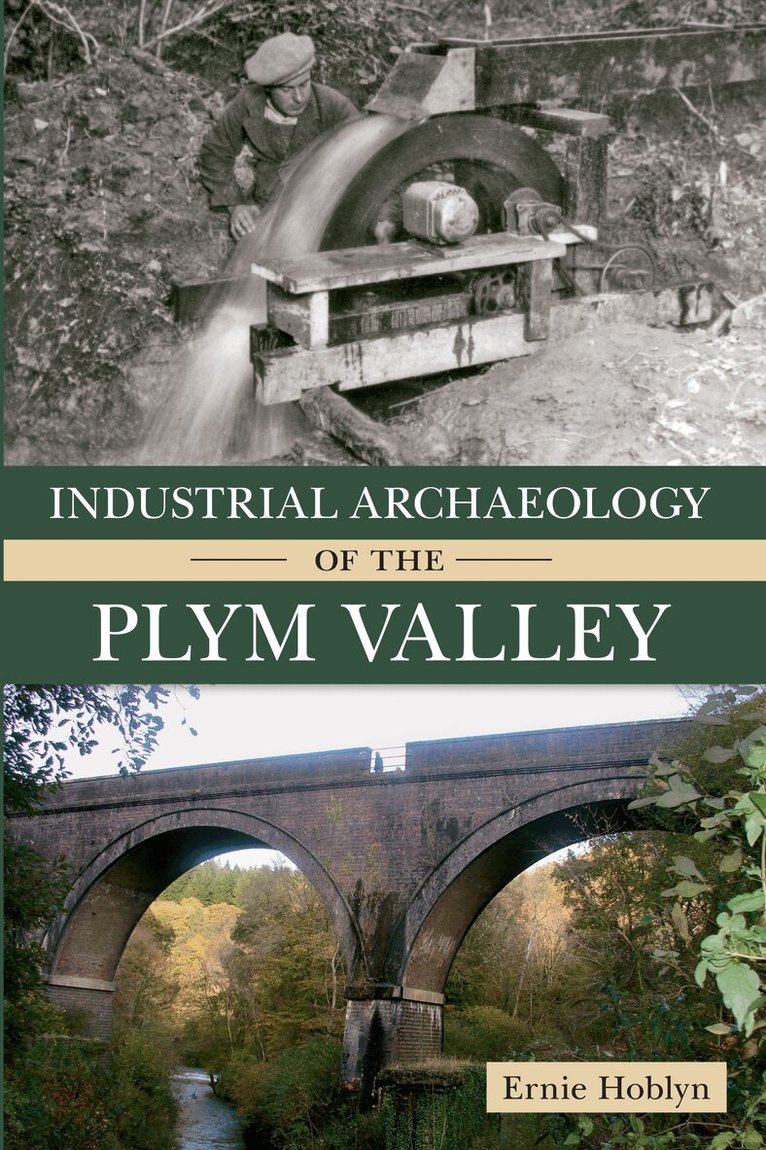
In this new look at the Plym Valley, local author Ernie Hoblyn looks at the ruins of the industrial past and asks, 'Why did they build that here and what is it for?' Covering the valley running north from the Laira estuary to Clearbook, Industrial Archaeology of the Plym Valley describes the railways, quarries, mines, mills and clay works that once operated there, looking at both the physical remains and the memories of those who once lived in the valley. Most of the industries in the Plym Valley existed during the period from the mid-eighteenth century to the late nineteenth or early twentieth century, roughly from the start of the Industrial Revolution to the late Victorian era. Few survived very far into the twentieth century and today little apart from ruins of buildings survives as witness to all the hard work done by many people over many years. This book aims to bring a few of these ruins to life and tell their story.
Plymouth’s history has been strongly defined by its position on a natural harbour on England’s south coast. It was a trading port before the Romans arrived, defended by forts on the shoreline and inland. French raiders attacked the town in the Hundred Years’ War and Plymouth Castle was later built to defend the English fleet in Sutton Pool. Drake famously played bowls on Plymouth Hoe awaiting the opportune moment to attack the Spanish Armada and the then town was later under siege during the English Civil War. Naval docks began to be built at Devonport in the seventeenth century, later protected by the Breakwater, and inland a ring of Palmerston forts were constructed. The port was a major embarkation point for British forces in both the First and Second World Wars, including flying boats from Mount Batten, and was heavily targeted by the Luftwaffe with huge destruction of swathes of the city. Although Plymouth is no longer in the front line of war, Devonport is still a major naval dockyard and although many army barracks were demolished post-war, it is still home to the Royal Marines, Royal Artillery and the Royal Navy at HMS Drake and nearby HMS Raleigh.Plymouth’s Military Heritage will be of interest to all those who would like to know more about the city’s remarkable military history.
In this new look at the Plym Valley, local author Ernie Hoblyn looks at the ruins of the industrial past and asks, 'Why did they build that here and what is it for?' Covering the valley running north from the Laira estuary to Clearbook, Industrial Archaeology of the Plym Valley describes the railways, quarries, mines, mills and clay works that once operated there, looking at both the physical remains and the memories of those who once lived in the valley. Most of the industries in the Plym Valley existed during the period from the mid-eighteenth century to the late nineteenth or early twentieth century, roughly from the start of the Industrial Revolution to the late Victorian era. Few survived very far into the twentieth century and today little apart from ruins of buildings survives as witness to all the hard work done by many people over many years. This book aims to bring a few of these ruins to life and tell their story.