Esat Hulus – författare
Visar alla böcker från författaren Esat Hulus. Handla med fri frakt och snabb leverans.
3 produkter
3 produkter
Häftad, Engelska, 2026
326 kr
Skickas inom 5-8 vardagar
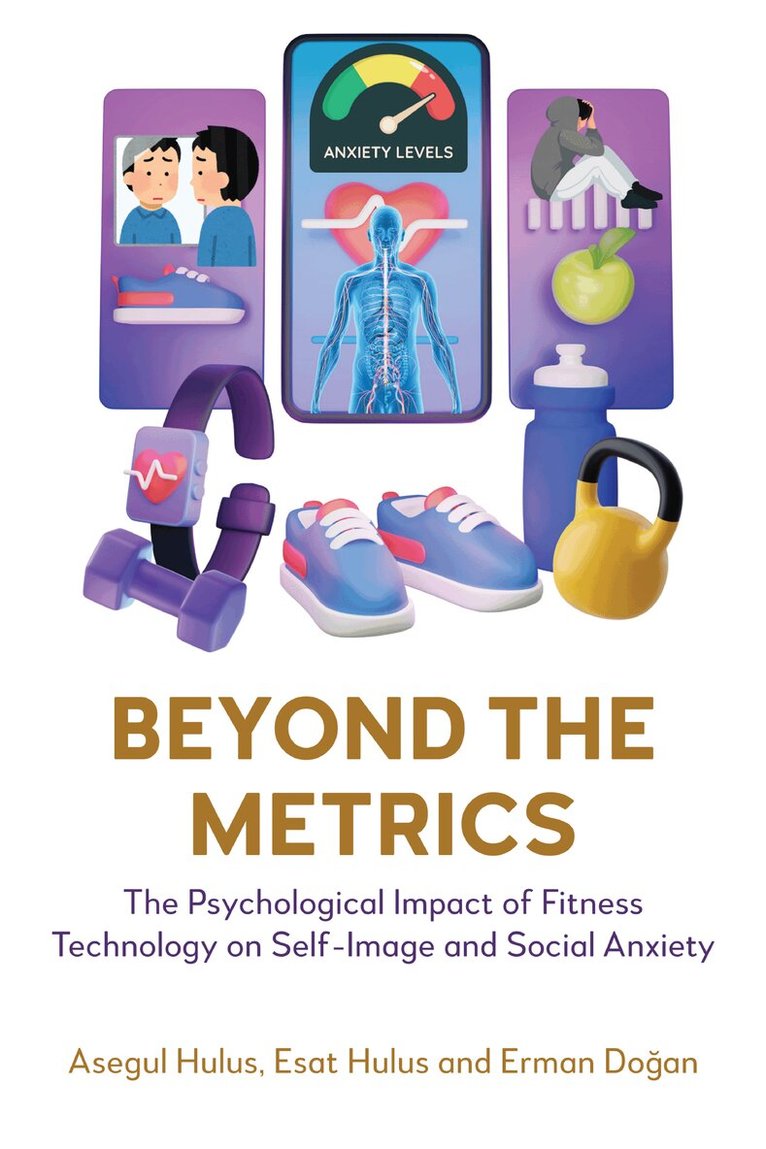
Beyond the Metrics examines how fitness technology subtly affects self-image, social anxiety, and mental well-being through wearables, performance monitoring, and digital affirmation. It uniquely combines academic insights with their practical experiences in competitive sports, user experience, and psychosocial research. It critically examines how fitness technology, while intended to be empowering, can paradoxically lead to self-objectification, social comparison, and performance anxiety. The authors explore the mental health effects of focusing on numbers related to the body, including body dysmorphia in bodybuilding and anxiety from online fitness tracking and social media. This timely book uses sports science, psychology, user experience (UX), and gender studies to explore the risks and potential solutions. Perfect for researchers, mental health professionals, athletes, and tech designers.
E-bok
Engelska, 2026327 kr
Läs direkt efter köp
Explores how fitness technology affects mental health, self-image, and social anxiety, revealing its paradoxical effects through insights from sports science, psychology, UX, and gender studiesBeyond the Metrics: The Psychological Impact of Fitness Technology on Self-Image and Social Anxiety offers a compelling, interdisciplinary analysis of digital fitness tools effects on mental well-being, identity formation, and physical self-perception. With technology s pervasive influence on wellness, this book analyzes the meaning of existence and competition under conditions of continuous monitoring.The authors, drawing upon their diverse expertise, offer valuable perspectives. Dr. Asegul Hulus, a specialist in user experience (UX) and human computer interaction (HCI), provides insights into self-tracking, gendered interfaces, and platform anxieties. Professional bodybuilder and PhD candidate Esat Hulus offers insights into digital self-surveillance, the pressures of aesthetics, and the emotional toll of performance metrics; his perspective is further contextualized by Dr. Erman Dogan, a sport psychologist and academic, who analyzes motivation, body image, and psychosocial dynamics within competitive sport.The joint analysis reveals how applications, wearable devices, and social media platforms may contribute to increased self-doubt, the development of body dysmorphia, and amplified social comparison, with a particular focus on young athletes and marginalized groups. This book also offers a vision of fitness technology that prioritizes well-being over ideals of perfection, promoting a more ethical and inclusive approach to design.This monograph integrates empirical research and cultural critique, making it suitable for scholars, students, coaches, therapists, and designers working within the evolving fields of mental health, digital identity, and embodied performance. This book delves beyond the quantitative data to explore the qualitative aspects relevant to individuals concerned with self-tracking, the influence of social media aesthetics, or technology s role in personal growth.
E-bok
PDF, Engelska, 2026327 kr
Läs direkt efter köp
Explores how fitness technology affects mental health, self-image, and social anxiety, revealing its paradoxical effects through insights from sports science, psychology, UX, and gender studiesBeyond the Metrics: The Psychological Impact of Fitness Technology on Self-Image and Social Anxiety offers a compelling, interdisciplinary analysis of digital fitness tools effects on mental well-being, identity formation, and physical self-perception. With technology s pervasive influence on wellness, this book analyzes the meaning of existence and competition under conditions of continuous monitoring.The authors, drawing upon their diverse expertise, offer valuable perspectives. Dr. Asegul Hulus, a specialist in user experience (UX) and human computer interaction (HCI), provides insights into self-tracking, gendered interfaces, and platform anxieties. Professional bodybuilder and PhD candidate Esat Hulus offers insights into digital self-surveillance, the pressures of aesthetics, and the emotional toll of performance metrics; his perspective is further contextualized by Dr. Erman Dogan, a sport psychologist and academic, who analyzes motivation, body image, and psychosocial dynamics within competitive sport.The joint analysis reveals how applications, wearable devices, and social media platforms may contribute to increased self-doubt, the development of body dysmorphia, and amplified social comparison, with a particular focus on young athletes and marginalized groups. This book also offers a vision of fitness technology that prioritizes well-being over ideals of perfection, promoting a more ethical and inclusive approach to design.This monograph integrates empirical research and cultural critique, making it suitable for scholars, students, coaches, therapists, and designers working within the evolving fields of mental health, digital identity, and embodied performance. This book delves beyond the quantitative data to explore the qualitative aspects relevant to individuals concerned with self-tracking, the influence of social media aesthetics, or technology s role in personal growth.