Esmé Bosma – författare
Visar alla böcker från författaren Esmé Bosma. Handla med fri frakt och snabb leverans.
6 produkter
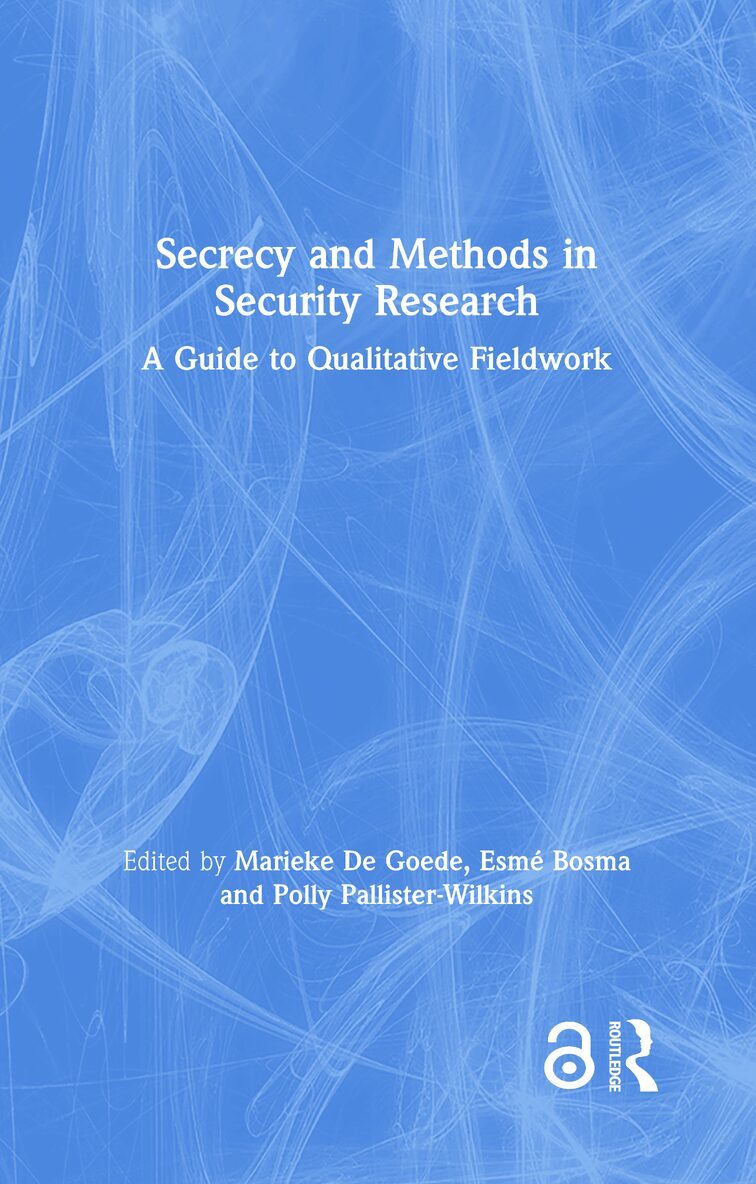
Secrecy and Methods in Security Research
A Guide to Qualitative Fieldwork
Av Marieke De Goede, Esmé Bosma m. fl.
Inbunden, 2019
2512 kr
Lägg i varukorg
This book analyses the challenges of secrecy in security research, and develops a set of methods to navigate, encircle and work with secrecy.How can researchers navigate secrecy in their fieldwork, when they encounter confidential material, closed-off quarters or bureaucratic rebuffs? This is a …
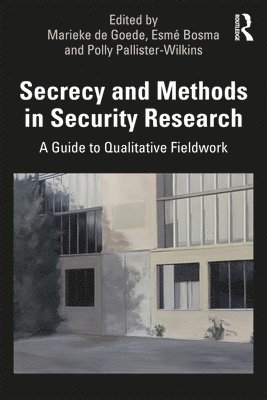
Secrecy and Methods in Security Research
A Guide to Qualitative Fieldwork
Av Marieke De Goede, Esmé Bosma m. fl.
Häftad, 2019
648 kr
Lägg i varukorg
This book analyses the challenges of secrecy in security research, and develops a set of methods to navigate, encircle and work with secrecy.How can researchers navigate secrecy in their fieldwork, when they encounter confidential material, closed-off quarters or bureaucratic rebuffs? This is a …
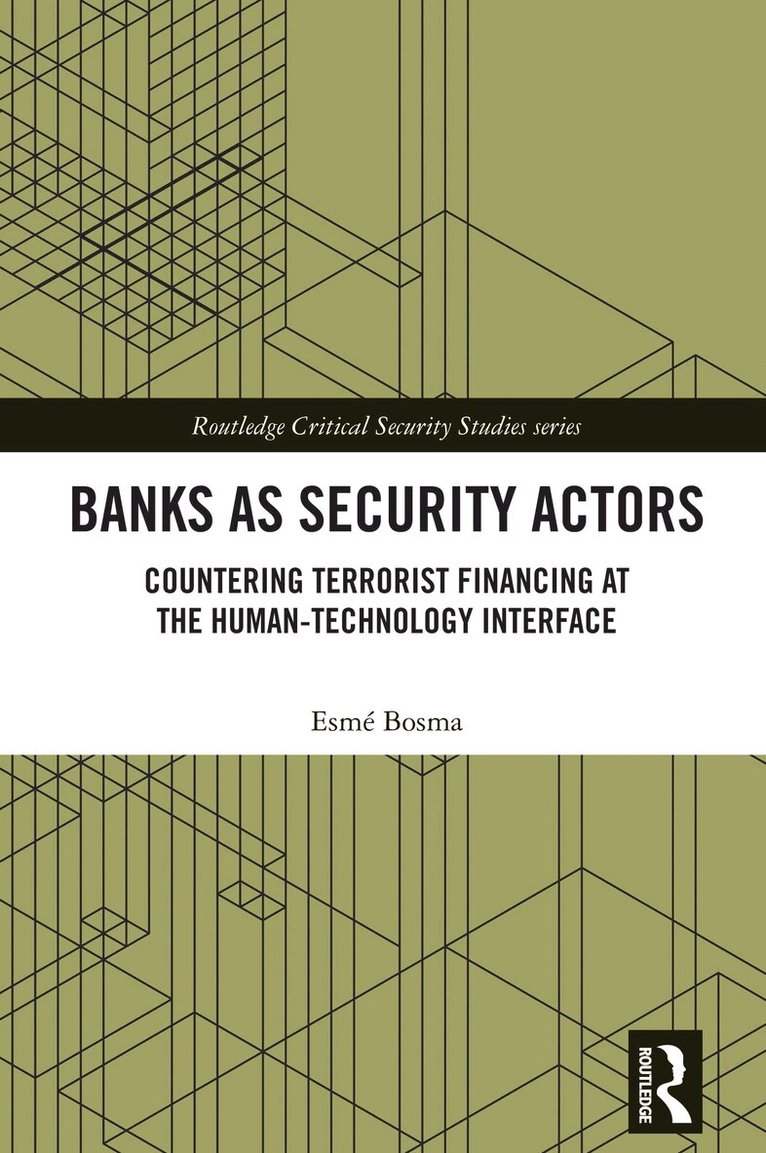
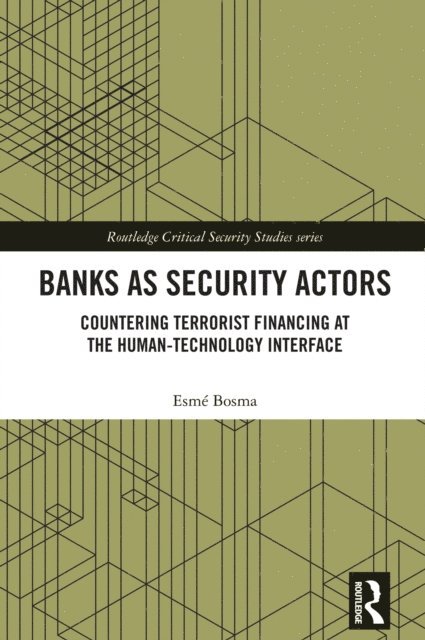
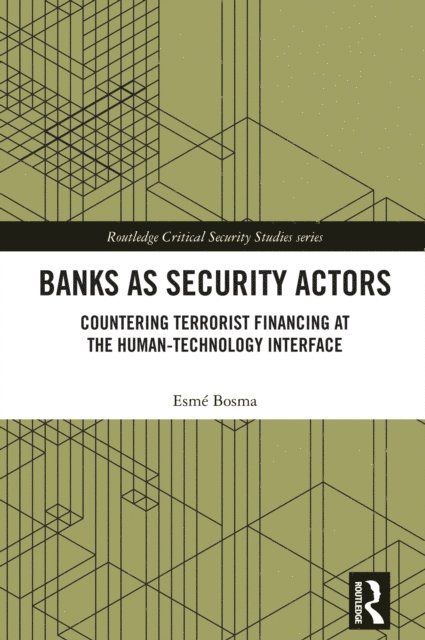
Banks as Security Actors
Countering Terrorist Financing at the Human-Technology Interface
Av Esmé Bosma
Häftad, 2026
706 kr
Lägg i varukorg
This book analyses how banks implement counter-terrorist financing measures and experiment with technologies to assess risks and make security decisions.Banks have become private security actors. As “gatekeepers” of the financial system, they are legally obliged to conduct customer research and …
Banks as Security Actors
Countering Terrorist Financing at the Human-Technology Interface
Av Esmé Bosma
Inbunden, 2025
2512 kr
Lägg i varukorg
This book analyses how banks implement counter-terrorist financing measures and experiment with technologies to assess risks and make security decisions.Banks have become private security actors. As “gatekeepers” of the financial system, they are legally obliged to conduct customer research and …
Banks as Security Actors
Countering Terrorist Financing at the Human-Technology Interface
Av Esme Bosma
E-bok, 2025
813 kr
Lägg i varukorg
This book analyses how banks implement counter-terrorist financing measures and experiment with technologies to assess risks and make security decisions. Banks have become private security actors. As “gatekeepers” of the financial system, they are legally obliged to conduct customer research and …
Banks as Security Actors
Countering Terrorist Financing at the Human-Technology Interface
Av Esme Bosma
E-bok, 2025
813 kr
Lägg i varukorg
This book analyses how banks implement counter-terrorist financing measures and experiment with technologies to assess risks and make security decisions. Banks have become private security actors. As “gatekeepers” of the financial system, they are legally obliged to conduct customer research and …